
Italy Follows France and Others as Spain’s Valencia Seville and Palma Drive New Cultural City Break Tourism Growth

Published
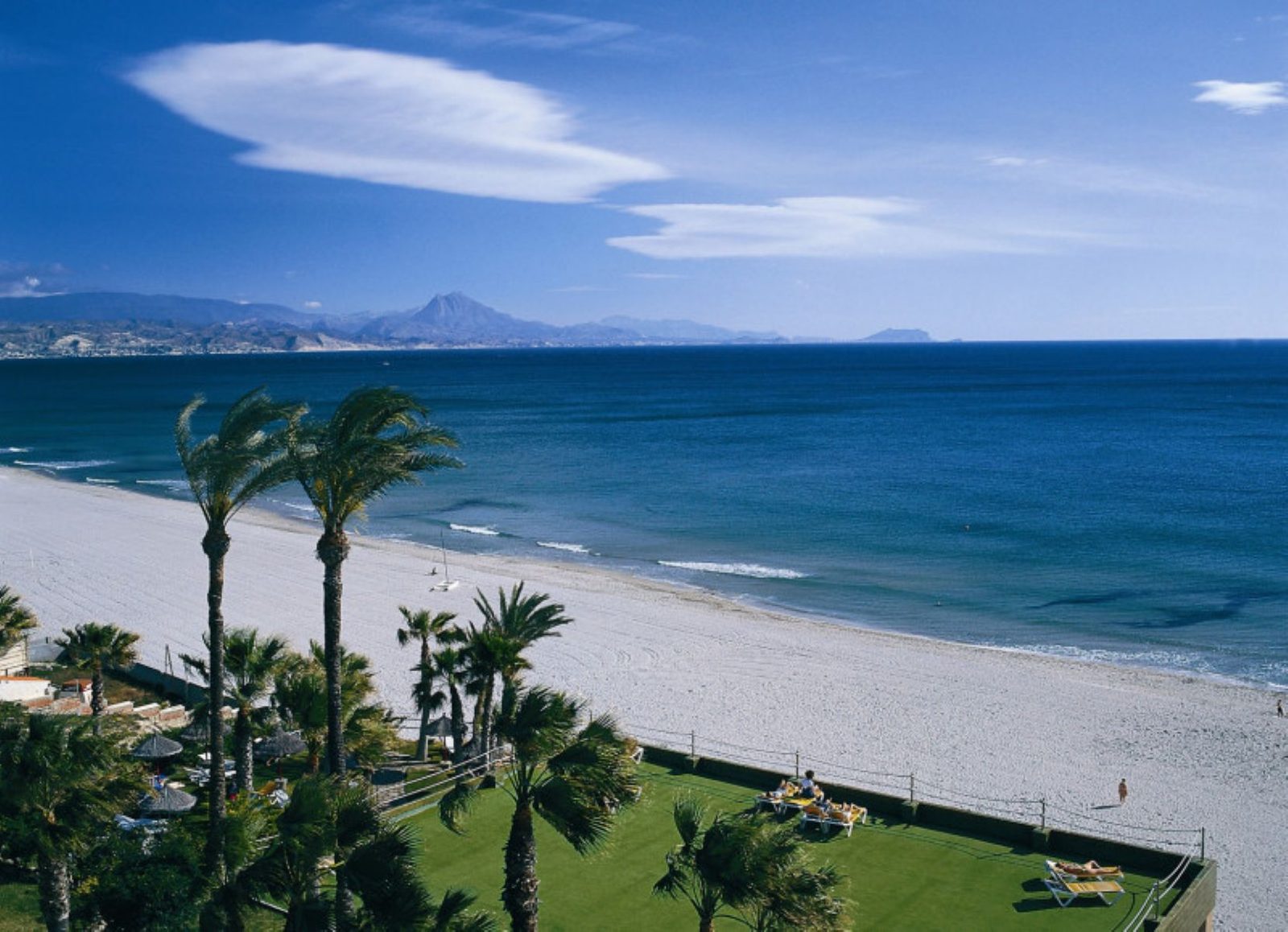
Spain’s Valencia, Seville and Palma are strengthening their position in global tourism as demand grows for cultural city break tourism beyond traditional destinations. Like other European countries, Spain has become increasingly successful in using culture to drive tourism. Spanish cities like Madrid and Barcelona have long attracted tourists, but now others like Valencia and Seville are benefiting from the same type of interest. Travelers are seeking the heritage and cultural attractions of Spain including festivals. Beyond the large tourist destinations, Spain offers smaller, less developed cultural areas which have the potential to benefit from the expansion of European tourism.
Spain Cultural City Breaks Expand in 2026 as INE Data Shows Strong International Travel Growth
Spain’s cultural city breaks are gaining importance in 2026 as international tourism continues to grow beyond the country’s traditional gateways. According to the latest data from Spain’s National Statistics Institute (INE), Spain welcomed 5.1 million international tourists in January 2026, marking a 1.2% increase compared with January 2025. International tourist spending reached €7.8 billion during the month, increasing by 9.3% year on year, showing stronger visitor value and demand for diverse travel experiences.
Advertisement
Advertisement
The wider tourism performance provides a strong foundation for cultural destinations such as Valencia, Seville and Palma. INE data recorded 96.8 million international tourists visiting Spain in 2025, while total foreign tourist expenditure reached €134.7 billion, an increase of 6.8% compared with 2024.
This growth is supporting a shift towards city-based cultural travel, where visitors explore museums, historic landmarks, architecture, festivals and local traditions alongside Spain’s famous coastal attractions.
Advertisement
Advertisement
- Spain welcomed 5.1 million international tourists in January 2026.
- International arrivals increased 1.2% compared with January 2025.
- Tourist spending reached €7.8 billion in January 2026.
- Spain recorded 96.8 million international tourists in 2025.
- UK, Germany and France remained among Spain’s leading tourism markets.
| Spain Tourism Indicator | Latest Official Figure |
|---|---|
| International tourists in 2025 | 96.8 million |
| International tourist spending in 2025 | €134.7 billion |
| January 2026 international tourists | 5.1 million |
| January 2026 spending | €7.8 billion |
| Leading January 2026 market | United Kingdom |
Valencia Strengthens Spain Cultural City Break Demand With Science and Heritage Attractions
Valencia is becoming one of Spain’s most distinctive cultural city break destinations by combining modern architecture, scientific attractions and traditional heritage. The city offers travellers an alternative European experience beyond Madrid and Barcelona, with attractions that connect innovation with local identity.
The City of Arts and Sciences remains a major tourism attraction, creating opportunities for visitors interested in science, architecture and family experiences. The complex represents Valencia’s modern transformation and contributes to the city’s international appeal.
Advertisement
Advertisement
Alongside futuristic attractions, Valencia preserves its cultural traditions through landmarks such as the Fallas Museum. The museum explains the history of the artistic figures known as ninots, which form a central part of the internationally recognised Las Fallas festival.
The city’s combination of cultural heritage and contemporary attractions supports Spain’s wider movement towards experience-based tourism.
- Valencia provides a mix of modern and historic tourism experiences.
- The City of Arts and Sciences supports cultural and educational travel.
- Las Fallas strengthens festival tourism.
- Museums increase year-round visitor activity.
- The city attracts travellers seeking authentic Spanish culture.
| Valencia Attraction | Travel Category | Visitor Impact |
|---|---|---|
| City of Arts and Sciences | Cultural and science tourism | Increases city-break appeal |
| Fallas Museum | Heritage tourism | Highlights Valencian traditions |
| Historic centre | Urban tourism | Supports walking and cultural experiences |
Seville Attracts Cultural Travellers Through Heritage Sites and Flamenco Experiences
Seville continues to strengthen its position as one of Spain’s leading cultural destinations through its historic architecture, performing arts and traditional experiences. The Andalusian city offers travellers an opportunity to explore Spain’s heritage through landmarks including the Royal Alcázar of Seville, Plaza de España and the Giralda tower.
The city’s flamenco tradition remains a major cultural attraction. Recognised by UNESCO as an Intangible Cultural Heritage of Humanity, flamenco provides international visitors with access to one of Spain’s most distinctive artistic expressions.
Seville also supports contemporary cultural tourism through art galleries, exhibitions and creative spaces. These experiences allow visitors to explore both historic and modern aspects of Spanish culture.
- Seville combines heritage tourism with performing arts.
- Historic landmarks remain major visitor attractions.
- Flamenco supports cultural experiences.
- Art galleries expand the city’s tourism offer.
- The destination encourages longer cultural stays.
| Seville Experience | Tourism Value |
|---|---|
| Royal Alcázar | Historic exploration |
| Flamenco | Traditional Spanish culture |
| Plaza de España | Architectural tourism |
| Contemporary galleries | Modern creativity |
Palma Expands Balearic Islands Tourism Beyond Beach Holidays
Palma is changing the perception of the Balearic Islands by offering visitors cultural experiences alongside traditional Mediterranean holidays. The city provides a combination of historic architecture, religious heritage and artistic events.
Advertisement
Advertisement
The Cathedral of Palma remains one of the city’s most important cultural landmarks, attracting visitors interested in architecture and history. Beyond the cathedral, travellers can discover ancient courtyards, historic streets and cultural venues.
Palma demonstrates how island destinations can attract visitors throughout the year by promoting heritage tourism, performing arts and city experiences beyond summer beach travel.
- Palma adds cultural value to Balearic Islands tourism.
- Historic attractions support heritage travel.
- Cultural events create year-round demand.
- Architecture remains a key visitor attraction.
- The destination attracts experience-focused travellers.
| Palma Attraction | Tourism Importance |
|---|---|
| Cathedral of Palma | Heritage tourism |
| Historic districts | Cultural exploration |
| Opera and events | Arts tourism |
Italian Travellers Discover Spain’s Cultural Cities Through Mediterranean City Breaks
Italy remains an important European travel market for Spain. INE data shows Italy contributed 367,717 tourists to Spain in January 2026, representing an 8.1% increase compared with the same month in 2025.
Italian travellers can explore Spain’s cultural destinations through short European breaks focused on architecture, gastronomy and heritage. Valencia offers modern cultural attractions, Seville provides traditional Spanish experiences, and Palma combines Mediterranean history with island culture.
- Italian arrivals to Spain increased in January 2026. INE
- Spain provides accessible short-break opportunities.
- Cultural attractions complement Mediterranean travel.
- Heritage and food experiences attract European visitors.
- City tourism supports diversified travel patterns.
| Italian Traveller Interest | Spanish Destination |
|---|---|
| Architecture | Seville |
| Mediterranean culture | Valencia |
| Historic island experiences | Palma |
France Travellers Explore Spain’s Heritage Cities Through New Cultural Routes
France continues to be one of Spain’s major tourism markets. INE data recorded 517,788 French tourists visiting Spain in January 2026.
French visitors can discover Spain through cultural routes that connect museums, historic landmarks, festivals and local traditions. Valencia offers a Mediterranean cultural escape, Seville highlights Andalusian heritage, and Palma provides a historic island experience.
Advertisement
Advertisement
- France remains a major European visitor market for Spain.
- Cultural tourism creates new travel opportunities.
- Spanish cities offer diverse heritage experiences.
- Regional destinations support longer stays.
- City breaks complement traditional holidays.
UK and Germany Travellers Support Spain’s Growing Cultural Tourism Demand
The UK and Germany continue to play an important role in Spain’s tourism economy. INE data shows the UK was Spain’s largest tourism market in January 2026, with 897,095 visitors, an increase of 3.3% compared with January 2025. Germany contributed 527,327 tourists during the same period.
Tourists from these markets can explore Spain beyond traditional resorts by visiting cultural cities filled with museums, architecture, festivals and local experiences.
INE data also shows UK visitors generated the highest tourism expenditure in Spain during 2025, reaching €23.65 billion, followed by Germany with €15.83 billion and France with €11.61 billion.
- UK visitors remain Spain’s leading source market.
- Germany remains a major contributor to tourism spending.
- Cultural city breaks provide alternatives to resort holidays.
- Heritage experiences support longer visitor engagement.
- Spain continues attracting high-value international tourism.
| Country | INE Tourism Contribution |
|---|---|
| UK | €23.65 billion spending in 2025 |
| Germany | €15.83 billion spending in 2025 |
| France | €11.61 billion spending in 2025 |
Spain Cultural City Break Growth Creates Wider European Travel Impact
The expansion of Spain’s cultural city breaks is reshaping European tourism patterns by encouraging travellers to explore more destinations beyond established capitals. Valencia, Seville and Palma demonstrate how cultural attractions can increase regional visibility and distribute tourism demand across different areas.
INE figures confirm Spain’s tourism sector continues to generate strong international demand, with rising visitor spending and steady arrival growth.
For European markets including Italy, France, the UK and Germany, Spain’s cultural destinations offer new opportunities to experience heritage, architecture, festivals and local traditions through accessible city breaks.
Advertisement
Advertisement
- Cultural tourism supports regional destination growth.
- Spain’s tourism economy continues expanding.
- City breaks create new visitor opportunities.
- Heritage attractions increase destination diversity.
- European travellers gain more alternatives beyond major cities.
| Tourism Impact | Result |
|---|---|
| Regional destinations | Wider visitor distribution |
| Cultural attractions | Increased international interest |
| Local economies | Higher tourism activity |
| European markets | More city-break choices |
Conclusion
Spain’s Valencia, Seville and Palma are emerging as important destinations in the changing landscape of cultural city break tourism growth across Europe. Spain’s cultural cities give its citizens and tourists the opportunity to view and learn about art, architecture and history in Spain. Art and cultural centers in Spain’s cultural cities are enriching the country’s tourism industry. Spain’s cultural cities are well-suited for the European tourist interested in urban leisure activities. Other activities in the cultural cities of Spain will further increase the appeal of European cities for the tourist interested in tourism and leisure activities.
Advertisement
