
Norway’s Arctic Railway Upgrade Strategy Advances as Predictive Technology Improves Winter Travel Operations

Published
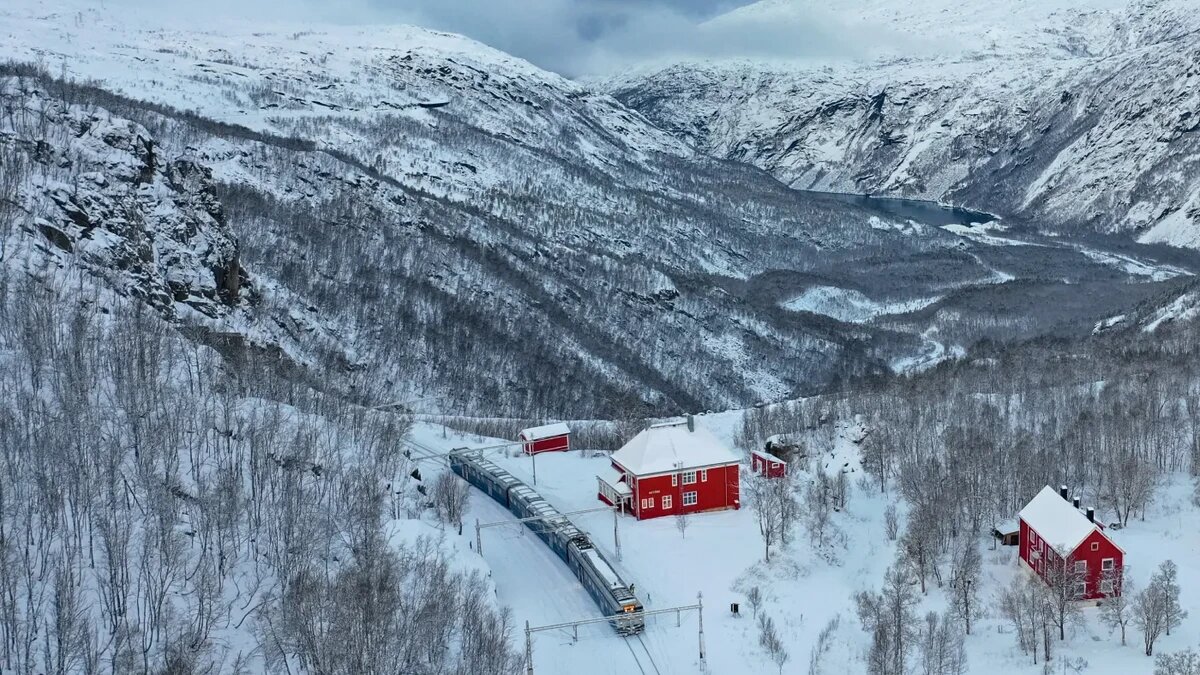
Norway is moving towards a smarter Arctic railway future as advanced monitoring systems, sensor technology and predictive maintenance solutions are being tested to improve railway reliability in extreme winter environments. The key development is centred around northern rail innovation linked to the Ofoten Line and the Arctic Test Arena near Narvik, where researchers and railway authorities are examining how real-time data, digital infrastructure monitoring and climate intelligence can support safer and more dependable passenger journeys across Arctic regions.
Norway’s Arctic railway technology shift focuses on passenger reliability
Norway’s Arctic railway development is entering a new phase where technology is becoming central to managing one of Europe’s most demanding rail environments. Instead of relying only on traditional inspections and reactive repairs, northern railway operations are increasingly moving towards predictive systems that identify potential problems before they affect passengers.
Advertisement
Advertisement
The main travel significance lies in improving confidence for visitors travelling through northern Norway during challenging seasons. Arctic rail routes attract international travellers seeking northern lights experiences, winter landscapes and remote destination journeys. However, snow, ice, freezing temperatures and rapidly changing weather conditions can create operational challenges.
The emerging technology approach combines infrastructure sensors, operational data and weather intelligence to help railway teams understand risks earlier and respond faster. The aim is to create a railway system that can better anticipate disruptions rather than only manage them after they occur.
Advertisement
Advertisement
Narvik becomes a testing hub for Arctic railway innovation
The city of Narvik has become a central location in Norway’s Arctic rail technology development because of its connection to the Ofoten Line, one of the world’s most demanding railway corridors.
The Ofoten Line operates through mountainous Arctic terrain between Narvik and the Swedish border. Its harsh operating environment makes it a valuable testing location for railway technologies designed for cold climates.
Advertisement
Advertisement
The Arctic Test Arena, developed through cooperation between Norwegian and Swedish railway institutions, focuses on testing future railway solutions under real Arctic conditions. Areas being examined include:
| Technology area | Travel and railway impact |
|---|---|
| Real-time sensors | Earlier identification of infrastructure problems |
| AI-based monitoring | Improved operational decisions during weather disruption |
| Digital track inspection | Reduced dependence on manual inspections |
| Fibre-optic monitoring | Better detection of infrastructure changes |
| Predictive maintenance | Lower risk of unexpected service interruptions |
The Norwegian Railway Directorate identifies the Arctic Test Arena as a platform for testing sensors, artificial intelligence-based monitoring, decision-support systems and infrastructure solutions designed for harsh winter climates.
Smart weather systems could transform Arctic passenger travel
For international travellers, the most important impact is not the technology itself but what it could deliver during real journeys.
Winter rail passengers often need reliable information when weather conditions change quickly. A predictive railway system could support:
- earlier disruption warnings;
- more accurate journey updates;
- improved timetable planning;
- faster maintenance responses;
- safer train operations during severe weather.
This is particularly important for Arctic tourism, where visitors often plan journeys around fixed holiday schedules, northern lights excursions and seasonal experiences.
A delayed train in an Arctic destination can have a greater impact than in a major urban network because alternative transport options may be limited. Improving prediction and response systems could therefore strengthen confidence among international visitors choosing rail-based travel in northern Norway.
Advertisement
Advertisement
Sensor technology moves railway maintenance from reaction to prediction
One of the most significant developments is the shift towards condition-based maintenance.
Traditional railway maintenance often depends on scheduled inspections. However, Arctic conditions can accelerate wear because infrastructure faces repeated exposure to snow, ice, temperature changes and heavy operational pressure.
Bane NOR has been testing sensor-based solutions on the Ofoten Line that collect information about track conditions during normal railway operations. The data helps identify trends linked to infrastructure condition, allowing maintenance planning to become more targeted.
The technology focus includes:
| Monitoring system | Purpose |
|---|---|
| Track condition sensors | Detect changes in railway infrastructure |
| Train-mounted monitoring equipment | Collect operational data during journeys |
| Fibre-based monitoring | Identify infrastructure changes |
| Automated inspection technology | Detect faults using digital analysis |
These systems could help reduce unexpected failures while improving operational stability for both passenger and freight services.
Digital railway management strengthens Arctic travel resilience
Norway is also continuing wider railway digitalisation through systems such as the European Rail Traffic Management System (ERTMS).
Advertisement
Advertisement
ERTMS is being introduced across parts of Norway’s railway network to improve safety, operational stability and capacity management. The system provides digital movement information directly to train drivers and gradually replaces older signalling arrangements.
For travellers, digital railway management represents a long-term shift towards more connected and efficient transport networks.
The combination of:
- digital signalling;
- infrastructure monitoring;
- weather intelligence;
- predictive maintenance;
creates a wider smart mobility ecosystem designed for difficult operating environments.
Bodø and northern Norway gain from stronger Arctic connectivity
While Narvik remains the key railway technology testing location, the wider northern Norway travel market is also connected to improving Arctic mobility.
The expansion of reliable transport links across northern destinations is important as tourism demand grows for remote experiences. Destinations around northern Norway increasingly depend on dependable transport networks to connect airports, coastal routes, accommodation providers and attractions.
Advertisement
Advertisement
Bodø, which has become an important gateway for northern tourism, represents the broader regional importance of improving transport resilience. Better railway reliability and digital travel information systems can support smoother visitor movement across the Arctic region.
Economic impact for tourism operators and travel businesses
Improved Arctic railway reliability could create benefits beyond transport operations.
| Sector | Potential impact |
|---|---|
| Tour operators | More confidence when packaging rail-based Arctic holidays |
| Hotels | Improved arrival reliability during winter seasons |
| Adventure tourism | Better coordination of activities and transfers |
| Destination authorities | Stronger promotion of sustainable travel options |
| Rail operators | Improved efficiency and operational planning |
For the travel industry, reliable Arctic rail services can strengthen Norway’s position as a premium winter destination.
Rail travel also supports sustainable tourism objectives by offering an alternative to some short-distance air journeys while allowing visitors to experience northern landscapes.
Why this development matters for global railway tourism
The importance of Norway’s Arctic railway technology extends beyond Scandinavia.
Climate challenges are affecting railway networks worldwide. Mountain railways, winter tourism routes and remote transport corridors increasingly require systems that can operate under unpredictable conditions.
Advertisement
Advertisement
The technology being tested in northern Norway provides a real-world environment for solutions that could later support rail networks in other cold-weather regions.
The Arctic is therefore becoming a proving ground for the next generation of resilient railway systems.
Operational takeaways for travel agents and tour operators
Travel businesses planning Arctic rail packages should consider:
- Check winter railway schedules carefully when creating fixed-date itineraries.
- Build flexibility into northern Norway travel programmes during severe weather periods.
- Monitor official railway updates before passenger departures.
- Highlight improved digital railway systems as part of sustainable Arctic travel products.
- Work with local operators that understand seasonal weather risks.
- Consider travel insurance recommendations for winter rail itineraries.
Norway’s Arctic railway technology development represents a long-term transformation rather than a single infrastructure launch. As smart monitoring, predictive maintenance and weather intelligence become more integrated into northern rail operations, international travellers could benefit from more dependable winter journeys. The development strengthens the future of Arctic tourism by connecting advanced transport technology with the growing global demand for unique, climate-sensitive travel experiences.
Norway’s Arctic Railway Future Moves Towards Smarter Winter Travel
Norway’s Arctic railway technology development highlights how smart systems, weather intelligence and predictive maintenance are shaping the future of extreme-weather travel. As Arctic tourism continues to grow, improved railway resilience could help passengers enjoy safer, more reliable winter journeys while supporting sustainable access to northern destinations. These advancements position Norway’s Arctic rail network as an important example of how technology can transform travel in challenging climates.
Advertisement
