
Mayfield Hotels Records Strong 2026 Growth as AI-Powered Hotel Technology Drives Revenue Surge Across North America, UK and Europe: All You Need to Know

Published
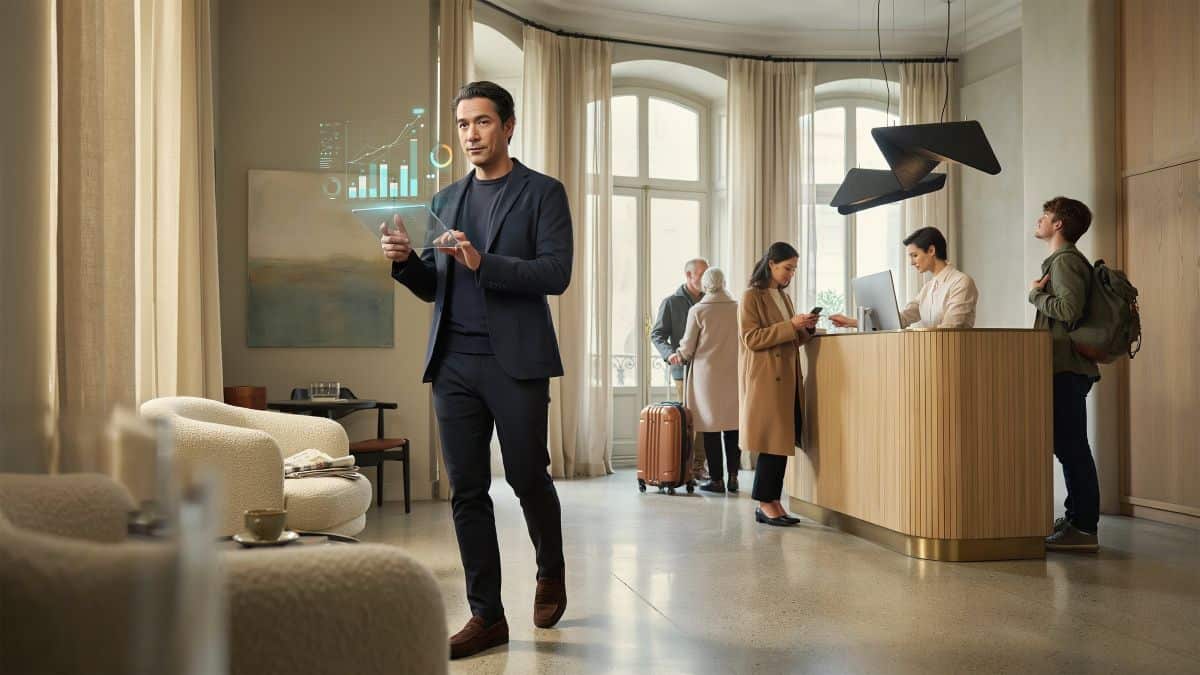
Independent hotel operators are facing one of the most challenging periods in recent years, with rising costs, changing guest expectations and increasing pressure on profit margins. Amid this difficult environment, Mayfield Hotels has reported strong business momentum during the first half of 2026, highlighting the growing role of artificial intelligence, automation and specialised lodging solutions in strengthening independent hospitality businesses.
The hotel platform, which operates across North America, the United Kingdom and the European Union, announced an 18.4% increase in revenue during the first two quarters of 2026 compared with the same period in 2025.
According to Mayfield Hotels, the growth was mainly supported by the wider implementation of AI-based room pricing systems and operational automation tools created to help independent hotel owners improve efficiency, increase revenue opportunities and manage expenses more effectively.
The company also pointed to expansion in workforce lodging markets linked with major industries including construction, infrastructure, technology, energy, healthcare and education as another important driver behind its performance.
Advertisement
Advertisement
AI Technology Becomes a Major Growth Engine for Independent Hotels
The hospitality industry has increasingly turned towards artificial intelligence as operators search for smarter ways to manage costs and improve financial performance.
Mayfield Hotels said its AI-powered pricing solutions have played a significant role in improving revenue management for independent hotel owners. These systems are designed to analyse market conditions, demand patterns and booking behaviour to support more effective room pricing decisions.
Advertisement
Advertisement
For smaller and independent hotels, advanced revenue management technology can provide access to tools that were traditionally available mainly to large international hotel groups.
By using automation, hotel operators can reduce manual workload in areas such as pricing adjustments, operational processes and daily management tasks. This allows owners and teams to focus more attention on guest experience and long-term business development.
The company’s 2026 performance reflects a wider industry movement where technology is becoming a critical factor in maintaining competitiveness.
Strongest Growth Reported Across Key US Hospitality Markets
Mayfield Hotels reported significant revenue expansion in several American states during the first half of 2026.
The company identified Texas as its strongest-performing market, recording a 64% increase compared with the same period in 2025.
Other major growth markets included:
Advertisement
Advertisement
- Indiana: 49% growth
- Michigan: 47% growth
- Oklahoma: 35% growth
- Arkansas: 32% growth
These results highlight increasing demand for flexible lodging solutions in regions supported by business activity, industrial development and workforce mobility.
Markets such as Texas, for example, continue to benefit from strong economic activity across energy, technology, construction and infrastructure sectors, creating additional demand for accommodation beyond traditional leisure travel.
Mayfield Hotels’ expansion into workforce lodging reflects changing patterns in the accommodation industry, where hotels are increasingly serving corporate groups, project workers, contractors and professionals travelling for extended assignments.
Independent Hotels Face Growing Pressure From Rising Costs
The company’s growth announcement comes at a time when many independent and midscale hotels are experiencing significant financial pressure.
According to Mayfield Hotels, operating expenses across the hospitality sector have been rising faster than revenue growth, creating tighter margins for many properties.
The company highlighted that inflation, labour expenses and operational costs are creating challenges for hotel owners trying to maintain profitability.
Advertisement
Advertisement
For midscale and economy hotels, industry forecasts indicate limited improvement in occupancy and room rate growth during 2026. These conditions are increasing the importance of efficient management strategies and technology adoption.
Independent hotels often face additional challenges compared with large hotel chains because they may have fewer resources for technology investment, marketing and operational optimisation.
Platforms that provide access to advanced systems and specialised support can therefore become increasingly valuable for smaller operators.
Workforce Lodging Expansion Opens New Opportunities
A key part of Mayfield Hotels’ growth strategy has been its expansion into workforce lodging.
Unlike traditional tourism-focused accommodation, workforce lodging serves professionals who require temporary housing because of employment projects, infrastructure development, medical assignments, education programmes and industrial activities.
This segment has become increasingly important as economic development projects create demand for reliable accommodation solutions near work locations.
Advertisement
Advertisement
Construction projects, energy developments and technology infrastructure expansion often require workers to stay away from their permanent homes for extended periods.
Hotels positioned to serve this demand can benefit from more stable occupancy patterns and long-term business relationships.
Mayfield Hotels said its expansion across these sectors contributed to its first-half 2026 performance and represents an important part of its future growth strategy.
Technology and Efficiency Shape the Future of Hotel Operations
The hospitality industry is undergoing a major transformation as operators look beyond traditional methods to improve performance.
Artificial intelligence, automation and data-driven decision-making are becoming central elements of modern hotel management.
For independent hotel owners, these technologies can provide better visibility into market trends, improve pricing accuracy and streamline daily operations.
Advertisement
Advertisement
As labour costs continue to challenge the sector, automation can help reduce administrative pressure while allowing employees to concentrate on more valuable guest-facing activities.
The shift towards technology-driven hospitality is not only about reducing expenses. It is also about creating more responsive and personalised experiences for travellers.
Hotels that successfully combine technology with quality service are expected to remain better positioned in an increasingly competitive market.
Mayfield Hotels Highlights Mission to Support Independent Operators
Mayfield Hotels Chairman Melissa Magnuson said the company’s objective is to provide independent hotel operators with practical solutions during a period of economic uncertainty.
The company believes independent properties require new strategies to protect profitability as inflation and operating expenses continue to affect the hospitality sector.
By combining technology, automation and specialised market expansion, Mayfield Hotels aims to help independent owners compete more effectively against larger hotel brands.
Advertisement
Advertisement
The company’s first-half 2026 results underline the increasing importance of innovation in the hotel industry. As operators face changing market conditions, technology-focused platforms are emerging as key partners for improving efficiency and unlocking new revenue opportunities.
With continued expansion across North America, the United Kingdom and Europe, Mayfield Hotels is positioning itself as part of a broader transformation taking place across independent hospitality where artificial intelligence, automation and flexible lodging solutions are reshaping the future of hotel operations.
Advertisement
