
Peru Travel Faces a New Climate Reality as Rising Heat Threatens Andes Hikes and Amazon Adventures

Updated
Published
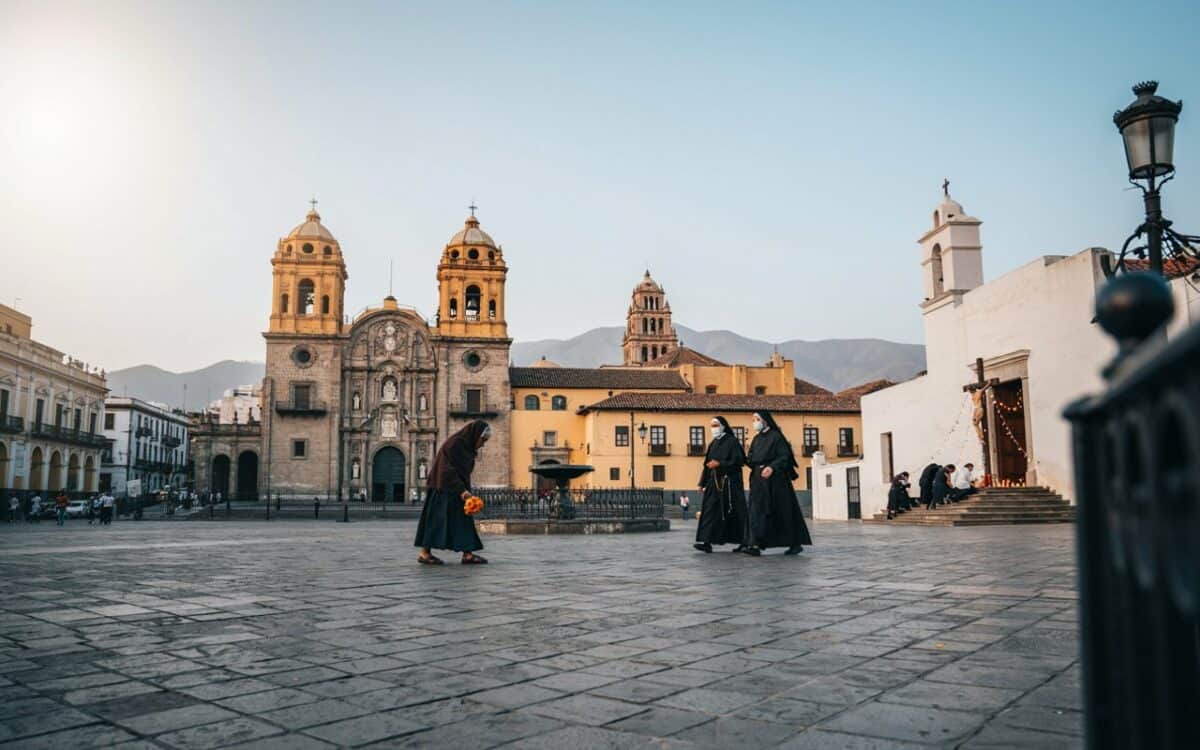
Peru remains one of South America’s most compelling destinations, combining high-altitude Andean landscapes, ancient archaeological sites, Amazon rainforest experiences and diverse coastal environments. Yet the country’s geographical variety also means climate change is producing different challenges in different regions.
The latest global temperature concerns are adding urgency to a conversation already affecting tourism: how should travellers prepare when familiar weather patterns become less predictable?
Advertisement
Advertisement
Travel expert Hedder Quispe Puente de la Vega of Machu Travel Peru says the central issue is not simply that every destination in Peru will become hotter. Instead, travellers should pay closer attention to changing rainfall, weather variability and rapidly shifting local conditions.
For visitors, that could influence everything from hiking routes and outdoor schedules to Amazon river excursions and transport arrangements.
Advertisement
Advertisement
Climate change is creating a more unpredictable travel environment
Peru’s geography makes it particularly important to avoid treating the country as one uniform climate zone.
Advertisement
Advertisement
The Andes, Amazon and coastal areas have distinctly different environmental conditions. Consequently, a change in temperature or rainfall can produce very different effects depending on where a traveller is staying.
In the Andes, changing temperatures and rainfall can affect mountain ecosystems, water availability and trail conditions. For hikers, the practical consequence is greater variability.
A route that appears straightforward based on normal seasonal expectations may encounter rain, slippery ground, stronger sunlight or other weather-related changes. Therefore, travellers heading into mountainous areas need to remain prepared for conditions to change during the day.
This is particularly relevant for visitors planning active itineraries around trekking, hiking and other high-altitude experiences.
Andes hikers may need greater flexibility
Mountain travel has always required preparation, but increasingly variable weather makes flexibility even more important.
Advertisement
Advertisement
Travellers can experience strong sunshine, cooler temperatures and rainfall within a relatively short period. Packing for only one expected condition can therefore leave visitors unprepared.
Waterproof layers, suitable footwear, comfortable clothing, sun protection and sufficient drinking water can all become important components of a mountain itinerary.
However, preparation should not stop at packing.
Quispe Puente de la Vega recommends checking reliable forecasts before activities and following local safety and access recommendations. This becomes particularly important when travelling through mountainous terrain, where conditions can change quickly and access decisions may depend on real-time circumstances.
The broader lesson is simple: travellers should not assume that a forecast made before leaving home will accurately describe conditions throughout an entire day in the mountains.
Advertisement
Advertisement
Amazon travel could also feel the effects
The Amazon presents a different set of climate-related considerations.
Rainfall and temperature changes can influence river levels, wildlife behaviour and access to particular areas. Because many rainforest experiences rely on rivers, boats, trails and seasonal conditions, changes in the environment can affect how excursions operate.
For travellers, this may translate into changes to boat transportation, sightseeing schedules or the timing of wildlife and nature activities.
That does not mean Amazon holidays are becoming impossible. Rather, visitors should understand that rainforest travel is closely connected to natural conditions.
A flexible approach allows guides and operators to adjust activities when circumstances change, potentially replacing one experience with another rather than forcing an itinerary to continue regardless of conditions.
Advertisement
Advertisement
Why local expertise matters more
One of the strongest themes emerging from the advice is the growing value of local knowledge.
Weather forecasts remain an essential planning tool, but they cannot always capture the full complexity of conditions in mountainous or rainforest environments.
Experienced local operators understand regional geography, seasonal patterns, access limitations and the practical implications of rapidly changing weather.
For international travellers, that knowledge can be particularly valuable because conditions may differ considerably between destinations visited during the same holiday.
Working with established local guides and operators can therefore provide more than convenience. It can help travellers make informed decisions when weather disrupts an original plan.
Advertisement
Advertisement
Travellers should build flexibility into Peru itineraries
A rigid itinerary can become a problem when weather affects hiking routes, roads, rail services or Amazon excursions.
Adding some contingency time can provide valuable breathing room.
If a particular trail becomes temporarily unsuitable, travellers with a little additional time may be able to move the activity rather than cancel it altogether. Similarly, weather-related transport disruption can be easier to manage when every part of a holiday is not scheduled back-to-back.
This approach also supports safer decision-making.
Instead of taking unnecessary risks to protect a tightly planned itinerary, visitors can adapt their plans according to local advice.
Advertisement
Advertisement
For a destination as geographically diverse as Peru, flexibility is increasingly becoming a practical travel skill rather than simply a luxury.
Responsible tourism remains essential
Climate concerns do not mean travellers should stop visiting the Andes or Amazon.
Quispe Puente de la Vega argues that the response should instead be more thoughtful travel.
Respecting local guidance is a fundamental part of responsible tourism. If heavy rainfall makes a hiking route unsafe, for example, travellers should accept the recommendation to avoid it and consider an alternative experience.
Visitors can also support local economies by choosing local guides, accommodation providers and tour operators.
Advertisement
Advertisement
Tourism supports livelihoods in communities across the Andes and Amazon. Continuing to travel responsibly can therefore help maintain economic opportunities while encouraging visitors to engage more carefully with the environments they explore.
Protecting fragile ecosystems matters
Peru’s natural attractions are also environmentally sensitive.
Travellers can reduce their impact through relatively simple behaviour: following designated routes, avoiding unnecessary waste, respecting wildlife, obeying conservation rules and treating local communities with respect.
These measures become even more significant as ecosystems face additional pressure from changing climate conditions.
Responsible tourism is not about removing enjoyment from a holiday. Instead, it is about ensuring that visitors do not add unnecessary pressure to destinations already dealing with environmental change.
Advertisement
Advertisement
What this means for future Peru holidays
The emerging message for travellers is not to avoid Peru, but to rethink how they prepare for it.
The country’s extraordinary attractions remain a major draw, from Andean landscapes and trekking routes to Amazon wildlife and river journeys. However, travellers may increasingly need to accept that conditions will not always behave according to historical expectations.
That means checking forecasts before activities, packing for multiple conditions, leaving room for itinerary changes and listening to local professionals.
For the travel industry, the shift also highlights the importance of adaptable operations and clear communication with visitors.
As climate variability increases, tourism providers that can respond quickly to changing conditions will be better positioned to protect travellers while preserving the quality of the experience.
Advertisement
Advertisement
Peru can still be explored — but preparation is changing
Peru’s climate challenge is ultimately a reminder that modern travel requires greater awareness of environmental conditions.
The Andes, Amazon and other regions will continue to offer remarkable experiences, but travellers should approach them with realistic expectations.
Preparation, flexibility and local expertise can help visitors respond when weather changes their plans. At the same time, responsible behaviour can help protect the communities and ecosystems that make Peru such a powerful destination.
The future of Peru travel is therefore unlikely to be defined simply by hotter temperatures. It will increasingly be shaped by how travellers, guides, operators and destinations respond to greater uncertainty.
For holidaymakers, the most practical strategy is clear: plan carefully, stay informed and be prepared to change course when conditions demand it.
Advertisement
Advertisement
Climate change is the underlying cause of increasing weather variability, while rising temperatures can interact with changing rainfall patterns across Peru’s different geographical regions. The answer for travellers is not to abandon Peru, but to prepare differently. Checking reliable forecasts, following local safety guidance, packing for multiple conditions and allowing flexibility can reduce disruption and unnecessary risk. The reason is straightforward: Andes trails, Amazon rivers, transport links and outdoor activities depend heavily on local weather and seasonal conditions. As those conditions become less predictable, real-time information and local expertise become more valuable, helping travellers enjoy Peru while making safer and more responsible decisions.
Peru remains a major destination for adventure, nature and cultural tourism, but climate change is adding a new layer of uncertainty to the visitor experience. The Andes and Amazon face different pressures, meaning travellers cannot rely on a single assumption about weather across the country. Instead, changing rainfall, temperatures and seasonal patterns may influence trekking conditions, river levels, wildlife activity, transport and excursion schedules. The most effective response is preparation combined with flexibility. Travellers should check reliable forecasts, follow local guidance, carry appropriate clothing and allow extra time for potential changes. Choosing experienced local operators can also provide valuable real-time knowledge when conditions shift. At the same time, responsible tourism remains crucial. Respecting conservation rules, protecting wildlife, reducing waste and supporting local businesses can help destinations withstand growing environmental pressure. Peru can still be explored extensively; however, informed, adaptable and responsible travel will increasingly define the best experiences.
Anup Kumar Keshan comment
“Peru demonstrates why the future of tourism must balance exploration with environmental awareness. Travellers should not be discouraged from experiencing the Andes or Amazon, but they should understand that changing climate conditions require better preparation and greater flexibility. Local expertise will become increasingly important as weather patterns evolve and outdoor activities become more dependent on real-time conditions. At the same time, responsible tourism can support the communities and businesses that rely on visitors while helping protect fragile ecosystems. For the travel industry, this is an opportunity to promote smarter, safer and more sustainable journeys. Well-informed travellers can continue discovering extraordinary destinations such as Peru while respecting nature, local communities and the realities of a changing climate.”
Advertisement
