

Amsterdam and More Enter the Spotlight as Viking Rota Brings New Charm to European River Cruises

Published
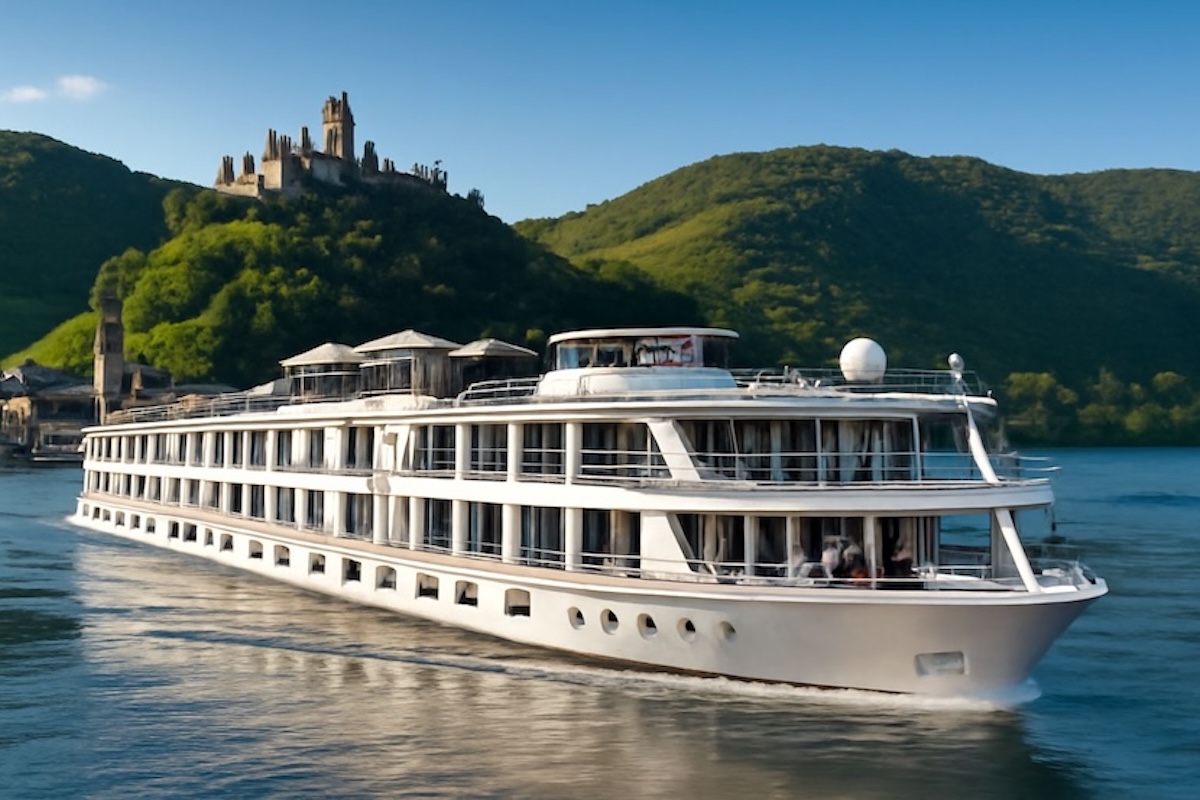
Amsterdam and more European destinations enter the spotlight as Viking Rota brings new charm to European river cruises. The arrival of Viking Rota creates fresh opportunities for travellers seeking scenic waterways, historic cities and unforgettable cultural experiences. Amsterdam and more riverside destinations now attract attention from holidaymakers planning immersive European river cruises. Moreover, Viking Rota connects the appeal of European river cruises with relaxing onboard experiences and exciting shore excursions. Travel And Tour World explores how Amsterdam and more destinations can inspire your next European adventure. Read the entire story to discover routes, travel highlights and essential planning tips.
Viking Rota River Cruise Guide 2026–2028: European Destinations, Five-Year Tourism Statistics, Itineraries and Travel Planning
Viking’s newest river vessel offers another way for international travellers to experience Europe’s historic cities, riverside villages, cultural landmarks and regional cuisines. Delivered on October 7, 2026, Viking Rota is a 190-guest river ship designed for itineraries along the Rhine, Main and Danube rivers. Its arrival is particularly relevant for travellers planning multi-country holidays, where transportation, accommodation and sightseeing can be combined into one organised journey.
Advertisement
Advertisement
The vessel is scheduled to operate several established itineraries, including Rhine Getaway, Grand European Tour, Danube Waltz, Tulips & Windmills, Christmas on the Rhine and Danube Christmas Delights. These routes connect travellers with different aspects of European life, from Dutch canals and German castles to Central European architecture and seasonal traditions.
For visitors comparing river cruise holidays for 2027 and 2028, the important considerations include route length, departure city, included excursions, seasonal conditions and opportunities to extend a cruise with independent sightseeing. Tourism statistics also help explain why these destinations remain attractive, although national hotel statistics should not be confused with river cruise passenger numbers.
Advertisement
Advertisement
Viking Rota at a Glance: Ship Specifications and Cruise Plans
Viking Rota belongs to the company’s Longships fleet, which uses Scandinavian-inspired interiors and layouts designed around river travel. The ship accommodates 190 guests in 95 staterooms, making it a comparatively intimate way to explore several destinations without repeatedly changing hotels.
Its square bow allows three full passenger decks, while the indoor-outdoor Aquavit Terrace provides a place to enjoy passing scenery. The asymmetric corridor design also enables two-room suites, offering additional space for travellers seeking a more spacious onboard stay.
Advertisement
Advertisement
| Ship and itinerary detail | Verified information |
|---|---|
| Vessel | Viking Rota |
| Delivery date | October 7, 2026 |
| Passenger capacity | 190 guests |
| Staterooms | 95 |
| Fleet classification | Viking Longships |
| Principal waterways | Rhine, Main and Danube |
| Rhine Getaway | 8 days; 6 guided tours; 4 countries |
| Grand European Tour | 15 days; 12 guided tours; 4 countries |
| Danube Waltz | 8 days; 6 guided tours; 4 countries |
| Tulips & Windmills | 10 days; 8 guided tours; 2 countries |
| Planned fleet deliveries | 18 additional river ships by 2028, according to Viking |
| Projected river fleet in 2028 | 114 ships, according to the company’s orderbook plans |
Source: Viking’s official ship page and October 2026 announcement. Itinerary specifications may vary by sailing, and fleet projections are plans rather than completed deliveries.
The different itinerary lengths make the ship relevant to several types of traveller. An eight-day sailing can fit into a shorter European holiday, while the 15-day Grand European Tour allows more time for a journey connecting the Rhine, Main and Danube waterways.
Advertisement
Advertisement
Prices, cabin availability, port schedules and inclusions depend on the selected departure. Travellers should confirm these details on the official itinerary page before arranging flights or accommodation.
All Viking Rota Itineraries and Destinations Travellers Can Explore
Viking’s official itinerary listings identify six principal journeys for Viking Rota. They cover different regions, travel durations and seasonal experiences. The following table separates confirmed itinerary information from individual destinations that travellers should verify for their departure.
| Itinerary | Duration | Guided tours | Countries | Main travel experience |
|---|---|---|---|---|
| Rhine Getaway | 8 days | 6 | 4 | Rhine scenery, German heritage, Alsatian culture |
| Grand European Tour | 15 days | 12 | 4 | Rhine, Main and Danube, historic Central European cities |
| Danube Waltz | 8 days | 6 | 4 | Bavarian towns, Austrian heritage and Danube scenery |
| Tulips & Windmills | 10 days | 8 | 2 | Dutch canals, windmills, Belgian architecture and spring flowers |
| Christmas on the Rhine | Check departure | Check departure | Check departure | Winter traditions and Christmas markets |
| Danube Christmas Delights | Check departure | Check departure | Check departure | Festive Central European cities and seasonal culture |
Source: Viking’s official ship listing. Exact duration, ports and tour availability should be checked against the selected sailing.
1. Amsterdam, Netherlands: Canals, Museums and Dutch Food
Amsterdam is an important starting and ending point for several Viking river itineraries. Its historic canal network, museums, traditional architecture and cycling culture make it worthwhile for travellers who want to explore before boarding.
Advertisement
Advertisement
The official Tulips & Windmills itinerary includes Amsterdam, followed by destinations such as Enkhuizen, Arnhem, Kinderdijk, Antwerp, Middelburg and Zeeland. The 10-day itinerary is listed with eight guided tours across two countries.
What to do: Explore the canal district, visit the Rijksmuseum, enjoy a canal boat trip and discover neighbourhood cafés. Travellers with additional time can explore the Museum Quarter and historic streets beyond the main tourist routes.
What to eat: Try stroopwafels, poffertjes and bitterballen. Local bakeries and traditional cafés provide convenient stops between sightseeing activities.
Travel advice: Arrive at least one day before embarkation. Amsterdam can become busy during spring and summer, so reserve timed museum visits in advance. Tulip displays depend on flowering conditions, and peak blooms are not guaranteed on every departure.
2. Kinderdijk, Netherlands: Historic Windmills and Water Management
Kinderdijk provides an opportunity to see the Netherlands’ historic relationship with water management. Its windmills and surrounding waterways create a distinctive countryside landscape away from Amsterdam’s urban setting.
The Kinderdijk windmill network is a UNESCO World Heritage property. It illustrates the engineering systems developed to manage water and protect low-lying land. Viking includes the destination in its Rhine Getaway and Tulips & Windmills itineraries.
Advertisement
Advertisement
What to do: Walk along designated paths, photograph the windmills and learn about Dutch water management. Allow enough time to explore the visitor facilities if the excursion schedule permits.
What to eat: Look for Dutch cheese, apple pastries and regional snacks in nearby towns.
Travel advice: Wear comfortable shoes and bring weather protection. The landscape is exposed, so wind and rain can affect the comfort of outdoor visits.
3. Cologne, Germany: Gothic Architecture and Riverside Culture
Cologne is one of the major cultural highlights of the Rhine route. Its cathedral dominates the historic centre, while the riverside promenade provides an attractive setting for walking and photography.
Viking’s Rhine Getaway itinerary lists Cologne among its scheduled destinations. The Grand European Tour also includes Cologne on its journey between the Netherlands and Central Europe.
What to do: Visit Cologne Cathedral, explore the Old Town and walk beside the Rhine. Travellers interested in local history can add a museum visit if sufficient time remains.
Advertisement
Advertisement
What to eat: Traditional options include Kölsch beer, regional sausages and hearty German dishes. Visitors who prefer non-alcoholic drinks can explore local bakeries and cafés.
Travel advice: Check the ship’s arrival and departure times before planning museum visits. Central attractions are convenient for a short port call, but distant excursions can require additional transport.
4. Koblenz and the Middle Rhine, Germany: Castles and Vineyard Landscapes
The Middle Rhine Valley is among the most scenic parts of a river cruise through Germany. Its landscape combines historic settlements, steep hillsides, vineyards and castles overlooking the water.
Koblenz is included in Viking’s Rhine Getaway and Grand European Tour itineraries. The Rhine Getaway also features scenic sailing through the Middle Rhine, offering views of the river corridor and its historic landmarks.
What to do: Explore Koblenz’s Old Town, visit the German Corner and enjoy the views during the river passage. Depending on the excursion, travellers may discover nearby castles or wine-producing communities.
What to eat: Regional dishes, baked goods and locally produced grape varieties are worth exploring where available.
Advertisement
Advertisement
Travel advice: Keep a camera ready during scenic sailing. The most memorable views may appear while the vessel is moving rather than during a formal shore excursion.
5. Vienna, Austria: Imperial Heritage, Music and Cafés
Vienna combines imperial architecture, classical music, museums and a distinctive café culture. It is especially suitable for travellers who want to balance sightseeing with food and cultural experiences.
Viking’s Grand European Tour includes Vienna, with time for exploring its landmarks and museums. The wider itinerary also connects the Austrian capital with destinations such as Melk and Budapest.
What to do: Explore Schönbrunn Palace, visit the historic centre and consider a classical music performance if your schedule permits. Coffeehouses offer an opportunity to slow down between attractions.
What to eat: Try Wiener schnitzel, Sachertorte and traditional Austrian pastries.
Travel advice: Consider spending an additional night in Vienna before or after a cruise if music, museums or palace visits are priorities. A short port call may not allow time for every major attraction.
Advertisement
Advertisement
6. Budapest, Hungary: Danube Views and Thermal Baths
Budapest is one of the principal destinations on Viking’s Danube and Grand European itineraries. The city combines historic architecture with river views, thermal bathing traditions and distinctive Hungarian cuisine.
Viking’s Grand European Tour includes Budapest and Vienna, while the Danube Waltz connects Budapest with Passau. The exact sequence depends on the selected departure direction.
What to do: Explore the Castle District, admire the Parliament building from the riverfront and visit a thermal bath. Travellers interested in photography should consider an evening walk along the Danube.
What to eat: Hungarian goulash, chicken paprikash and chimney cake are popular choices to investigate.
Travel advice: Check bathing facilities’ opening times and any advance booking requirements. Allow extra time for airport transfers if flying home on the day the cruise ends.
Five-Year European Tourism Statistics: 2020–2024
Tourism figures help illustrate the broader context for European river travel. However, there is an important distinction between overnight stays in accommodation and the number of people taking river cruises.
Advertisement
Advertisement
Eurostat reported that EU tourist accommodation recorded approximately 1.42 billion overnight stays in 2020, followed by 1.83 billion in 2021. The total reached around 2.75 billion in 2022 and 2.94 billion in 2023, before exceeding three billion in 2024. These figures cover the EU’s accommodation sector rather than Viking passengers specifically.
Table 1: EU tourist accommodation nights, 2020–2024
| Year | Overnight stays | Change from previous year | Tourism context |
|---|---|---|---|
| 2020 | 1.422 billion | — | Pandemic-related travel disruption |
| 2021 | 1.834 billion | +28.9% | Recovery from the 2020 low |
| 2022 | 2.755 billion | +50.2% | Major rebound in accommodation demand |
| 2023 | 2.943 billion | +6.8% | Tourism approached three billion nights |
| 2024 | 3.022 billion | +2.7% | Record level in the revised annual series |
Source: Eurostat’s annual tourist accommodation dataset and its 2024 tourism report. Values are rounded; growth rates are calculated from the displayed totals.
The five-year comparison demonstrates the scale of Europe’s tourism recovery. Between 2020 and 2024, the EU’s annual accommodation nights more than doubled. However, the figures should not be interpreted as a direct measure of river cruise demand because they include hotel stays, holiday accommodation and campsites.
For cruise travellers, these statistics provide useful background when considering destination popularity and planning accommodation before or after sailing.
Table 2: Vienna’s annual visitor accommodation nights, 2020–2024
Vienna offers a more destination-specific comparison. The city’s official statistics report the number of guest nights recorded in accommodation establishments. This is a useful measure of tourism activity, although it is not a count of unique visitors.
| Year | Guest nights | Change from previous year |
|---|---|---|
| 2020 | 4,590,272 | — |
| 2021 | 4,996,746 | +8.9% |
| 2022 | 13,204,666 | +164.3% |
| 2023 | 17,261,126 | +30.7% |
| 2024 | 18,864,964 | +9.3% |
Source: City of Vienna official statistics. Year-on-year changes are calculated from the reported annual figures.
Advertisement
Advertisement
Vienna’s accommodation figures show a pronounced recovery after the pandemic-affected period. In 2024, the city recorded approximately 18.86 million guest nights, exceeding its 2019 total of approximately 17.60 million.
The figures suggest that Vienna remains an important destination for international and domestic tourism. They do not establish how many visitors arrived on Viking vessels, nor do they prove that the delivery of Viking Rota will change the city’s tourism totals.
Table 3: How the tourism statistics should be interpreted
| Measure | What it tells travellers | What it does not establish |
|---|---|---|
| Accommodation nights | The scale of overnight tourism activity | The number of unique tourists |
| Annual visitor arrivals | The number of recorded arrivals under the source’s methodology | How many arrived by river cruise |
| Ship capacity | The maximum number of guests the ship is designed to accommodate | Actual passengers on any particular sailing |
| Number of guided tours | The itinerary’s advertised guided-tour count | The number of independent activities available |
| Fleet delivery plans | The operator’s stated future capacity intentions | Guaranteed delivery dates or future passenger demand |
Reliable travel reporting should keep these measurements separate. A ship’s passenger capacity is not the same as the number of passengers carried throughout a year, and city accommodation nights are not cruise passenger counts.
Detailed Travel Plan: How to Organise a Viking Rota Holiday
A successful river cruise begins before embarkation. The most practical approach is to match the itinerary with your interests, then add enough time to explore the departure or arrival city.
Suggested 10-day plan for the Tulips & Windmills itinerary
The following outline follows the published 2026 route structure. Confirm the itinerary for your specific sailing, as port calls and excursions may change.
| Day | Destination or activity | Recommended travel plan |
|---|---|---|
| 1 | Amsterdam | Embark, settle into the cabin and explore nearby canals if time allows |
| 2 | Amsterdam | Visit a museum, explore historic streets and sample Dutch food |
| 3 | IJsselmeer | Enjoy the scenery during the scheduled sailing |
| 4 | Arnhem | Explore parks, museums or World War II history |
| 5 | Kinderdijk | Visit the windmill landscape and learn about Dutch water management |
| 6 | Antwerp | Explore the Old Town, Grote Markt and historic architecture |
| 7 | Middelburg | Walk through the medieval centre and enjoy local cafés |
| 8 | Zeeland | Discover the region’s coastal scenery and local character |
| 9 | Amsterdam | Return to the departure city and enjoy additional sightseeing if available |
| 10 | Amsterdam | Disembark and begin onward travel, or extend the stay |
This plan is a route-based guide, not a guarantee of exact arrival times or independent excursion availability. The cruise operator’s daily programme should take precedence.
Advertisement
Advertisement
Practical preparation checklist
- Flights: Arrive at least one day before embarkation to reduce the risk of missing departure.
- Accommodation: Consider a centrally located hotel if you plan to explore Amsterdam or Budapest before sailing.
- Visas: Check the official immigration requirements for your nationality and all countries on the route.
- Insurance: Confirm that your policy covers the full trip, including cruise travel and medical emergencies.
- Clothing: Pack layers and waterproof outerwear for changeable European weather.
- Excursions: Prioritise attractions that are difficult to visit independently during a short port call.
- Accessibility: Ask the cruise company about walking distances, steps and mobility arrangements before booking.
- Budget: Check whether transfers, optional tours, drinks and pre- or post-cruise hotels are included in your chosen fare.
Best Time to Travel on Viking Rota
The ideal travel season depends on the experience you want.
Spring is attractive for Dutch flower landscapes, particularly for the Tulips & Windmills itinerary. Blooming conditions vary annually, so travellers should avoid relying on a precise flowering date.
Summer offers longer daylight hours for sightseeing and scenic sailing. Popular destinations can be busy, making advance planning helpful for museums and independent excursions.
Autumn can appeal to visitors interested in vineyard landscapes, historic towns and a quieter seasonal atmosphere. Weather conditions can change quickly, so flexible outdoor plans are advisable.
Winter is the natural choice for Christmas-themed voyages. Visitors can experience seasonal decorations and festive traditions, but should prepare for colder temperatures and shorter days.
What Viking Rota Means for European River Cruise Travellers
Viking Rota’s delivery adds another vessel to Viking’s European river operations. Its 190-guest capacity and planned itineraries offer travellers several ways to experience European waterways, from an eight-day Rhine or Danube journey to a 15-day Grand European Tour.
Advertisement
Advertisement
The wider tourism statistics provide useful context. EU accommodation nights exceeded three billion in 2024, while Vienna recorded almost 18.9 million guest nights that year. These figures demonstrate the scale of European tourism, but they should not be presented as evidence of Viking-specific demand.
For travellers, the strongest reason to consider Viking Rota is the opportunity to combine river scenery, cultural landmarks and multiple destinations within one organised holiday. The best choice will depend on the itinerary, season, available shore excursions and time needed to explore independently.
Before booking, compare the official sailing details and check travel documents through relevant government websites. With careful preparation, a river cruise can become a convenient and rewarding way to discover Europe’s cities, landscapes and regional traditions.
Conclusion
In conclusion, Amsterdam and more European destinations enter the spotlight as Viking Rota brings fresh appeal to river cruising across the Rhine, Main and Danube. From historic German towns to Vienna’s imperial landmarks and Budapest’s stunning riverside scenery, travellers can experience Europe through memorable cultural encounters and scenic journeys. Moreover, carefully selecting itineraries, travel seasons and shore excursions can make every holiday more rewarding. As Viking Rota joins the fleet, global travellers have another opportunity to discover Europe at a relaxed pace. Travel And Tour World encourages readers to explore the available routes and plan an unforgettable European river cruise adventure.
Advertisement
