

Swiss Passport Ranking 2026 Shows Strong Global Travel Access Despite European Competition

Published
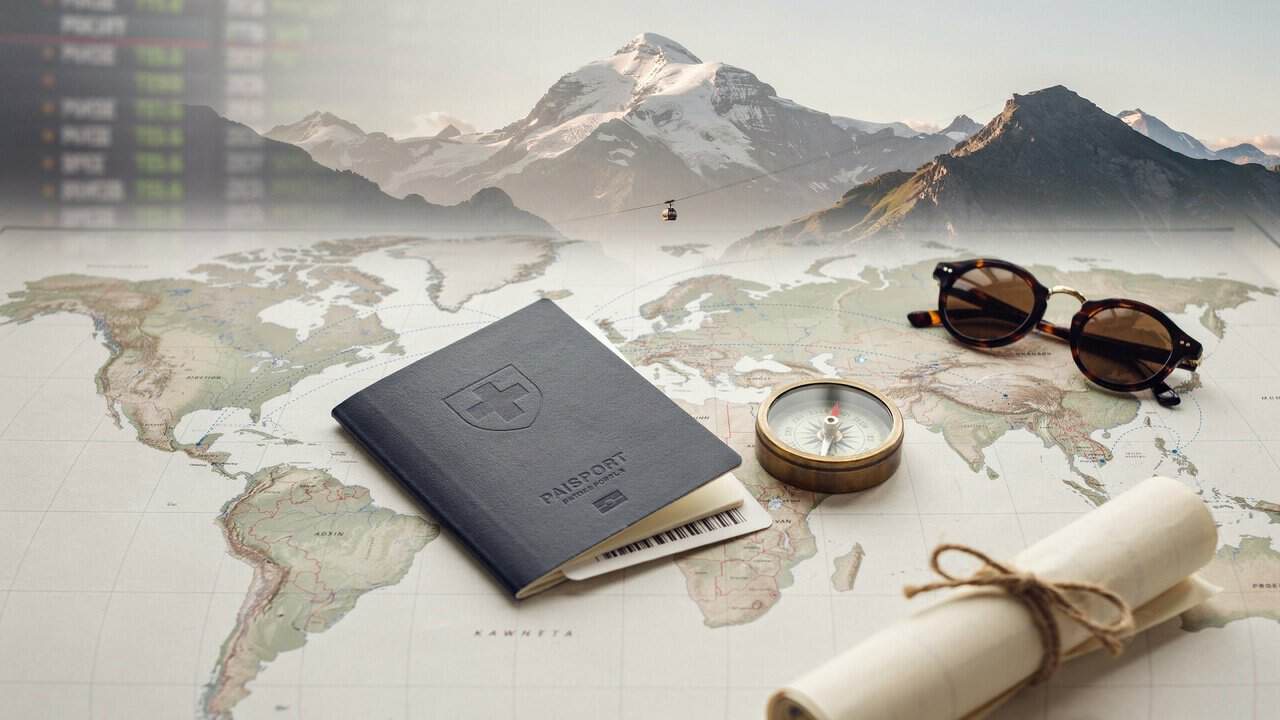
The Swiss passport ranking for 2026 shows that Switzerland is still one of the travel documents in the world. It gives citizens a lot of freedom to travel and enter countries easily. Recent studies of passports around the world show that Switzerland is still very strong. However some of its neighbours in Europe have also done well. Are just as strong or even stronger. The power of the passport comes from many years of good relationships with other countries. It also comes from agreements made with nations a strong economy and being connected to the rest of the world. For people who travel and for businesses the passport is still very important. It helps with moving across borders, travelling and working with countries, in a world that is getting more and more connected.
Swiss Passport Ranking 2026 Highlights Strong Global Mobility as European Neighbours Close the Gap
Switzerland continues to maintain one of the world’s most valuable passports in 2026, with international mobility remaining a key advantage for Swiss citizens travelling for tourism, business, education, and personal reasons. The latest passport mobility rankings place Switzerland among the leading nations globally, showing strong access to international destinations without requiring a traditional visa before departure.
Advertisement
Advertisement
The Swiss passport ranking 2026 has attracted attention because of Switzerland’s position within a highly competitive European landscape. Several European countries have achieved similarly strong passport access, creating a closely grouped upper tier where small differences in destination access can influence rankings.
Passport strength is increasingly linked with global travel convenience. A stronger passport can reduce administrative barriers, support international tourism flows, and improve opportunities for business travellers, students, and professionals moving across borders.
Advertisement
Advertisement
Understanding the Swiss Passport Ranking 2026 and Global Mobility
Passport rankings measure how easily citizens can travel internationally based on the number of destinations accessible without obtaining a prior visa. The Henley Passport Index, one of the most recognised global passport mobility indexes, ranks passports according to access to destinations using international travel data. It covers 199 passports and 227 travel destinations and is updated regularly.
The ranking does not represent an official government classification. Instead, it provides an analytical comparison of global travel access. Governments generally determine visa policies through diplomatic agreements, security assessments, immigration regulations, and international cooperation.
Advertisement
Advertisement
For Switzerland, strong passport mobility is connected with its international position as a European financial centre, a member of the European Free Trade Association (EFTA), and a country with extensive bilateral relationships.
The country’s passport provides citizens with access to numerous destinations through visa exemptions, visa-on-arrival arrangements, and electronic travel authorisations, depending on destination rules.
Switzerland Remains Among World’s Most Travel-Friendly Countries
The continued strength of the Swiss passport demonstrates Switzerland’s long-standing global connectivity. Swiss citizens benefit from broad international links supported by the country’s economic importance, diplomatic engagement, and close relationship with European and international partners.
Switzerland’s location in the centre of Europe also contributes to high levels of international movement. The country shares borders with France, Germany, Italy, Austria, and Liechtenstein, creating strong regional travel connections.
For tourism, passport strength can influence outbound travel behaviour. Easier international access allows Swiss travellers to explore more destinations with fewer visa-related procedures. This supports international tourism markets, airline demand, hospitality businesses, and cross-border travel services.
The impact extends beyond leisure travel. Swiss companies operate globally, and employees frequently travel for meetings, conferences, investment activities, and international projects. A highly mobile passport can help reduce administrative preparation for many journeys.
Advertisement
Advertisement
European Passport Competition Continues to Intensify
The latest passport rankings show that Europe remains one of the strongest regions for global mobility. Countries including Switzerland and several European Union members continue to compete closely at the top of international passport indexes.
This competitive environment reflects decades of regional cooperation, diplomatic agreements, and economic partnerships. European citizens often benefit from extensive travel rights within Europe and strong visa arrangements with countries around the world.
Neighbouring countries such as Germany, Austria, France, Italy, and other European nations frequently appear among the highest-ranked passports globally. Differences between these passports are often measured by only a small number of destinations.
For travellers, this means the practical difference between highly ranked passports can be limited. Many leading passports already provide extensive access across major tourism markets, including Europe, Asia-Pacific, North America, and other international regions.
Swiss Tourism and Business Benefits From Strong Passport Access
A strong Swiss passport ranking 2026 position has relevance beyond individual travellers. International mobility supports Switzerland’s connection with global tourism networks and business ecosystems.
Swiss residents frequently travel internationally for holidays, cultural experiences, luxury tourism, outdoor adventures, and business activities. The ability to travel with fewer visa requirements can make trip planning easier and encourage spontaneous travel decisions.
Advertisement
Advertisement
The tourism industry benefits when travellers can access more destinations efficiently. Airlines, travel agencies, accommodation providers, and tourism operators all depend on international mobility patterns.
Switzerland itself is also a major destination for international visitors. The country attracts travellers with Alpine landscapes, winter sports, cultural heritage, luxury hospitality, and major cities including Zurich, Geneva, Basel, and Bern.
The relationship between passport strength and tourism is interconnected. Countries with strong international mobility often have citizens who participate actively in global travel markets while also welcoming international visitors.
Diplomatic Relations and International Agreements Support Mobility
Passport access is influenced by international cooperation between governments. Visa policies are usually based on diplomatic relations, security standards, economic partnerships, and agreements between countries.
Switzerland’s international approach has supported extensive cooperation with countries worldwide. As an EFTA member and through bilateral agreements with the European Union, Switzerland maintains close economic and mobility relationships across Europe. Wikipedia
The country’s neutrality and diplomatic role have also contributed to its international engagement. Switzerland hosts numerous international organisations and diplomatic institutions, strengthening its global connections.
Advertisement
Advertisement
However, passport rankings can change over time as governments update visa policies, introduce electronic travel systems, or adjust entry requirements.
What Strong Passport Access Means for Swiss Travellers
For Swiss travellers, a powerful passport can provide several practical advantages:
- Easier holiday planning
- Reduced visa application requirements
- Lower preparation time before international trips
- Greater flexibility for business travel
- Improved access to international education and professional opportunities
Modern travel increasingly depends on digital systems. Many countries now use electronic travel authorisations rather than traditional visa applications. These systems continue changing how passport mobility is measured.
Travellers must still check official immigration requirements before departure because entry conditions can vary depending on nationality, travel purpose, length of stay, and current regulations.
A strong passport does not automatically guarantee entry. Border authorities retain the authority to apply immigration rules, security checks, and entry conditions.
Global Passport Trends Shape Future Travel
The evolution of passport rankings reflects wider changes in global travel. Countries continue negotiating new agreements, improving digital border systems, and strengthening international cooperation.
Advertisement
Advertisement
The strongest passports in the world generally belong to countries with stable diplomatic networks and extensive international relationships.
At the same time, global mobility remains uneven. While some citizens enjoy access to a large number of destinations, others face significant visa barriers.
This difference influences tourism participation, international education opportunities, employment mobility, and economic connections.
For Switzerland, maintaining strong passport access remains important as global travel becomes more competitive and digitally connected.
Future Outlook for Switzerland’s Global Travel Position
The future of the Swiss passport ranking 2026 and beyond will depend on changing international agreements, visa policies, and global mobility trends.
Switzerland’s established diplomatic relationships and economic partnerships provide a strong foundation for continued travel access.
Advertisement
Advertisement
However, passport rankings are dynamic. Changes by individual governments can quickly affect destination access and alter global positions.
For travellers, the most important factor remains practical mobility. A passport’s value is measured not only by ranking position but also by the opportunities it creates for international exploration, business connections, and cultural exchange.
Switzerland’s continued presence among the world’s leading passports demonstrates the importance of global cooperation in shaping modern travel.
Swiss Passport Mobility and the Future of International Travel
The importance of the Swiss passport ranking 2026 extends beyond a simple position on a global list. Passport strength has become an indicator of how countries participate in an interconnected world where tourism, trade, education, and professional opportunities increasingly depend on cross-border movement.
For Switzerland, maintaining strong international mobility supports both citizens and the wider economy. The country has a highly internationalised economy, with businesses operating across multiple continents and industries including finance, pharmaceuticals, technology, manufacturing, and tourism.
A passport that provides broad travel access can help individuals respond quickly to international opportunities. Whether travelling for conferences, investment discussions, research cooperation, or cultural exchange, reduced visa barriers can improve efficiency.
Advertisement
Advertisement
The global travel environment is also changing rapidly. Digital border systems, electronic travel authorisations, biometric passports, and updated immigration procedures are transforming how countries manage international arrivals.
Switzerland, like many countries, continues adapting to these developments while maintaining security standards and facilitating legitimate travel.
The Role of Digital Travel Systems in Passport Access
The future of global passport mobility will increasingly depend on digitalisation. Governments worldwide are introducing electronic systems designed to improve border management and passenger processing.
Many destinations have moved away from traditional paper-based visa processes and now use online applications, digital permits, or automated border systems.
These developments are changing how travellers experience international journeys. Even citizens with highly ranked passports must increasingly complete digital requirements before entering certain destinations.
For Swiss travellers, strong passport access combined with modern travel technology creates greater convenience. However, travellers must continue checking official government entry rules before departure.
Advertisement
Advertisement
International organisations and national governments continue developing digital travel frameworks to balance security, efficiency, and passenger convenience.
Switzerland’s Position Within European Travel Networks
Switzerland’s passport strength is closely connected with its position in Europe. Although it is not a member of the European Union, Switzerland maintains extensive agreements with the EU and participates in several European cooperation frameworks.
This relationship supports significant movement of people, goods, and services across the continent.
European tourism depends heavily on regional connectivity. Short distances, strong transport networks, and cooperation between countries encourage frequent movement for leisure and business purposes.
For international visitors, Switzerland’s location provides access to major European tourism routes. Travellers visiting Switzerland often combine trips with neighbouring destinations, including France, Germany, Italy, Austria, and Liechtenstein.
The country’s central European location strengthens its role as both a destination and a gateway.
Advertisement
Advertisement
Economic Impact of Strong International Mobility
The Swiss passport ranking 2026 also reflects broader economic advantages associated with international accessibility.
Tourism is an important part of Switzerland’s economy. The country attracts visitors throughout the year through Alpine tourism, winter sports, outdoor experiences, cultural attractions, and luxury hospitality.
Outbound travel also contributes to global tourism markets. Swiss travellers represent a valuable visitor segment for destinations worldwide due to strong purchasing power and high international travel participation.
Beyond tourism, mobility supports international business activities. Companies depend on employees travelling efficiently between offices, clients, suppliers, and global markets.
International mobility can therefore influence economic relationships and strengthen connections between countries.
Challenges Affecting Future Passport Rankings
Although Switzerland remains among the countries with strong passport access, global rankings can change because of several factors.
Advertisement
Advertisement
Visa agreements are influenced by:
- International diplomatic relations
- Security considerations
- Immigration policies
- Bilateral agreements
- Global economic conditions
- Changes in border management systems
A passport ranking reflects current access conditions, not a permanent status.
Countries continuously update entry requirements. Some introduce visa-free access, while others implement additional checks or digital authorisation systems.
As international travel becomes more complex, passport rankings may continue shifting as governments balance openness with border security.
Why Passport Strength Matters for Tourism Industry Growth
The connection between passport mobility and tourism growth is increasingly significant.
Travel companies monitor mobility trends because easier international movement can influence destination demand. Airlines, hotels, cruise operators, and tour companies consider traveller accessibility when developing new products and services.
Advertisement
Advertisement
A country with a strong passport population can generate greater outbound tourism demand. This creates opportunities for destinations seeking visitors from markets with high travel capacity.
For Switzerland, the combination of strong mobility, economic stability, and international connectivity makes Swiss travellers an important segment of the global tourism market.
At the same time, Switzerland’s own tourism sector benefits from welcoming visitors from around the world.
Official Travel Guidance Remains Essential
Despite strong passport rankings, travellers should always rely on official government information before international journeys.
Entry rules can differ based on:
- Destination country
- Purpose of travel
- Duration of stay
- Passport validity
- Health requirements
- Local immigration regulations
The Swiss government provides official travel advice through its Federal Department of Foreign Affairs, helping citizens understand international travel conditions and safety information.
Advertisement
Advertisement
Passport rankings provide a broad comparison, but official immigration authorities remain the final source for entry requirements.
Future Outlook for the Swiss Passport Ranking 2026
The Swiss passport ranking 2026 demonstrates Switzerland’s continued role among countries offering high levels of international travel access.
While several European countries compete closely in global mobility comparisons, Switzerland continues benefiting from strong diplomatic links, international cooperation, and economic relationships.
Future changes will depend on evolving visa policies, technological developments, and international agreements.
For travellers, passport strength remains an important factor in planning international journeys. It influences convenience, flexibility, and access to global experiences.
As international travel continues evolving, Switzerland’s passport is expected to remain an important symbol of global connectivity and mobility.
Conclusion
The Swiss passport ranking for 2026 shows that Switzerland is still a connected country when it comes to travelling around the world. Good relationships with countries, strong economic ties and many agreements about moving people easily help Swiss people travel more freely. Even though many European countries are all trying to be the best in passport rankings Switzerland is still a country when it comes to moving people internationally. The importance of a passport is not about the number, on the ranking. It affects tourism, business trips studying in countries and sharing culture. As borders and visa systems change more and more Switzerlands ability to connect with countries will keep being a big advantage for travelers who want to go places quickly and safely.
Advertisement
