Image generated with Ai
Europe is entering a powerful new tourism era as Amsterdam teams up with Venice, Barcelona, Dubrovnik and other overcrowded European hotspots to launch a historic tourism revolution. As millions of travellers continue visiting these world-famous destinations, city leaders are introducing drastic visitor caps, stronger crowd management systems and sky-high city taxes to protect their cultural treasures. Moreover, these European tourism giants are changing the way the world understands travel by focusing on sustainability instead of unlimited growth. The biggest tourism revolution ever is now reshaping popular hotspots across Europe. From Amsterdam’s strict tourism measures to Venice’s visitor fees, Barcelona’s new controls and Dubrovnik’s heritage protection plans, these overcrowded destinations are taking bold steps to create a smarter future for global travellers.
Amsterdam has become one of Europe’s strongest examples of a city taking aggressive action against excessive tourism pressure. The Dutch capital has enjoyed global popularity for decades because of its canals, museums, cultural attractions and historic neighbourhoods. However, the city has also experienced growing challenges linked to large visitor numbers.
The city is now using taxation and tourism management tools to control the impact of tourism. Amsterdam applies one of Europe’s highest accommodation tourism taxes. Visitors staying in hotels and other registered accommodation pay a tourism tax calculated as a percentage of the overnight stay cost.
In 2026, Amsterdam continues applying a tourist tax rate based on 12.5 per cent of the accommodation price excluding VAT. This system ensures that visitors contribute financially towards the cost of maintaining public spaces, infrastructure and city services.
Advertisement
Advertisement
The Netherlands has also increased the VAT applied to hotel accommodation from 9 per cent to 21 per cent from January 2026. As a result, travellers visiting Amsterdam are facing higher accommodation costs compared with previous years.
The city believes tourism should support residents rather than create pressure on everyday life. Amsterdam is also examining additional measures to reduce overcrowding in popular areas. Authorities have focused on improving visitor distribution, reducing pressure on residential neighbourhoods and controlling tourism activities that create excessive concentration.
Cruise tourism has also become a major discussion point. Large numbers of short-stay visitors can create intense pressure on city centres without generating the same economic benefits as longer-stay travellers.
Amsterdam’s approach represents a wider European trend. The city is moving towards a tourism model that attracts responsible visitors who stay longer, spend more and respect local communities.
Venice has become one of the strongest symbols of overtourism in the world. The Italian city attracts millions of visitors every year because of its canals, historic buildings and unique cultural identity. However, its fragile environment makes it extremely vulnerable to overcrowding.
The narrow streets, small islands and historic structures cannot easily handle unlimited visitor growth. During busy periods, large crowds can create serious challenges for residents and damage the visitor experience.
To address this issue, Venice introduced the Venice Access Fee system. The programme targets day visitors entering the historic centre on selected high-demand dates.
The access fee requires eligible day visitors to pay a charge before entering the city. The standard fee is €5 when paid in advance, while late payment can increase the cost to €10.
The purpose of this system is not to block tourism. Venice remains open to travellers from around the world. Instead, the city wants visitors to plan their trips better and reduce extreme crowd levels during the busiest periods.
The measure focuses mainly on day-trippers because overnight visitors already contribute through accommodation taxes.
Venice’s strategy highlights an important change in European tourism thinking. City authorities are no longer only measuring success through visitor numbers. They are looking at how tourism affects local life, heritage protection and long-term sustainability.
The city is also exploring more flexible pricing systems that could adjust according to demand. During extremely busy days, higher charges could encourage visitors to choose alternative travel dates.
Venice’s message is clear. Tourism remains welcome, but uncontrolled tourism is no longer sustainable.
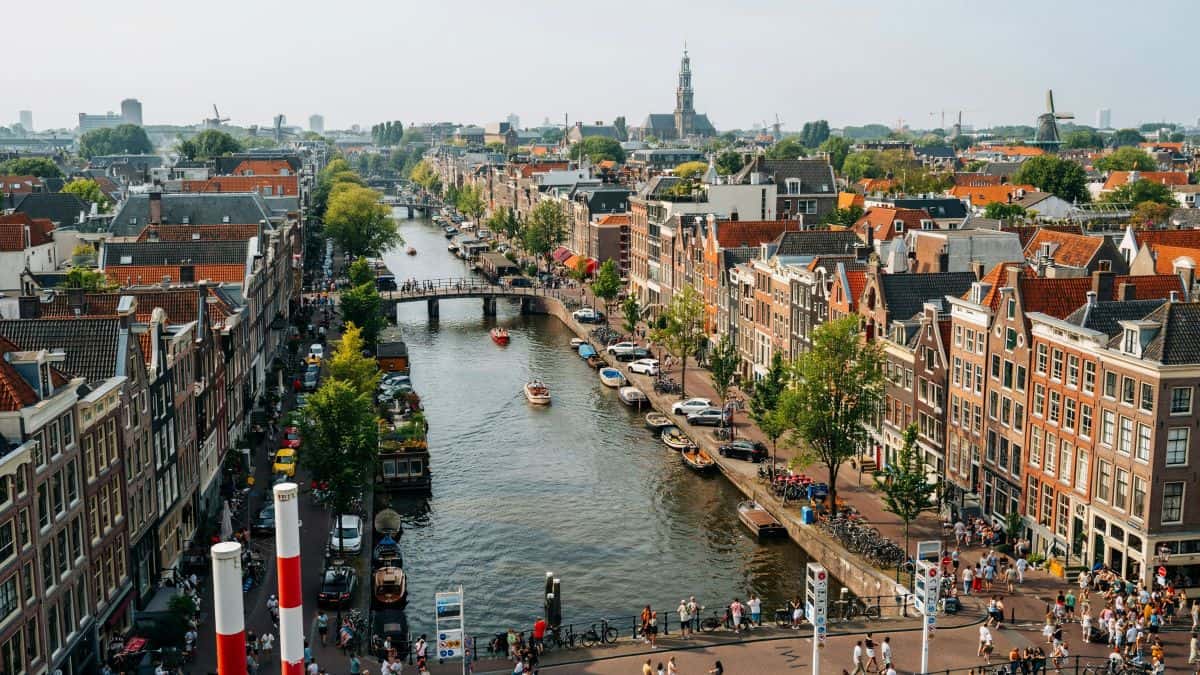
Image generated with Ai
Barcelona continues to attract millions of international travellers every year with its architecture, beaches, culture and famous landmarks. The Spanish city remains one of Europe’s leading tourism destinations. However, rapid visitor growth has also created major concerns among residents.
Rising housing costs, crowded public spaces and pressure on city infrastructure have pushed Barcelona to introduce stronger tourism controls.
The city has supported increases in tourism taxation to ensure visitors contribute more towards managing tourism impacts. The additional revenue can help improve public services, maintain attractions and support local communities affected by heavy visitor flows.
Cruise tourism has become one of the biggest areas of attention. Barcelona is one of Europe’s busiest cruise ports, welcoming thousands of passengers who often visit only for a few hours.
While cruise visitors contribute to the economy, city officials have raised concerns about the pressure created by large numbers of short-term visitors arriving at the same time.
Barcelona has considered significantly increasing charges for cruise passengers, especially those who spend less than a full day in the city. The aim is to ensure high-impact tourism activities contribute fairly towards city management costs.
The city is also working on wider tourism strategies. These include controlling short-term accommodation growth, reducing pressure on popular neighbourhoods and spreading visitors across different areas.
Barcelona’s future tourism vision focuses on balance. The city wants visitors to experience its culture while ensuring residents can continue enjoying their own city.
The message from Barcelona is becoming stronger: tourism must create value, not only volume.
Dubrovnik in Croatia has become another important example of a destination fighting tourism pressure while protecting its cultural identity.
Known as the “Pearl of the Adriatic”, Dubrovnik attracts visitors with its medieval walls, historic streets and coastal beauty. The city’s Old Town is recognised as a UNESCO World Heritage Site because of its outstanding historical importance.
However, the popularity of Dubrovnik has created challenges. Large numbers of visitors, especially cruise passengers arriving during peak periods, can overwhelm the historic centre.
Unlike Venice, Dubrovnik has not introduced a universal visitor entry fee. Instead, the city has focused on managing visitor flows through planning, cooperation and operational controls.
Authorities have worked to better organise cruise arrivals, reduce crowd concentration and protect important heritage areas.
The city’s approach focuses on spreading visitor numbers throughout the day and encouraging more sustainable travel patterns.
Dubrovnik understands that tourism is essential for its economy. At the same time, protecting its historic identity is critical for future generations.
The destination is moving towards a model where visitors can enjoy the city without damaging the very attractions that make it famous.
The actions taken by Amsterdam, Venice, Barcelona and Dubrovnik represent a major transformation in European tourism.
For many years, destinations measured tourism success through increasing visitor arrivals, hotel bookings and cruise numbers. More visitors meant more economic activity.
However, the reality has changed.
Many popular cities now face challenges caused by excessive tourism growth. These include overcrowded streets, environmental pressure, rising living costs and concerns from local residents.
As a result, governments and city authorities are introducing new solutions.
Tourism taxes are becoming one of the most popular tools. These funds help cities manage the cost of tourism by supporting:
At the same time, destinations are introducing smarter systems to improve visitor experiences.
The focus is changing from mass tourism to meaningful tourism.
Cities want travellers who stay longer, explore responsibly and contribute more to the local economy.
This shift does not mean Europe is closing its doors. Instead, Europe is creating a new tourism model designed for the future. Image generated with Ai
The tourism policies introduced by Amsterdam, Venice, Barcelona and Dubrovnik show that Europe’s most famous destinations are entering a new chapter.
The era of unlimited visitor growth is slowly disappearing. The future belongs to carefully managed tourism that protects communities, culture and the environment.
Travellers visiting these destinations in 2026 and beyond should expect more planning requirements, higher tourism contributions and stronger visitor management systems.
These changes may increase travel costs in some cases, but they are designed to protect the experiences that make these cities unique.
Amsterdam wants to protect its neighbourhoods. Venice wants to preserve its fragile islands. Barcelona wants tourism growth that benefits residents. Dubrovnik wants to protect its historic heart.
Together, these destinations are creating a powerful message for the global travel industry.
The future of tourism will not be measured only by how many people visit. It will be measured by how responsibly people travel and how successfully destinations protect their treasures for generations to come.
Advertisement
Tags: 2026 travel regulations, Amsterdam tourism restrictions 2026, Barcelona tourism tax increase, Dubrovnik visitor management, Europe Overtourism Crisis
Advertisement
Advertisement













Friday, September 4, 2026

Friday, September 4, 2026

Friday, September 4, 2026

Thursday, September 3, 2026

Wednesday, September 2, 2026

Friday, September 4, 2026

Friday, September 4, 2026