
Passengers Left Stranded at Toronto Pearson International Airport as Air Canada, WestJet, Flair, Delta, and Lufthansa Face 130 Delays and 11 Cancellations Across Vancouver, New York, London, and More

Published
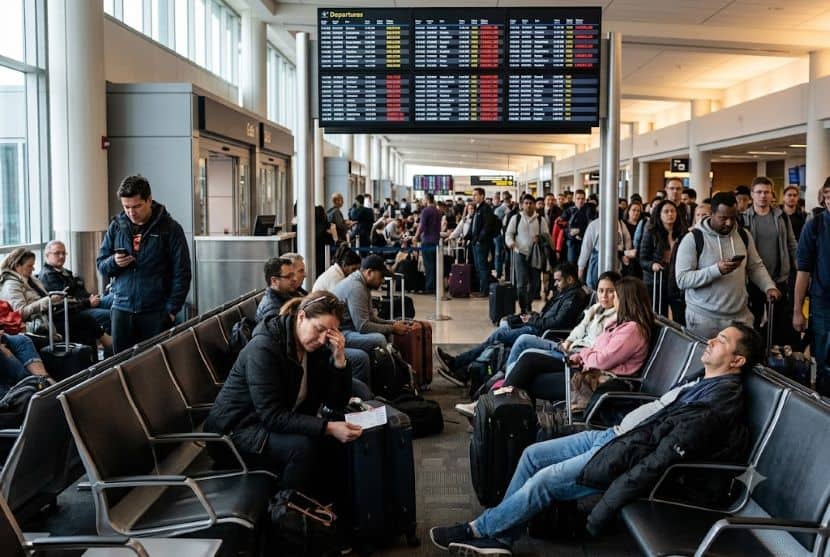
Numerous operational delays affected Canada’s largest flight hub today as Toronto Pearson International Airport (YYZ) reported 130 flight delays and 11 flight cancellations. A wave of flight disruptions subsequently left thousands if not millions of passengers stuck, revealing weaknesses in several Canadian domestic carriers and numerous small travel-increasing airlines, during one of Canada’s busiest travel seasons.
FlightAware, an aviation tracking service, reported that the majority of disrupted operations in the Canadian flight network, most severely disrupted segments, were covered by Air Canada and its subsidiary airlines. The biggest traffic jam in the airport was recorded by Air Canada, while significant portions of disruptions were reported by both Jazz (operating as Air Canada Express) and Air Canada Rouge, big regional carriers.
Breakdown: The Worst Hit Airlines
The structural breakdown of today’s aviation issues reveals that local network infrastructure took the hardest hit, though international long-haul operators also experienced minor scheduling drag.
| Airline | Cancellations (#) | Cancellations (%) | Delays (#) | Delays (%) |
| Air Canada | 7 | 2% | 39 | 12% |
| Air Canada Rouge | 2 | 2% | 14 | 14% |
| Flair Airlines | 1 | 2% | 4 | 52% |
| Jazz (Air Canada Express) | 1 | 0% | 14 | 11% |
While lower-cost and specialized operators like Flair Airlines managed to keep absolute cancellations to a minimum, a staggering 52% of Flair’s scheduled departures suffered significant delays. Major international legacy brands—including Lufthansa, KLM, Delta Air Lines, and Air France—avoided full cancellations entirely but logged localized flight delays ranging between 7% and 33% of their daily Pearson schedules.
Advertisement
Advertisement
Passengers Affected Across Terminals
The operational bottleneck across Terminals 1 and 3 has directly upended travel plans for thousands of passengers. Missed connecting flights inside Pearson’s international transit corridors have sparked immense terminal congestion, forcing travellers into lengthy rebooking lines.
Advertisement
Advertisement
Under the Canadian Transportation Agency’s (CTA) Air Passenger Protection Regulations (APPR), passengers facing severe delays or outright cancellations are entitled to specific safety nets, including timely rerouting, food and beverage vouchers, and overnight accommodation if the delays extend into the next calendar day. However, travelers are urged to verify whether the root cause of these disruptions stems from uncontrollable logistical factors or direct airline administrative decisions to gauge eligibility for financial compensation.
Guide for travellers
Confirm Real-Time Flight Status Early: Do not rely on original itineraries. Before leaving for the airport, cross-reference your flight’s status directly via the official Toronto Pearson (YYZ) live tracker or your airline’s mobile app to catch delays before commuting.
Advertisement
Advertisement
Document Everything for APPR Claims: If your flight is delayed by over 3 hours or cancelled, keep digital records of all communications from the airline. Under the Canadian Transportation Agency (CTA) regulations, these records are crucial for claiming compensation, meal vouchers, or hotel accommodations.
Leverage Digital Self-Service Tools: Avoid peak customer service lines at the terminal if your flight is dropped. You can often secure faster rebooking options by using the airline’s mobile app, checking in with their official social media support channels, or calling international customer service lines.
Advertisement
Advertisement
Know Your Baggage Rights: If your flight is delayed or rerouted, ensure your checked baggage tags match your new destination. Under government-mandated passenger rights, if your luggage is delayed or lost due to these disruptions, you are entitled to reimbursement for interim essential purchases.
Ripple Effects on Ontario’s Tourism and Hospitality
The high concentration of delays at Canada’s most critical tourism gateway has a direct, detrimental impact on the wider Ontario economy. Because Toronto Pearson processes roughly one-third of all Canadian air traffic, delays here quickly cascade into regional hospitality shortfalls.
The high volume of flight disruptions at Toronto Pearson International Airport triggers a damaging ripple effect across Canada’s visitor economy. As the country’s primary international gateway, processing over a third of all Canadian air traffic, delays here immediately derail regional itineraries.
Cancelled arrivals lead to a sudden drop in hotel occupancy, missed restaurant reservations, and decreased attendance at major conventions or cultural attractions throughout the Greater Toronto Area. Furthermore, when domestic feeder routes suffer delays, remote eco-tourism destinations and northern communities rely heavily on seasonal spending experience immediate, unrecoverable revenue losses during peak travel windows.
Conclusion: Systemic Strain Demands Recovery
The 141 flight disruptions at Toronto Pearson we see today show how breakable air travel can be at the busiest times of the year. This happens with summer traffic. Air travel will probably take a few days to return to full functionality as airlines fight to put lost flight crews and scattered planes into their proper positions. If you are traveling to YYZ, you need to check real time flight status either through the Government of Canada transportation websites or your airline’s website before heading to the airport.
Advertisement
Advertisement
Authors Observation: All information is manually obtained from FlightAware’s official website, and all operations are subject to change based on real-time updates. In order to maintain safety, airlines actively modify schedules and itineraries. In order to get to their destinations safely, passengers are asked not to panic in such situations and to look for alternate travel choices. Relying on real-time updates, reviewing airline rebooking restrictions, and maintaining flexibility with travel plans are all highly recommended.
Source: Flightaware
Advertisement
