
UAE Aviation Crisis Deepens as Emirates, Etihad Airways and flydubai Battle Iran, Iraq and Lebanon Airspace Restrictions While Global Airlines Suspend Gulf Flights Through 2026 Summer Travel Rush

Published
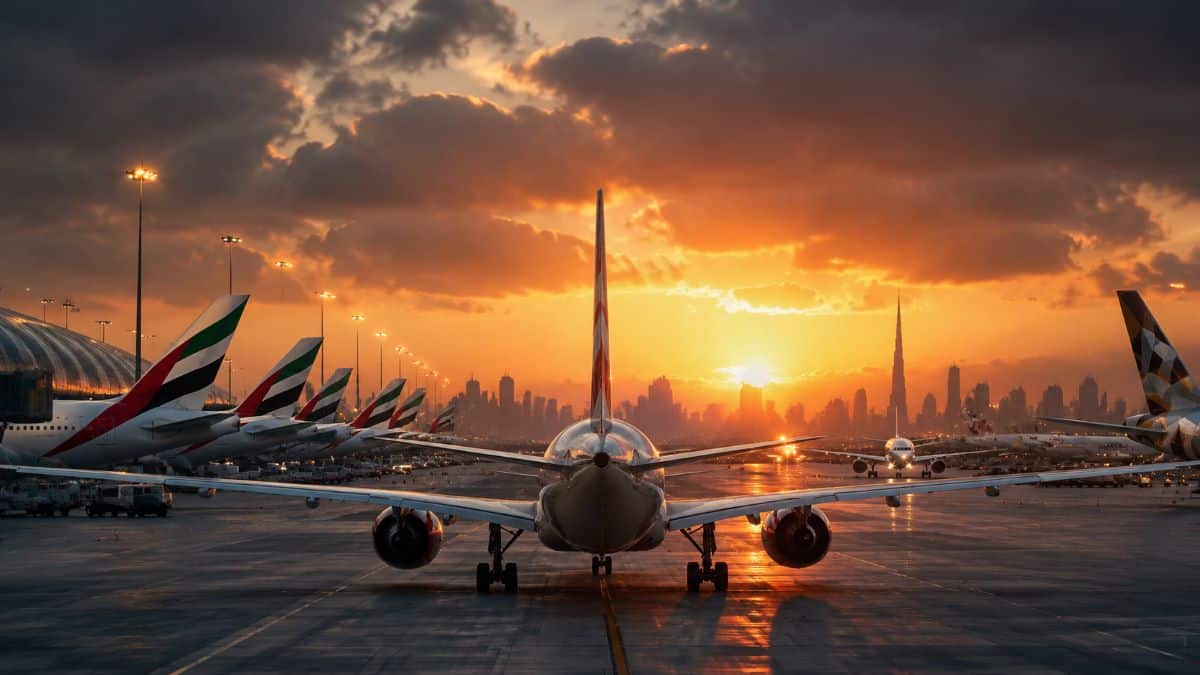
Image generated with Ai
Emirates, Etihad Airways and flydubai are continuing to operate from the UAE despite growing pressure from Middle East airspace restrictions, regional security concerns and widespread international airline schedule changes affecting global travellers in the peak summer travel season. Dubai International Airport and Zayed International Airport in Abu Dhabi remain open and operational, continuing to serve as major international aviation gateways connecting Europe, Asia, Africa, North America and the Middle East. However, airlines are facing a complicated operating environment as restrictions over Iran, Iraq and Lebanon force aircraft to take longer routes, consume additional fuel and operate with reduced schedule flexibility.
The current situation has not resulted in a complete shutdown of UAE aviation. Instead, airlines are adopting a controlled operational approach involving selective flight cancellations, schedule adjustments, aircraft rerouting and reduced capacity management. While UAE-based carriers are working to protect their networks, several international airlines have chosen a more cautious strategy by suspending services to Gulf destinations for extended periods.
The aviation landscape in the Middle East is now divided into two major categories:
- Home-base Gulf carriers, including Emirates, Etihad Airways and flydubai, which are maintaining operations while adapting schedules.
- International airlines, including several European, Asian and North American carriers, which have reduced capacity or suspended routes until later in 2026.
The result is a major transformation of global air connectivity during one of the busiest travel periods of the year.
Advertisement
Advertisement
UAE Airports Remain Open as Airlines Manage New Regional Flight Challenges
Dubai International Airport and Zayed International Airport continue operating as key aviation hubs despite the changing regional environment. The challenge facing UAE aviation is not airport closure but restricted flight corridors. Airlines are required to avoid certain airspace areas, particularly over Iran, Iraq and Lebanon, resulting in longer flight paths for many international services.
Advertisement
Advertisement
These longer routes create several operational pressures:
- Increased aircraft fuel consumption
- Longer flight durations
- Reduced aircraft turnaround time
- Higher crew scheduling pressure
- Greater risk of connection delays
- Limited recovery time between flights
For airlines operating large international networks, even a small delay can create a chain reaction across multiple destinations. The UAE aviation sector has responded by avoiding a complete suspension strategy. Instead, carriers are making daily decisions based on aircraft availability, airspace conditions and operational requirements. This approach allows major airlines to continue serving passengers while maintaining safety standards and protecting their wider networks.
Emirates Protects Global Connectivity With Selective Flight Adjustments and Schedule Management
Emirates remains one of the most resilient operators during the current aviation disruption, continuing its global network through Dubai International Airport. The airline has not introduced a complete regional suspension. Instead, Emirates is managing disruption through selective operational adjustments, including:
Advertisement
Advertisement
- Retiming specific flights
- Cancelling individual services when necessary
- Adjusting aircraft rotations
- Managing connections through Dubai
This strategy allows Emirates to protect its extensive long-haul network while avoiding widespread operational disruption. The airline’s global model depends heavily on Dubai as a transfer hub. Thousands of passengers connect daily through the airport between Europe, Asia, Africa and the Americas.
Because restricted airspace has increased flying distances on some routes, Emirates faces additional operational pressure. Longer journeys require more fuel and reduce the available time aircraft normally have between flights. During the summer travel peak, Emirates has also reduced parts of its schedule to maintain stability. The airline has removed capacity from some markets while prioritising major international routes.
Advertisement
Advertisement
The airline has advised passengers to ensure their contact information is updated through the “Manage Your Booking” section. Updated email addresses and phone numbers allow passengers to receive immediate notifications regarding:
- Flight time changes
- Schedule adjustments
- Individual cancellations
- Operational updates
The Emirates strategy reflects a broader aviation trend where major hub airlines are maintaining connectivity while carefully controlling operational risks.
Etihad Airways Keeps Abu Dhabi Network Running With Limited Operational Impact
Etihad Airways continues operating from Zayed International Airport in Abu Dhabi, with no network-wide suspension caused by Middle East airspace restrictions. Unlike several international carriers that have reduced Gulf operations, Etihad has maintained its core schedule and continues serving international destinations. The airline has experienced some individual disruptions, but these have mainly been connected to external events rather than direct restrictions affecting Abu Dhabi aviation.
Operational changes have included:
- Weather-related diversions
- Adjustments caused by severe storms
- Schedule changes linked with extreme weather conditions affecting international airports
Etihad continues monitoring regional aviation developments while maintaining connectivity through Abu Dhabi. For passengers affected by cancellations, the airline follows different procedures depending on the timing of disruption:
Advertisement
Advertisement
- Flights cancelled more than three days before departure are managed through online booking systems.
- Short-notice disruptions are handled through customer support channels.
The continued operation of Etihad demonstrates the strength of Abu Dhabi’s aviation infrastructure during a period of international uncertainty.
flydubai Faces Strongest Operational Pressure Due to Narrow-Body Fleet and Regional Routes
flydubai has experienced some of the most visible operational challenges among UAE carriers due to its regional network structure. The airline operates a large number of short and medium-distance flights using narrow-body aircraft. These aircraft typically complete multiple flights every day, meaning delays can quickly spread across the network.
When aircraft avoid restricted airspace, additional flying time creates immediate pressure:
- Morning delays affect afternoon flights
- Aircraft turnaround periods become shorter
- Crew schedules become tighter
- Daily operations become more difficult to recover
A 45-minute increase in flying time on one sector can create significant disruption when aircraft are scheduled for multiple rotations. flydubai has advised passengers travelling during the busy summer period to arrive at Dubai International Airport four hours before departure.
The recommendation reflects two major factors:
Advertisement
Advertisement
- Heavy seasonal passenger demand
- Increased operational complexity caused by rerouting requirements
EASA Airspace Update Changes Regional Aviation Risk Map
The European Union Aviation Safety Agency (EASA) issued an important update to its Conflict Zone Information Bulletins on July 8, 2026. The update created a clearer distinction between restricted airspace and operationally available regions.
Active Restrictions Continue Over Iran, Iraq and Lebanon
EASA maintained strict aviation restrictions covering:
- Iran (Tehran Flight Information Region)
- Iraq (Baghdad Flight Information Region)
- Lebanon (Beirut Flight Information Region)
These restrictions remain active until August 31, 2026. The restrictions are linked to continued security concerns, including risks associated with military activity and potential air defence misidentification.
UAE and Wider Gulf Advisories Removed
At the same time, EASA withdrew broader precautionary advisories previously covering:
- UAE
- Saudi Arabia
- Bahrain
- Qatar
- Kuwait
- Oman
- Jordan
- Israel
This decision reduced uncertainty for Gulf aviation hubs. For Emirates and Etihad, the removal of wider restrictions created a more predictable operating environment. However, aircraft travelling between Europe, North America and Asia must still avoid restricted northern routes, creating longer journeys around affected areas.
Advertisement
Advertisement
Regional Security Incident Forces Flight Cancellations to Saudi Arabia
While major UAE airports remain operational, specific regional routes continue facing sudden disruption. A missile and drone strike targeting Abha International Airport in southwestern Saudi Arabia created immediate aviation concerns. Following the incident, airlines suspended flights to the airport to protect passenger safety.
UAE carriers affected included:
| Airline | Route Impact |
|---|---|
| flydubai | Dubai International to Abha flights cancelled |
| Air Arabia | Sharjah International to Abha flights cancelled |
Flight tracking data showed multiple departures from Abha were affected, including services operated by Saudi carriers. The incident highlighted the difference between broad regional aviation operations and localised security disruptions.
While Dubai and Abu Dhabi remain active global hubs, individual airports can experience sudden operational changes during periods of heightened regional tension.
International Airlines Suspend Gulf Flights Until Late 2026
Several international airlines have adopted a different strategy from Gulf-based carriers by suspending operations rather than managing rerouted services. The main reason behind these decisions is the rising cost of longer flight paths, increased fuel consumption and operational uncertainty.
Advertisement
Advertisement
Major Airline Suspension Timeline
| Airline | Affected Destinations | Expected Resumption |
|---|---|---|
| KLM | Dubai, Riyadh, Dammam | August 9, 2026 |
| Cathay Pacific | Dubai, Riyadh | September 1, 2026 |
| Lufthansa Group | Dubai | September 13, 2026 |
| Finnair | Dubai, Doha | October 2, 2026 |
| Air Canada | Dubai | October 24, 2026 |
| airBaltic | Dubai | October 24, 2026 |
| British Airways | Dubai, Bahrain, Amman, Tel Aviv | October 25, 2026 |
Additional Lufthansa Group suspensions include services to:
- Abu Dhabi
- Riyadh
- Dammam
- Amman
- Beirut
- Muscat
- Erbil
- Tehran
These suspensions are expected to continue into October 2026.
Indian Airlines Reduce Capacity as Long Routes Increase Costs
Airlines connecting India with Europe, North America and Gulf markets have also experienced pressure. IndiGo has temporarily reduced some international services because longer routes and higher fuel costs have affected long-haul operations. The airline has suspended selected international routes during the summer period and adjusted aircraft planning.
Air India has reduced international operations by approximately 27% through August as it manages longer routes and increased operating expenses. The requirement to avoid restricted airspace has increased flying distances to Europe and North America, affecting profitability and scheduling.
Passenger Travel Guidance for Dubai and Abu Dhabi Connections
Travellers using UAE airports should prepare for possible delays caused by longer flight paths and reduced connection flexibility. Passengers with short connecting times face the greatest risk because delayed arrivals can quickly reduce transfer windows. Important travel recommendations include:
Advertisement
Advertisement
Allow Longer Connection Times
Passengers connecting through Dubai or Abu Dhabi should avoid extremely short layovers, especially when transferring between international flights.
Arrive Early at Airports
For Dubai departures:
- Online check-in opens 48 hours before departure.
- Online check-in closes 75 minutes before departure.
- Airport counters close 60 minutes before departure.
flydubai passengers are advised to arrive approximately four hours before departure.
Monitor Airline Notifications
Passengers should regularly check:
- Airline applications
- Email updates
- SMS notifications
- Booking management portals
Flight schedules can change quickly depending on airspace availability and operational conditions.
Advertisement
Advertisement
UAE aviation crisis deepens as Emirates, Etihad Airways and flydubai battle airspace restrictions from Iran, Iraq and Lebanon, while global airlines suspend Gulf flights during the 2026 summer rush.
Gulf Aviation Enters Critical Summer Period With Resilience and Uncertainty
The Middle East aviation sector is entering a challenging phase as airlines balance passenger demand, safety requirements and operational costs. Emirates, Etihad Airways and flydubai continue operating from the UAE, protecting Dubai and Abu Dhabi’s role as global aviation centres.
However, restrictions affecting Iran, Iraq and Lebanon continue reshaping international flight patterns. Longer routes, higher fuel consumption and reduced schedule flexibility remain major challenges. At the same time, international airlines are taking a more conservative approach by extending suspensions across Gulf destinations.
The coming months will determine how quickly global carriers return to normal schedules and how effectively Gulf airlines maintain their position as some of the world’s most important aviation connectors. For travellers, the key factor remains flexibility. With changing airspace conditions and evolving airline schedules, preparation and updated travel information will remain essential throughout the 2026 summer travel season.
Advertisement
