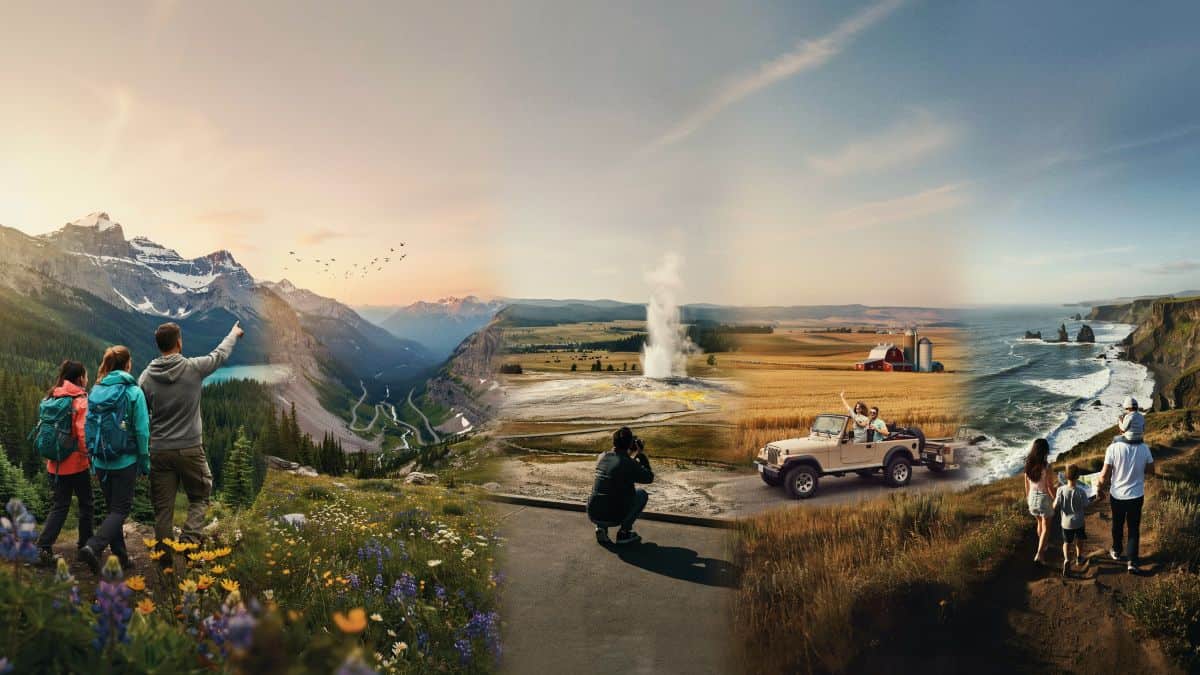
Image generated with Ai
Intermountain West, Southern Alberta and Other Global Regions Across US, Canada and More Witness Explosive Summer Tourism Growth Surge. Travelers avoiding overcrowded hotspots and opting for more authentic regional experiences along with adventure and nature based activities and pursuits. The Intermountain West, Southern Alberta and other global regions are benefiting due to change in travel behavior and increased demand for more cool destinations. The most significant change in travel behavior and preference is the increased best efforts of travelers to seek out the more remote open and adventurously independently explorable spaces and destinations.
The North American regional tourism is fast growing due to the increased interest in iconic road trips to national parks, outdoors and nature based cultural activities and experiences. Summer tourism in North America has seen the most significant growth due to increased travel preference and behavior in bold travel best efforts to seek out more open, independent and remote adventure and travel spaces and destinations. Summer tourism in North America has seen the most significant growth due to increased travel behavior and preference bold travel best efforts to seek out adventure and travel spaces and destinations that are more open, independent and remote. North American regional tourism growth especially due to summer tourism has seen
Advertisement
| Key Tourism Driver | Precise Information & Statistics | Major Destinations | Tourism Impact |
|---|---|---|---|
| Regional Nature-Based Tourism Boom | The Intermountain West is experiencing strong summer tourism growth as travellers shift from urban holidays to outdoor-focused experiences. | Montana, Wyoming, Idaho, South Dakota, Utah | Positions the region as a leading nature-based tourism corridor in the United States. |
| National Park Visitor Growth | The U.S. National Park Service recorded more than 331 million recreational visits annually across national park units. | Glacier National Park, Yellowstone National Park, Grand Teton National Park, Badlands National Park | Drives accommodation, dining, transport and guided-tour demand in surrounding communities. |
| Glacier National Park Tourism Surge | Glacier recorded approximately 3.2 million annual visits, making it one of the busiest nature destinations in the region. | Montana | Supports gateway towns through hotels, restaurants, outdoor equipment rentals and adventure services. |
| Yellowstone National Park Attraction | Yellowstone remains one of the world’s most recognised protected landscapes, attracting millions of visitors annually. | Wyoming, Montana, Idaho | Generates international awareness and strengthens regional tourism demand. |
| Grand Teton National Park Growth | Grand Teton attracts around 3.6 million annual visitors through mountain scenery, wildlife and outdoor recreation. | Wyoming | Boosts adventure tourism, luxury lodging and nature-based experiences. |
| Badlands National Park Expansion | Badlands receives approximately 1 million+ annual visitors, driven by unique geology, hiking and fossil experiences. | South Dakota | Supports rural tourism businesses and educational travel experiences. |
| Rise Of Road Trip Tourism | Domestic travellers increasingly prefer flexible highway journeys over traditional city breaks. | Montana, Wyoming, South Dakota, Utah | Increases spending in rural communities |
The U.S. Intermountain West is experiencing a powerful tourism surge as travellers increasingly choose national parks, scenic highways and outdoor adventures over traditional city holidays. The region, covering destinations across Montana, Wyoming, Idaho, South Dakota and Utah, has become a major centre for nature-based travel.
Visitors are drawn to iconic landscapes, wildlife experiences and adventure activities available throughout the region. National park gateways are benefiting from increased demand as travellers seek open spaces and cooler destinations during extreme summer heat.
Advertisement
Advertisement
Glacier National Park, Yellowstone National Park, Grand Teton National Park and Badlands National Park have become major tourism anchors, attracting both domestic visitors and international travellers.
The growth mirrors Southern Alberta’s success, with travellers crossing borders to explore mountain landscapes, protected areas and rural communities.
Gateway towns near these parks are experiencing increased demand for accommodation, restaurants, guided tours and outdoor services.
The Intermountain West demonstrates how regional tourism can create economic opportunities beyond major metropolitan areas.
Advertisement
Advertisement
| Destination | Location | Visitor Statistics | Main Tourism Attractions | Key Visitor Segments | Economic Impact On Regional Communities |
|---|---|---|---|---|---|
| Glacier National Park | Montana, USA | Around 3.2 million annual visitors | Going-to-the-Sun Road, Rocky Mountain landscapes, hiking trails, wildlife viewing, lakes and glaciers | Domestic road-trippers, international nature travellers, adventure tourists, photographers | Supports gateway towns such as Whitefish, Columbia Falls and Kalispell through hotels, restaurants, tour operators, transport services and outdoor businesses |
| Yellowstone National Park | Wyoming, Montana and Idaho, USA | Around 4 million+ annual visitors in recent years | Old Faithful geyser, geothermal features, wildlife, Yellowstone Lake, scenic landscapes | International visitors, families, wildlife enthusiasts, camping travellers | Generates billions in regional economic activity through lodging, restaurants, guided tours, retail and outdoor recreation businesses |
| Grand Teton National Park | Wyoming, USA | Around 3.6 million annual visitors | Teton mountain range, wildlife viewing, hiking, boating, photography and scenic drives | Premium nature travellers, adventure tourists, luxury visitors, outdoor enthusiasts | Strengthens tourism economy around Jackson Hole through luxury accommodation, restaurants, guides and recreational services |
| Gateway Towns Near Glacier | Montana, USA | Growing visitor demand linked to park access | Whitefish, Kalispell, Columbia Falls tourism services | Park visitors seeking accommodation and activities outside park boundaries | Creates employment in hospitality, transport, food services and adventure tourism |
| Gateway Communities Near Yellowstone | Wyoming, Montana, Idaho | Millions of visitors pass through surrounding towns annually | Jackson, West Yellowstone, Cody, Bozeman | Nature travellers, international tourists, road-trip visitors | Supports hotels, restaurants, museums, wildlife tours and local businesses |
| Gateway Economy Around Grand Teton | Wyoming, USA | Millions of annual park visits support regional demand | Jackson Hole, Teton Village and surrounding areas | Luxury travellers, outdoor adventure tourists | Drives premium tourism spending through resorts, guides, restaurants and recreational experiences |
National parks across the Intermountain West have become powerful economic engines for surrounding communities. Glacier National Park, Yellowstone National Park and Grand Teton National Park continue attracting millions of visitors seeking adventure, wildlife and natural beauty.
Glacier National Park draws travellers through dramatic mountain scenery and famous routes such as Going-to-the-Sun Road. Yellowstone remains a global attraction because of its geothermal features and wildlife diversity, while Grand Teton attracts visitors with mountain landscapes and outdoor activities.
The increase in visitors creates economic benefits for nearby towns through hotels, restaurants, equipment rentals and guided experiences.
However, growing popularity also requires careful management. National park authorities are increasingly introducing reservation systems, shuttle services and visitor controls to protect natural resources.
The success of these parks shows how protected landscapes can support regional economies while creating unforgettable travel experiences.
The challenge ahead will be maintaining this growth without damaging the environments that attract visitors.
| Gateway Town | State | Connected Attractions | Tourism Growth Drivers | Visitor Spending Impact | Key Economic Benefits |
|---|---|---|---|---|---|
| Whitefish | Montana | Glacier National Park, Going-to-the-Sun Road, Flathead Valley | Rising national park visits, international nature travellers, outdoor adventures, luxury mountain stays | Visitors spend on hotels, restaurants, ski/outdoor businesses and guided experiences | Expands hospitality jobs, adventure tourism services and local retail activity |
| Kalispell | Montana | Glacier National Park, Flathead Lake, nearby wilderness areas | Road-trip tourism, park gateway demand, family travel and outdoor recreation | Increased demand for accommodation, dining, transport and shopping | Acts as a regional service hub supporting wider tourism growth |
| West Yellowstone | Montana | Yellowstone National Park western entrance | High visitor traffic from Yellowstone travellers, wildlife tourism and guided tours | Strong seasonal spending on lodging, restaurants, tours and retail | Creates tourism employment and supports small businesses |
| Bozeman | Montana | Yellowstone access, outdoor recreation areas, Montana landscapes | Airport connectivity, adventure tourism and growing visitor arrivals | Benefits from hotels, restaurants, equipment stores and transportation services | Emerging as a major gateway city connecting travellers with nature destinations |
| Jackson | Wyoming | Grand Teton National Park, Yellowstone southern gateway, Jackson Hole | Luxury nature tourism, international visitors, skiing and outdoor adventures | High visitor spending on premium accommodation, dining and guided activities | Supports a high-value tourism economy and specialised services |
| Cody | Wyoming | Yellowstone eastern entrance, Buffalo Bill attractions | Heritage tourism, western culture, road trips and park access | Visitors spend on museums, hotels, restaurants and outdoor experiences | Diversifies local economy through cultural and adventure tourism |
| Rapid City | South Dakota | Badlands National Park, Black Hills, Mount Rushmore region | Family road trips, national park tourism and cultural attractions | Increased demand for hotels, restaurants, attractions and transport | Serves as a major tourism base for surrounding natural attractions |
| Sturgis | South Dakota | Black Hills, regional outdoor attractions | Event tourism, motorcycle travel and outdoor recreation | Seasonal visitor spending boosts hospitality and retail businesses | Strengthens regional tourism networks |
| Idaho Falls | Idaho | Yellowstone access routes, Grand Teton region, outdoor recreation | Road-trip travellers, adventure tourism and regional connectivity | Visitor spending supports accommodation, dining and transport services | Provides an alternative gateway for national park visitors |
The tourism surge across the U.S. Intermountain West is creating major economic opportunities for gateway communities located near national parks and outdoor attractions. Towns surrounding Glacier National Park, Yellowstone, Grand Teton and Badlands National Park are experiencing increased demand from travellers seeking nature-based experiences.
These communities benefit because visitors spend money beyond park boundaries through accommodation, restaurants, equipment rentals, transport services and guided activities. International travellers are particularly valuable because they often stay longer and spend more on premium experiences.
Small towns that were previously dependent on seasonal visitors are now becoming important tourism centres. Local businesses are expanding services to meet growing demand, while entrepreneurs are developing new outdoor experiences and hospitality offerings.
However, rapid growth also creates challenges, including housing pressure, infrastructure demand and environmental concerns. Many communities are now focusing on sustainable tourism strategies to ensure visitor growth supports residents as well as travellers.
The rise of gateway towns demonstrates how tourism is spreading economic benefits beyond major cities and creating new opportunities in rural regions.
| Key Factor | Details | Major Destinations | Tourism Impact |
|---|---|---|---|
| Shift From Traditional Hotspots | Travellers are moving beyond overcrowded destinations and exploring quieter regional areas offering nature, culture and authentic experiences. | Southern Alberta, Lethbridge, Waterton Lakes National Park | Spreads visitor spending beyond major Canadian tourism centres and supports smaller communities. |
| Record Visitor Spending Growth | Alberta’s tourism economy reached record visitor spending levels, supported by strong domestic demand and international arrivals. | Province-wide Alberta, including Southern Alberta regions | Creates economic benefits for hotels, restaurants, attractions and local businesses. |
| Rise Of Domestic Staycations | Higher travel costs and changing preferences are encouraging Canadians to explore destinations closer to home through road trips. | Lethbridge, Canadian Badlands, Crowsnest Pass | Increases local travel demand and strengthens regional tourism economies. |
| Growth Of High-Spending International Visitors | International travellers are staying longer, booking guided experiences and spending more on accommodation, food and activities. | Waterton Lakes National Park, UNESCO heritage sites | Generates higher-value tourism revenue for regional operators. |
| Nature-Based Tourism Demand | Visitors are increasingly searching for outdoor experiences, wildlife, hiking, scenic landscapes and adventure activities. | Waterton Lakes National Park, Cypress Hills, Crowsnest Pass | Boosts demand for outdoor tours, camping, recreation and adventure services. |
| UNESCO World Heritage Attractions | Internationally recognised heritage sites provide unique cultural, historical and educational experiences. | Head-Smashed-In Buffalo Jump, Dinosaur Provincial Park | Attracts international visitors and strengthens Alberta’s global tourism appeal. |
| Road Trip Accessibility | Southern Alberta’s connected highways make it easy for travellers to combine multiple attractions in one journey. | Lethbridge, Waterton Lakes, Canadian Badlands | Encourages longer stays and multi-destination travel itineraries. |
| Authentic Cultural Experiences | Indigenous heritage, local history and community-led tourism experiences are becoming stronger visitor attractions. | Head-Smashed-In Buffalo Jump and surrounding communities | Creates meaningful travel experiences while supporting local economies. |
| Alternative To Crowded Mountain Destinations | Travellers are seeking less congested alternatives to famous locations while still enjoying dramatic landscapes and outdoor activities. | Southern Alberta regional parks and rural destinations | Reduces pressure on major hotspots and increases regional visitor distribution. |
| Festivals And Local Events | Seasonal events and community festivals encourage visitors to extend trips and explore surrounding areas. | Lethbridge and regional communities | Increases accommodation demand and supports local hospitality businesses. |
| Outdoor Adventure Expansion | Activities such as hiking, kayaking, canoeing, camping and wildlife viewing attract adventure-focused travellers. | Oldman River, Waterton Lakes, Crowsnest Pass | Expands tourism beyond sightseeing into experience-based travel. |
| Longer Visitor Stays | International and experience-focused travellers often spend more nights exploring regional attractions. | Southern Alberta tourism corridor | Increases spending across accommodation, dining and local services. |
| Regional Tourism Diversification | Tourism growth is reducing dependence on traditional urban and alpine destinations. | Southern Alberta communities | Creates a more balanced and resilient tourism economy. |
Southern Alberta has become one of Canada’s fastest-growing tourism regions as travellers increasingly move beyond famous mountain corridors and discover diverse landscapes, cultural attractions and outdoor experiences. The region’s tourism success is being powered by a combination of domestic “staycationers” and international visitors searching for authentic experiences.
According to Travel Alberta, provincial tourism spending reached a record level of approximately $15.2 billion, highlighting Alberta’s growing importance within Canada’s visitor economy.
Southern Alberta has benefited from this momentum because it offers a wide range of attractions, from national parks and UNESCO World Heritage Sites to festivals, adventure activities and scenic road-trip routes.
The region’s appeal comes from its ability to provide memorable experiences without the congestion often associated with Canada’s busiest tourism destinations. Visitors are increasingly seeking open landscapes, local culture and outdoor activities, making Southern Alberta a major beneficiary of changing travel preferences.
| Tourism Driver | Key Statistics / Data | Major Attractions & Assets | Impact On Tourism Growth |
|---|---|---|---|
| Regional Tourism Gateway Role | Lethbridge serves as a major urban hub for Southern Alberta road trips and regional exploration | Access point for Waterton Lakes National Park, Canadian Badlands, Crowsnest Pass and UNESCO heritage sites | Provides accommodation, dining, transport and services for visitors exploring the wider region |
| Population & Urban Infrastructure Advantage | Population of approximately 106,000+ residents (City of Lethbridge) | Hotels, restaurants, shopping, cultural venues and visitor services | Allows travellers to use Lethbridge as a comfortable basecamp rather than a short stop |
| Road Trip Tourism Growth | Southern Alberta benefits from increased domestic driving holidays and regional travel demand | Scenic highways connecting Lethbridge with national parks and heritage attractions | Encourages longer stays and multi-destination itineraries |
| Record Alberta Tourism Economy | Alberta tourism spending reached approximately $15.2 billion, according to Travel Alberta data | Southern Alberta contributes through nature, culture and adventure tourism products | Strengthens regional businesses and increases visitor spending |
| Waterton Lakes National Park Connection | Waterton attracts domestic and international visitors through UNESCO recognition and outdoor experiences | Crypt Lake Trail, Cameron Lake, hiking, wildlife viewing and mountain landscapes | Drives overnight stays, guided tours and outdoor activity spending |
| UNESCO Heritage Tourism | Southern Alberta hosts internationally recognised UNESCO sites | Head-Smashed-In Buffalo Jump and Dinosaur Provincial Park | Attracts international visitors seeking cultural, historical and educational experiences |
| Cultural Tourism Growth | Increasing demand for Indigenous and heritage tourism experiences | Head-Smashed-In Buffalo Jump interpretive centre and Indigenous history programmes | Creates meaningful visitor experiences and supports local communities |
| Adventure Tourism Expansion | Outdoor recreation is a major regional travel motivator | Kayaking, canoeing, hiking, camping, mountain biking and wildlife experiences | Increases demand for equipment rentals, guides and local operators |
| Oldman River Recreation | River-based activities support summer tourism | Kayaking, canoeing and outdoor leisure activities | Adds urban nature experiences close to Lethbridge |
| Festival & Event Tourism | Annual events attract regional visitors throughout the year | Whoop-Up Days and community festivals | Increases accommodation demand and supports local hospitality businesses |
| International Visitor Growth | International travellers are increasingly seeking nature-based and authentic Canadian experiences | National parks, UNESCO sites and cultural attractions | Higher visitor spending through longer stays, dining and guided activities |
| Domestic Staycation Growth | Canadians increasingly choose closer-to-home holidays due to higher travel costs | Road trips across Southern Alberta | Keeps tourism spending within provincial and regional economies |
| Accommodation & Hospitality Impact | Growing regional travel demand supports hotels, restaurants and tourism services | Lethbridge accommodation sector and visitor facilities | Creates employment and strengthens local tourism businesses |
| Alternative To Crowded Destinations | Travellers increasingly avoid overcrowded tourism hotspots | Southern Alberta offers open landscapes and lower-density experiences | Positions Lethbridge as a quieter gateway to major attractions |
Lethbridge has transformed from a regional city into an important tourism basecamp connecting visitors with Southern Alberta’s major attractions. Its location makes it a convenient stop for travellers exploring nearby national parks, heritage sites and outdoor destinations.
The city offers a combination of cultural attractions, natural experiences and local events that encourage visitors to extend their stays. Popular attractions such as Fort Whoop-Up, Nikka yuks Japanese Garden and the Oldman River contribute to its growing visitor appeal.
Lethbridge also benefits from increasing road-trip tourism because many travellers prefer flexible journeys rather than fixed itineraries. Accommodation providers, restaurants and local businesses gain from visitors using the city as a starting point for wider regional exploration.
The growth of Lethbridge reflects a wider Canadian tourism trend where smaller cities are becoming important gateways rather than simply passing points. Regional hubs are now playing a central role in distributing tourism spending beyond major urban centres.
Canada’s tourism landscape is experiencing a significant shift as regional destinations increasingly outperform traditional metropolitan hubs. Travellers are moving beyond major cities such as Toronto, Montreal and Vancouver to explore smaller communities offering nature, culture and outdoor adventures.
According to tourism data from Destination Canada, national visitor spending reached approximately $59 billion during the summer period, with regional destinations capturing a growing share of tourism demand.
A key indicator of this transformation is that many non-metropolitan areas are growing faster than large urban markets. This reflects changing traveller priorities, including a preference for open spaces, authentic experiences and less crowded environments.
Southern Alberta, Vancouver Island, Saskatchewan, Manitoba, Nova Scotia and New Brunswick are among the regions benefiting from this trend.
The growth is creating stronger economic opportunities for smaller communities by supporting hospitality, recreation, transportation and local businesses.
Canada’s tourism future is increasingly being shaped by regions that can offer distinctive experiences beyond traditional city-based travel.
Waterton Lakes National Park has become one of Southern Alberta’s strongest international tourism attractions because of its combination of mountain landscapes, wildlife experiences and outdoor adventures. The destination offers a quieter alternative to some of Canada’s more crowded national parks while delivering premium nature experiences.
Visitors are attracted to activities such as the Crypt Lake Trail, Cameron Lake boating, hiking routes and seasonal wildflower landscapes. The park’s status as part of a UNESCO World Heritage Biosphere Reserve further strengthens its international appeal.
International travellers often contribute significant economic value because they tend to stay longer, spend more on accommodation and participate in guided experiences. Local businesses benefit from this demand through hotels, restaurants, tour operators and outdoor activity providers.
Waterton Lakes represents the changing nature of modern tourism, where travellers are increasingly prioritising meaningful experiences, natural environments and less crowded destinations.
The park’s success demonstrates how protected landscapes can become powerful drivers of regional economic growth.
Southern Alberta’s UNESCO World Heritage attractions are playing a major role in attracting visitors interested in history, culture and unique landscapes. Sites including Head-Smashed-In Buffalo Jump and Dinosaur Provincial Park provide experiences that extend beyond traditional sightseeing.
Head-Smashed-In Buffalo Jump offers visitors insight into Indigenous history, traditions and cultural connections with the landscape. The destination appeals to travellers seeking meaningful cultural experiences and deeper understanding of local heritage.
Dinosaur Provincial Park attracts families, researchers and adventure travellers through fossil discoveries, guided exploration and dramatic landscapes. Its scientific importance and educational experiences make it a major attraction for international visitors.
These destinations support surrounding communities by generating demand for accommodation, dining, transportation and guided services.
The success of Southern Alberta’s heritage attractions highlights a major tourism trend: visitors increasingly want stories, culture and experiences rather than simply visiting famous locations.
UNESCO recognition provides global visibility while helping regional destinations compete in an increasingly crowded tourism market.
Domestic travellers have become a major force behind Alberta’s tourism expansion as changing travel costs encourage more Canadians to explore destinations closer to home. Higher airfares, increased international travel expenses and evolving holiday preferences have encouraged more road-based journeys.
Many Alberta residents and Canadian travellers are choosing regional trips that offer adventure, nature and cultural experiences without the complexity of overseas travel.
Southern Alberta has benefited significantly from this trend because it provides diverse attractions within driving distance. Visitors can combine city experiences, national parks, heritage sites and outdoor activities in one journey.
The staycation movement has also created stronger support for local businesses because spending remains within regional economies.
Restaurants, hotels, attractions and tour operators have all benefited from increased domestic demand.
This shift demonstrates that domestic tourism is no longer simply a backup option. It has become a major component of Canada’s tourism economy.
Vancouver Island has emerged as one of Canada’s strongest regional tourism performers as visitors increasingly seek coastal adventures, wildlife experiences and outdoor escapes. The destination offers a combination of urban culture, wilderness landscapes and unique marine environments.
Communities including Victoria, Nanaimo, Tofino and Ucluelet are benefiting from growing demand among travellers looking for lower-density experiences compared with heavily visited destinations.
The island attracts visitors through activities such as whale watching, surfing, hiking, kayaking and eco-tourism experiences. Its diverse landscapes allow travellers to combine cultural attractions with outdoor exploration.
International visitors are particularly important because they often extend their stays and spend on accommodation, dining and guided activities.
However, increased popularity has also encouraged discussions around sustainability, housing availability and infrastructure capacity.
Vancouver Island’s success reflects a global travel trend where visitors are choosing destinations that provide natural beauty, authenticity and meaningful experiences.
The region demonstrates how coastal and rural destinations can compete successfully with major tourism centres.
Saskatchewan and Manitoba are gaining recognition as emerging tourism destinations as travellers discover prairie landscapes, lakes, wildlife and outdoor experiences. Historically less visible on international travel maps, these provinces are now benefiting from growing interest in regional exploration.
Manitoba’s Whiteshell Provincial Park and Saskatchewan’s northern lake districts are attracting visitors seeking camping, fishing, hiking and nature-based adventures.
The regions appeal to travellers looking for quieter alternatives to crowded destinations while offering opportunities to connect with local communities and landscapes.
Agritourism, Indigenous experiences and outdoor recreation are also helping diversify tourism products across the Prairies.
Domestic travellers are a major driver of this growth, with Canadians increasingly choosing road trips and regional holidays.
The increase in visitor activity supports rural accommodation providers, restaurants, local attractions and recreation businesses.
Saskatchewan and Manitoba demonstrate that tourism growth is no longer limited to famous destinations. Regions with unique landscapes and authentic experiences are increasingly becoming important parts of the national tourism economy.
Atlantic Canada is experiencing strong tourism momentum as travellers discover coastal landscapes, maritime culture and scenic road-trip routes. Nova Scotia and New Brunswick are among the regions benefiting from increased domestic and international visitor interest.
The appeal comes from a combination of natural attractions, historic communities, culinary experiences and outdoor activities.
Nova Scotia attracts visitors through destinations such as Cape Breton, coastal routes and maritime heritage experiences. New Brunswick benefits from attractions including the Bay of Fundy, known for dramatic tides and unique landscapes.
International travellers are contributing significantly because they often stay longer and spend more on accommodation, restaurants and local experiences.
The growth is helping smaller communities benefit from tourism spending while reducing reliance on major urban destinations.
Atlantic Canada’s rise reflects a wider global movement where travellers increasingly seek authentic regional experiences rather than traditional mass tourism locations.
The region’s tourism success shows how natural landscapes and cultural identity can become powerful economic assets.
The regional tourism boom across the US, Canada and other global destinations is being driven by several major travel trends. One of the strongest factors is the rise of domestic and regional travel as visitors look closer to home for memorable experiences.
Higher travel costs, increased airfare prices and changing consumer preferences have encouraged more road trips and shorter-distance holidays.
The “coolcation” trend is another major driver. As extreme summer temperatures affect traditional destinations, travellers are moving towards cooler regions such as Southern Alberta, Hokkaido and northern European destinations.
International visitors are also changing tourism patterns by seeking authentic experiences, Indigenous-led cultural activities and nature-based adventures.
Unlike traditional tourism models focused on large visitor numbers, regional destinations are increasingly benefiting from higher-value travellers who spend more locally.
This shift is creating a more distributed tourism economy where smaller communities gain greater economic importance.
The future of travel is increasingly moving away from crowded hotspots and towards destinations offering space, authenticity and unforgettable experiences.
The rapid rise of regional tourism is creating opportunities but also requiring stronger management strategies. As destinations become more popular, governments and tourism organisations must balance visitor growth with environmental protection and community needs.
National parks and fragile natural areas are increasingly introducing reservation systems, shuttle services, visitor limits and conservation fees.
These measures help prevent overcrowding while ensuring travellers continue enjoying high-quality experiences.
Housing is another important challenge, especially in gateway communities where tourism growth can increase demand for short-term rentals and accommodation.
Local authorities are introducing licensing systems and regulations to protect residential housing for communities and tourism workers.
Sustainable tourism management is becoming essential because uncontrolled growth can damage the very attractions that bring visitors.
The most successful destinations will be those that combine strong tourism development with responsible planning.
Regional tourism growth is creating enormous opportunities, but long-term success will depend on maintaining balance between visitors, businesses and local communities.
Regional tourism is entering a new phase as destinations across the United States and Canada move from being secondary attractions to becoming major global travel hubs. The success of Southern Alberta, the Intermountain West and other emerging regions shows that travellers are changing how they discover destinations.
Visitors are increasingly prioritising nature, cultural experiences, outdoor adventures and less crowded environments over traditional city-based holidays. This shift is encouraging tourism organisations to invest in regional infrastructure, sustainable development and new visitor experiences.
The future of tourism will depend on destinations creating a balance between attracting travellers and protecting natural resources. Communities that successfully manage growth will gain long-term economic benefits while preserving their unique identities.
Regional tourism is no longer a temporary trend. It represents a fundamental change in global travel behaviour, where hidden destinations are becoming some of the most valuable tourism assets.
International travellers are becoming a major factor behind the success of regional tourism destinations. Unlike short domestic visits, overseas visitors often stay longer, spend more on accommodation, dining and guided experiences, and explore multiple communities during their journeys.
Southern Alberta, the Intermountain West and other regional corridors are benefiting from this higher-value visitor segment. Travellers from Europe, Asia and other international markets are increasingly searching for authentic experiences away from crowded global hotspots.
Nature, Indigenous culture, local food experiences and outdoor adventures are among the strongest attractions driving this demand.
For smaller communities, international tourism provides opportunities to diversify local economies and create employment beyond traditional industries.
However, destinations must continue improving accessibility, accommodation capacity and sustainable infrastructure to support future growth.
The rise of international regional travel demonstrates that visitors are no longer only interested in famous landmarks. They are searching for deeper connections with places and communities.
| Coolcation Trend Factor | Precise Information | Major Beneficiary Destinations | Impact On Summer Tourism |
|---|---|---|---|
| Rising Summer Heat Avoidance | Extreme heatwaves in traditional summer destinations are encouraging travellers to seek cooler climates, higher elevations and northern regions. | Southern Alberta, Hokkaido, Northern Spain, Tasmania, Scandinavia | Shifts visitor demand away from hot coastal resorts towards cooler nature destinations. |
| Growth Of Northern Latitude Travel | Travellers are increasingly choosing destinations with moderate summer temperatures and outdoor experiences. | Hokkaido (Japan), Canada, Northern Europe | Extends tourism seasons and increases summer visitor numbers in cooler regions. |
| Mountain Destination Boom | Mountain valleys and alpine regions provide cooler environments combined with adventure activities. | Alberta Rockies, Intermountain West, Swiss Alps | Boosts hiking, wildlife tourism, camping and outdoor recreation demand. |
| Nature-Based Experience Demand | Coolcation travellers prioritise landscapes, national parks, forests, lakes and wildlife encounters. | Glacier National Park, Yellowstone, Waterton Lakes, Hokkaido national parks | Increases spending on guided tours, accommodation and outdoor activities. |
| Escape From Overcrowded Hotspots | Visitors are moving away from heavily congested destinations during peak summer months. | Southern Alberta, Asturias, Galicia, Hokkaido | Supports lesser-known destinations and spreads tourism revenue geographically. |
| Climate-Driven Travel Planning | Weather conditions are becoming a major factor when travellers choose summer destinations. | Canada, Japan, Northern Spain, Australia | Changes traditional holiday patterns and redirects visitor flows. |
| Longer Regional Stays | Coolcation visitors often combine multiple attractions and spend more nights exploring destinations. | Alberta, Montana, Wyoming, Tasmania | Increases hotel occupancy, restaurant spending and local business revenue. |
| Adventure Tourism Expansion | Cooler destinations provide ideal conditions for hiking, cycling, kayaking, wildlife watching and camping. | Intermountain West, Canadian Rockies, Tasmania | Creates demand for outdoor operators and experience providers. |
| International Visitor Growth | Overseas travellers increasingly seek authentic climate-friendly experiences beyond famous cities. | Hokkaido, Alberta, US national park gateways | Generates higher-value tourism through longer stays and premium experiences. |
| Road Trip Tourism Growth | Travellers prefer flexible journeys through cooler regions with multiple stops. | Southern Alberta, Montana, Wyoming, Utah | Benefits gateway towns, rural communities and scenic routes. |
| Rural Tourism Expansion | Smaller communities gain visibility as travellers search for peaceful destinations. | Lethbridge, Whitefish, Jackson, Asturias villages | Creates new economic opportunities outside major urban centres. |
| Luxury Nature Travel Growth | High-income travellers seek comfortable stays combined with outdoor experiences. | Alberta lodges, Montana resorts, Hokkaido retreats | Increases demand for premium accommodation and private experiences. |
The growing popularity of coolcation travel is one of the biggest forces changing global tourism patterns. As extreme heat affects traditional summer destinations, travellers are increasingly choosing cooler regions with comfortable climates and outdoor opportunities.
Southern Alberta, the Intermountain West, Hokkaido and northern European destinations are benefiting from this trend because they offer mountain landscapes, forests, lakes and adventure activities.
This movement is changing the traditional summer holiday map. Destinations that were previously considered seasonal or secondary are now becoming preferred choices during peak travel periods.
Coolcation travellers are also supporting regional economies by staying longer and participating in activities such as hiking, wildlife tours, cycling, boating and cultural experiences.
The trend highlights how climate conditions are influencing travel decisions.
As temperatures continue affecting popular destinations, cooler regions are likely to gain even greater importance in the global tourism industry.
| Destination | Country/Region | Coolcation Appeal | Main Tourism Benefits |
|---|---|---|---|
| Southern Alberta | Canada | Mountain landscapes, national parks, comfortable summer climate | Growth in road trips, outdoor tourism and international stays |
| Hokkaido | Japan | Cooler summers, flower fields, national parks, food experiences | Expansion from winter tourism into year-round travel |
| Northern Spain (Green Spain) | Spain | Atlantic climate, forests, mountains and cultural experiences | Alternative to overheated Mediterranean resorts |
| Intermountain West | USA | National parks, mountain scenery and wilderness | Increased summer park visits and gateway town spending |
| Tasmania | Australia | Wilderness, coastal landscapes and eco-tourism | Growth in nature-based and adventure tourism |
| Traditional Summer Tourism Model | Emerging Coolcation Model |
|---|---|
| Concentrated around beaches and hot climates | Expanding towards cooler regions and mountains |
| Focused on major tourist cities | Increasingly supporting rural destinations |
| Short peak-season visits | Longer experience-based stays |
| High crowd concentration | Distributed regional travel |
| Mass tourism approach | Higher-value sustainable tourism |
| Factor | Tourism Transformation |
|---|---|
| Main Driver | Rising temperatures and traveller demand for comfortable summer climates |
| Fastest-Growing Segments | Nature tourism, adventure travel, road trips and outdoor experiences |
| Biggest Winners | Cooler regions in Canada, Japan, the US, Spain and Australia |
| Economic Impact | Higher visitor spending in regional communities |
| Future Outlook | Coolcation travel is expected to become a major global summer tourism trend |
The success of regional tourism brings significant economic benefits but also creates new challenges. Popular destinations must manage increasing visitor numbers while protecting natural environments and maintaining quality of life for residents.
National parks and outdoor destinations are already introducing advanced visitor management systems, including reservation platforms, timed-entry systems and shuttle networks.
Communities are also addressing housing pressures caused by increased demand for short-term rentals and tourism accommodation.
Successful destinations will need long-term strategies that combine tourism promotion with conservation, infrastructure investment and community involvement.
The goal is not to reduce tourism but to create a healthier relationship between visitors and destinations.
Regions that manage growth effectively will remain attractive while avoiding the problems experienced by heavily overcrowded locations.
The future of tourism depends on responsible expansion rather than unlimited visitor numbers.
The Intermountain West, Southern Alberta, and other regions in the US, Canada, and beyond are experiencing explosive summer tourism as a result of an unprecedented travel phenomenon. International travel demand, domestic travel shifts, and experience-based travel are the primary components of this travel phenomenon. Cooler climate travel, natural and cultural attraction travel, and travel to less crowded destinations are some travel trends caused by this travel phenomenon. Travelers are the focus of regional tourism strategies, sustainable development, tailored visitor management strategies, and community-based tourism as part of this travel phenomenon. As the Intermountain West, Southern Alberta, and global regions continue attracting travellers across the US, Canada, and beyond, this summer tourism growth surge is reshaping the future of travel.
Advertisement
Tags: Canada, Idaho, Intermountain West, Lethbridge, Montana
Advertisement
Advertisement













Friday, September 4, 2026

Friday, September 4, 2026
Friday, September 4, 2026

Thursday, September 3, 2026

Wednesday, September 2, 2026

Friday, September 4, 2026

Friday, September 4, 2026