

Estonia Steps Into A New Era As Digital Trade And Tourism Put Tallinn, Tartu And Pärnu Firmly In The Spotlight, All You Need To Know

Published
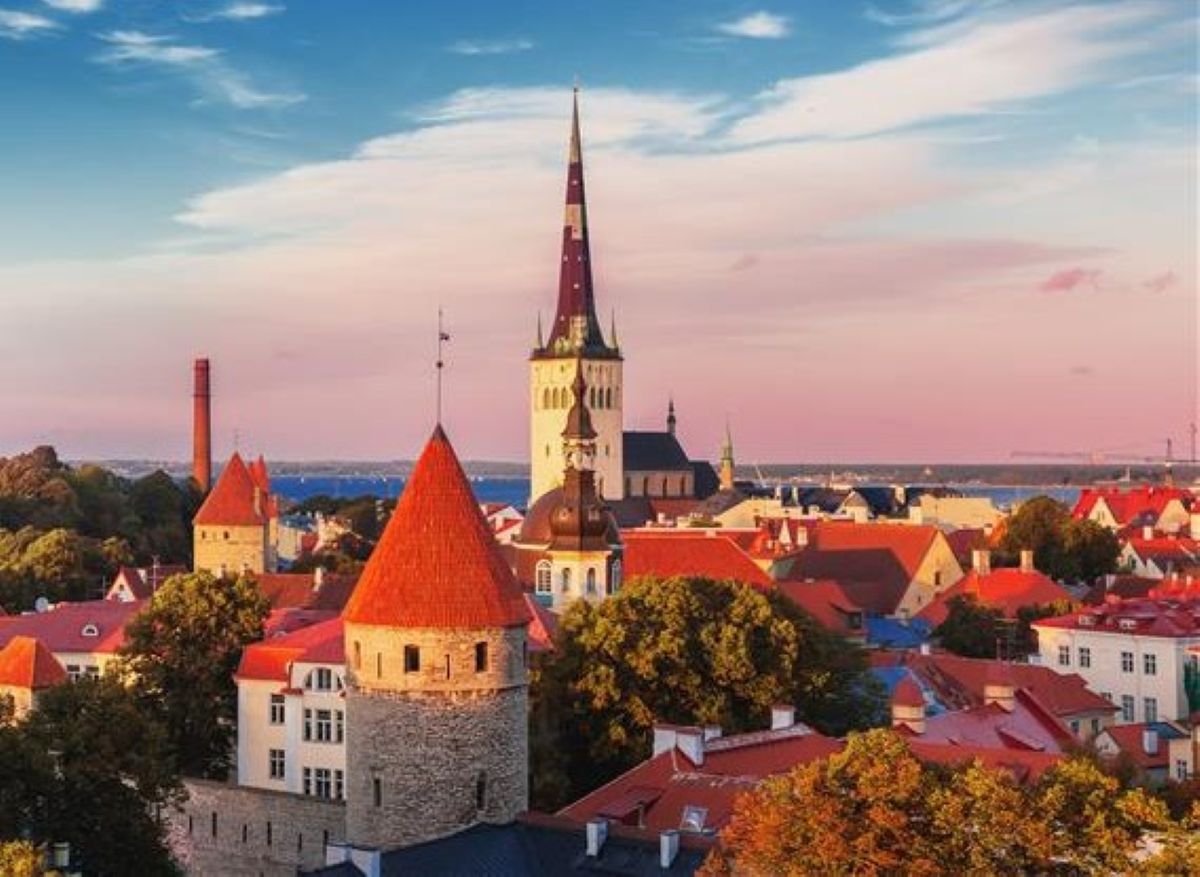
There is something quietly thrilling about watching a small nation rewrite the rules of economics. Now Estonia is catching the world off guard by proving that trade and tourism are not separate tracks but two sides of the same brilliant coin. Walking down the cobbled streets of Tallinn you can almost feel the hum of ambition where centuries‑old history dances effortlessly, with borderless digital enterprise. Estonia is bold Estonia is. Honestly Estonia is breathtaking to witness a small nation turn pure vision into unstoppable growth.
How Does Estonia’s Economic Framework and Tourism Footprint Drive National Growth Across Tallinn and Regional Districts?
Advertisement
Advertisement
Tourism acts as a primary catalyst for economic prosperity across Tallinn and regional districts, directly contributing significantly to overall service exports. According to official insights compiled by international entities, travel services underpin broader fiscal resilience. The direct contribution of visitor economies accounts for a substantial percentage of domestic output, reinforcing the necessity for upscale hospitality models. Policymakers focus on maximizing visitor expenditure rather than merely chasing high-volume arrivals to protect natural ecosystems.
Digital integration further bridges the gap between cross-border commerce and modern tourism operations. Leveraging advanced digital infrastructure such as e-Residency and streamlined company registration via official trade bodies the nation minimizes administrative friction. This frictionless environment attracts international digital nomads and foreign direct investment, transforming Estonia into a premier hub for modern enterprise. The harmonious alignment of digital innovation and traveler hospitality ensures that economic dividends ripple across multiple secondary sectors.
Advertisement
Advertisement
What Strategic Pillars Fuel Sustainable Trade and Long-Term Tourism Expansion Within Tartu and Pärnu?
Strategic pathways tracked via European Union frameworks and national entities rest upon robust, forward-thinking structural pillars. Transitioning toward sustainable mobility and year-round regional dispersal prevents over-tourism in urban centers while empowering rural communities. Green transport initiatives and climate-conscious infrastructure updates ensure that future tourism expansions remain aligned with strict ecological guidelines. By prioritizing high-spending visitors who appreciate authentic Nordic and Baltic cultural heritage, local enterprises secure higher profit margins.
Advertisement
Advertisement
Service export diversification forms the backbone of external trade missions, linking hospitality networks directly with global startup ecosystems. Furthermore, the implementation of qualitative economic metrics streamlines administrative data exchanges between private corporations and state regulators. This real-time visibility equips tourism operators and merchandise exporters with precise analytics to navigate shifting market demands. Ultimately, these synchronized measures fortify Estonia against external macroeconomic shocks, ensuring steady and predictable prosperity.
Unlocking New Economic Horizons Through Cross-Border E-Commerce and Digital Trade Acceleration in Tallinn
Digital product trade, telecommunications exports, and e-commerce platforms contribute extensively to Estonia’s robust external trade balance. Estonia’s total service exports surpass $12.67 billion USD annually, with goods and services exports combined accounting for approximately 77.8% of the national GDP. Telecommunications and tech-enabled services form a multi-billion-euro backbone, driven by digital trade frameworks centered in Tallinn.
This technological integration allows local enterprises to scale rapidly across European markets without physical bottlenecks. Policymakers continuously refine regulatory frameworks to support frictionless online commerce and cross-border digital transactions.
Fostering Sustainable Regional Tourism Dispersal and Accommodation Growth Across Tartu and Pärnu
Traveler accommodation patterns, guest-night volumes, and the economic shift toward secondary cultural hubs outside the capital drive balanced regional development. Statistics Estonia data highlights that accommodation establishments regularly host over 304,000 monthly tourists, with foreign tourists making up roughly 56% and domestic travelers 44%. Average guest-night expenditures hover around €54 to €60 per person, showing a 10% year-on-year increase in service pricing that boosts regional hospitality yield.
Advertisement
Advertisement
Expanding upscale hospitality networks in secondary cities ensures that visitor expenditure benefits local communities rather than concentrating solely in major urban centers. This decentralized approach protects natural landscapes while encouraging longer, higher-value stays across diverse regions.
Harnessing Foreign Direct Investment and e-Residency Economic Multipliers for Global Enterprise
Foreign direct investment and the groundbreaking e-Residency program serve as powerful catalysts for corporate innovation and borderless entrepreneurship. Over 100,000 digital nomads and global entrepreneurs have established borderless Estonian companies, generating tens of millions of euros in direct state revenue. These ventures drive foreign direct investment inflows that seamlessly complement traditional tourism receipts and retail spending.
By removing geographical barriers to company formation, the nation attracts top-tier global talent that actively contributes to the local digital ecosystem. This unique residency framework reinforces Estonia’s status as a visionary pioneer in borderless administrative governance.
Driving Sustainable Green Transport and Eco-Tourism Expansion in Saaremaa and Ida-Viru
Green mobility investments, low-emission public transit upgrades, and low-impact nature tourism transform rural islands and industrial transition zones. Regional distribution indices show that secondary destinations like Saaremaa and Ida-Viru account for expanding shares of nature-focused overnight stays, aligning with EU-backed green transition goals to limit carbon footprints per tourist arrival.
Advertisement
Advertisement
Environmental stewardship remains central to future tourism planning, ensuring that wilderness areas and coastal habitats are preserved for generations. Eco-conscious travelers increasingly choose these sustainable destinations, seeking authentic nature experiences backed by responsible infrastructure.
Implementing Real-Time Economy Infrastructure to Streamline B2B Administrative Efficiency
The operational benefits of automated electronic billing, real-time data reporting between corporations, and streamlined tax administration empower tourism SMEs. Implementation of the Real-Time Economy framework reduces administrative overhead for small- and medium-sized tourism enterprises by up to 20%, accelerating cash flow velocity.
This transparency allows hospitality firms and exporters to respond instantly to shifting European travel demand trends and seasonal market fluctuations. Digitizing bureaucratic workflows minimizes human error and frees business leaders to focus entirely on customer experience and expansion.
Diversifying Service Exports Through Strategic Nordic-Baltic Trade Integration
Mapping trade partnerships and export destinations reveals a powerful symbiosis between inbound leisure travel and cross-border commercial trade missions. Estonia’s primary export destinations—led by Finland (€260M monthly), Latvia (€194M), Lithuania (€171M), Sweden (€161M), and Germany (€125M)—mirror the primary source markets for inbound tourism.
Advertisement
Advertisement
This deep commercial integration confirms that business travel, trade delegations, and leisure tourism loops constantly reinforce one another. Strengthening these regional economic corridors secures long-term market stability and sustained bilateral investment opportunities.
Optimizing Post-Pandemic Tourism Recovery Through High-Yield Visitor Strategies
The strategic shift from high-volume mass tourism toward high-yielding, premium-spending international visitors maximizes overall Gross Domestic Product impact. While total visitor arrivals are rebounding toward pre-pandemic benchmarks, exceeding pre-2019 domestic peaks by over 22%, the Ministry of Economic Affairs and Communications maintains a stable 5% to 7% share of total GDP contribution from tourism.
Focusing on quality over mere visitor quantity ensures that cultural heritage sites remain uncrowded and hospitality standards stay exceptionally high. Premium travelers contribute more significantly to local tax revenues and luxury service sectors, driving sustainable economic rewards.
Upskilling the Workforce and Driving Hospitality Innovation Across the Baltic Labor Market
Investment in professional training, digital literacy programs for hospitality staff, and multilingual service capabilities elevates standards across upscale hotels and cultural venues. With average hourly earnings and labor indices evolving dynamically across the Baltic region, state-backed upskilling programs target an increase in high-value service productivity.
Advertisement
Advertisement
These workforce initiatives ensure Estonia remains a top-tier competitive destination for international conferences, corporate retreats, and luxury leisure segments. Cultivating top-tier talent guarantees that every visitor experiences world-class Estonian hospitality rooted in authentic cultural warmth.
The Final Verdict
At the end of the day Estonias journey reminds us that real progress comes from boldness. Standing on the edge of the Baltic you feel that this is the start of something amazing. It is very encouraging to see a nation that does not follow ways but instead creates a future where tradition and high-tech progress go together. You can’t. Support them as they show that with some creativity and strong determination even the smallest country can change the whole world.
Frequently Asked Questions
What is the primary focus of Estonia’s economic strategy? The strategy focuses on deeply integrating international trade, export expansion, and high-value tourism to accelerate national Gross Domestic Product (GDP) growth.
How much does tourism contribute to Estonia’s economy? Official data indicates that tourism and its related service sectors contribute roughly between 3.7% and 7% to Estonia’s overall GDP and service exports.
What role does digital infrastructure play in this growth? Platforms like e-Residency and digital signatures reduce administrative friction for foreign direct investment, cross-border trade, and international business travel.
Advertisement
