
Thailand Overtakes China and More as Bangkok Rises Above London, Dubai and Paris in Global Tourism

Published
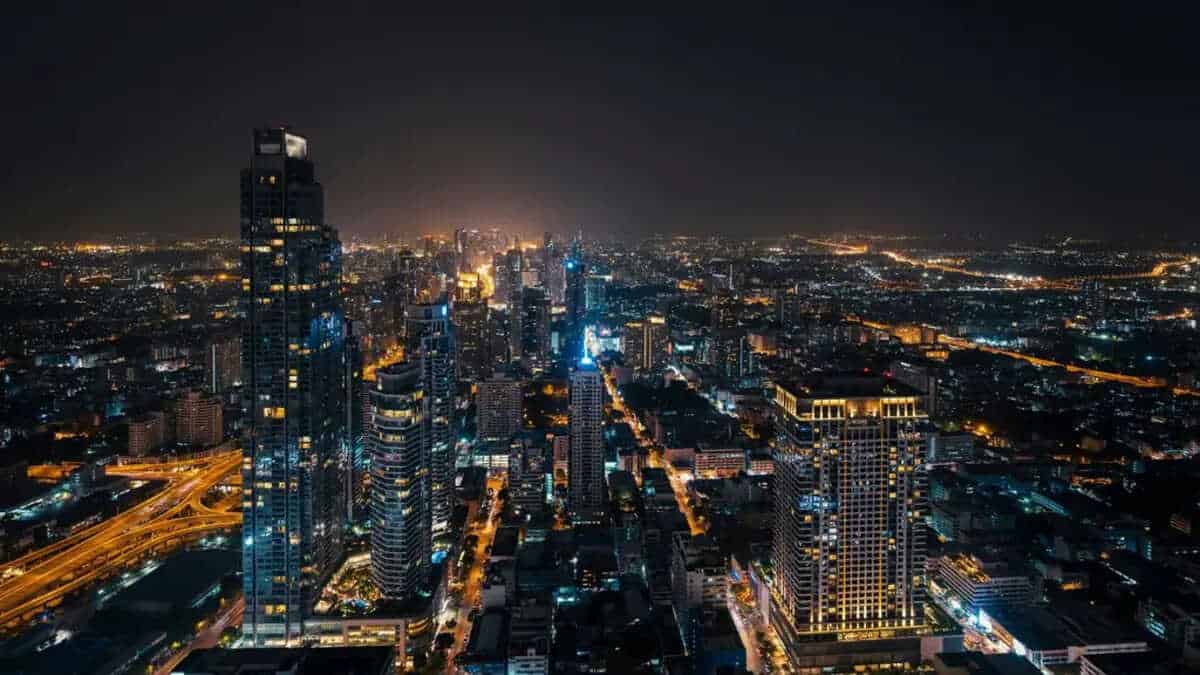
Bangkok hits the top spot as the world’s most-visited city in 2026. Thailand has jumped up the league table as Bangkok has been named as the world’s most-visited city in 2026, attracting around 30.3 million international visitors. Thailand’s capital has been placed above the world’s leading destinations of Hong Kong, London, Macao, Istanbul, Dubai and Paris, highlighting the huge international demand to visit Southeast Asia.
Bangkok’s position is particularly significant because some of the world’s most established tourism cities have been pushed further down the international arrivals table. The comparison with China relates specifically to the cities included in the ranking, with Bangkok recording more international arrivals than Hong Kong and Macao. It should not be interpreted as a comparison of total national tourism arrivals between Thailand and China.
Bangkok Holds the Global Tourism Crown With 30.3 Million International Visitors
Around 30.3 million international tourists have been recorded for Bangkok in the ranking, allowing the city to retain first position for a second consecutive year. Its lead has been supported by its role as one of Asia’s most important international gateways and by the extensive travel connections available between Thailand and markets across Asia, Europe, the Middle East and other regions.
Bangkok has long been used as both a final destination and an entry point for wider travel through Thailand and Southeast Asia. Large numbers of travellers can connect through the city before continuing to other destinations, while its broad accommodation market, urban attractions, cultural experiences and transport infrastructure allow different types of visitors to be served.
Advertisement
Advertisement
The scale of Bangkok’s international arrivals has placed it significantly ahead of Hong Kong, which was listed with 23.2 million visitors. The difference between the two leading cities stands at approximately 7.1 million international arrivals, underlining the strength of Bangkok’s current tourism position.
World’s Most Visited Cities in 2026
The international arrivals ranking provided through the Top 100 City Destinations Index shows a strong geographical spread, although Asian destinations occupy several leading positions.
Advertisement
Advertisement
| Rank | City | Country/Market | International Visitors |
|---|---|---|---|
| 1 | Bangkok | Thailand | 30.3 million |
| 2 | Hong Kong | China | 23.2 million |
| 3 | London | United Kingdom | 22.7 million |
| 4 | Macao | China | 20.4 million |
| 5 | Istanbul | Turkey | 19.7 million |
| 6 | Dubai | United Arab Emirates | 19.5 million |
| 7 | Mecca | Saudi Arabia | 18.7 million |
| 8 | Antalya | Turkey | 18.6 million |
| 9 | Paris | France | 18.3 million |
| 10 | Kuala Lumpur | Malaysia | 17.3 million |
The table shows that Bangkok has not simply moved ahead of one major tourism competitor. A substantial gap has been created over internationally recognised destinations including London, Dubai and Paris.
London remained highly competitive with 22.7 million visitors, while Macao received around 20.4 million. Istanbul followed with 19.7 million, narrowly ahead of Dubai at 19.5 million.
Meanwhile, Mecca recorded 18.7 million international visitors, Antalya reached 18.6 million, and Paris received approximately 18.3 million. Kuala Lumpur completed the top ten with 17.3 million international arrivals.
Asian Cities Gain Greater Influence Across International Tourism
A major feature of the ranking has been the strong presence of Asian cities. Bangkok, Hong Kong, Macao and Kuala Lumpur have all been included within the world’s ten most visited urban destinations.
This concentration reflects the increasing importance of Asia to international tourism. Significant travel demand has been generated not only by visitors arriving from Europe, the Americas and the Middle East but also by rapidly expanding travel between Asian countries themselves.
International arrivals across the wider Asia-Pacific region were reported to have grown by almost 10%, with the region surpassing 350 million trips. Increasing movement between neighbouring countries has therefore become an important driver of tourism growth.
Advertisement
Advertisement
Bangkok has benefited strongly from this trend because of Thailand’s geographical location and the large number of regional destinations that can be reached from the capital.
Rather than being explained by city population alone, Bangkok’s tourism performance has been supported by the broader structure of its travel economy.
Air Connectivity Gives Bangkok a Powerful Global Advantage
One of the biggest forces supporting Bangkok tourism has been international air connectivity. Southeast Asia’s aviation network has continued to expand, allowing travellers to reach the Thai capital from a large number of international markets.
Bangkok also operates as a major transit point. Travellers moving between different parts of Asia can frequently be routed through the city, while visitors heading towards destinations elsewhere in Thailand can begin their journeys in the capital.
Improved connectivity has also made shorter regional trips increasingly practical. Travellers from nearby Asian markets can reach Bangkok without requiring long travel times, helping international visitor volumes to remain high throughout different periods of the year.
This connectivity advantage has strengthened Bangkok’s competitiveness against European cities, where longer travel distances can influence demand from rapidly growing Asian outbound markets.
Advertisement
Advertisement
Visa Access and Travel Infrastructure Support Tourism Growth
Entry policies have also been identified as an important part of Asia’s growing tourism appeal. More flexible visa arrangements and simplified entry systems can reduce barriers for international visitors and make destinations easier to access.
At the same time, major investments have been directed towards airports, urban transport systems and digital travel infrastructure across the region. These improvements can make arrival procedures faster while allowing visitors to move around major cities more efficiently.
Bangkok has been particularly well placed to benefit from this development because extensive transport systems are available alongside its airport connections.
Affordability has provided another competitive advantage. Bangkok can serve travellers across a wide range of budgets, helping the city attract mass-market tourists as well as travellers seeking premium experiences.
Combined with culture, entertainment, shopping, heritage attractions and a large accommodation sector, this broad tourism offering has helped demand to be sustained at exceptionally high levels.
London, Dubai and Paris Remain Tourism Giants Despite Bangkok’s Lead
Bangkok’s first-place position does not mean that traditional global tourism centres have lost their importance. London, Dubai and Paris continue to attract enormous numbers of international travellers and remain among the world’s most influential tourism destinations.
Advertisement
Advertisement
London’s 22.7 million visitors placed it third globally, while Dubai remained firmly among the world’s leading destinations with 19.5 million arrivals. Paris, one of Europe’s most recognised tourism centres, secured ninth place with 18.3 million visitors.
However, the ranking demonstrates how the geography of international tourism is changing. Historic European tourism capitals are now competing more directly with rapidly expanding destinations across Asia and the Middle East.
Turkey also performed strongly, with both Istanbul and Antalya entering the top ten. Istanbul received 19.7 million visitors, while Antalya attracted approximately 18.6 million.
How the Global City Ranking Is Measured
The figures have been associated with the Top 100 City Destinations Index, an annual assessment produced by Euromonitor International.
A broad range of factors is assessed across 100 cities. These include economic and business performance, tourism infrastructure, tourism policies, destination attractiveness, health and safety, and sustainability.
However, when the cities are compared specifically by visitor volume, international tourist arrivals become the key measurement. This indicator represents travellers arriving from foreign countries and provides the basis for determining which urban destinations receive the largest numbers of international visitors.
Advertisement
Advertisement
As a result, a city can perform strongly in international arrival numbers while having a different position when wider destination indicators are considered.
Bangkok’s Rise Signals a Broader Shift in Global Travel
Bangkok’s position at the top of the international visitor table represents more than a single tourism milestone for Thailand. It reflects a broader movement in which Asian tourism hubs are gaining greater influence over worldwide travel flows.
Powerful air networks, expanding regional travel, evolving visa policies, competitive costs and large-scale infrastructure investment have all helped Asian cities become increasingly accessible to international visitors.
For Thailand, Bangkok’s 30.3 million international tourists provide a powerful indication of the capital’s global tourism appeal. Its lead over Hong Kong, London, Macao, Dubai and Paris shows how strongly travel demand is being concentrated around Southeast Asia.
Thailand has surged ahead as Bangkok becomes the world’s most visited city in 2026. The number of international visitors reached 30.3 million, surpassing Hong Kong, London, Dubai and Paris. Bangkok is seeing a boom in popularity due to an abundance of connecting flights, easy access to neighboring countries, and good value travel deals.
Traditional European and Middle Eastern tourism powerhouses are still fiercely competitive, but Bangkok has taken center stage in the global tourism market, demonstrating Thailand’s growing influence on the international tourism economy and drawing in millions of visitors each year.
Advertisement
