
Quebec Joins Vancouver, Edmonton, Calgary, Halifax, Winnipeg and More Places in Boosting Canada Travel as Porter Airlines Launches Massive New Domestic Network Expansion from Montreal Metropolitan Airport

Published
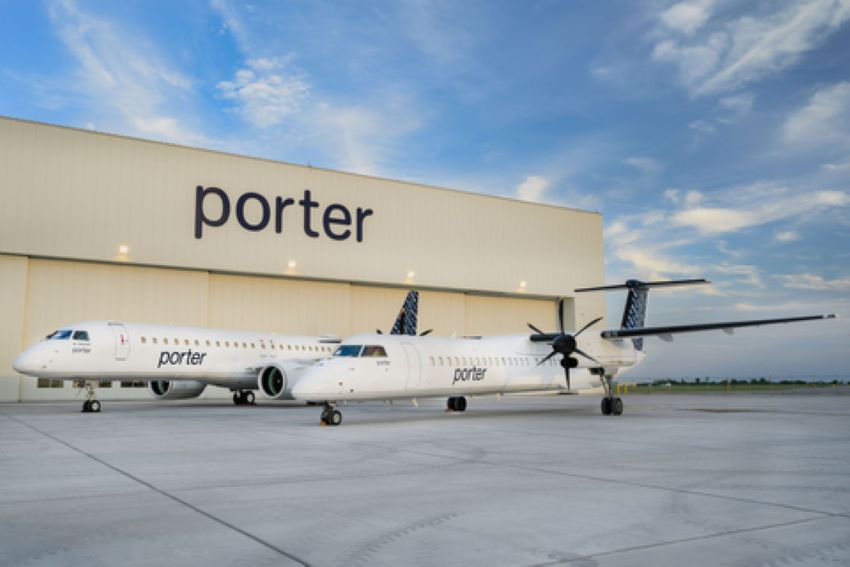
Image generated with Ai
Quebec joins Vancouver, Edmonton, Calgary, Halifax, Winnipeg and more places in boosting Canada travel because Porter Airlines’ new Montreal Metropolitan Airport launch is opening stronger coast-to-coast air links and giving travellers faster access to major tourism, business and regional destinations in 2026. With inaugural services from YHU to Vancouver, Toronto Pearson, Toronto City and St. John’s, along with wider connectivity to Edmonton, Calgary, Halifax, Winnipeg, Moncton, Charlottetown, Quebec City and Hamilton, this expansion is turning Quebec into a powerful new domestic aviation gateway. The move is expected to support tourism growth across Canada by improving regional access, encouraging multi-city trips, easing pressure on larger airports and helping more travellers explore western Canada, Atlantic Canada, Ontario and Quebec through a broader Porter Airlines network.
Quebec has taken centre stage in a dramatic shift in Canadian aviation as Porter Airlines launches one of its largest domestic expansions ever from Montreal Metropolitan Airport (YHU) on June 15. The move connects Quebec directly with major tourism and business hubs including Vancouver, Edmonton, Calgary, Halifax, Winnipeg, Toronto Pearson, Toronto City and St. John’s, reshaping how travellers move across Canada in 2026.
This expansion is not just an airline route update. It is a structural change in Canada’s domestic tourism ecosystem, unlocking faster connectivity, reducing pressure on major hubs, and stimulating travel demand across provinces.
Montreal Metropolitan Airport Becomes a New Aviation Gateway
At the centre of this transformation is Montreal Metropolitan Airport (YHU), which officially began commercial passenger operations with Porter Airlines as its launch carrier.
Advertisement
Advertisement
The airport now functions as a second Montreal aviation gateway, complementing Montréal–Trudeau (YUL) and serving the growing South Shore population.
Advertisement
Advertisement
Key infrastructure strengths include:
- New modern passenger terminal (opened June 2026)
- Capacity designed for around 4 million passengers annually
- Streamlined boarding and expanded check-in zones
- Multi-aircraft compatibility for regional and jet services
This development immediately positions Quebec as a dual-airport powerhouse region, increasing travel flexibility for millions of passengers.
Porter Airlines Launch Network: Full Domestic Route Rollout
Porter Airlines has introduced a wide-ranging domestic network from YHU, covering Canada coast-to-coast. The airline’s expansion includes both business-heavy and leisure-driven destinations.
Key destinations launched include:
- Vancouver (YVR)
- Edmonton (YEG)
- Calgary (YYC)
- Halifax (YHZ)
- Winnipeg (YWG)
- St. John’s (YYT)
- Toronto Pearson (YYZ)
- Toronto City Airport (YTZ)
- Moncton (YQM)
- Charlottetown (YYG)
- Quebec City (YQB)
- Hamilton (YHM)
This route structure ensures that Quebec is now directly linked with western Canada, Atlantic Canada, and major Ontario hubs, eliminating dependency on connecting flights through traditional congestion points.
How Vancouver, Calgary, Edmonton and Winnipeg Are Driving Tourism Growth
The inclusion of western cities plays a major role in boosting Canada’s 2026 tourism economy.
Advertisement
Advertisement
Vancouver (YVR)
Vancouver acts as a Pacific gateway, attracting international arrivals from Asia-Pacific markets. The direct YHU–YVR route strengthens:
- Cruise tourism to Alaska
- Urban tourism in British Columbia
- Gateway connectivity to Asia-Pacific travellers
Calgary (YYC)
Calgary fuels tourism to:
- Banff and Canadian Rockies
- Alberta winter sports destinations
- Business tourism and conventions
This route supports year-round visitor flows to Canada’s most iconic mountain regions.
Edmonton (YEG)
Edmonton strengthens:
- Northern Alberta tourism circuits
- Festival tourism (Edmonton Fringe, cultural events)
- Arctic gateway connections for domestic explorers
Winnipeg (YWG)
Winnipeg boosts:
Advertisement
Advertisement
- Prairie tourism circuits across Manitoba
- Cultural and heritage tourism growth
- Central Canada connectivity balance
Together, these cities expand Canada’s internal tourism geography, encouraging multi-city travel itineraries across provinces.
Atlantic Canada Expansion: Halifax and St. John’s Tourism Boost
Porter’s expansion into Atlantic Canada is equally significant.
Halifax (YHZ)
Halifax strengthens:
- Coastal tourism in Nova Scotia
- Maritime heritage travel routes
- Cruise and seasonal tourism traffic
St. John’s (YYT)
St. John’s boosts:
- Newfoundland scenic tourism
- Adventure and nature travel demand
- East coast cultural tourism experiences
These connections allow Quebec travellers to access Atlantic Canada in short-haul, direct flights without western transfers.
Advertisement
Advertisement
Ontario Connectivity: Toronto Pearson and Toronto City Advantage
Ontario remains the backbone of Porter’s expansion strategy.
✈️ Toronto Pearson (YYZ)
- High-capacity international hub
- Business travel corridor linking Montreal–Toronto–global routes
Toronto City Airport (YTZ)
- Premium business traveller segment
- Short-haul convenience for corporate travel
- Faster downtown access compared to Pearson
These dual Toronto routes position Porter as a dominant short-haul competitor in Canada’s busiest air corridor.
How This Expansion Is Transforming Canada Travel in 2026
The Porter Airlines expansion is reshaping Canada’s aviation and tourism landscape in several key ways:
1. Coast-to-Coast Connectivity Revolution
Passengers can now travel between:
- Quebec ↔ British Columbia
- Atlantic Canada ↔ Western Canada
- Prairie provinces ↔ Eastern hubs
This eliminates multi-stop dependency and reduces total travel time across Canada.
Advertisement
Advertisement
2. Stronger Business Travel Networks
Cities like Toronto, Calgary, Edmonton, and Vancouver now form a high-frequency corporate travel loop, improving:
- Business meetings efficiency
- Conference accessibility
- Interprovincial trade connectivity
3. Tourism Redistribution Across Provinces
The network encourages tourists to:
- Start trips in Quebec
- Extend travel into western Canada
- Explore Atlantic Canada in single itineraries
This boosts hotel occupancy rates across multiple provinces rather than concentrating demand in one region.
4. Growth of Secondary Airports
The use of Montreal Metropolitan Airport (YHU) signals a broader trend:
- Reduced congestion at major hubs
- Better regional accessibility
- Lower operational pressure on Montréal–Trudeau (YUL)
Fleet Strategy Supporting the Expansion
Porter Airlines is operating a dual aircraft model:
Advertisement
Advertisement
- Embraer E195-E2 jets for long-haul domestic routes (e.g., Vancouver)
- Dash 8-400 turboprops for regional connectivity
Passenger experience highlights include:
- No middle seats on jets
- Complimentary onboard service
- Free Wi-Fi on E195-E2 aircraft
- Premium economy-style comfort positioning
This helps Porter compete directly with major Canadian carriers on quality and comfort.
Economic and Tourism Impact Across Canada
This expansion is expected to significantly influence Canada’s tourism ecosystem in 2026:
- Increased interprovincial travel demand
- Higher domestic tourism spending
- Growth in regional airport economies
- Improved accessibility for remote destinations
- Strengthened inbound tourism distribution from Montreal
Quebec becomes a central distribution hub for national tourism movement, linking all major Canadian regions through one unified network.
A New Competitive Era in Canadian Aviation
The launch marks a turning point in Canada’s aviation structure. Porter Airlines is no longer a regional player—it is now positioning itself as a coast-to-coast domestic carrier, challenging traditional airline dominance.
Advertisement
Advertisement
With Vancouver, Calgary, Edmonton, Halifax, Winnipeg, Toronto, and St. John’s now integrated into its Montreal network, Canada’s travel landscape is entering a new phase of competition, accessibility, and tourism expansion.
Quebec’s role in this transformation is decisive. With Montreal Metropolitan Airport emerging as a new aviation gateway, Porter Airlines has effectively redrawn Canada’s domestic travel map.
Quebec joins Vancouver, Edmonton, Calgary, Halifax, Winnipeg and more places in boosting Canada travel as Porter Airlines’ new Montreal Metropolitan Airport launch strengthens coast-to-coast air links and opens faster access to key tourism and business hubs in 2026.
The combined connectivity of Vancouver, Edmonton, Calgary, Halifax, Winnipeg, Toronto, and Atlantic Canada is not just improving transport—it is actively reshaping how Canada travels, connects, and grows its tourism economy in 2026.
Advertisement
