
Visit Baltimore Celebrates Tourism Success, “Flips the Record” on Misperceptions with the B-Side at Annual Meeting

Published
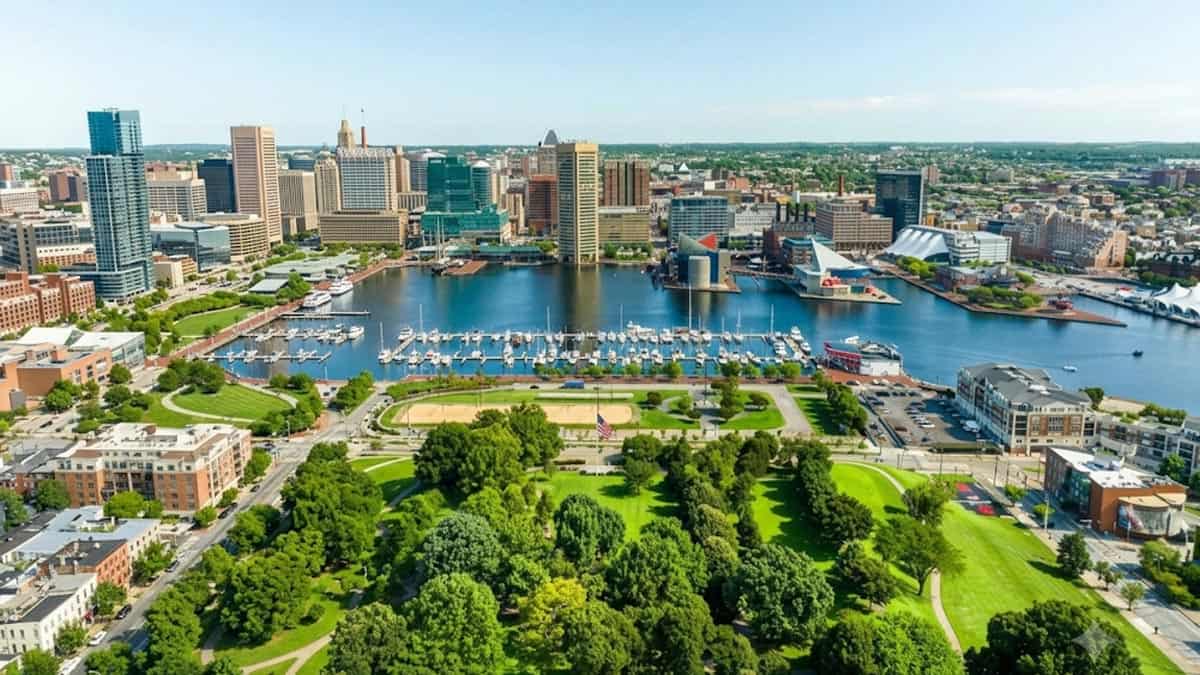
Visit Baltimore has used its latest annual meeting to highlight the continuing importance of tourism, hospitality, culture and events to the city’s economy, while introducing a stronger public-facing focus on changing perceptions of the destination.
The official destination sales and marketing organisation for Baltimore held its annual meeting on 1 October at the Baltimore Museum of Industry, bringing together more than 300 tourism industry partners, elected officials and local stakeholders. The event combined destination performance figures with a community-focused discussion about Baltimore’s identity and the role tourism can play in supporting its future.
How is Baltimore’s tourism sector performing?
According to data from Longwoods International presented by Visit Baltimore, the city welcomed more than 28.7 million visitors in 2025. Those visitors generated more than $4.3 billion for the local economy, underlining the scale of tourism’s contribution to Baltimore.
The figures provide an important measure of the destination’s visitor economy. They also demonstrate how tourism activity extends beyond hotels and attractions, supporting restaurants, cultural venues, transportation providers, retail businesses, event organisers and other parts of the hospitality ecosystem.
Advertisement
Advertisement
For a city seeking to strengthen its visitor proposition, these economic figures offer a useful benchmark. They show that Baltimore’s tourism sector has a substantial base from which future destination development, marketing and investment can build.
Visit Baltimore used the annual meeting to connect these results with its wider community mission. President and CEO Kireeem Swinton said the organisation’s work is intended to benefit both people whose livelihoods depend directly on hospitality and residents who may not always recognise how extensively tourism affects the local economy.
Advertisement
Advertisement
What role does tourism play in Baltimore’s economy?
Tourism operates across a broad section of Baltimore’s economy. Visitor spending can reach accommodation providers, restaurants, attractions, museums, entertainment venues and local businesses, while meetings and major events can generate additional demand for hotel rooms and related services.
Visit Baltimore reported that its team booked 36 citywide events and more than 200,000 room nights during Fiscal Year 2026. Such bookings are particularly relevant to the meetings and events sector because large gatherings can generate visitor activity across multiple parts of the city rather than concentrating spending around a single attraction.
Advertisement
Advertisement
The organisation also reported more than 300 million marketing impressions during the year. One notable campaign placement included a commercial that aired during multiple national primetime broadcasts of Abbott Elementary, providing Baltimore with exposure to a broad television audience.
For destination marketing organisations, visibility is only one part of the equation. Converting awareness into visits, overnight stays, meetings and spending remains central to the long-term value of tourism promotion.
Why is the B-Side campaign important?
The B-Side of Baltimore was a central theme of this year’s annual meeting. The local pride campaign has been designed around Baltimore’s musical heritage and the renewed popularity of vinyl records.
Its central concept is to “flip the record” on perceptions of Baltimore that the campaign argues have been repeated too often, encouraging residents and visitors to explore different stories and experiences across the city.
Advertisement
Advertisement
Rather than presenting Baltimore solely through conventional destination marketing, the B-Side approach places greater emphasis on local identity, community experiences and the people who contribute to the city’s cultural character.
That approach is significant for destination marketing because perceptions can influence travel decisions before potential visitors begin researching attractions, accommodation or events. A campaign that introduces different narratives can therefore become part of a wider effort to broaden awareness of what a destination offers.
The campaign also reflects an important distinction between marketing a place and developing local pride. When residents actively communicate positive experiences about their city, they can become influential informal ambassadors for the destination.
How are residents connected to Baltimore’s visitor economy?
Visit Baltimore said approximately half of its visitors come to the city to see friends and family. This makes the resident experience particularly relevant to tourism performance.
Friends and relatives can influence where visitors eat, what they see, which neighbourhoods they explore and how they remember the destination. Their recommendations can also affect whether visitors return or encourage others to visit.
Swinton said the B-Side campaign seeks to bring the energy and authenticity of Baltimore’s communities to the forefront. Visit Baltimore also credited Mayor Brandon M. Scott’s administration with recognising the value of the initiative and providing American Rescue Plan Act funds to support it.
Advertisement
Advertisement
The relationship between residents and visitors is increasingly important across destination management. Successful tourism strategies need to consider not only visitor numbers but also how tourism interacts with everyday community life.
For Baltimore, the B-Side provides a platform for highlighting local stories while connecting them with the city’s broader tourism proposition.
What did Baltimore leaders say about tourism?
Mayor Brandon M. Scott highlighted tourism’s connection with hotels, local businesses and the city’s general fund. He also pointed to wider investments and developments taking place across Baltimore, including work associated with Harborplace.
Scott said Visit Baltimore plays a critical role in ensuring visitors and residents can see and experience the benefits of these investments. His comments positioned tourism as part of a wider economic and urban development strategy rather than an isolated promotional activity.
Otis Rolley, President and CEO of the Baltimore Development Corporation and Chairman of the Baltimore Convention and Tourism Board, also addressed the importance of alignment across the city’s economic development organisations.
Rolley described the period as one involving new leadership at Visit Baltimore, Baltimore Development Corporation and other key organisations. He said this creates an opportunity for greater alignment and impact across tourism and economic development.
Advertisement
Advertisement
That coordination can be particularly relevant for destinations where tourism, infrastructure, business development, events and cultural investment overlap.
How is Baltimore strengthening its meetings and events sector?
The booking of 36 citywide events and more than 200,000 room nights in FY2026 demonstrates the significance of group travel and business events within Baltimore’s tourism strategy.
Citywide conventions and large meetings can have a substantial effect on accommodation demand because attendees typically require hotel rooms for multiple nights. They can also generate spending in restaurants, transportation, entertainment and retail.
For destinations competing for conventions, event organisers consider factors including hotel inventory, meeting facilities, accessibility, attractions, destination appeal and the ability of local organisations to support complex programmes.
Visit Baltimore’s reported room-night performance therefore provides an indication of the organisation’s role in attracting group business. Continued event bookings can also help provide a more balanced visitor economy by complementing leisure travel.
The city’s cultural institutions and entertainment offering add another dimension to that proposition, giving event attendees opportunities to experience Baltimore beyond conference venues.
Advertisement
Advertisement
What recognition did Visit Baltimore receive?
The organisation also highlighted several achievements from the past year. Visit Baltimore received five 2025 Adrian Awards from the Hospitality Sales and Marketing Association International, recognising work in hospitality sales and marketing.
The organisation was also named among The Baltimore Sun’s Top Workplaces of 2025. Such recognition provides an additional indication of the organisation’s position within Baltimore’s business and tourism community.
However, the annual meeting focused not only on organisational recognition but also on individuals contributing to the wider tourism ecosystem.
The Visit Baltimore Tourism Awards recognised three industry and community leaders: Chris Riehl, John Tyler and Asma Naeem.
Who received the Visit Baltimore Tourism Awards?
Chris Riehl, owner of Rent-a-Tour, received the Charm City Champion award. Visit Baltimore highlighted his leadership roles in state tourism and his work introducing thousands of visitors to Baltimore’s people, places and stories.
John Tyler, founder of Love Groove Productions, received the Bridge Award. A native Baltimorean and Emmy Award-winning composer, Tyler has spent the past decade creating spaces for Baltimore’s music, arts and creative communities.
Advertisement
Advertisement
Asma Naeem, the Dorothy Wagner Wallis Director of the Baltimore Museum of Art, received the William Donald Shaefer Visionary Tourism Award.
Visit Baltimore highlighted Naeem’s leadership at the museum, including her role in bringing the Amy Sherald: American Sublime exhibition to Baltimore. The organisation said the exhibition generated record-breaking attendance and international attention for the city’s arts and culture offering.
The awards collectively demonstrate how tourism is supported by a network extending beyond destination marketing. Tour guides, creative professionals, cultural leaders, museums and community organisations all contribute to how visitors experience a city.
Why does Baltimore’s cultural identity matter to tourism?
Baltimore’s cultural identity is closely connected to its tourism proposition. Music, museums, arts, history, neighbourhoods and locally created experiences can provide visitors with reasons to explore the destination beyond conventional sightseeing.
The B-Side campaign places this cultural identity at the centre of its messaging. Its vinyl-inspired concept also creates a direct connection between Baltimore’s musical heritage and a contemporary destination marketing strategy.
Cultural tourism can be particularly valuable because it encourages visitors to engage with places through experiences rather than simply landmarks. Museums, live music, creative events, food and neighbourhood experiences can extend visitor stays and encourage repeat travel.
Advertisement
Advertisement
The recognition of Naeem, Tyler and Riehl at the annual meeting reflects this broader ecosystem. Their work represents different aspects of the visitor experience, from guided discovery and creative communities to major cultural institutions.
What does the annual meeting mean for Baltimore’s tourism outlook?
The annual meeting presented Baltimore’s tourism performance through three interconnected themes: economic contribution, destination marketing and community identity.
The reported 28.7 million visitors and more than $4.3 billion in economic impact demonstrate the existing scale of the visitor economy. Meanwhile, the 36 citywide events and more than 200,000 room nights booked in FY2026 illustrate the importance of meetings and group business.
At the same time, the B-Side campaign shows that Visit Baltimore is seeking to influence how the destination is understood, using local stories and cultural identity as part of its strategy.
For travel industry stakeholders, the combination is significant. Destination competitiveness increasingly depends on more than attractions alone. It requires coordinated marketing, strong hospitality infrastructure, compelling events, cultural assets, community engagement and clear communication about what visitors can experience.
Baltimore’s annual meeting therefore provided both a review of recent performance and an indication of where the destination is placing attention next. The city is continuing to build its tourism proposition around economic activity while giving greater visibility to the people, culture and experiences that distinguish Baltimore.
Advertisement
Advertisement
What should travellers know about Baltimore?
Travellers considering Baltimore can expect a destination where tourism intersects with history, arts, music, museums, events and local communities. The city’s tourism strategy is increasingly focused on presenting these elements as interconnected experiences rather than separate attractions.
The B-Side campaign adds another layer by encouraging visitors to look beyond established perceptions and discover stories rooted in Baltimore’s communities.
For the travel industry, the message is equally relevant. Baltimore is positioning tourism as an economic activity with measurable benefits while also emphasising the role of local culture and resident participation in shaping the visitor experience.
As Visit Baltimore moves forward, the combination of visitor growth, major event bookings, destination marketing and community-focused storytelling will remain important indicators of how the city develops its position within the competitive US travel market.
Image: Visit Baltimore
Advertisement
