
Qantas Flight QF21 from Melbourne, Australia to Dallas, USA Makes Dramatic Emergency Landing in Papeete, Tahiti After Passenger Assaults Crew Mid-Air

Published
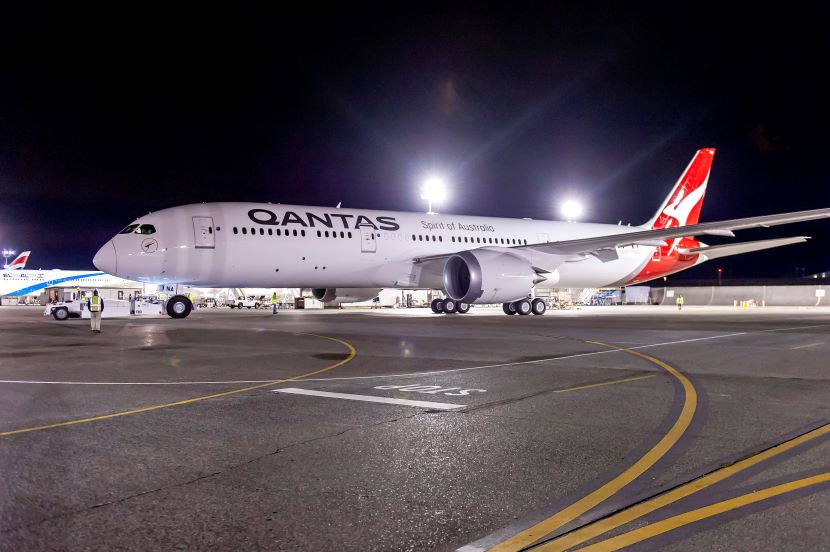
A rare and dramatic incident occurred on Friday, May 15, 2026, when Qantas Flight QF21, a long-haul service traveling from Melbourne, Australia to Dallas/Fort Worth, United States, was forced to make an unplanned emergency landing at Fa’a’ā International Airport in Papeete, Tahiti, after a passenger allegedly bit a flight attendant during the Pacific crossing. The Boeing 787-9 Dreamliner, operating one of Qantas’s ultra-long-haul services, was approximately seven hours into its scheduled 18-hour journey when the disturbance unfolded. Crew members, supported by fellow passengers, intervened to restrain the individual until a safe diversion to Tahiti could be arranged, marking an extraordinary event on what is typically considered a routine international flight.
The incident underscores the unpredictable nature of long-haul air travel, where human behavior, even when isolated to a single passenger, can trigger a chain of operational and safety challenges. For travelers, the event serves as a reminder of the complex logistics and contingency measures inherent to ultra-long-haul flights that cross vast expanses of ocean without immediate access to alternate airports.
Advertisement
Advertisement
Mid-Air Disturbance Escalates Into Critical Situation
Approximately seven hours after departure from Melbourne, the passenger reportedly became increasingly aggressive and uncooperative with cabin crew. According to airline reports, the individual refused to follow crew instructions and ultimately escalated the situation by physically assaulting a flight attendant. The assault involved biting, which triggered an immediate response from crew members and several passengers who intervened to restrain the person.
The pilots, recognizing the severity of the in-flight disruption, determined that the nearest viable airport for a precautionary landing was Fa’a’ā International Airport in Papeete. The decision to divert reflected standard safety protocols that prioritize passenger and crew welfare when threats arise in flight. For ultra-long-haul services traversing remote stretches of ocean, such decisions are critical, as immediate return to the departure airport is rarely feasible.
Advertisement
Advertisement
Emergency Stop at Fa’a’ā International Airport, Tahiti
Fa’a’ā International Airport is the principal gateway to Tahiti and the wider French Polynesia region. Equipped to handle wide-body aircraft like the Boeing 787-9, it frequently serves as a designated alternate airport for long-haul trans-Pacific flights in case of emergencies, whether for mechanical issues, medical emergencies, or security-related disturbances.
Upon landing, local authorities quickly boarded the aircraft and removed the disruptive passenger. The prompt intervention ensured that the remainder of the flight could continue safely, minimizing risk to other passengers and crew. The individual was subsequently banned for life from flying with Qantas and all its subsidiaries, reflecting the airline’s strict policy toward disruptive passenger behavior.
Advertisement
Advertisement
Airline Policies and Crew Response
Qantas maintains a zero-tolerance stance for threatening or disruptive behavior onboard its flights. Crew members are trained extensively to manage emergencies and unruly passengers, with protocols that include restraint, reporting, and coordination with law enforcement upon landing. The Papeete diversion illustrates the effectiveness of these protocols, which enable crew to act decisively in ensuring safety while minimizing further disruption.
The airline’s response also aligns with international civil aviation standards, which require carriers to enforce safety regulations and maintain control over passenger conduct during flight. Unruly or violent behavior that threatens crew or passengers can result in immediate removal, legal action, and permanent bans from travel, demonstrating the serious consequences of in-flight misconduct.
Operational Impacts on Passengers and Schedule
The emergency landing extended the total duration of Flight QF21 by several hours. Passengers experienced delays not only in reaching Dallas but also in connecting flights and onward travel plans. The incident also had operational consequences for the crew, who were required to adhere to duty time regulations while managing an unplanned diversion.
For ultra-long-haul flights like QF21, which traverse over 14,000 kilometers and cross multiple time zones, even minor disruptions can cascade into significant logistical challenges. Fuel planning, airport slots, and international coordination all must be adjusted to accommodate an emergency diversion, highlighting the complexity of operating such services safely and efficiently.
Safety Regulations and Legal Responsibilities
International and national aviation regulations empower flight crews to manage disruptive behavior to protect passengers and maintain operational safety. Authorities, including the Federal Aviation Administration (FAA) in the United States and the Civil Aviation Safety Authority (CASA) in Australia, provide frameworks for airlines to address in-flight misconduct, including diversion authority, passenger restraint, and collaboration with law enforcement.
Passengers who assault or threaten crew members face severe consequences, including fines, criminal charges, and permanent travel bans. Airlines are legally obligated to report incidents to regulatory authorities, who may pursue further investigation or prosecution based on the severity of the conduct. This framework ensures a strong deterrent against behavior that compromises safety during international flights.
Advertisement
Advertisement
Strategic Importance of Diversion Airports
Airports like Fa’a’ā International serve as critical contingency points on long-haul routes. Strategically located between Australasia and North America, Papeete provides the necessary infrastructure to manage emergencies on flights crossing vast oceanic distances where immediate returns to departure airports are not possible.
The QF21 incident demonstrates the importance of alternate airports in flight planning, allowing carriers to respond quickly to unexpected in-flight situations without compromising passenger safety. For long-haul operators, having well-equipped diversion airports along a route is an essential component of operational planning, crew training, and risk management.
Broader Implications for Long-Haul Air Travel
Disruptive passenger incidents, though rare, have become a growing concern for airlines worldwide. Such events place pressure on crew, impact flight schedules, and can affect passenger confidence in long-haul travel. As a result, carriers continue to invest in crew training, enhanced passenger engagement, and the enforcement of in-flight conduct policies.
The QF21 diversion also highlights the importance of contingency planning, both in airline operations and in passenger awareness. Travelers on ultra-long-haul flights must recognize the complexity of international air travel and the procedures in place to manage emergencies, whether related to weather, technical issues, or human behavior.
Crew Welfare and Passenger Safety
The flight attendant who was bitten received medical attention upon landing in Papeete. No serious injuries were reported, and the remaining passengers were able to continue safely to Dallas. This outcome underscores the effectiveness of immediate crew response, passenger intervention, and rapid coordination with local authorities in mitigating the impact of in-flight incidents.
Maintaining crew and passenger welfare remains a top priority for airlines operating ultra-long-haul services. Incidents like QF21 serve as case studies for improving operational protocols, emergency preparedness, and safety measures across global airline networks.
Advertisement
Advertisement
Conclusion: A Test of Protocol and Preparedness
The emergency landing of Qantas Flight QF21 in Papeete, Tahiti stands as a vivid reminder of the unpredictable challenges faced during long-haul air travel. From human behavior to operational logistics, the incident underscores the importance of strict airline policies, crew training, and the strategic placement of alternate airports along remote flight corridors.
For passengers and the travel industry alike, the event highlights both the risks and the preparedness measures that enable ultra-long-haul flights to operate safely even under extraordinary circumstances. Qantas’s swift action, combined with local enforcement and pre-established safety protocols, ensured that the flight could continue its journey to Dallas without further incident, preserving the safety and security of all on board.
Image: Qantas
Advertisement
