

Iceland Tourism Faces New Sustainability Test as Reykjavik Hosts Nordic Research Forum

Published
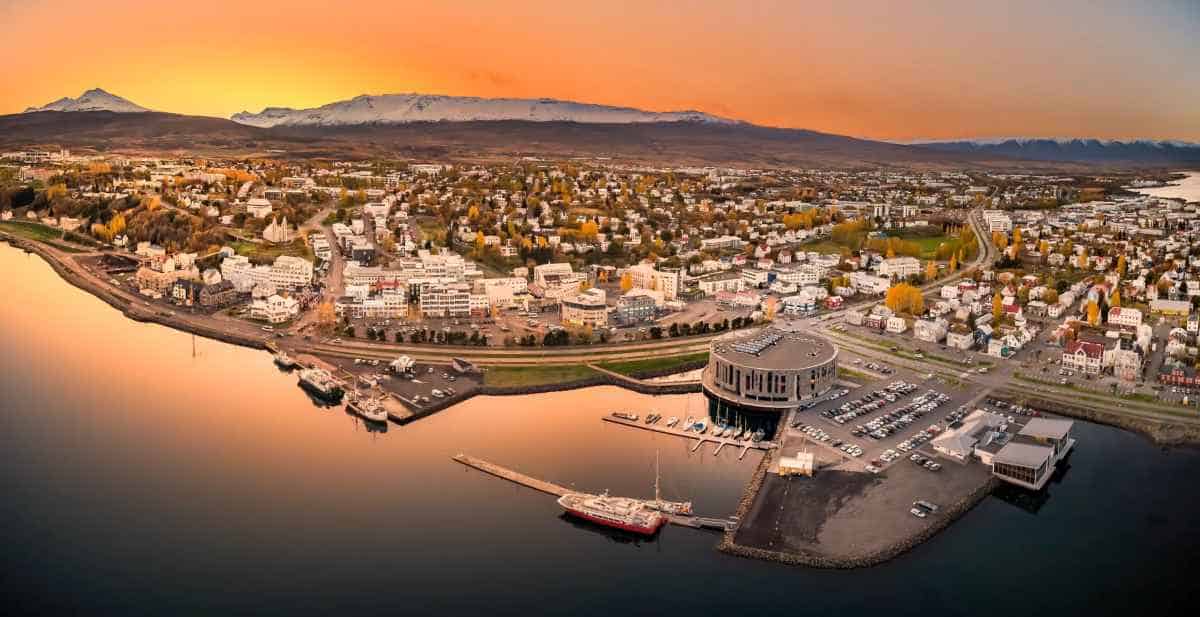
The future of Iceland tourism has begun a new era of critical analysis with the advent of the 34th Symposium on Nordic Tourism and Hospitality Research in Reykjavik from October 6-8, 2015, where approximately 190 researchers and delegates of tourism have gathered from 27 different countries. This comes at a time when Iceland has begun trying to find ways to sustain its natural beauty amidst the pressure of foreign tourists while safeguarding its environment. The symposium that has been organised by the Icelandic Tourism Research Centre is themed around “Tourism in a Changing World: An Active Agent for Good?” The deliberations include how the industry would address various pressures, including climate, visitors, technology and the boundaries set by destinations.
Iceland Tourism Growth Meets Carrying Capacity
Iceland welcomed just under 2.3 million foreign overnight visitors in 2025, bringing international tourism close to the country’s previous high levels. However, the latest outlook points towards a more measured market in 2026.
Advertisement
Advertisement
The Icelandic Tourist Board’s forecasting model, cited by the OECD, projects around 2.22 million international tourist arrivals for 2026, representing a 2.2% decline from 2025.
That does not remove tourism’s importance to the economy. Tourism directly contributed ISK 400 billion to Iceland’s GDP in 2024, equivalent to 8.7% of total GDP. Travel also generated ISK 448 billion in international receipts during the same year.
Advertisement
Advertisement
The figures explain why managing visitor growth is becoming as important as attracting visitors.
Nature Remains Iceland’s Biggest Travel Draw
Iceland’s appeal continues to centre on landscapes that are difficult to replicate elsewhere. Glaciers, volcanoes, geothermal areas, black-sand beaches, waterfalls and highland routes form the foundation of the country’s nature-led tourism economy.
Advertisement
Advertisement
The Golden Circle remains one of the most accessible routes from Reykjavik, while the South Coast connects visitors with waterfalls, volcanic landscapes, glaciers and the black sands around Vík.
Northern Iceland provides another growing tourism circuit, with the Diamond Circle, Lake Mývatn, Húsavík and the Arctic Coast Way offering alternatives to the heavily visited areas around the capital.
This geographic spread is increasingly relevant to destination management because concentrating visitors around a limited number of attractions can place pressure on roads, footpaths, parking areas and fragile natural environments.
Geothermal Wellness Adds Another Layer to Iceland Travel
Geothermal bathing remains one of Iceland’s strongest tourism experiences and continues to expand beyond traditional spa visits.
The country’s geothermal landscape allows travellers to combine wellness with nature-based itineraries. Reykjavik and surrounding areas provide easy access to geothermal experiences, while North Iceland is adding new wellness products around Lake Mývatn and Akureyri.
New and upgraded geothermal facilities are also supporting regional tourism by encouraging visitors to spend more time outside the capital.
Advertisement
Advertisement
For travellers, this creates an opportunity to build itineraries around slower experiences rather than moving rapidly between major attractions.
Northern Lights Keep Iceland Strong in Winter
The Northern Lights remain another major reason for international visitors to travel to Iceland outside the summer season.
Iceland’s location beneath the auroral oval gives the country a strong position for winter aurora tourism. The 2026 season is also taking place after the recent period of high solar activity, creating continued interest in aurora viewing and space-weather experiences.
Northern Lights tourism can also support regional travel when combined with accommodation, geothermal bathing, local food and guided outdoor activities.
However, winter travel requires careful planning. Icelandic weather can change rapidly, with strong winds, snow and road disruption affecting journeys across the country.
Reykjavik Becomes Tourism Research Hub
As far as the Nordic symposium, Reykjavik becomes the central topic in the discussion about the way destinations have to cope with the problem of handling their situation as tourism plays an important role for them economically. There will be 28 sessions, five workshops and two panels at the conference which discuss various issues, including sustainability, climate change, visitor management, wellbeing, artificial intelligence and regenerative tourism. The problem, which will be addressed during the symposium, is the ways in which destinations can provide value to tourists and locals while avoiding strain on natural resources. It is particularly important for Iceland since the country is developing its tourism industry not only in Reykjavik and other advanced destinations. As for foreign tourists, the process becomes increasingly evident: Iceland remains a nature destination; however, the future of Iceland’s tourism depends on the way it copes with the demand.
Advertisement
