
Spanish Grand Prix 2026 Madrid F1: Sports Tourism, Logistics & Fan Guide

Published
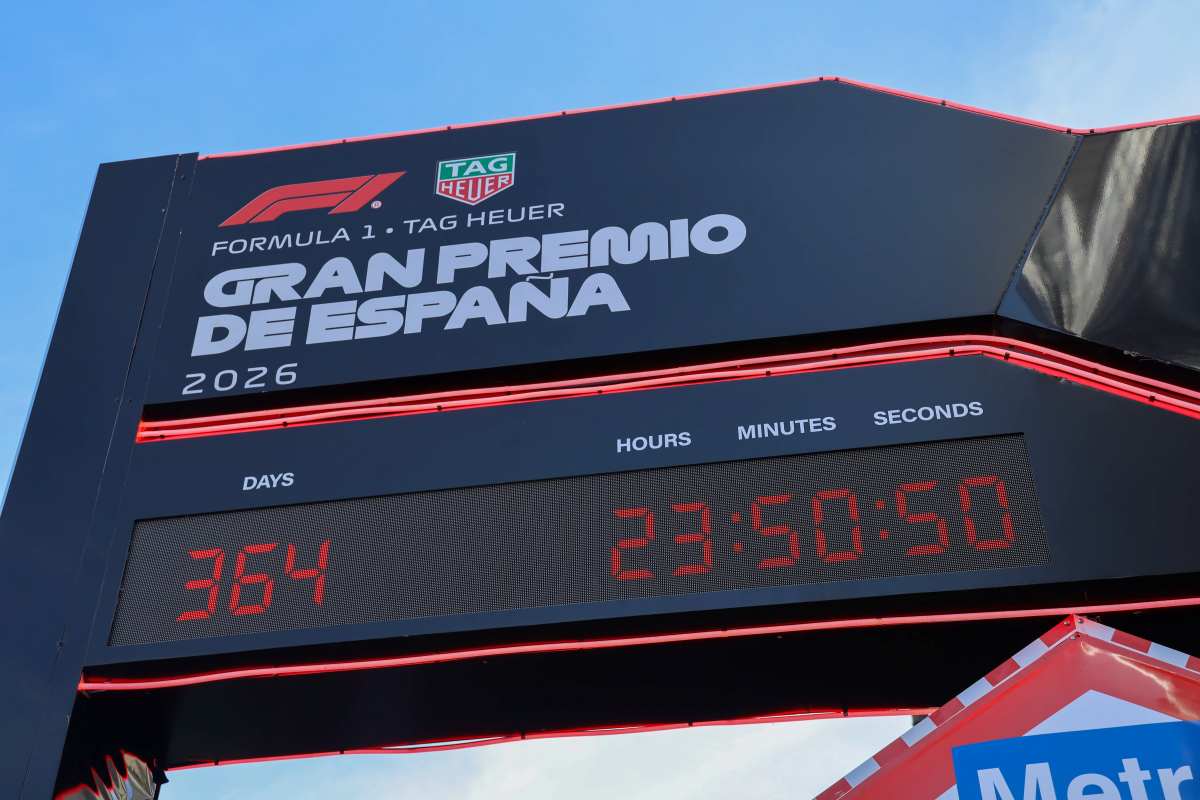
The Formula 1 Spanish Grand Prix, scheduled for 11-13 September 2026 in Madrid, Spain, is analyzed herein as a premier benchmark for modern sports tourism and high-capacity event logistics. Official guidance published via formula1.com forms the baseline for this evaluation. Municipal readiness, visitor flow architectures, and macroeconomic yields are assessed through formal structural lenses. Strategic parameters are deployed across the metropolitan grid to harmonize spectator density, public transit loads, and commercial hospitality delivery.
Background and Context
The relocation and staging of the event within the capital region of Madrid represent a strategic evolution in European motorsport hosting models. Urban circuit integration frameworks were authorized following extensive municipal feasibility assessments, environmental impact reviews, and logistical capacity audits coordinated with regional transport authorities.
Historical hosting precedents centered on dedicated permanent racing facilities are complemented or superseded here by a hybrid circuit design that leverages urban arterial corridors alongside purpose-built technical segments. Governance structures governing the fixture involve multi-agency collaboration between regional governmental bodies, municipal transit agencies, commercial rights holders, and security directorates.
Financial risk-sharing models have been structured to minimize direct public expenditure while maximizing long-term destination branding value for Madrid. Urban regeneration objectives are embedded directly into the circuit blueprint, ensuring permanent improvements to utility corridors, acoustic barriers, pedestrian overpasses, and high-speed transit connections. Regulatory compliance requirements mandated by international sporting federations dictate stringent track homologation standards, medical extraction timelines, and paddock sustainability metrics, all of which are integrated into the baseline timeline leading up to September 2026.
Advertisement
Advertisement
Impact on Travellers
Visitor flows associated with the September fixture generate profound structural adjustments across regional hospitality, aviation, and urban mobility networks. Accommodation capacity metrics indicate near-full occupancy projections across central Madrid and surrounding suburban districts, prompting dynamic rate stratification across hotel inventories and short-term rental platforms.
Public transit corridors connecting primary aviation hubs, high-speed rail terminals, and the circuit perimeter are subjected to capacity-surge management protocols. Dedicated shuttle frequencies are scheduled for implementation, while regular metro and commuter rail schedules are augmented during peak arrival and departure windows. Roadway closures surrounding the circuit perimeter necessitate comprehensive commuter advisory campaigns, encouraging modal shifts toward rail and active mobility networks where feasible.
Advertisement
Advertisement
Ticketing verification architectures, managed digitally via official channels such as formula1.com, require advance credential synchronization to mitigate fraudulent resale and queue bottlenecks at entry gates. Accessibility standards for neurodivergent and mobility-impaired spectators are integrated into grandstand design specifications, featuring designated viewing platforms, dedicated transit assistance staff, and tactile wayfinding systems. Consumer protection frameworks regarding weather-related session adjustments or schedule modifications are communicated directly through official digital touchpoints, reducing consumer friction and uncertainty for international travelers.
Industry Insights
Commercial activation strategies surrounding the fixture reflect a maturation in corporate hospitality tiers and experiential fan engagement. Traditional corporate suites are augmented by modular hospitality villages offering localized culinary curation, tech-driven simulation zones, and brand-partner activation footprints aligned with corporate sustainability mandates.
Broadcast logistics utilize high-density fiber-optic networks deployed specifically for low-latency multi-angle streaming and international feed distribution. Editorial coverage coordinated through official digital platforms emphasizes narrative depth, technical telemetry visualization, and behind-the-scenes operational transparency, fostering deeper fan loyalty.
Sponsorship integration models prioritize measurable carbon offset contributions, circular waste management systems within the paddock, and localized SME supply chain integration rather than traditional extractive branding. Ticket tiring analytics reveal a rising demand for experiential bundles combining pit-lane walk access, guided technical tours, and accommodation integration, signaling a structural shift from passive spectator attendance to high-value experiential tourism consumerism. Risk mitigation protocols for corporate sponsors include flexible force majeure clauses and digital-first fallback engagement channels designed to maintain brand visibility should physical attendance dynamics shift unexpectedly.
Practical Information
Official ticketing channels, race schedules, circuit map coordinates, and real-time operational updates are hosted centrally on formula1.com. Spectators are advised to complete digital ticket wallet loading prior to arrival to expedite checkpoint processing.
Access protocols dictate tiered entry windows based on grandstand zones, mitigating congestion at pedestrian choke points. Prohibited item lists enforce strict limitations on container types, acoustic devices, and large baggage formats, with locker and baggage-drop facilities positioned outside perimeter security rings.
Advertisement
Advertisement
Medical aid stations, hydration distribution points, and multilingual guest-services booths are mapped at regular intervals across spectator zones. Emergency notification systems rely on cell-broadcast geo-targeting and public address integration to deliver immediate safety instructions in the event of severe weather or operational interruptions. Official merchandise retail hubs operate under cashless transaction mandates, utilizing dynamic inventory replenishment systems linked to central warehouse logistics in the Madrid industrial periphery. Public transit integration allows ticket holders to utilize designated regional transit passes bundled or coordinated via official visitor portals, reducing individual ticketing friction upon arrival at subterranean and overland rail nodes.
Comparison with Previous Policies or Developments
Contrasting the 2026 Madrid deployment with legacy Spanish Grand Prix editions hosted at traditional permanent circuits reveals a paradigm shift from isolated sports entertainment towards integrated urban placemaking. Legacy operational models relied heavily on self-contained peripheral parking lots, linear traffic ingress-egress schemes, and localized hospitality units detached from urban economic centers.
Digital maturity marks another critical divergence. Whereas historical editions depended heavily on physical ticket distribution, paper parking vouchers, and fragmented local information desks, the contemporary framework enforced via formula1.com establishes an end-to-end digital lifecycle for visitor management, credential validation, and real-time crowd density balancing.
Environmental mandates have evolved from voluntary green-label initiatives to mandatory circular economy metrics, including zero-single-use-plastic enforcement across catering zones, mandatory renewable energy generation for temporary paddock microgrids, and strict acoustic emission caps negotiated with municipal residential boards. Public-private risk allocation has likewise transitioned from legacy municipal subvention models toward revenue-indexed long-term hosting concessions that tie public infrastructure investments directly to measurable multi-year tourism yield targets from Grand Prix. Spatial integration models demonstrate that motorsport fixtures are no longer treated as standalone weekend anomalies, but rather as stress-testing catalysts for smart-city mobility grids, digital twin traffic simulation validation, and permanent urban amenity enhancement.
Image Credits- https://www.madring.com/en/eventos/countdown
Advertisement
