
St Kitts and Nevis Links Climate Action With Luxury Tourism in Basseterre

Published
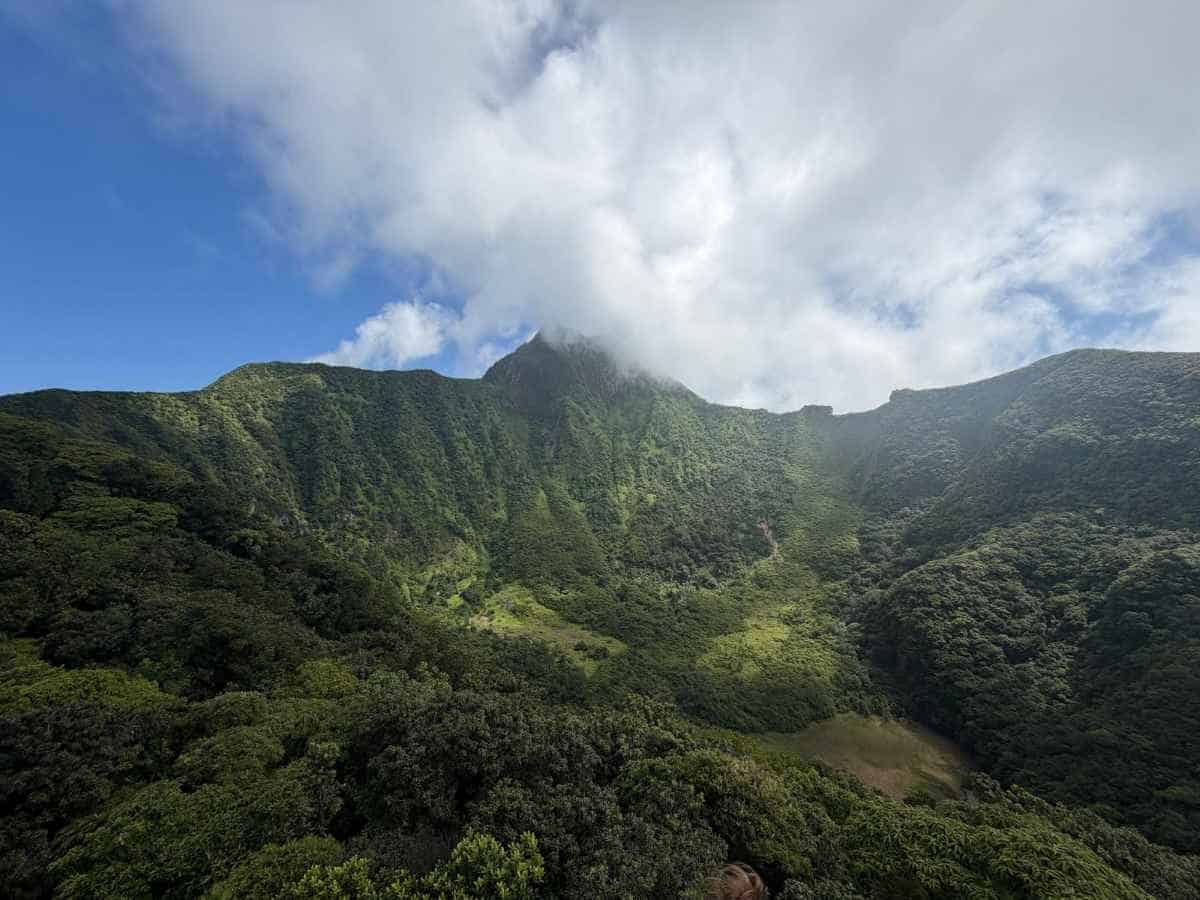
Climate resilience and sustainable development are central aspects of the current planning in St Kitts and Nevis, making a greater link between international policy participation and the Federation’s tourism economy. Basseterre, the capital city of St Kitts, is one of the venues where this dialogue takes place as the country moves toward achieving its Sustainable Island State. A national capacity-building workshop in collaboration with the UN Economic Commission for Latin America and the Caribbean (ECLAC) was scheduled to be held in Basseterre from September 28 to October 1, 2026. The workshop would focus on cost-benefit analysis, aiding senior government officials and technical staff members in making sound decisions regarding investments in public services through better decision-making informed by data. The workshop was officially listed, although the title provided, “National Capacity & Regional Climate Symposium Sessions,” was not the actual title of the workshop. The official stated purpose of the workshop was to enhance national sustainable development and resilience planning. In terms of the tourism industry, the larger story is how climate policy, infrastructure investment, and environmental protection relate to the sustainability of the Caribbean destination known for its beaches and resorts.
Basseterre Places Sustainable Development on the Agenda
The ECLAC workshop was designed to improve the ability of government officials to assess policy and project proposals, including their costs, benefits and potential returns.
Advertisement
Advertisement
The programme formed part of a regional initiative supporting Caribbean small island developing states. It followed earlier capacity-building activities in St Kitts and Nevis covering project preparation, strategic policy planning and statistical analysis.
The emphasis on investment appraisal is particularly relevant to island economies, where public resources are limited and infrastructure decisions can carry long-term consequences.
Advertisement
Advertisement
Climate adaptation, water security, transport and energy planning all require careful evaluation. For St Kitts and Nevis, stronger technical capacity can help decision-makers compare development options while accounting for economic resilience and sustainability.
The Sustainable Island State Agenda Shapes the Country’s Direction
The Federation’s Sustainable Island State Agenda, or SISA, sets a national development direction towards 2040.
Advertisement
Advertisement
Its seven pillars cover energy transition, water security, food security, sustainable industry, sustainable settlements, circular economy, and social protection and health.
Tourism sits within this wider framework. The national vision calls for a resilient, sustainable, year-round and community-led visitor economy, linking economic activity with environmental care and local participation.
Advertisement
Advertisement
That ambition has direct relevance to hotels, villas, restaurants and tourism operators. Reliable water supplies, energy systems, coastal protection and resilient infrastructure influence both operating costs and the visitor experience.
The strategy also provides a policy framework for attracting investment into renewable energy, sustainable infrastructure and climate-conscious development.
South Friars Bay Brings the Coastal Experience Into Focus
South Friars Bay, on St Kitts’ southern peninsula, offers a quieter coastal setting compared with the capital. Its beach, surrounding hills and sea views contribute to the island’s appeal among visitors seeking a relaxed Caribbean stay.
The supplied event concept describes diplomats and sustainability entrepreneurs moving between technical discussions and informal coastal gatherings. While the specific conference-villa programme and sunset networking activities were not independently confirmed, the combination of business travel and leisure experiences reflects a wider opportunity for the destination.
Advertisement
Advertisement
The southern peninsula gives visitors access to beaches and resort accommodation, while Basseterre provides a historic and commercial centre for exploring the island’s culture and everyday life.
St Kitts Marriott Connects Resort Stays With Business Travel
The St Kitts Marriott Beach Resort, Casino & Spa is located in Frigate Bay and forms part of the island’s established resort accommodation market.
Its location provides a base for leisure stays and access to the southern coastal area. Basseterre offers a different experience through its historic centre, shops, local restaurants and cultural attractions.
For business travellers, resort facilities can support a stay that combines meetings with time outside the conference environment. For leisure visitors, the same location offers access to the island’s beaches and wider sightseeing opportunities.
The Marriott was not identified in the official ECLAC event listing as the workshop venue, so it should not be presented as the confirmed meeting location.
Climate Resilience Has Direct Implications for Tourism
St Kitts and Nevis faces environmental pressures common to small island states, including hurricanes, water scarcity, flooding and changing rainfall patterns.
Advertisement
Advertisement
These challenges affect more than public infrastructure. They can influence coastal ecosystems, agricultural production, energy supply and the reliability of services used by residents and visitors.
The Federation’s renewable energy ambitions, including its stated target of 100 per cent renewable electricity generation by 2030, form part of its wider sustainability direction.
For tourism businesses, progress in energy efficiency, water management and climate adaptation can influence long-term operating conditions. Protecting beaches and coastal environments is also central to maintaining the natural features that attract international visitors.
The policy challenge is to balance development with the protection of the landscapes and resources on which the visitor economy depends.
Beyond the Conference Room: Exploring St Kitts
For visitors who base themselves in either Basseterre or in the southern resort region, there are plenty of opportunities to visit some of the island’s tried-and-tested attractions. The Brimstone Hill Fortress National Park, which is a UNESCO World Heritage Site, is informative about both the island’s colonial past as well as its military heritage. Visitors in the capital have the chance to experience both historic streets as well as the local economy, while those in the southern peninsula enjoy beaches and seaside dining. There is also scope for business and diplomatic travel in the Federation, and this needs to be linked with the nation’s sustainability agenda. Any assertions that the policy programme is already maintaining occupancy rates in luxury villas or mega-yacht facilities need separate data for tourism and accommodation. St Kitts and Nevis is clearly looking at resilience as a national development goal. The extent to which they succeed in linking the two will determine future growth at the destination.
Advertisement
