
Ho Chi Minh City Outpaces Neighbouring Cities in Blooming Sustainable Tourism Across ESG Hotels

Published
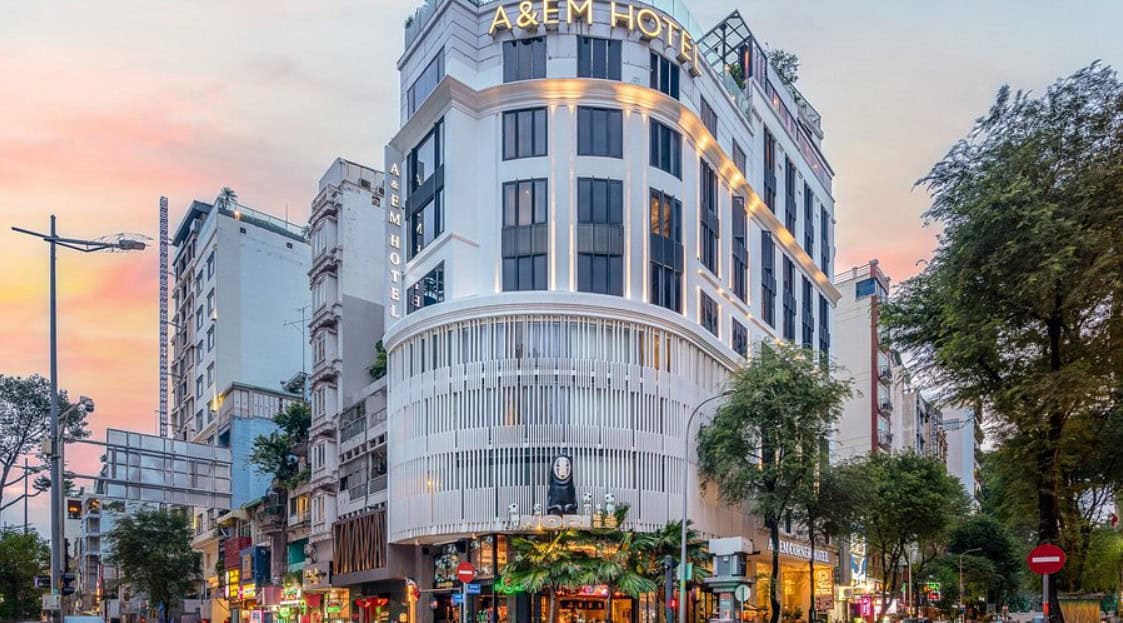
As of 2026, Vietnam’s hospitality industry is experiencing an exceptional trend with its ESG hotels in Ho Chi Minh City leading the industry in sustainability. With respect to neighboring provinces Tay Ninh and Binh Duong, these hotels set greater benchmarks than simply saving energy or water by incorporating all three sustainability pillars of the environment, society, and governance at all levels of their operations. Each hotel is using biodegradable room keys. They are managing leftover food using the circular economy. Ho Chi Minh City has set a new standard in the industry by showing that high-quality services and sustainability are complementary.
Background: The Shift Towards Sustainable Hospitality in Vietnam
As of the latest industry assessments in August 2026, the Vietnamese hospitality sector is experiencing a monumental paradigm shift. Historically, the nation’s tourism success was quantified almost exclusively through sheer visitor volume and gross revenue generation. Following the post-pandemic recovery phase, a profound realisation emerged among industry stakeholders and government ministries alike: unchecked mass tourism is ecologically unsustainable. The Vietnam Tourism Development Strategy for 2030 explicitly pivots the nation towards high-quality, sustainable development models rooted deeply in green growth principles. This strategic realignment aims to balance aggressive economic expansion with stringent environmental protection and community welfare, fundamentally altering how hotels operate across the country.
While the national mandate is clear, the pace of implementation is strikingly uneven across different regions of southern Vietnam. The disparity between urban metropolitan hubs and emerging provincial markets has never been more pronounced. Ho Chi Minh City, serving as the commercial and cultural nucleus of the country, has rapidly transitioned from traditional hospitality frameworks to highly sophisticated ecological models. Conversely, neighbouring provinces such as Binh Duong and Tay Ninh remain largely entrenched in older paradigms. Binh Duong’s hospitality sector continues to cater primarily to fast-paced industrial business travel, prioritising convenience over conservation. Tay Ninh, heavily reliant on domestic pilgrimage tourism centred around Ba Den Mountain, has yet to enforce strict environmental criteria on its rapidly expanding accommodation sector.
The urban accommodation landscape in Ho Chi Minh City is now unrecognisable compared to its pre-2020 state. Driven by an increasingly conscious consumer base and stringent regulatory pressures, the city’s top-tier and mid-tier hotels are fundamentally redesigning their operational ethos. This is not merely a superficial adoption of green logos, but a deeply structural integration of sustainable practices that touch every single department within a hotel. From the procurement of raw materials for construction to the daily management of guest amenities, the shift represents a comprehensive overhaul of the hospitality supply chain.
Advertisement
Advertisement
As the data clearly demonstrates, hotels in Ho Chi Minh City are outpacing and surpassing Tay Ninh and Binh Duong going beyond saving electricity and water or reducing waste, incorporating ESG (Environmental, Social, and Governance) standards into every aspect of their operations, from room keys to the way leftover food is handled. Promoting sustainable tourism in this rigorous, holistic manner has allowed the southern metropolis to establish itself as an undisputed pioneer in Southeast Asia’s green tourism economy.
Latest Official Developments in Ho Chi Minh City’s Hotel Sector
The most significant catalyst for this urban transformation has been the widespread adoption of rigorous certification frameworks. In August 2025, the Vietnam National Authority of Tourism (VNAT) supported the launch of the VITA Green certification, a localised yet internationally aligned standard designed to benchmark sustainable practices. By mid-2026, Ho Chi Minh City’s hospitality sector had aggressively pursued and secured these certifications, leaving provincial counterparts trailing significantly. The VITA Green framework mandates over 100 specific ESG criteria, aligning closely with the Global Sustainable Tourism Council (GSTC) and Travelife standards. This has forced urban hoteliers to move far beyond the basic, traditional measures of simply asking guests to reuse towels or installing low-flow showerheads.
Advertisement
Advertisement
The depth of this ESG application in Ho Chi Minh City is truly unprecedented, touching the most granular aspects of the guest experience. Traditional PVC plastic room keys, which contribute massively to non-biodegradable landfill waste, are being rapidly phased out. In their place, major hotel chains and independent boutique properties have introduced keys crafted from sustainably sourced bamboo, recycled compressed wood, or have bypassed physical keys entirely in favour of secure digital smartphone access. This single operational pivot prevents millions of plastic cards from entering the local waste stream annually, showcasing a tangible commitment to the environmental pillar of ESG.
Equally revolutionary is the approach to food and beverage management. Historically, hotel buffets have been notorious sources of immense food waste. Today, leading properties in Ho Chi Minh City are deploying artificial intelligence-driven tracking systems in their commercial kitchens to precisely monitor consumption patterns and drastically reduce over-purchasing. Furthermore, the handling of inevitable leftover food has been completely overhauled. Rather than discarding edible surplus, hotels have established formalised logistical partnerships with registered local charities and food banks to ethically redistribute unconsumed, safe food to vulnerable communities. This addresses both the environmental issue of methane emissions from decomposing food waste and the social pillar of ESG by directly supporting community welfare.
In stark contrast, hotels in Tay Ninh and Binh Duong largely lack the infrastructural networks and institutional partnerships required to execute such sophisticated waste management and redistribution programmes. In these provinces, leftover food is frequently discarded into general municipal waste, and plastic room keys remain the unchallenged industry standard. The operational gap between the city and its neighbouring provinces highlights a critical need for targeted knowledge transfer and capacity building in the broader southeastern region over the coming years.
Government Announcements and Policy Directives
The accelerated adoption of ESG standards in Ho Chi Minh City is not occurring in a regulatory vacuum; it is the direct result of robust policy frameworks enforced by local and national authorities. The Ho Chi Minh City Department of Tourism has been instrumental in shifting the local industry from a volume-based model to a value-based, high-impact strategy. Official directives now mandate strict urban planning and rigorous project oversight to ensure the long-term viability of tourism infrastructure. Protecting the urban environment and maintaining green, clean spaces is no longer a fringe initiative but a core pillar of the city’s official tourism strategy, directly aligning with Vietnam’s broader Net Zero 2050 commitments.
A watershed moment for the industry was the full operationalisation of Decree 08/2022 in January 2026. This monumental legislation explicitly bans the provision of single-use plastic bags and specific non-biodegradable plastics within tourist accommodations and facilities. The enforcement of this decree has fundamentally altered hotel procurement strategies. Properties in Ho Chi Minh City, anticipating the regulatory shift, proactively re-engineered their supply chains throughout 2025. Consequently, by the time the decree took full legal effect, the city’s hospitality sector was already compliant, substituting plastics with compostable alternatives, refillable glass containers, and biodegradable packaging for all guest amenities.
The Ministry of Culture, Sports and Tourism, in conjunction with environmental agencies, has also aggressively promoted the integration of the circular economy into hospitality operations. Official government circulars now strongly encourage hotels to implement closed-loop systems where waste generation is minimised, and resources are continually repurposed. While Ho Chi Minh City has readily absorbed these directives, integrating them into municipal tourism campaigns, provinces like Binh Duong and Tay Ninh are struggling with compliance due to a lack of local enforcement resources and the capital required to rapidly overhaul legacy supply chains.
Advertisement
Advertisement
These government announcements carry significant weight, as they are increasingly tied to licensing, promotional support, and access to state-sponsored tourism marketing channels. Hotels that actively demonstrate compliance with stringent ESG criteria receive preferential positioning in official state tourism campaigns. This policy-driven incentive structure ensures that environmental responsibility is inextricably linked to commercial success, firmly establishing sustainability as a non-negotiable baseline for doing business in Vietnam’s premier economic hub.
Official Statistics: Ho Chi Minh City vs Tay Ninh and Binh Duong
Statistical data published in 2026 unequivocally underscores the monumental shift in both consumer demand and operational supply within the Vietnamese market. According to the highly anticipated 2026 Sustainable Travel Report released by Booking.com, a staggering 96 per cent of Vietnamese travellers now identify sustainable travel as a crucial priority when selecting accommodation. Furthermore, over 80 per cent explicitly desire their travel choices to generate a verifiable positive impact on the local environment and host communities. This overwhelming consumer sentiment has acted as a powerful market force, compelling the hospitality sector to adapt rapidly or risk commercial obsolescence.
When analysing the distribution of certified sustainable properties, the statistical disparity between regions is stark. As of August 2026, Ho Chi Minh City holds the overwhelming majority of VITA Green, EDGE, and Travelife-certified urban hotels in southern Vietnam. Market analyses indicate that dozens of major metropolitan properties have successfully achieved strict third-party verification. These certifications are not merely honorary; they represent independently audited metrics. For instance, EDGE-certified properties in the urban sector have officially recorded average energy savings of 34 per cent, water savings of 33 per cent, and a 24 per cent reduction in embodied carbon in their building materials, equating to thousands of tonnes of CO2 operational emissions eliminated annually.
Conversely, the data for Tay Ninh and Binh Duong paints a vastly different picture. Despite the national push, the number of officially certified green hotels in these provinces remains firmly in the single digits. The intent-to-supply gap in these regions represents a significant vulnerability. While domestic travellers visiting Tay Ninh’s religious sites or Binh Duong’s industrial parks still express a desire for sustainable options, the local supply side has fundamentally failed to meet this demand. The statistical lag is largely attributed to lower average daily rates (ADR) in these provinces, which local hoteliers claim makes the initial capital expenditure for ESG upgrades financially prohibitive.
This statistical gap analysis highlights the pressing issue of greenwashing in underdeveloped markets. Without the rigorous third-party auditing that is becoming standard in Ho Chi Minh City, hotels in Tay Ninh and Binh Duong often make unverified ecological claims. The Ho Chi Minh City Department of Tourism has actively combated this by demanding published, numeric performance data from its hotel partners, setting a transparent standard that relying on generic eco-friendly marketing slogans is no longer acceptable in the 2026 landscape.
Policy Implications for the Vietnamese Hospitality Market
The aggressive integration of ESG frameworks within Ho Chi Minh City’s hospitality sector carries profound policy implications that extend far beyond the immediate tourism industry. One of the most significant shifts is the transition from voluntary environmental guidelines to quasi-mandatory regulatory compliance. As international bodies and national ministries tighten their oversight, third-party audits have become an essential component of hotel operations. Firms such as Green Transition and PwC Vietnam are increasingly contracted to independently verify that hotels are genuinely meeting their stated environmental and social targets, effectively ending the era of unregulated self-reporting.
Advertisement
Advertisement
These policy shifts are designed to aggressively reward high-value, low-impact tourism while implicitly penalising resource-heavy, extractive business models. Urban planners in Ho Chi Minh City are now actively incorporating hotel ESG compliance into broader municipal zoning and infrastructure development plans. For example, hotels that demonstrate advanced on-site water purification and wastewater treatment capabilities are granted expedited approvals for expansion projects. This integration of hospitality sustainability into urban governance ensures that the tourism sector directly contributes to the city’s overall resilience against climate change and infrastructure strain.
Furthermore, these stringent policies serve as a critical filter for Foreign Direct Investment (FDI). International investors and multinational hotel management groups deploying capital in Vietnam are now legally and ethically bound to stringent global ESG reporting standards. By establishing rigorous local frameworks, Ho Chi Minh City presents itself as a safe, compliant, and forward-thinking destination for green investment. Investors are significantly more likely to fund new hotel developments or extensive renovations in a municipality where local policies actively support and protect sustainable infrastructure investments.
In stark contrast, the policy environments in Tay Ninh and Binh Duong remain comparatively underdeveloped regarding tourism sustainability. The lack of stringent local ESG mandates means that these provinces are missing out on lucrative green FDI. Until local policymakers in these regions adopt the stringent frameworks pioneered by Ho Chi Minh City, their hospitality sectors will likely remain relegated to lower-tier, volume-driven markets, unable to attract the high-yield, conscious capital that is currently flooding into the nation’s commercial capital.
Industry Impact: Transforming Hotel Operations
The practical industry impact of this ESG revolution is most visible in the complete transformation of hotel operations and supply chains. Sourcing protocols, once dictated solely by cost and convenience, are now heavily governed by environmental impact and social equity metrics. Leading hotels in Ho Chi Minh City have implemented strict local sourcing mandates, requiring that a significant percentage of all food and beverage products be sourced from within a 100-kilometre radius. This drastically reduces the Scope 3 carbon emissions associated with long-haul transportation and directly injects vital revenue into the local agricultural economies of surrounding rural districts.
The eradication of single-use amenities represents another monumental operational shift. The traditional hotel bathroom, once a major source of plastic pollution through miniature shampoo and lotion bottles, has been entirely redesigned. High-capacity, tamper-proof, and refillable dispensers are now the industry standard across all star ratings in the city. Moreover, the installation of advanced in-room water purification systems has allowed premium hotels to eliminate the provisioning of single-use plastic water bottles entirely, providing guests with unlimited, safe drinking water without the devastating environmental footprint.
Human resources and internal governance structures have also experienced a radical overhaul. Sustainability is no longer a secondary task assigned to an already overburdened facilities manager. Instead, hotels in Ho Chi Minh City are increasingly appointing dedicated Directors of Sustainability or ESG Compliance Officers to their executive committees. These professionals are tasked with conducting continuous staff training, ensuring that every employee—from front desk agents to housekeeping staff—understands their specific role in maintaining the property’s environmental and social objectives.
Advertisement
Advertisement
This level of operational sophistication is precisely where Tay Ninh and Binh Duong are currently lagging. Hotels in these provinces still largely rely on imported, heavily packaged goods to maintain perceived luxury standards, and dedicated ESG personnel are virtually non-existent. The operational chasm between the city and its neighbours clearly illustrates that achieving true sustainability requires a fundamental dismantling and rebuilding of traditional hotel operating procedures, a formidable task that Ho Chi Minh City has tackled with unprecedented vigour.
Economic Implications of the ESG Shift
The economic implications of integrating comprehensive ESG standards are overwhelmingly positive, refuting outdated industry assumptions that sustainability invariably damages profitability. In the 2026 market, verifiable eco-credentials function as a powerful premium pricing tool. Hotels in Ho Chi Minh City that possess recognised green certifications are consistently commanding higher Average Daily Rates (ADR) and experiencing superior occupancy levels compared to their non-compliant competitors. The conscious traveller is visibly willing to pay a premium for the assurance that their accommodation aligns with their personal environmental and ethical values.
While the initial Capital Expenditure (CapEx) required to retrofit existing properties with solar panels, advanced HVAC systems, and sophisticated waste tracking technology is undeniably substantial, the long-term Return on Investment (ROI) is highly lucrative. Energy and water constitute significant portions of a hotel’s Operational Expenditure (OpEx). By achieving the 30-40 per cent efficiency savings mandated by frameworks like EDGE, Ho Chi Minh City hotels are drastically reducing their monthly utility overheads. Over a standard five-year amortisation period, these green upgrades consistently prove to be highly profitable investments, insulating properties against volatile energy prices.
This economic resilience is further bolstered by the ability to attract high-yield international demographics. Travellers originating from Europe, North America, and affluent Asian markets such as Japan and South Korea are increasingly prioritising destinations that demonstrate a firm commitment to sustainability. By establishing itself as a green oasis in Southeast Asia, Ho Chi Minh City is successfully capturing this lucrative market segment, significantly boosting the city’s overall tourism revenue and stimulating ancillary spending in local restaurants, sustainable transport, and ethical tour operators.
Conversely, the reluctance of hoteliers in Tay Ninh and Binh Duong to invest in ESG infrastructure is proving to be a short-sighted economic strategy. By clinging to outdated, low-cost operational models, these properties are systematically excluding themselves from the rapidly expanding conscious travel market. As international tour operators and corporate booking agencies increasingly mandate ESG compliance for all partners, non-compliant provincial hotels face the very real threat of being entirely blacklisted from major distribution networks, jeopardising their long-term economic survival.
Tourism, Business, and Public Impact
The ripple effects of this hospitality transformation are profoundly altering the broader tourism landscape, business practices, and public consciousness across Vietnam. In the corporate sector, the impact on MICE (Meetings, Incentives, Conferences, and Exhibitions) tourism has been absolute. Major multinational corporations and international organisations now strictly require verified ESG credentials before booking large-scale events or negotiating corporate travel rates. Ho Chi Minh City’s proactive adoption of these standards has solidified its status as the premier destination for international business events in Vietnam, leaving Binh Duong—despite its industrial prominence—unable to compete for high-tier corporate gatherings.
Advertisement
Advertisement
The social pillar of ESG has fostered deeply impactful community-based initiatives. Hotels are no longer viewed as isolated, extractive entities but as integral components of the local social fabric. Leading properties are actively engaging in fair-trade employment practices, prioritising the hiring and extensive training of marginalised local demographics. Furthermore, they are providing vital platforms for local artisans, musicians, and cultural practitioners to showcase their heritage to an international audience, ensuring that tourism revenue directly supports the preservation of authentic Vietnamese culture rather than diluting it.
Public impact and awareness have also surged in tandem with these industry shifts. As domestic tourists experience the high-quality, sustainable environments offered by urban hotels, their expectations are fundamentally recalibrated. Government-backed public awareness campaigns, often run in partnership with leading eco-hotels, are successfully educating the Vietnamese public on the critical importance of reducing single-use plastics and supporting ethical businesses. This creates a powerful feedback loop where educated consumers continually drive demand for even higher sustainability standards.
The situation in Tay Ninh highlights the urgent need for this public impact to spread beyond urban borders. The province experiences massive surges in domestic tourism during religious festivals, leading to severe environmental degradation and waste management crises around key heritage sites. Until the local hospitality sector adopts the community-centric, waste-reducing ESG models pioneered in Ho Chi Minh City, the public impact of tourism in Tay Ninh will remain largely detrimental to the local environment, underscoring the vital necessity of nationwide standardisation.
Expert and Official Statements on Sustainable Tourism
The narrative of Ho Chi Minh City’s dominance in sustainable hospitality is strongly corroborated by official statements from leading government figures and industry experts. During the landmark 18th and 20th Ho Chi Minh City International Travel Expo (ITE HCMC) events held at the Saigon Exhibition and Convention Center, the discourse was heavily dominated by the urgent necessity of ESG integration. Bùi Thị Ngọc Hiếu, Deputy Director of the Ho Chi Minh City Department of Tourism, explicitly pointed out that alongside rapid post-pandemic growth, the industry faces severe environmental and social challenges that can only be navigated through rigorous sustainability frameworks.
She officially noted that integrating ESG risk management frameworks into core business strategies is the definitive gateway to future growth. According to her verified statements, the global trend heavily prioritises environmental and social criteria in destination selection, making the implementation of robust ESG commitments absolutely vital for enhancing competitiveness. Her department has systematically championed the narrative that sustainable, inclusive tourism development based on green growth is the only viable path forward for the metropolis, actively setting the benchmark for the rest of the nation.
These government perspectives are strongly supported by independent sustainability auditors and financial experts. Nguyễn Hoàng Nam, Deputy General Director and ESG Leader at PwC Vietnam, has publicly emphasised the transformative power of ESG in the tourism sector. According to his official presentations, applying these principles allows businesses to aggressively minimise their negative environmental footprint while simultaneously creating immense positive social value. He highlights that true ESG compliance improves local livelihoods, protects cultural heritage, and tangibly enhances the quality of life for resident populations, moving far beyond mere corporate philanthropy.
Advertisement
Advertisement
These expert statements collectively confirm that the shift in Ho Chi Minh City is not a fleeting trend but a permanent, structurally enforced evolution of the market. The consensus among top-tier officials and auditors is that properties failing to adapt to this new reality—such as the majority of establishments currently operating in Tay Ninh and Binh Duong—will face insurmountable regulatory and commercial hurdles in the very near future. The message from the highest levels of Vietnamese tourism leadership is unequivocal: sustainability is now synonymous with quality and viability.
Future Outlook: Pioneering Net-Zero Tourism by 2050
Looking ahead toward the end of the decade, the future outlook for Vietnam’s hospitality sector is inextricably linked to the continued expansion and refinement of ESG frameworks. Ho Chi Minh City is perfectly positioned to serve as the ultimate blueprint for achieving the national Net Zero 2050 targets. The next phase of this evolution will likely involve the deep integration of Smart Tourism technologies, leveraging artificial intelligence and big data to further optimise energy consumption, streamline waste management logistics, and provide hyper-personalised, low-impact experiences for international guests.
The critical challenge for the national government now lies in scaling Ho Chi Minh City’s undeniable success to the surrounding provincial markets. Intensive capacity-building programmes, heavily subsidised green financing options, and strict regulatory enforcement must be deployed in provinces like Binh Duong and Tay Ninh to elevate their operational standards. Without a cohesive, region-wide commitment to ESG, the environmental gains achieved in the urban centre risk being undermined by ecological mismanagement in the immediate periphery.
The momentum generated by the VITA Green certification and the enforcement of decrees limiting plastic usage provides a highly optimistic foundation for the future. As the conscious travel market continues its exponential global growth, Vietnam’s proactive stance ensures that it will capture a disproportionately large share of this lucrative demographic. The continuous refinement of sustainability practices will further elevate the nation’s brand equity, transforming it from a traditional budget destination into a premier hub for responsible, luxury eco-tourism.
Ultimately, the actions taken by hoteliers in the southern metropolis today are aggressively defining the hospitality landscape of tomorrow. By demonstrating that comprehensive environmental and social responsibility can drive immense commercial success, Ho Chi Minh City has unequivocally proven that the future of travel is green, ethical, and uncompromisingly sustainable. As 2026 progresses, this relentless commitment ensures that Vietnam will remain at the absolute vanguard of the global sustainable tourism movement, setting an inspiring standard for developing economies worldwide.
The success of ESG hotels in Ho Chi Minh City shows the opportunity that the rapidly changing hospitality industry offers. Ho Chi Minh City’s comprehensive planning has separated them from their regional rivals Tay Ninh and Binh Duong. The success of the early metropolitan properties shows true ecological preservation goes well beyond just saving electricity, water, and waste. This goes as far as replacing room keys with sustainable materials, andends with the manager-directed ethical allocation of leftover food. This type of dedication will permanently establish Vietnam as a leader of green tourism in the global economy for years to come.
Advertisement
