

Hawaii Slow Travel Is Transforming Maui And Oahu As Visitors Embrace Longer Stays, Greener Escapes And Island Life, Here’s The Update

Published
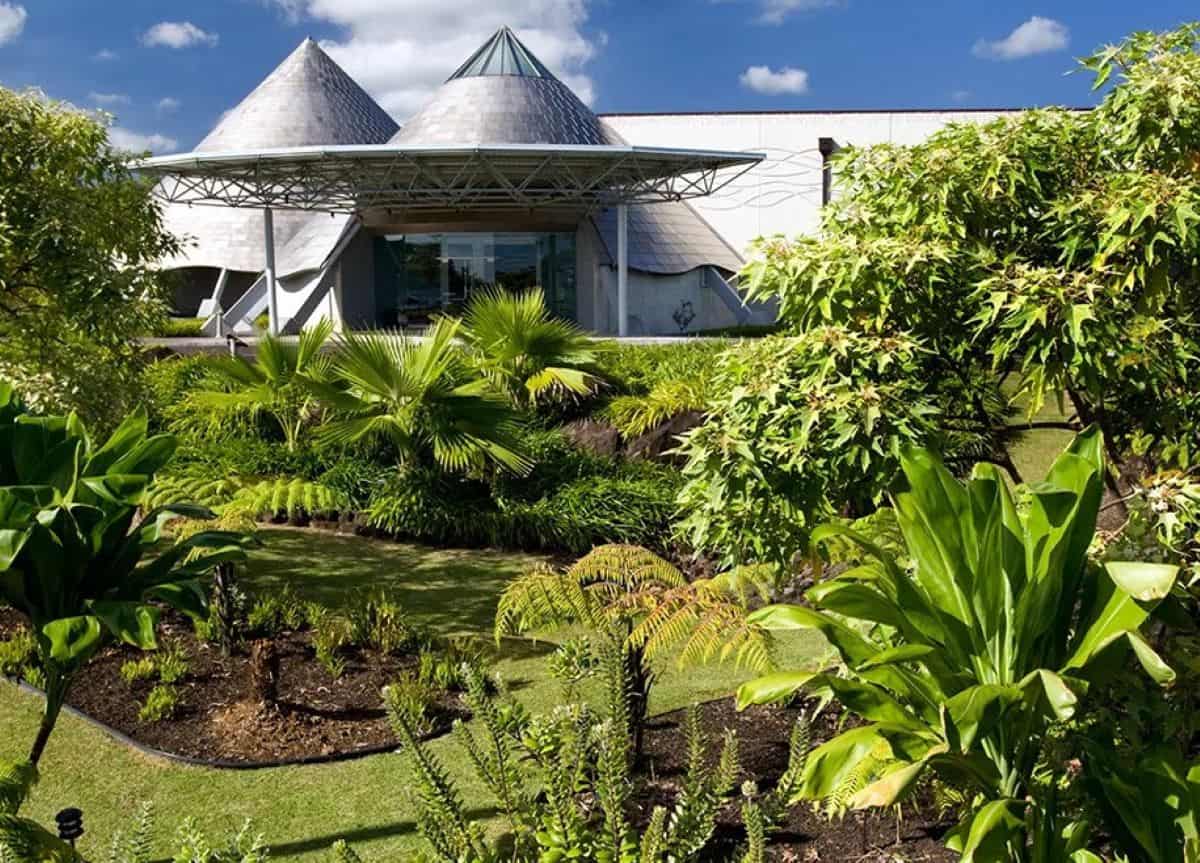
Stepping off the plane into Hawaii’s sweet‑scented air used to mean rushing into a frantic blur of island‑hopping and crowded hot spots. Today something extraordinary is shifting across these shores. Driven by a desire to protect their home locals and leaders rewrite the rules trading chaotic tourist numbers for mindful soul‑stirring journeys. By embracing travel and extended stays Hawaii preserves its breathtaking landscapes, Hawaii proves that true magic happens when people decide to slow down stay awhile and truly listen to the islands.
How Can Honolulu And Oʻahu County Redefine Urban Corridors Through Slow Travel Innovation?
Honolulu and Oʻahu County serve as the dynamic urban and cultural core of the archipelago, moving far beyond the fast-paced Waikīkī model by dispersing visitors into managed regional corridors such as the North Shore and Kailua. The region relies on strategic growth initiatives like implementing “park once” transit pilots, community shuttle programmes, and managed access systems at locations like the Kaiwa Ridge to encourage visitors to stay longer in single neighbourhoods rather than day-tripping chaotically.
Official planning reports emphasize that managing visitor traffic and parking pressures protects local residents from infrastructure strain while preserving the authentic charm of coastal towns. Visitors who commit to extended dwell times experience deeper cultural connections without overwhelming fragile community ecosystems. Long-term regional strategies prioritize public transit integrations that significantly reduce local carbon emissions across heavily populated coastal roads, ensuring that urban expansion harmonises seamlessly with environmental preservation.
Advertisement
Advertisement
What Makes Maui County Prioritize Regenerative Community Recovery And Visitor Stewardship?
Maui County encompassing Maui, Molokai, and Lānaʻi, and anchored by urban hubs like Kahului, Wailuku, Lahaina, and Kaanapali focuses heavily on regenerative community recovery, respecting post-fire rebuilding, and deepening visitor stewardship. State agencies manage access along the legendary Hana Highway, Honolua Bay, and Lipoa Point via advance reservation systems, localized tour-guide certifications, and community-led visitor stewardship at cultural sites like Keanae.
Advertisement
Advertisement
This approach acknowledges that even when raw visitor headcounts fluctuate, infrastructure and community life can remain stretched unless paired with strict capacity management. Collaborative stakeholder partnerships ensure that tourism dollars directly contribute to healing local neighborhoods while educating travellers on responsible island exploration. Responsible management frameworks successfully balance economic imperatives with community resilience across every distinct district, fostering long-term stability for residents.
Why Must Kauai County Leverage Strict Parking Capacities And Mandatory Pre-Reservation Systems?
Advertisement
Advertisement
Kauai County, anchored by Līhuʻe alongside its dramatic North and South Shores, emphasizes high-respect, low-impact exploration by leveraging strict parking capacities and mandatory pre-reservation systems at iconic natural attractions like Haena State Park. By compelling travellers to slow down, secure advance bookings, and stay rooted in fewer locations, regional authorities successfully mitigate vehicular congestion and protect vulnerable coastal environments.
Environmental monitoring guarantees that natural habitats remain pristine for future generations of residents and conscious travellers alike, supporting ecological health. Careful capacity caps transform busy recreational zones into peaceful sanctuaries of cultural and environmental appreciation, proving that deliberate limitations protect both nature and community well-being.
In What Ways Does Hawaii Island Direct Economic Value Toward Local Businesses And Hilo Hubs?
Hawaii Island, commonly known as the Big Island and anchored by the Hilo and Kona hubs, spans vast geographic diversity where unmanaged arrivals historically caused strain at fragile coastal and cultural sites such as Keaukaha, Kealakekua Bay, and Ka Lae. Growth strategies redirect economic value directly to local small businesses, authentic cultural practitioners, and managed, guided access points that require deeper traveller commitment and longer dwell times.
Advertisement
Advertisement
By dispersing economic benefits away from overcrowded hot spots into rural communities, the island fosters a balanced economic ecosystem that respects local traditions. Authentic engagement with local artisans enhances the overall visitor experience while reinforcing the foundational principles of Hawaiian hospitality and land stewardship across every district.
How Does Maximising Per-Person Daily Expenditure Drive Economic Yield Without Increasing Total Headcounts?
Official state data and economic tracking from the Department of Business, Economic Development and Tourism demonstrate that average daily visitor spending has climbed significantly across key feeder markets. U.S. West visitors now average two hundred and seventy-seven dollars per person per day, representing a fourteen point two percent increase, while U.S. East travellers reach three hundred and fourteen dollars per person per day, reflecting a ten point six percent increase. Higher daily yields allow the islands to surpass economic targets, such as generating over fifteen point two billion dollars in the first eight months of a fiscal year, even when raw headcounts flatten or dip. This financial milestone underpins the core statewide philosophy of value-over-volume growth, ensuring that economic prosperity flourishes without adding physical strain to local infrastructure.
Shifting the analytical focus toward high-value spending patterns proves that financial stability relies on quality rather than sheer volume. When travellers spend more on local experiences, artisan goods, and authentic cultural services, revenue directly supports family-run enterprises instead of inflating mass-market headcounts. Economic models across Honolulu, Kahului, and Līhuʻe confirm that targeted expenditure growth successfully safeguards natural landscapes while achieving remarkable fiscal resilience.
Why Is Shorter Island Hopping Being Replaced By Extended Multi-Week Neighbourhood Stays Across The Islands?
Statewide average lengths of stay have shifted from historic highs of eight point four days down toward stabilized windows averaging seven point six days, while slow travel policies actively push for deep-root neighbourhood dwelling. Discouraging chaotic multi-island hopping minimizes inter-island carbon footprints, reduces localized road gridlock, and ensures that visitor expenditures remain focused within specific regional communities rather than bleeding across multiple districts. Travellers who commit to staying longer in a single town develop a deeper appreciation for local civic customs and environmental boundaries.
Advertisement
Advertisement
Extended dwell times foster sustainable community integration by allowing visitors to form meaningful bonds with residents in regional hubs like Hilo and Kona. This deliberate pacing replaces frantic sightseeing with mindful exploration, ultimately protecting fragile ecosystems from the wear and tear associated with rapid transit between islands.
In What Ways Do Destination Management Action Plans Actively Decongest Overcrowded Natural Hotspots?
The implementation of strict visitor caps and advance reservation frameworks across sensitive ecological zones like Haena State Park on Kauai and Kaiwa Ridge on Oʻahu has transformed regional conservation efforts. Community-led stewardship and mandatory booking systems create desirable friction that filters out transient, high-impact day-trippers while preserving fragile coastal environments from structural degradation. These proactive management strategies guarantee that iconic natural landscapes remain pristine for future generations of residents and conscious travellers alike.
Regulating foot traffic through structured access points prevents overcrowding at culturally significant locations across Maui and Hawaii Island. Collaborative partnerships between state agencies and local neighbourhood boards ensure that visitor management policies remain transparent, respectful, and ecologically sound.
How Do Diverse Visitor Accommodation Choices Shape Community Integration And Disperse Economic Benefits?
Recent accommodation metrics show that while traditional hotels capture a majority share ranging from fifty-five to sixty-two percent depending on the U.S. market, significant segments of travellers utilize condominiums, timeshares, rental homes, and local family lodging networks. Dispersing visitors away from concentrated resort cores into legally permitted residential and alternative accommodations supports local small businesses, multi-generational entrepreneurs, and community-centric commerce. This spatial distribution prevents hyper-concentration of tourists in urban centres and spreads economic vitality across quieter rural districts.
Advertisement
Advertisement
Alternative lodging networks encourage travellers to immerse themselves in authentic neighbourhood settings rather than isolated resort bubbles. Supporting localized accommodation providers strengthens the grassroots economy and ensures that tourism revenue circulates directly within the immediate community.
What Role Does Regulated Transpacific Air Capacity Play In Balancing Island Infrastructure Limits?
State tracking records monthly transpacific air entry, managing complex operational fluctuations such as over five thousand flights yielding more than one million seats during peak seasonal monitoring windows. Logistical coordination between the Hawaii Tourism Authority, domestic and international carriers, and airport authorities prevents severe airport gridlock and aligns incoming flight volume with on-island carrying capacity. Controlling flight seat availability acts as a foundational valve for regulating overall visitor inflow before travellers even touch down on the tarmac.
Balancing air seat load factors ensures that local water supplies, waste management facilities, and transportation grids are never overwhelmed by sudden surges in arrival numbers. Strategic capacity management remains an indispensable pillar of Hawaii’s long-term regenerative tourism blueprint.
How Are International Visitor Sectors Adapting To Hawaii’s Regenerative Tourism Framework?
International arrivals, such as those from Japan, demonstrate steady recovery trajectories with visitor counts growing by fifteen point six percent in specific comparative months and daily expenditures holding firm near two hundred and forty-six dollars per person. International tourists are actively educated through targeted destination stewardship campaigns to embrace slow travel practices, respect cultural protocols, and participate in localized economic activities. Global outreach initiatives ensure that overseas visitors understand the importance of regenerative travel before embarking on their island journeys.
Advertisement
Advertisement
Fostering cultural respect among international markets strengthens diplomatic ties and deepens appreciation for native Hawaiian heritage. Overseas guests increasingly seek out authentic educational programmes and community-led experiences that align with the state’s slow travel mandates.
Why Must Economic Value Be Decentralized From Urban Centers Into Rural County Hubs?
Historic visitor distribution heavily favoured urban Honolulu, prompting state strategies to shift economic yield toward regional hubs like Hilo, Kona, Kahului, and Līhuʻe. Redirecting tourist spending into rural cooperatives, cultural artisan networks, and guided community access points directly enriches rural infrastructure and safeguards historical heritage sites from unmanaged foot traffic. Decentralizing economic benefits empowers outer-island communities to determine their own tourism carrying capacities and developmental priorities.
Rural economic revitalization ensures that the financial gains of tourism are shared equitably across all major island counties rather than pooling solely in metropolitan resort districts. Supporting rural enterprises fosters authentic cultural exchange and protects traditional practices from commercial exploitation.
Can Hawaii Consistently Surpass Historical Baseline Expenditure Targets Through Regenerative Policies?
Official economic indicators demonstrate milestone achievements, including cumulative visitor expenditures surpassing twenty-one point seven billion dollars annually and steady year-to-date gains exceeding previous baseline periods by over four percent. Transitioning away from raw volume headcounts successfully meets the state’s strategic goal of achieving stable financial growth surpassing historical four to five percent annual benchmarks while protecting natural resources. Economic analyses confirm that value-driven policies deliver superior long-term prosperity compared to traditional volume-chasing models.
Advertisement
Advertisement
Surpassing historical expenditure targets through sustainable practices proves that environmental conservation and robust economic performance can coexist harmoniously. Hawaii’s forward-thinking framework serves as a pioneering global model for regenerative island tourism management.
The Final Verdict
In the end Hawaii is more than a postcard backdrop. Hawaii is a living, breathing home that demands respect, not quick visits. If we give up itineraries for lingering sunsets and slow conversations we heal the land much as the land heals us. Staying longer and walking lightly is not a way to travel; it is a love letter, to the islands.
Frequently Asked Questions
- What is the primary economic target of Hawaii’s new tourism framework? Hawaii aims for sustainable economic growth exceeding historical baseline metrics like 4% to 5% year-over-year expenditure growth through high-value, low-impact visitor models.
- How does slow travel help local Hawaiian communities? Slow travel encourages visitors to stay longer in single neighbourhoods, reducing inter-island carbon footprints, easing traffic congestion, and distributing spending evenly into local town businesses.
- Which state agencies govern Hawaii’s tourism strategies? The Hawaii Tourism Authority and the Department of Business, Economic Development and Tourism lead the strategic planning and Destination Management Action Plans.
Advertisement
