
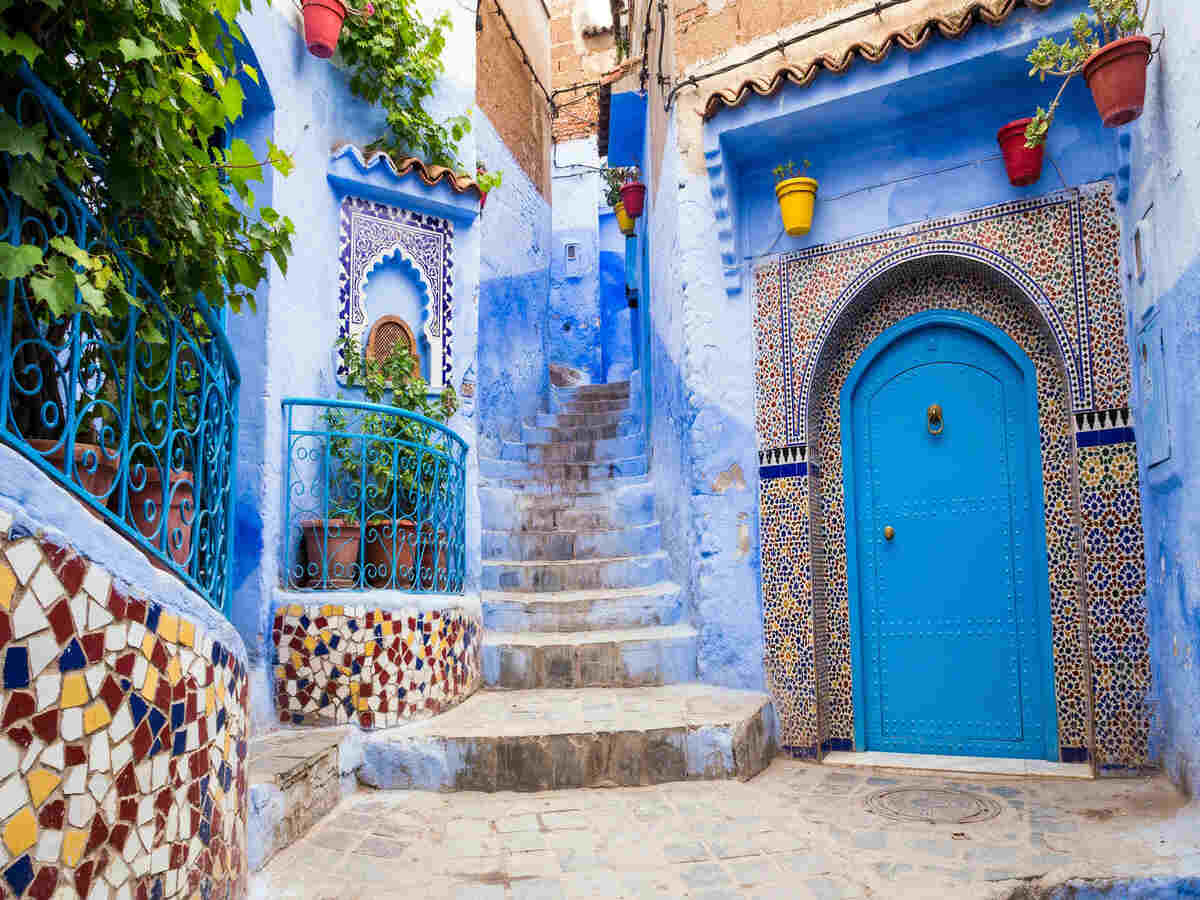
Image generated with Ai
In 2026, Morocco improves the prospects of tourism as African countries enhance their travel, investment and cultural ties. In 2026, Morocco continues to strengthen itself as Africa’s top tourist destination, not only because of its visitors from Europe and the rest of the world, but also because of its increased travel, investment and cultural relationships with other African countries like Nigeria, South Africa, Senegal, Ivory Coast, Ghana, Kenya and Rwanda.
The momentum comes as Morocco continues to record strong tourism growth. The country welcomed 4.3 million international visitors in the first quarter of 2026, representing a 7% increase compared with the same period in 2025, as its tourism roadmap focused on stronger connectivity, diversified markets and improved visitor experiences continued to support expansion.
Advertisement
Morocco’s improved global reputation is also strengthening its tourism appeal. The country ranked among the world’s most positively perceived nations in the 2026 RepCore Nations ranking, becoming the highest-ranked country in Africa and the Arab world. This stronger image is helping Morocco attract more travellers, investors and business visitors.
Morocco’s tourism success in 2026 is built on a combination of destination marketing, infrastructure investment, cultural promotion and international partnerships.
Advertisement
Advertisement
The country is moving beyond traditional tourism models centred around Marrakech, Agadir and Casablanca by developing new experiences across:
The government’s tourism roadmap is designed to increase visitor numbers by improving air access, expanding accommodation capacity and encouraging investment in new tourism products.
The upcoming 2030 FIFA World Cup, which Morocco will co-host with Spain and Portugal, is also acting as a major tourism accelerator. Infrastructure improvements, hotel expansion and international promotion are expected to create long-term benefits for the tourism sector.
Nigeria is emerging as one of the most important African markets supporting Morocco’s tourism ambitions in 2026.
With Africa’s largest population and one of the continent’s biggest economies, Nigeria provides Morocco with opportunities in:
Nigerian travellers are increasingly attracted to Morocco’s combination of historic cities, luxury resorts, traditional markets and unique experiences such as Sahara desert journeys.
Beyond leisure travel, investment ties between Morocco and Nigeria are strengthening movement between both countries. Business executives, investors and entrepreneurs are increasingly travelling between Casablanca, Rabat, Lagos and Abuja, supporting the growth of corporate tourism.
Nigeria’s expanding middle class is also creating new demand for international travel, making it a valuable source market for Morocco’s tourism diversification strategy.
South Africa remains one of Africa’s most recognised tourism markets and continues to contribute to Morocco’s growing continental tourism network.
South African travellers are attracted by Morocco’s:
While South Africa has traditionally been one of Africa’s strongest tourism destinations itself, stronger Morocco–South Africa connections are creating opportunities for travellers to explore multiple African experiences.
The combination of South Africa’s wildlife tourism appeal and Morocco’s cultural and heritage tourism creates opportunities for future multi-destination African travel packages.
South Africa also contributes through business travel, investment discussions and professional exchanges, helping strengthen Morocco’s position as an African economic and tourism hub.
Senegal has become one of Morocco’s closest tourism and cultural partners in West Africa.
The relationship between both countries is supported by:
Many Senegalese travellers visit Morocco for cultural tourism, shopping, education, business and religious travel.
Casablanca’s position as a major African aviation gateway also supports Morocco’s role as a connection point between West Africa and international destinations.
As regional African travel increases, Senegal provides Morocco with an important visitor market while helping strengthen the country’s ambition to become a continental tourism centre.
Côte d’Ivoire is another important African market contributing to Morocco’s tourism growth.
Abidjan’s position as a major economic centre in West Africa creates strong opportunities for:
Morocco’s growing reputation for infrastructure, hospitality and business facilities makes it increasingly attractive for Ivorian travellers.
The two countries’ economic cooperation encourages greater movement of entrepreneurs, government officials and business leaders, creating additional demand for hotels, airlines and tourism services.
Ghana’s growing economy and expanding travel market are creating new opportunities for Morocco tourism.
Ghanaian visitors are increasingly interested in Morocco because of its:
Stronger Morocco–Ghana cooperation is helping increase awareness of both destinations among travellers.
Business links between the two countries also contribute to tourism growth, with professionals travelling for trade, investment and networking opportunities.
Kenya’s strong international tourism profile provides another opportunity for Morocco.
Kenya is globally known for safari tourism, while Morocco offers heritage, desert and cultural experiences. Together, these destinations represent different sides of Africa’s tourism identity.
Future growth in African multi-country travel could encourage visitors to combine Kenya’s wildlife experiences with Morocco’s:
This approach supports Morocco’s goal of increasing longer stays and higher-value visitors.
Rwanda’s growing reputation as an African business and conference destination also creates opportunities for Morocco.
As Kigali develops as a hub for international meetings and events, stronger links with Morocco can encourage:
Morocco’s own growth in meetings, incentives, conferences and exhibitions tourism makes cooperation with African business hubs increasingly important.
Morocco’s tourism growth is also connected to wider North African travel trends.
Egypt and Tunisia remain major regional tourism destinations, and stronger regional cooperation can help promote North Africa as a combined tourism region.
Travellers increasingly seek experiences that combine multiple destinations, creating opportunities for itineraries linking:
This regional approach can strengthen Africa’s overall tourism competitiveness.
Tourism growth is increasingly connected with investment partnerships across Africa.
Morocco has become one of Africa’s leading tourism investment destinations, attracting interest in:
Tourism investment opportunities across Africa continue to grow, with Morocco recognised among the continent’s leading destinations for tourism development.
African investors and businesses are contributing to tourism expansion by creating stronger economic connections that generate more travel demand.
| African Country | Contribution To Morocco Tourism Growth |
|---|---|
| Nigeria | Investment tourism, business travel and luxury visitors |
| South Africa | Long-haul African travellers and tourism partnerships |
| Senegal | Cultural links and West African visitor flows |
| Côte d’Ivoire | Business tourism and economic exchanges |
| Ghana | Cultural tourism and growing leisure demand |
| Kenya | Multi-destination African travel opportunities |
| Rwanda | Conference and business tourism links |
| Egypt | North African tourism cooperation |
| Tunisia | Regional travel connections |
Morocco’s tourism expansion in 2026 is becoming increasingly connected with Africa’s wider economic and cultural transformation.
Nigeria’s rising importance, South Africa’s international tourism influence, West Africa’s growing travel demand and stronger investment relationships across the continent are helping Morocco create a broader tourism ecosystem.
In 2026, the tourism industry will grow in Morocco because of increasing investments, travel and cultural connections in Nigeria, South Africa and other African countries.
Morocco will be not only the most popular destination in Africa due to its visitor increase, strong reputation worldwide, growing infrastructure and connection with other African countries, but will become the central point for tourism, culture and investments in Africa.
Advertisement
Advertisement
Advertisement













Friday, September 4, 2026

Friday, September 4, 2026

Friday, September 4, 2026

Thursday, September 3, 2026

Wednesday, September 2, 2026

Friday, September 4, 2026
Friday, September 4, 2026