
Peru Pushes Beyond Machu Picchu as Lima Convention Bureau Targets Global MICE, Incentive and Congress Growth at IBTM Americas

Updated
Published
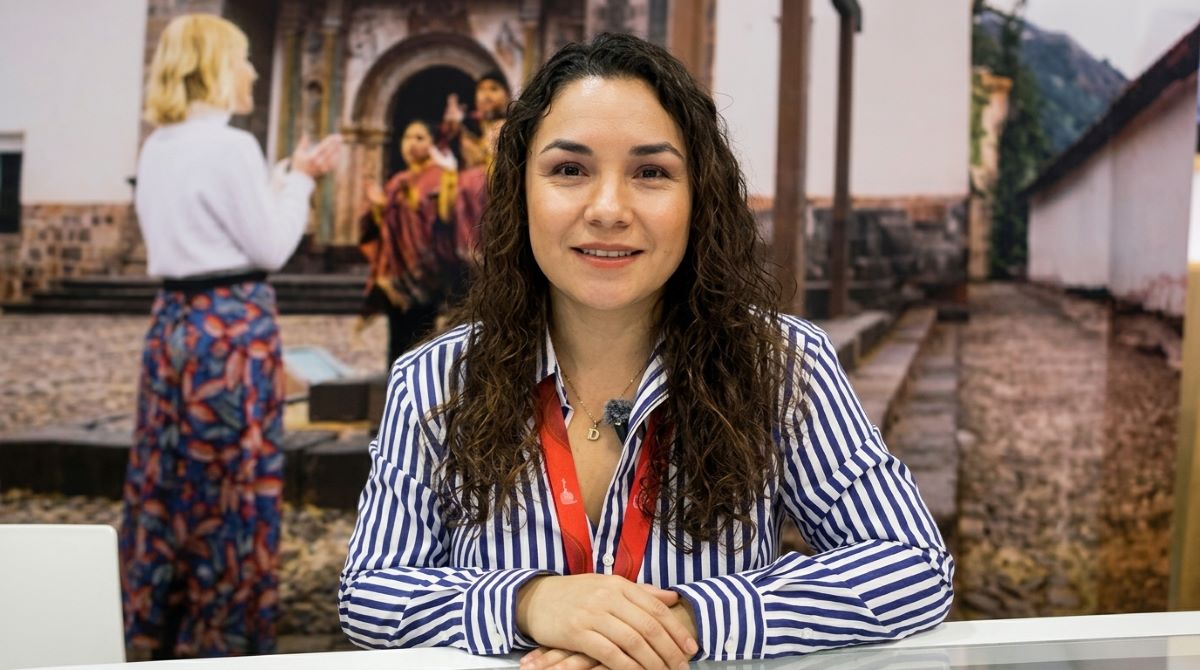
Peru is strengthening its position as an international MICE and incentive-travel destination by promoting a wider tourism proposition built around culture, gastronomy, modern experiences and business-event opportunities beyond Machu Picchu. Speaking exclusively to Diego Alberto Delgado González, Correspondent from Travel and Tour World, reporting live from IBTM Americas 2026, held from 19-20 August 2026 at Centro Banamex in Mexico City, Denisse Mac Cubbin, Executive Director of the Lima Convention Bureau, outlined how the organisation is working with PROMPERÚ and private-sector partners to attract more congresses, conventions, exhibitions and incentive groups from Mexico, North America, Latin America, Europe and potentially Asia.
During the exclusive interview with Diego Alberto Delgado González, Correspondent from Travel and Tour World, Mac Cubbin discussed Peru’s growing ambitions in the international meetings industry, Lima’s importance as a gastronomic destination, cooperation with meeting planners, opportunities generated through IBTM Americas and the Lima Convention Bureau’s plans to expand its presence across new global source markets.
IBTM Americas 2026 Gives Peru a Major Platform for Global MICE Growth
IBTM Americas 2026 in Mexico City provided Peru with an important opportunity to connect directly with meeting planners, hosted buyers, tourism companies and other business-events professionals from across the Americas and international markets.
Mac Cubbin described the event as one of the most important meetings-industry platforms not only in Latin America but across the wider Americas.
Advertisement
Advertisement
Peru’s position as a main destination at the event added further significance to its participation.
The opportunity gave the Lima Convention Bureau and its partners greater visibility among buyers looking for new destinations for meetings, incentives, congresses and exhibitions.
Advertisement
Advertisement
For Peru, participation is therefore not simply about destination promotion. It is also about developing qualified leads, creating new commercial relationships and positioning the country for future business events.
Peru Pushes Its MICE Identity Beyond Machu Picchu
One of the strongest messages from the interview was Peru’s determination to build a destination identity that extends far beyond Machu Picchu.
Advertisement
Advertisement
The famous archaeological attraction remains one of the country’s most recognisable tourism assets, but Mac Cubbin emphasised that Peru offers a much broader combination of experiences.
Culture, modernity, gastronomy and sensory experiences all form part of the destination proposition.
This wider identity is particularly important for the MICE industry.
Meeting planners are increasingly looking for destinations capable of combining conference facilities with memorable experiences before, during and after an event.
Advertisement
Advertisement
Peru can address that demand by connecting business programmes with cultural attractions, cuisine and destination experiences.
The strategy allows the country to compete not simply as a leisure destination but as a location capable of hosting international groups with diverse requirements.
Lima Convention Bureau Targets Congresses, Incentives and Exhibitions Across Peru
Despite its name, the Lima Convention Bureau’s work extends beyond the Peruvian capital.
Mac Cubbin explained that the private organisation supports meeting planners considering incentives, congresses, exhibitions and group programmes across the country.
The bureau can serve as an initial contact for planners exploring Peru.
Its role includes helping connect organisers with the destination ecosystem required to develop events and incentive experiences.
Advertisement
Advertisement
That approach can reduce complexity for international planners unfamiliar with the local market.
Organising an international congress or incentive programme requires coordination between accommodation providers, destination management companies, transport operators, venues, tourism organisations and other suppliers.
By helping planners navigate these relationships, the Lima Convention Bureau aims to make Peru easier to understand and easier to consider when organisers begin evaluating potential host destinations.
Mexico Emerges as a Priority Market for Peru’s MICE Ambitions
Mexico represents one of the Lima Convention Bureau’s important target markets.
Its presence at IBTM Americas gives Peru direct access to Mexican meeting planners, companies, hosted buyers and travel-industry partners capable of generating future group business.
Mac Cubbin said Mexico is an important market alongside North America and Latin America.
Advertisement
Advertisement
The focus reflects the strategic value of strengthening Peru’s visibility among nearby regional markets while building new international business relationships.
IBTM Americas provides a concentrated environment where those discussions can take place.
Instead of depending only on general destination marketing, Peru can present its MICE proposition directly to buyers responsible for selecting locations for corporate events, incentives and congresses.
Those conversations can eventually influence where future business groups travel.
North America and Latin America Remain Central to Peru’s Business-Events Strategy
Peru is also placing significant attention on North America and the wider Latin American market.
Mac Cubbin identified these regions as important components of the bureau’s current international focus.
Advertisement
Advertisement
For Peru, attracting meetings and incentive groups from multiple markets can help diversify its business-events pipeline.
MICE travel can also generate benefits beyond the conference room.
Delegates attending an international congress may stay in hotels, dine in restaurants, use local transport, visit attractions or extend their journeys for leisure.
Incentive travellers can have an even stronger experiential focus.
That makes international business events relevant not only to venues and organisers but to a wider network of tourism businesses.
Peru’s strategy therefore connects convention development with the broader visitor economy.
Advertisement
Advertisement
Europe Offers Another Opportunity for Peru’s MICE Expansion
Europe is emerging as another area of interest for the Lima Convention Bureau.
Mac Cubbin said the organisation is holding meetings with European contacts while considering the region a good opportunity for Peru.
Developing stronger European relationships could widen the geographical base of international groups considering the destination.
European associations, companies and meeting planners represent a diverse market for congresses, incentives and professional events.
However, securing international MICE business typically requires long-term engagement.
Destinations need visibility among planners well before final venue and location decisions are made.
Advertisement
Advertisement
Industry events can support that process by establishing contacts and introducing planners to destination capabilities.
Peru’s engagement with European buyers therefore fits into a longer strategy of widening the destination’s international meetings network.
Asia Could Become the Next Frontier for Peru’s MICE Outreach
The Lima Convention Bureau is also considering future opportunities in Asia.
Mac Cubbin identified new Asian countries as part of the organisation’s longer-term plans alongside further expansion in Europe.
This represents an important diversification opportunity.
Peru’s existing focus remains strongly connected to Mexico, North America and Latin America, but extending relationships towards Asia could gradually introduce the destination to additional meeting planners and incentive-travel organisers.
Advertisement
Advertisement
The strategy demonstrates that Peru is not limiting its ambitions to neighbouring or established source markets.
Instead, the bureau wants to build relationships across a wider international geography.
Such expansion will depend on sustained promotion, partnerships and engagement with planners, but it provides another direction for Peru’s long-term MICE positioning.
Lima’s Gastronomy Becomes a Powerful MICE and Incentive Travel Asset
Gastronomy occupies a central position in Peru’s business-events proposition.
Mac Cubbin highlighted food as one of the country’s strongest attractions and described Lima as an important gastronomic capital within Latin America.
The importance of cuisine was also visible in Peru’s IBTM Americas programme, with gastronomic presentations planned as part of its destination showcase.
Advertisement
Advertisement
For meeting planners, food can become much more than a supporting component of an event.
Dining experiences, culinary activities and local flavours can form part of incentive itineraries, networking programmes and destination experiences.
This gives Peru an opportunity to connect its established culinary identity with the needs of the MICE sector.
Rather than separating business travel from leisure experiences, the destination can combine both within the same programme.
Culture and Modernity Strengthen Peru’s Destination Proposition
Peru’s international appeal also comes from its ability to combine historical culture with contemporary destination experiences.
Mac Cubbin presented culture and modernity as two elements of the country’s wider identity.
Advertisement
Advertisement
That combination can be particularly relevant when competing for meetings and incentives.
International delegates may want reliable event infrastructure while also experiencing something distinctive outside formal business sessions.
Peru can present both dimensions.
Its cultural heritage provides a powerful destination identity, while modern urban experiences can support the practical requirements of contemporary business travel.
This allows organisers to design programmes that combine meetings with cultural discovery, gastronomy and local experiences.
For incentive travel, where emotional impact and memorable activities are often central to programme design, that variety can become an important competitive advantage.
Advertisement
Advertisement
Public-Private Collaboration Supports Peru’s International MICE Promotion
The Lima Convention Bureau is working alongside PROMPERÚ and other public and private organisations to strengthen Peru’s presence in the international meetings market.
Mac Cubbin described the bureau as a private association operating in cooperation with national tourism promotion organisations and industry partners.
Hotels, destination management companies and service providers were among the businesses participating alongside the destination at IBTM Americas.
This collaborative model is important for MICE promotion.
Meeting planners rarely evaluate a destination based on a single company.
They need to understand whether the wider ecosystem can support accommodation, transportation, activities, event operations and group requirements.
Advertisement
Advertisement
Presenting multiple partners together allows Peru to demonstrate a more complete destination proposition.
It also gives planners direct access to businesses that could eventually support programmes on the ground.
New Hosted Buyers Could Generate Fresh Business for Peru
New hosted buyers and companies at IBTM Americas represent another important opportunity for the Lima Convention Bureau.
Mac Cubbin highlighted the presence of new buyers as a positive development because the organisation is attending the event to pursue new business.
Hosted buyers can play an influential role in the MICE industry because they may represent companies, associations, agencies or organisations actively seeking destinations and suppliers.
Every new buyer therefore creates another potential connection.
Advertisement
Advertisement
Those discussions may involve incentive programmes, congresses or other group opportunities.
Not every meeting produces immediate business, but expanding the network of qualified contacts increases Peru’s exposure to future opportunities.
For the Lima Convention Bureau, this makes lead generation one of the practical commercial benefits of attending international industry events.
Peru Wants to Make MICE Travel a Complete Destination Experience
The Lima Convention Bureau’s approach suggests that Peru does not want to compete for international events through meeting facilities alone.
Instead, the destination is presenting the entire visitor experience as part of its MICE proposition.
Mac Cubbin repeatedly connected congresses and incentives with gastronomy, culture and destination experiences.
Advertisement
Advertisement
That distinction matters because MICE travel increasingly involves more than formal meetings.
Delegates can experience local cuisine, explore attractions and participate in activities that create a stronger connection with the destination.
Incentive programmes are particularly dependent on experiences capable of rewarding and motivating participants.
Peru’s diversity gives planners opportunities to build programmes around different themes.
The country can therefore position the meeting itself as one component of a wider journey rather than the sole purpose of travelling.
New Meeting Planners Will Be Central to Peru’s Future MICE Growth
Developing relationships with new meeting planners forms an important part of Peru’s future strategy.
Advertisement
Advertisement
Mac Cubbin said the destination wants more business and additional opportunities with planners from new markets.
That objective explains the Lima Convention Bureau’s wider international outreach.
The organisation is seeking stronger connections in existing markets while exploring new countries in Europe and Asia.
For international destinations, MICE growth is often relationship-driven.
Planners need confidence that a destination can meet operational requirements while delivering a compelling experience for delegates.
Maintaining contact with buyers and attending specialised industry events can therefore influence future destination consideration.
Advertisement
Advertisement
Peru’s expansion strategy is ultimately built around increasing the number of planners who understand what the country can offer.
Peru’s Global MICE Push Could Redefine How International Planners See the Destination
Throughout the discussion, Mac Cubbin presented a Peru seeking to broaden its international tourism identity while building stronger relationships with the global meetings industry.
Machu Picchu remains an extraordinary part of the country’s tourism appeal, but Peru wants international planners to recognise a much wider destination proposition.
Lima’s gastronomy, Peru’s cultural depth, contemporary experiences and the ability to support congresses, exhibitions and incentive programmes all form part of that message.
Mexico, North America and Latin America remain important immediate markets, while Europe provides further growth opportunities and Asia forms part of the longer-term outlook.
Through cooperation with PROMPERÚ, hotels, DMCs and other partners, the Lima Convention Bureau is using IBTM Americas 2026 to build new relationships and develop future business.
Advertisement
Advertisement
The wider message from Mexico City is clear: Peru is pushing beyond Machu Picchu as the Lima Convention Bureau targets global MICE, incentive and congress growth by presenting the country as a complete destination where business events can connect with gastronomy, culture, modernity and memorable travel experiences.
This article is based exclusively on an interview conducted by Diego Alberto Delgado González, Correspondent from Travel and Tour World, with Denisse Mac Cubbin, Executive Director of the Lima Convention Bureau, during IBTM Americas 2026, held from 19-20 August 2026 at Centro Banamex in Mexico City. All information reflects statements made during the interview.
Advertisement
