
Austria Takes Centre Stage as Switzerland, Sweden and Ireland Intensify Europe’s Explosive 2026 Tourism Race

Updated
Published
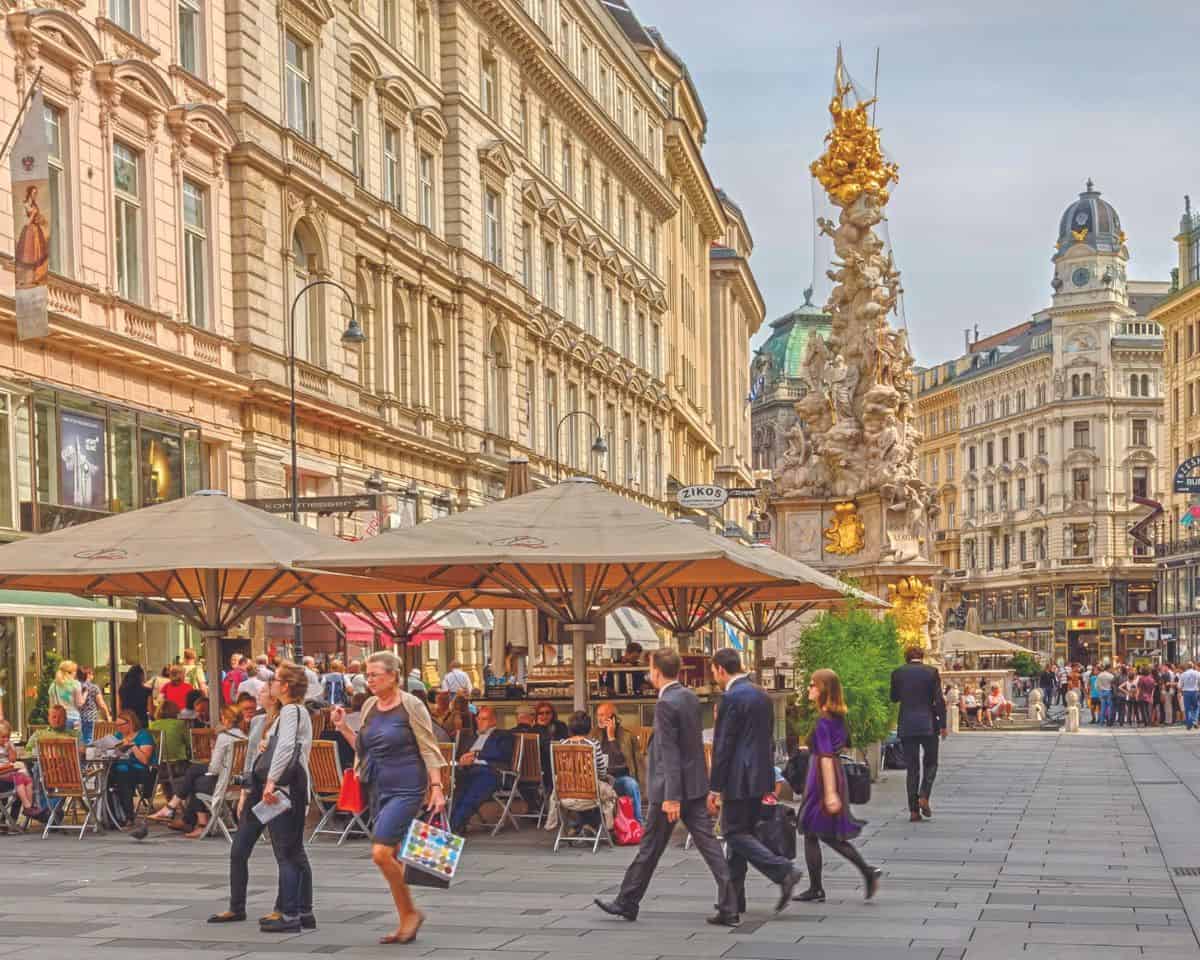
Austria Takes Centre Stage as Switzerland, Sweden and Ireland Intensify Europe’s Explosive 2026 Tourism Race.Austria, Switzerland, Sweden and Ireland are witnessing significant changes in their tourism industries during 2025 and 2026. Austria led the four countries in reported overnight stays, recording 157.29 million in 2025, with projections reaching 159–160.5 million in 2026.
Switzerland recorded approximately 42.8 million hotel overnight stays, with forecasts of 42.5–43.2 million for 2026. Sweden registered around 68.5 million commercial guest nights, alongside SEK 121.7 billion in international tourism expenditure. Its overnight stays could reach 69.5–70.5 million in 2026.
Advertisement
Advertisement
Meanwhile, Ireland welcomed approximately 6.85 million overseas overnight visitors in 2025, with projections rising to 7.2–7.4 million in 2026. Germany remains a major source market for Austria, Switzerland and Sweden, while Great Britain leads Ireland’s visitor arrivals. The United States contributes strongly to long-haul tourism across all four destinations.
These figures highlight growing demand for alpine holidays, cultural experiences, nature tourism and city breaks, although the countries use different tourism measurement methods and their totals are not directly comparable.
Advertisement
Advertisement
Austria vs Switzerland vs Sweden vs Ireland: Who Is Winning Europe’s Fierce Tourism Battle in 2026?
Austria dominates in reported overnight stays, Switzerland competes for luxury travellers, Sweden accelerates its nature-tourism ambitions, and Ireland challenges rivals through growing international visitor demand.
| Country | 2025 Tourism Performance | 2026 Tourism Outlook | Major Source Markets | Key Tourism Strength |
|---|---|---|---|---|
| Austria | 157.29 million overnight stays | 159–160.5 million projected stays | Germany, Netherlands, UK, USA | Alpine skiing, cultural tourism, mountain holidays |
| Switzerland | 42.8 million hotel overnight stays | 42.5–43.2 million projected stays | Germany, USA, UK, France | Luxury travel, Alpine resorts, scenic rail journeys |
| Sweden | 68.5 million commercial guest nights | 69.5–70.5 million projected nights | Germany, Norway, Denmark, USA | Nature tourism, Northern Lights, sustainable travel |
| Ireland | 6.85 million overseas overnight visitors | 7.2–7.4 million projected visitors | Great Britain, USA, Germany, France | Heritage tourism, coastal road trips, cultural experiences |
Austria Tourism Dynamics: 2025–2026 Comparative Economic Analysis
Austria’s tourism sector consolidated record heights across 2025 and 2026, pivoting toward year-round value creation, quality-led hospitality, and alpine sustainability. In 2025, Austria registered an all-time record of 157.29 million overnight stays across 48.17 million guest arrivals, fueled by strong winter ski demand and expanding summer mountain leisure.
Advertisement
Advertisement
Moving through 2026, momentum strengthened further: overnight stays through August rose 1.5% to 117.89 million, supported by a record 2025/2026 winter season (74.27 million overnights) and high-occupancy cultural summers in Vienna and Salzburg. While European road and rail proximity anchors overall volume, expanding long-haul traffic from North America and East Asia continues to elevate four- and five-star accommodation yields.This data is covered from Statistik Austria (Statistics Austria) and Austrian National Tourist Office (Österreich Werbung).
| Indicator / Metric | 2025 Recorded Benchmark | 2026 Projections & Trends |
| Total Overnight Stays | 157.29 million (Historical high) | ~159.0–160.5 million (+1.5% pace) |
| Total Guest Arrivals | 48.17 million | ~49.5–50.0 million |
| Winter Season Overnights (Nov–Apr) | 72.39 million | 74.27 million (+2.6% winter record) |
| Non-Resident Guest Share | 74.3% of total overnight stays | ~75.3% (88.8M through Aug 2026) |
| Top Long-Haul Origin Growth | United States (>2.1M bednights) | Americas & rebounding East Asia (China/Japan) |
Inbound Markets: Who Visits Most and Why?
- Primary Feeder Corridors: Germany represents Austria’s dominant source market (generating roughly 37% of all overnight stays), followed by domestic Austrian residents, the Netherlands, the Czech Republic, Switzerland, Italy, and the United Kingdom. The United States remains the leading and highest-spending long-haul origin.
- Core Travel Drivers:
- Alpine Winter Sports: World-renowned ski infrastructure across Tyrol (St. Anton, Kitzbühel, Ischgl), Vorarlberg, and Salzburg attracts millions of high-spending ski and snowboard enthusiasts.
- Imperial Culture & Music Metros: Year-round cultural draw in Vienna and Salzburg for classical music heritage (Mozart, Vienna Philharmonic), imperial palaces (Schönbrunn, Hofburg), and premier MICE conventions.
- Active Summer Nature & Lakes: Expanding warm-weather hiking, cycling, and lakeside retreats across the Salzkammergut, Carinthian lakes, and Styrian wine regions.
Switzerland Tourism Dynamics: 2025–2026 Comparative Analysis
Switzerland’s visitor economy navigated historic highs across 2025 and 2026, transitioning from post-pandemic volume surges into high-yield, sustainable four-season travel. In 2025, the Swiss hotel sector achieved unprecedented milestones, driven by a record summer exceeding 25.1 million overnight stays and strong domestic engagement.
Advertisement
Advertisement
Entering 2026, demand stabilized at near-record levels, logging 18.7 million overnight stays during the 2025/2026 winter season (+1.1% year-on-year). While geopolitical tensions in transit corridors softened Asian arrivals, robust transatlantic demand from North America and stable European proximity travel maintained elevated hotel occupancy across both alpine resorts and financial metros.
| Indicator / Metric | 2025 Recorded Benchmark | 2026 Projections & Shifts |
| Total Hotel Overnight Stays | ~42.8 million (Historical record) | ~42.5–43.2 million (Capacity plateau) |
| Winter Season Overnights (Nov–Apr) | 18.5 million stays | 18.7 million stays (+1.1% winter record) |
| Summer Season Overnights (May–Oct) | 25.1 million stays (Record benchmark) | ~24.8–25.0 million stays (Stabilization) |
| Domestic Traveler Share | ~48% of total stays (11.7M summer) | ~48%–49% (Resilient local base) |
| Leading Long-Haul Feeder Growth | United States (>3.1M summer stays) | United States (30-year high across ski hubs) |
Inbound Markets: Who Visits Most and Why?
- Primary Feeder Markets: Domestic Swiss residents form the largest overall foundation (~48% of overnights). Among international source markets, Germany remains the single largest foreign corridor, followed closely by the United States—the fastest-growing and highest-spending long-haul origin—alongside the United Kingdom, France, and Italy.
- Core Travel Drivers:
- Alpine Landscapes & Winter Sports: Premier ski hubs (Zermatt, St. Moritz, Verbier, Andermatt, Crans-Montana) attract global ski enthusiasts and luxury travelers.
- Scenic Transit & Summer Recreation: World-famous panoramic rail circuits (Glacier Express, Bernina Express) and hiking trails around the Jungfrau region and Lake Geneva draw massive warm-weather sightseers.
- High-Yield Financial & MICE Travel: Zurich and Geneva capture high-ADR business travelers, diplomatic delegations, and luxury lifestyle shoppers.
Sweden Tourism Dynamics: 2025–2026 Comparative Economic Analysis
Sweden’s visitor economy consolidated strong momentum across 2025 and 2026, transitioning from post-pandemic rebound toward high-yield seasonal dispersal, nature-based eco-travel, and off-peak regional exploration.
In 2025, commercial guest nights reached historic heights, led by a 9% increase in foreign overnight stays (~18.3 million) that generated a record SEK 121.7 billion in international visitor expenditure. Entering 2026, inbound demand stabilized on a sustainable growth trajectory, pacing around 18.8 to 19.2 million foreign guest nights.
Favorable currency exchange rates for euro- and dollar-denominated travelers, alongside expanded direct air connectivity and four-season outdoor initiatives across Swedish Lapland, Dalarna, and the Stockholm archipelago, continue to elevate Average Daily Rates (ADR) and lengthen visitor stays across northern and regional corridors.This data is covered from Statistics Sweden (SCB) and the Swedish Agency for Economic and Regional Growth (Tillväxtverket).
Advertisement
Advertisement
| Indicator / Metric | 2025 Recorded Benchmark | 2026 Projections & Trends |
| Foreign Guest Nights (Overnight Stays) | ~18.3 million (+9% YoY) | ~18.8–19.2 million |
| Total Commercial Guest Nights | ~68.5 million | ~69.5–70.5 million |
| Foreign Tourist Expenditure | SEK 121.7 billion (Record high) | ~SEK 126.0–130.0 billion |
| Non-Summer Season Growth | +3.6% YoY (Off-peak lift) | +4.0% to +4.5% (Autumn/winter expansion) |
| Top Long-Haul Origin Growth | United States (Double-digit pace) | Transatlantic & Nordic proximity travel |
Inbound Markets: Who Visits Most and Why?
- Primary Feeder Corridors: Proximity European neighbors form Sweden’s dominant inbound origin base. Germany is the single largest foreign source market (accounting for over 20% of foreign bednights), followed closely by Norway, Denmark, the Netherlands, and the United Kingdom. The United States serves as the fastest-growing and highest-spending long-haul feeder market.
- Core Travel Drivers:
- Arctic & Winter Wilderness: Swedish Lapland (Kiruna, Abisko, Jukkasjärvi Icehotel) attracts global travelers for Northern Lights (Aurora Borealis) viewing, dog sledding, and indigenous Sámi cultural immersion.
- Archipelago Escapes & Nature Right (Allemansrätten): Sweden’s public right-to-roam law, pristine national parks, and extensive archipelagos in Stockholm, Gothenburg, and Bohuslän draw summer kayakers, hikers, and eco-campers.
- Nordic Design, Gastronomy & Urban Heritage: Stockholm, Gothenburg, and Malmö drive high-ADR city breaks centered on sustainable Scandinavian culinary culture, historic old towns (Gamla Stan), museums, and international business conventions.
Ireland Tourism Dynamics: 2025–2026 Comparative Economic Analysis
Ireland’s inbound tourism sector navigated steady volume recovery across 2025 and 2026 while balancing shifting visitor expenditure dynamics. In 2025, overseas visits climbed past 6.8 million, generating more than €5.5 billion in direct foreign visitor expenditure (excluding passenger fares).
By 2026, foreign overnight visits gained strong momentum—tracking 11% higher year-to-date through August at 4.7 million trips—anchored by robust short-haul European demand and resilient transatlantic routes into Dublin and Shannon.
However, travel patterns have evolved: while total arrival volume has expanded, international guests are taking slightly shorter trips, lowering average stays to 8.3 nights and prompting Irish hospitality providers to prioritize on-site dining and experiential spending over sheer room nights.
| Indicator / Metric | 2025 Recorded Benchmark | 2026 Projections & Trends |
| Overseas Overnight Visitors | ~6.85 million | ~7.20–7.40 million (+11% YTD pace) |
| Inbound Tourism Spend (excl. fares) | ~€5.50 billion | ~€5.65–€5.80 billion |
| Average Length of Stay | 8.6 nights (Peak summer) | 8.3 nights (Slight compression) |
| Average Spend per Visitor | ~€962 (August baseline) | ~€924 per visitor |
| Day-to-Day vs. Accommodation Spend | Accommodation led totals | Day-to-day spend (€372M Aug) overtook lodging |
Inbound Markets: Who Visits Most and Why?
- Primary Feeder Corridors: Great Britain serves as Ireland’s largest visitor volume corridor (accounting for roughly 36% of total foreign travelers), followed closely by Continental Europe (34%, led by Germany, France, and the Benelux) and the United States (25%). The United States remains the single highest-spending origin, contributing over 36% of all foreign tourist expenditure alongside expanding Canadian travel.
- Core Travel Drivers:
- Wild Atlantic Way & Natural Landscapes: The Cliffs of Moher, Ring of Kerry, Connemara, and the Giant’s Causeway corridor draw millions of scenic road-trippers and coastal walkers.
- Cultural Heritage, Music & Pub Culture: High footfall across Dublin (Trinity College, Temple Bar, Guinness Storehouse), Galway, and Cork for traditional music sessions, literary history, and Irish pub gastronomy.
- Diaspora, Ancestry & Event Tourism: Major influx of North American travelers exploring ancestral heritage, alongside corporate business travel (MICE) and autumn cultural festivals.
Austria, Switzerland, Sweden and Ireland Signal a New Era of European Tourism Growth
Austria Takes Centre Stage as Switzerland, Sweden and Ireland Intensify Europe’s Explosive 2026 Tourism Race.The comparative tourism performance of Austria, Switzerland, Sweden and Ireland reveals a significant shift in Europe’s visitor economy. Austria remains the largest tourism market among the four by reported overnight stays, with 157.29 million in 2025 and projected growth towards 160.5 million in 2026. Switzerland continues to strengthen its position in premium Alpine tourism, while Sweden is expanding its appeal through sustainable nature-based experiences and year-round travel. Ireland, meanwhile, is benefiting from recovering international arrivals and strong demand from Great Britain, continental Europe and North America.
As per Anup Keshan, Editor of Travel And Tour World, “Europe’s tourism success is no longer measured by visitor numbers alone. Austria, Switzerland, Sweden and Ireland demonstrate how seasonal diversification, international connectivity, quality hospitality and higher visitor spending can create stronger and more resilient tourism economies. The real competition in 2026 is not simply about attracting more tourists, but about generating greater economic value from every visit.”
Looking ahead, the strongest opportunities lie in extending tourism beyond traditional peak seasons, improving regional connectivity and encouraging visitors to explore lesser-known destinations. If current demand trends continue, Austria, Switzerland, Sweden and Ireland could further strengthen their positions in European tourism, although actual full-year performance will depend on travel costs, international demand and wider economic conditions.
Advertisement
