
Wine and Cazuelica Week Pamplona: Navarre Food Guide Of Spain

Published
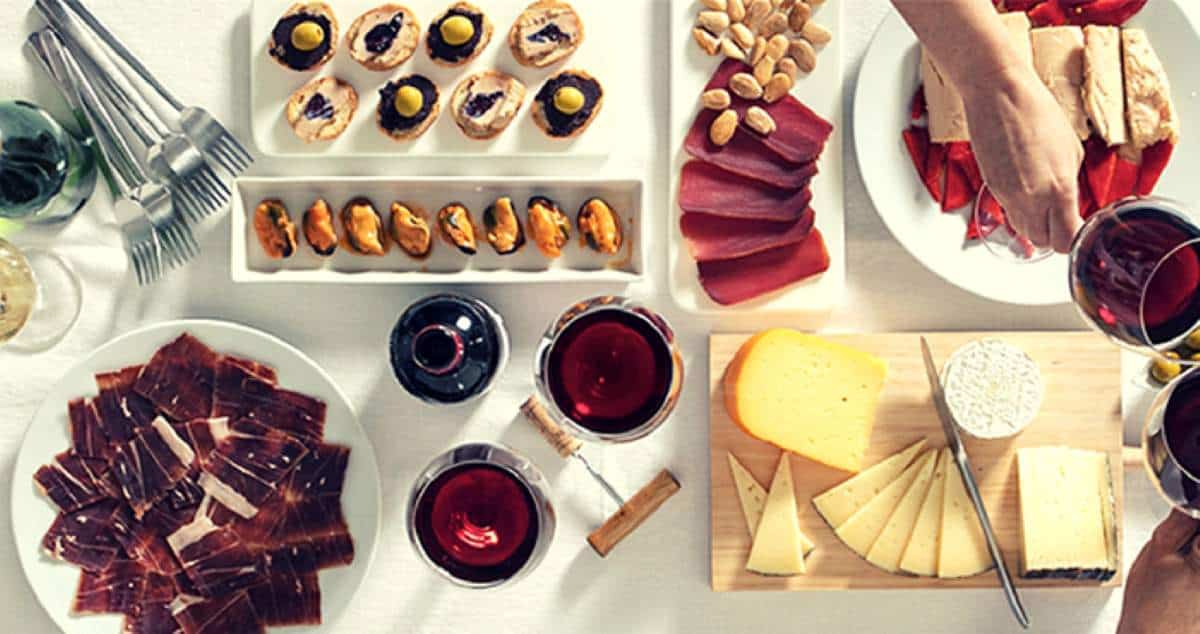
The cultural landscape of northern Spain is deeply rooted in culinary tradition, where ancient recipes are preserved and celebrated through regional gatherings. Among these autumnal celebrations, the Cazuelica and Wine Week held in Pamplona, Navarre, stands out as a premier gastronomic showcase. Scheduled annually during early to mid-October, this event transforms the historic streets of Pamplona, Navarre, into a vibrant open-air dining room.
The core concept centers around the presentation of miniature dishes of Navarre cuisine, which are meticulously crafted and served in traditional earthenware bowls known as cazuelicas. These bite-sized culinary creations are expertly paired with local wines sourced from the celebrated vineyards of the region. Historical context reveals that these gatherings were originally designed to celebrate the harvest season, bringing local producers, culinary artisans, and the community together to honor agricultural heritage. Over time, the festival has evolved into an institutionalized celebration of Navarre gastronomy, drawing culinary enthusiasts from across the globe to experience authentic northern Spanish flavors in an accessible, communal format.
Advertisement
Advertisement
Impact on Travellers
For visitors navigating the picturesque avenues of Pamplona, Navarre, during early to mid-October, the festival offers an immersive sensory experience that redefines traditional dining. Instead of committing to large, formal sit-down meals, travellers are encouraged to embark on a progressive tasting journey across various participating establishments.
The provision of miniature dishes of Navarre cuisine allows patrons to sample a diverse array of regional specialties without overindulgence. From rich garlic cod to tender, slow-cooked lamb, each dish is paired with wines chosen to complement the flavors, thereby educating the palate of every visitor. Furthermore, engagement is heightened through practical interactive elements. Travellers are advised to pick up a festival passport, locally referred to as a pase de cazuelica, which enables them to sample across multiple venues and collect stamps. This participatory approach fosters a sense of camaraderie, as locals compare their favorite pairings this way, bridging the cultural gap between residents and international guests.
Advertisement
Advertisement
Industry Insights
From a broader economic and tourism perspective, the festival in Pamplona, Navarre, serves as a powerful catalyst for regional hospitality and viticulture. Industry analysts note that shoulder-season tourism is significantly bolstered during early to mid-October, mitigating the economic lulls typically experienced following the bustling summer months.
Restaurants, bars, and local bodegas benefit from structured foot traffic driven by the circulation of the festival passport. Moreover, the emphasis on local provenance elevates the profile of regional winemakers and agricultural suppliers, demonstrating how targeted gastronomy tourism can sustain local supply chains. By highlighting miniature dishes of Navarre cuisine alongside carefully curated wine pairings, hospitality stakeholders are provided with a platform to showcase innovation rooted in tradition. This delicate balance between preserving heritage and stimulating modern culinary creativity continues to serve as a benchmark for regional food festivals throughout Europe.
Advertisement
Advertisement
Practical Information
Attending the event in Pamplona, Navarre, requires careful logistical planning, particularly given the popularity of the festival during early to mid-October. Visitors are advised to secure accommodation well in advance, as the influx of culinary tourists tends to fill local hotels swiftly.
Navigation through the city is best accomplished on foot, allowing participants to move seamlessly between participating taverns and eateries. The acquisition of the festival passport is essential for those wishing to fully engage with the program, as it grants access to designated tasting routes and official voting mechanisms. Participants should also familiarize themselves with local dining customs, such as peak hours for tapas and small-plate consumption, to maximize their culinary itinerary. Information desks and official tourism portals provide detailed maps and lists of participating venues, ensuring that every traveller can tailor their experience to personal dietary preferences and schedules.
Comparison with Previous Developments
When evaluated against previous iterations, the modern celebration in Pamplona, Navarre, reflects a strategic shift toward structured digital engagement and broader international marketing. In earlier years, the promotion of miniature dishes of Navarre cuisine relied primarily on word-of-mouth and local print media, limiting its reach primarily to regional residents and avid culinary explorers.
Today, the integration of digital mapping tools, social media campaigns, and streamlined passport stamping procedures has modernized the visitor experience while preserving the rustic charm of the earthenware bowls. Furthermore, the selection of wines paired with dishes like garlic cod and slow-cooked lamb has become increasingly sophisticated, reflecting contemporary shifts in oenology and food-and-wine pairing science. Despite these logistical modernizations, the fundamental soul of the festival—celebrating the unpretentious, hearty flavors of Navarre during early to mid-October—remains entirely unaltered, ensuring that its authentic heritage continues to thrive for future generations.
Image Source- Spain.info
Advertisement
