
Bentonville Emerges Alongside Chattanooga and Roanoke as America’s Next Outdoor Capitals Redefine Adventure Travel

Published
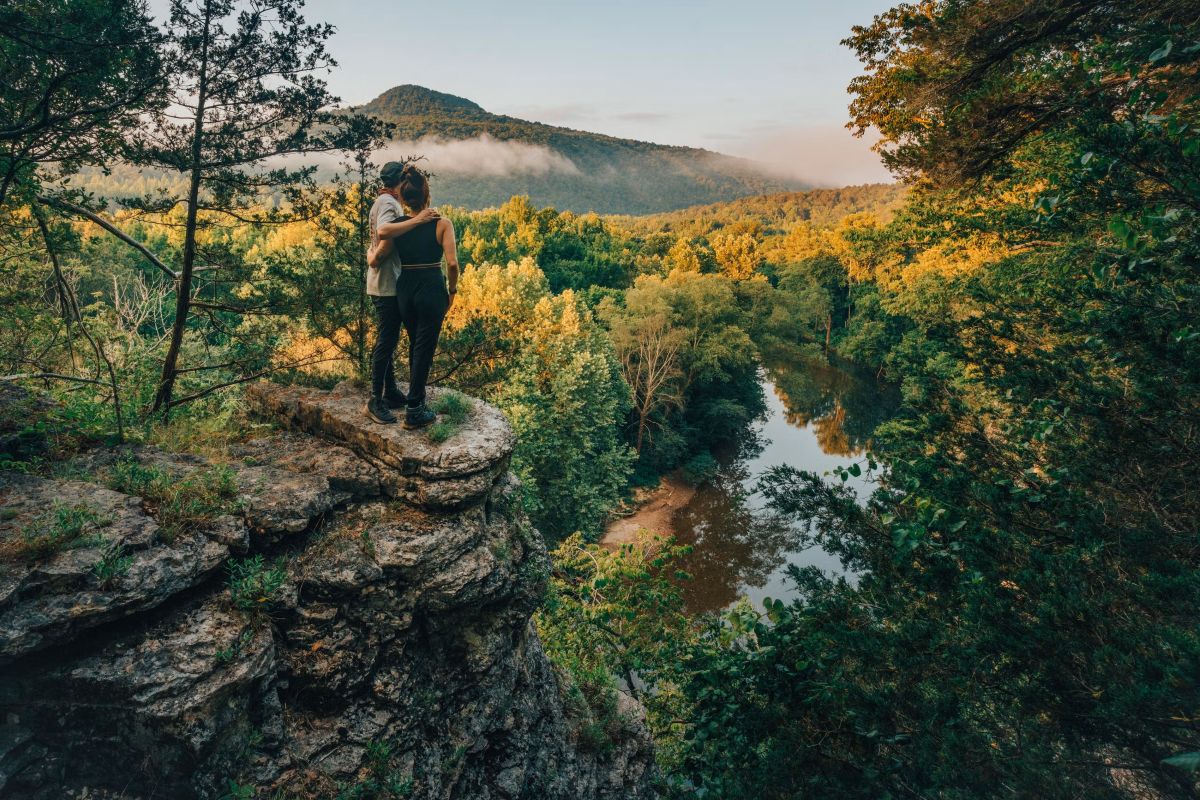
America’s outdoor map is redrawing as smaller cities build outdoor assets such as trails, cycling, climbing, paddling, and adventure tourism. Bentonville, Chattanooga, Roanooke, Duluth, Grand Junction, and Marquette are attracting outdoor recreation economies by developing amenities outside the typical city tourism amenities. The shift is due in part to the projected 183.2 million Americans who will engage in outdoor recreation in 2025, comprising 59% of the population aged 6 and older. Also, in 2024, the U.S. outdoor recreation economy attribute a value added of $696.7 billion to the economy, equating to 2.4% of the country’s GDP. These numbers show a bigger trend in travel with the next generation of adventure destinations being smaller urban centres. These will provide adventure recreation opportunities with easy access to food, lodging, and culture while avoiding the tradeoff in urban amenities.
The Outdoor Economy Has Entered a New Phase
For decades, travellers associated American adventure with a familiar roster of destinations. Boulder, Bend, Moab, Asheville and Jackson became shorthand for climbing, cycling, hiking and mountain escapes. Yet the economics of outdoor recreation are now encouraging a broader group of cities to compete for visitors.
The U.S. Bureau of Economic Analysis recorded $696.7 billion in outdoor-recreation value added in 2024, up from $639.5 billion in 2023 and $563.7 billion in 2022. Real outdoor-recreation GDP increased 2.7% in 2024, demonstrating that the sector remains a significant part of the wider economy.
At the same time, participation is changing. The Outdoor Industry Association says participation reached a record 183.2 million people in 2025, almost 30 million more than in 2019. However, participants now average five fewer outings annually than in 2019. That frequency gap matters for destinations because winning occasional visitors is no longer enough. Cities increasingly need convenient, varied experiences that encourage longer stays and repeat trips.
Advertisement
Advertisement
| National Outdoor-Recreation Indicator | Latest Figure |
|---|---|
| Americans participating in 2025 | 183.2 million |
| Share of population aged 6+ | 59% |
| Outdoor economy value added, 2024 | $696.7 billion |
| Share of U.S. GDP, 2024 | 2.4% |
| Real outdoor-recreation GDP growth, 2024 | 2.7% |
| Additional participants since 2019 | Nearly 30 million |
The emerging opportunity therefore goes beyond building a spectacular trail. The winning cities are assembling complete outdoor ecosystems, linking recreation with accommodation, food, transport, retail, events and downtown life.
Bentonville Is Rewriting the Cycling Playbook
Bentonville, Arkansas, offers perhaps the clearest example of this transformation. The city has turned mountain biking into a wider destination strategy, rather than treating trails as isolated recreational facilities outside the urban core.
Advertisement
Advertisement
Official destination information now describes more than 80 miles of trails running throughout Bentonville, alongside a much larger regional network exceeding 500 miles across Northwest Arkansas. Within the city, riders can move between mountain-bike trails, paved pathways, parks, public art and downtown attractions.
That connectivity is crucial for tourism. Visitors do not need to choose between an outdoor holiday and a city break. They can ride in the morning, visit cultural attractions in the afternoon and dine downtown at night.
The city also offers more than 65 miles of mountain-bike trails within its limits, according to its cycling tourism platform. The wider network caters to beginners, experienced riders, road cyclists, gravel riders and families.
This makes Bentonville a useful model for destinations elsewhere. The trail itself becomes the transport spine of the holiday, rather than merely the activity at the end of a car journey.
Chattanooga Makes Adventure an Urban Asset
Chattanooga, Tennessee, represents a broader model. Rather than specialising in one activity, the city has built an outdoor identity around hiking, cycling, paddling, climbing and river landscapes.
The city established Outdoor Chattanooga in 2004 as a dedicated division of its Parks and Outdoors Department. Its remit includes connecting residents and visitors with opportunities to run, climb, paddle, hike and cycle within roughly an hour of the city.
Advertisement
Advertisement
Chattanooga now has more than 35 miles of city trails and greenways, while the Tennessee Riverpark provides a 13-mile paved greenway linking downtown with Chickamauga Dam and St Elmo. The network combines cycling, paddling, fishing and wildlife viewing.
The city has also completed the 13-mile South Chickamauga Creek Greenway, creating a continuous multi-use corridor between the Tennessee River and Camp Jordan. Several sections provide canoe and kayak access, making the infrastructure useful for both active travellers and casual visitors.
This is significant because Chattanooga’s proposition is not simply wilderness. It is adventure within reach of an established urban base.
Roanoke Builds a Blue Ridge Basecamp
Roanoke, Virginia, shows how a smaller mountain city can turn geographic position into a sophisticated tourism proposition. The city sits close to the Appalachian Trail and Blue Ridge Parkway, while its municipal outdoor assets extend deep into the surrounding landscape.
Roanoke maintains 70 parks spanning more than 14,000 acres, with roughly 100 miles of natural-surface and paved trails. Those routes support hiking, mountain biking, cycling and horseback riding.
The surrounding region expands the proposition dramatically. Virginia’s Blue Ridge promotes more than 1,000 miles of trails for hiking, biking and paddling. The region also includes the Appalachian Trail and a 32-mile Virginia Triple Crown hiking route linking Dragon’s Tooth, McAfee Knob and Tinker Cliffs.
Advertisement
Advertisement
Yet the city faces the same challenge as many successful outdoor destinations: popularity can create pressure. McAfee Knob attracts approximately 50,000 visitors annually, while limited trailhead parking can fill early. A seasonal shuttle now helps manage access.
For travellers, that creates an important lesson. Outdoor popularity requires infrastructure planning as much as destination marketing.
Duluth Proves Mountains Are Not Essential
Duluth, Minnesota, changes the geography of the story. Its strongest proposition is not a mountain resort landscape but the combination of Lake Superior, forests, trails and four-season recreation.
The city says approximately 20% of its land is green space and city parkland, while recent investment has focused on trail systems and improvements around the St Louis River corridor.
Cycling provides another measure of the opportunity. A city parks report cites a 2017 economic-impact study estimating that off-road cyclists contributed $37 million to $49 million to Duluth’s economy. The study predates the pandemic and excluded several other major trail-user groups.
Duluth is continuing to invest. In December 2025, the city announced a $1.3 million grant for improvements to the Duluth Traverse.
Advertisement
Advertisement
That creates a distinctly northern model of outdoor tourism. Hiking, mountain biking, paddling and winter activities can reinforce each other across different seasons, helping destinations reduce dependence on a single peak travel period.
Grand Junction Offers a Desert Alternative
Grand Junction, Colorado, provides another emerging template. Its outdoor identity is shaped by mesas, red-rock formations, rivers and the Colorado National Monument rather than the ski-resort image often associated with Colorado.
The surrounding landscape supports hiking, mountain biking, climbing, fishing, floating and water activities, with thousands of rock formations creating a strong climbing proposition.
The city’s smaller-scale open-space projects also illustrate how outdoor access can be woven into everyday urban life. Kindred Reserve, a 37-acre open-space park, sits roughly ten minutes from the city and provides 1.75 miles of dirt trails.
For travellers, Grand Junction demonstrates the value of a multi-landscape basecamp. A single trip can combine desert scenery, river recreation, cycling, climbing and urban dining without the visitor changing hotels every night.
Marquette Shows the Power of a Smaller Market
Marquette, Michigan, may be one of the most revealing cases because it demonstrates how a relatively small destination can generate substantial visitor activity from public-land recreation.
Advertisement
Advertisement
Travel Marquette data indicates that outdoor recreation draws more than 1.4 million trips annually to Marquette County’s public lands. One in five visitors comes from outside the immediate area, while the Iron Ore Heritage Trail recorded 225,000 visitors during the first half of 2025, a 46% increase.
Those numbers matter because they reveal how trails can become regional economic infrastructure. Visitors need accommodation, meals, equipment, transport and services before and after they reach the trail.
Marquette also highlights the importance of seasonality. July brings summer tourism, while September benefits from autumn colours and cycling events. A diverse activity calendar can therefore stretch the commercial value of outdoor assets beyond one short peak.
Six Cities, Six Outdoor-City Models
The emerging destinations are not competing in exactly the same market. Their strengths reveal several distinct approaches to outdoor tourism.
| City | Signature Model | Strongest Traveller Proposition | Notable Asset |
|---|---|---|---|
| Bentonville | Cycling-led city | MTB, road, gravel and urban cycling | 80+ miles of city trails |
| Chattanooga | Multi-sport city | Hiking, biking, climbing and paddling | 13-mile Tennessee Riverpark |
| Roanoke | Appalachian basecamp | Hiking, MTB and paddling | 1,000+ regional trail miles |
| Duluth | Four-season waterfront | MTB, hiking, paddling and winter recreation | $1.3m Duluth Traverse grant |
| Grand Junction | Desert adventure hub | Cycling, climbing, hiking and river trips | Colorado National Monument setting |
| Marquette | Great Lakes wild card | Hiking, biking and seasonal outdoor travel | 1.4m+ annual public-land trips |
The comparison reveals a striking pattern. None of these cities needs to replicate Boulder, Bend or Jackson. Each can build an outdoor identity around its own geography and existing urban strengths.
The New Outdoor-City Formula
The most successful destinations are likely to be those that connect recreation with ordinary urban convenience. That means a traveller can leave a hotel, reach a trail, return for lunch and continue exploring without spending the entire day driving.
Advertisement
Advertisement
Bentonville provides perhaps the most developed version of that formula. Chattanooga demonstrates it through riverfront greenways. Roanoke combines urban amenities with mountain access, while Duluth integrates trails into a lakeside city environment.
The distinction is important for tourism planners. Scenic geography is an asset; connected infrastructure is a tourism product.
That also changes what travellers should look for. A destination with 500 miles of remote trails may be less convenient than a city with 80 highly connected miles, reliable bike access, gear rental, trail information and accommodation near downtown.
Investment Now Matters as Much as Scenery
The next phase of outdoor tourism will also depend on maintenance. Building trails creates headlines, but keeping them safe, accessible and environmentally resilient requires long-term spending.
Chattanooga’s greenway system illustrates this broader infrastructure reality. One section of South Chickamauga Creek Greenway is currently scheduled for closure through summer 2027 because of major stormwater and wastewater construction. The remaining sections stay open.
Such projects remind travellers that outdoor infrastructure is dynamic. Weather, construction, seasonal restrictions and environmental protection can change access even at established destinations.
Advertisement
Advertisement
For destination-management organisations, the lesson is equally clear. Investment should cover trail maintenance, transport, safety, signage, parking, waterways and visitor management, not just new attractions.
What This Means for Adventure Travellers
For travellers, the rise of smaller outdoor cities creates a valuable alternative to America’s most famous adventure destinations. Smaller urban centres can offer easier access to trails, shorter transfer times and potentially less intense visitor pressure.
They also make mixed-interest holidays easier. One traveller can mountain-bike while another hikes, shops, visits museums or explores restaurants. Families can alternate demanding outdoor days with lower-intensity urban experiences.
The most useful planning question is therefore no longer simply, “Which city has the best trail?” Instead, travellers should ask which destination offers the best combination of activity variety, access, accommodation, seasonality and infrastructure.
| Traveller Priority | Strong Candidates |
|---|---|
| Mountain biking | Bentonville, Duluth, Roanoke |
| Hiking | Roanoke, Chattanooga, Grand Junction |
| Cycling variety | Bentonville, Chattanooga |
| Paddling and waterways | Chattanooga, Roanoke, Duluth |
| Climbing | Chattanooga, Grand Junction |
| Four-season recreation | Duluth, Roanoke |
| Smaller-market atmosphere | Marquette, Grand Junction |
| Urban-outdoor combination | Bentonville, Chattanooga, Roanoke |
The Next Adventure Map Is Being Built
The significance of America’s next outdoor capitals lies less in rankings than in the underlying transformation. Smaller cities are learning that trails, rivers, climbing areas and cycling routes can function as economic infrastructure when they connect naturally with hotels, restaurants, cultural attractions and neighbourhoods.
The national numbers strengthen that case. Outdoor recreation now represents $696.7 billion in U.S. value added, while participation has reached 183.2 million people. Yet declining outing frequency means destinations must convert broad interest into compelling, accessible experiences.
Bentonville shows what a cycling-led strategy can achieve. Chattanooga demonstrates the power of multi-sport integration, while Roanoke, Duluth, Grand Junction and Marquette illustrate other routes forward. Together, they suggest that America’s future adventure capitals may be smaller, more connected and more inventive than the destinations that dominated the old outdoor map.
Advertisement
