Image generated with Ai
Three hours’ drive northwest of Melbourne, Halls Gap can sometimes feel like the centre of the universe. The town has fewer than 500 permanent residents, but as the gateway to Grampians National Park, there is always a floating population of hundreds or thousands of tourists, depending on the season. To find a weekend escape, you’ll have to weigh the lure of wild, untamed nature against the appeal of a lively village scene. This comprehensive guide confirms why travellers looking for a seamless mix of dramatic mountain scenery, deep indigenous culture, amazing local food and outdoor fun need to add Halls Gap to the top of their list now.
Whether you’re planning a brisk winter escape by a roaring fire or a vibrant spring wildflower trek, knowing the layout and offerings of this iconic Victorian destination is essential. Visitors often ask about the best time to visit, leading hiking routes, and family-friendly itineraries. This article dives right into the search queries, giving readers everything they need to curate an unforgettable itinerary. Read the full guide for insider tips and a perfect trip into Victoria’s rugged interior.
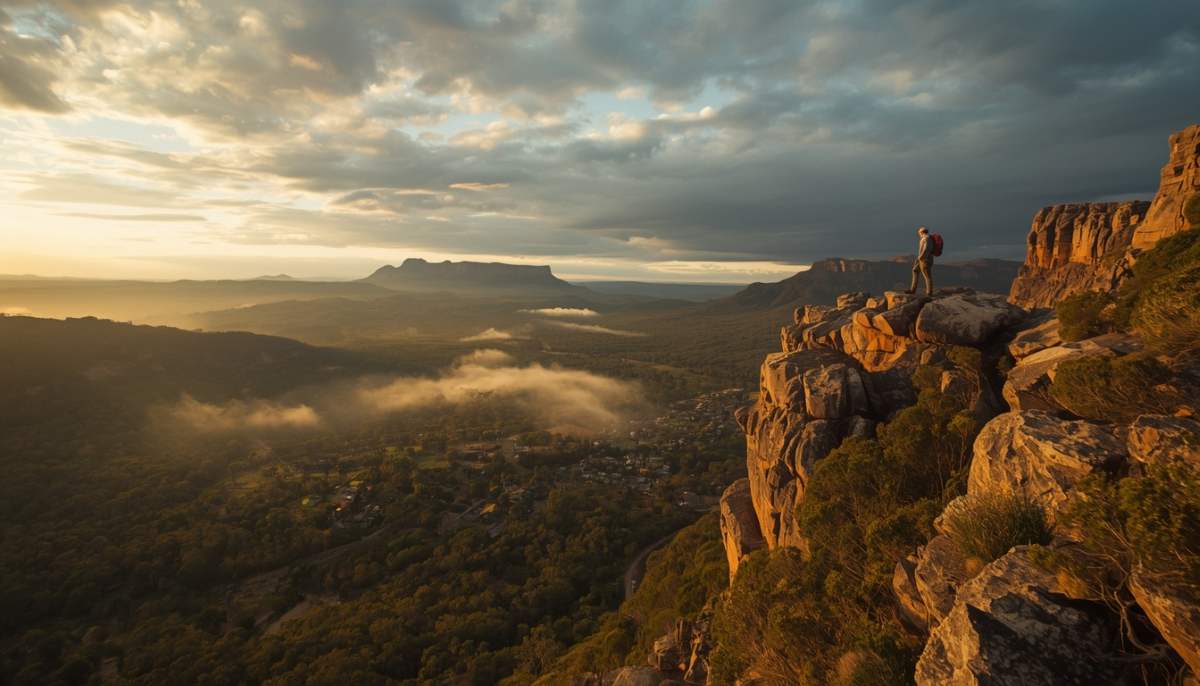
The geography surrounding Halls Gap is defined by ancient sandstone mountain ranges that were carved by millions of years of erosion. According to Parks Victoria management data, the Grampians National Park—known traditionally as Gariwerd—protects over 160,000 hectares of pristine bushland. Prominent geological formations such as the Pinnacle and the Balconies attract hikers from across the globe. Walking trails vary from gentle forest strolls to challenging vertical ascents, ensuring that both amateur walkers and seasoned mountaineers find suitable terrain.
Panoramic lookouts offer sweeping views across the endless Victorian volcanic plains and heavily forested valleys. Morning mist frequently lingers over the valley floor, creating ethereal photographic conditions for early risers. Visitors are encouraged to check seasonal track conditions and weather advisories with local information centres prior to setting off on extended walks.
Advertisement
Advertisement
Beyond the dramatic rock structures, the ecosystem surrounding the township teems with iconic native fauna. Kangaroos frequently graze in open recreational reserves close to the main shopping strip, while emus and colourful parrots populate the surrounding woodlands. Koalas can often be spotted resting quietly in the forks of towering eucalyptus trees along creek beds. Conservation authorities remind travelers to observe wildlife from a respectful distance and strictly avoid feeding human food to native animals, preserving their natural foraging behaviours and health.
After a long day traversing rugged mountain trails, travelers are greeted by an increasingly sophisticated food and wine scene. The regional microclimate, characterized by cool nights and warm summer days, yields exceptional agricultural produce. Local dining establishments proudly champion a farm-to-table philosophy, featuring hyper-local ingredients ranging from Grampians-grown olives and artisan cheeses to grass-fed meats.
Menus are regularly updated to reflect seasonal harvests, ensuring diners experience the freshest flavors of western Victoria. Fireside dining venues provide cozy environments during cooler months, utilizing native timber and warming spices to complement hearty regional meals.
The Grampians wine region is globally celebrated for its distinctive cool-climate varietals, particularly bold Shiraz and crisp Riesling. Boutique vineyards nestled along the slopes of the ranges offer intimate tasting experiences where winemakers share stories of their craft. In addition to viticulture, local craft breweries incorporate native botanicals and pure mountain spring water into their artisan ales. Visitors often spend afternoons exploring cellar doors, pairing exceptional local vintages with artisanal platters while overlooking sweeping vineyard vistas.
For adrenaline enthusiasts, the vertical sandstone cliffs provide world-class rock climbing and abseiling opportunities. Guided outdoor operators cater to all experience levels, supplying professional instruction and safety equipment. Mountain biking trails have also expanded significantly across the region, offering thrilling single-track descents through native state forests. Water-based adventures, including kayaking and canoeing on nearby lakes, provide alternative perspectives of the majestic landscape during warmer months.
Gariwerd holds profound spiritual and cultural significance for the Jardwadjali and Djab Wurrung peoples. The landscape is rich in ancient rock art shelters that document thousands of years of continuous habitation and cultural heritage. Important sites such as the Bunjil Shelter feature intricate charcoal and ochre stencils depicting ancestral creator beings. Visitors are strongly encouraged to engage with indigenous-led cultural tours to gain a deeper understanding of traditional land management, storytelling, and the enduring connection between the Traditional Owners and country.
Advertisement
Advertisement
Advertisement













Friday, September 4, 2026

Friday, September 4, 2026

Friday, September 4, 2026

Thursday, September 3, 2026

Wednesday, September 2, 2026

Friday, September 4, 2026

Friday, September 4, 2026