
South Korea Encourages Regional Travel With Tourism Incentives as Visitors Discover Hidden Destinations: All You Need to Know

Published
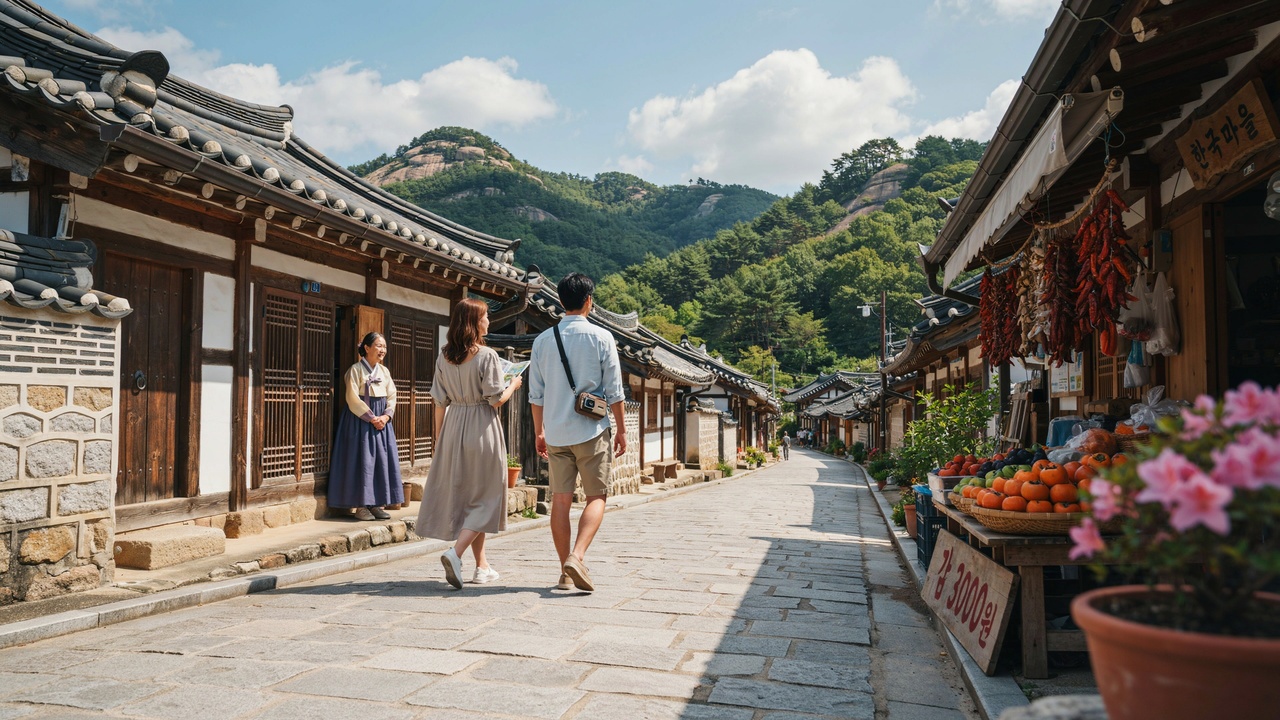
South Korea is introducing new approaches to encourage travellers to explore more regions of the country as tourism authorities focus on spreading visitor activity beyond the most popular destinations.
The initiative highlights a growing global tourism trend where governments promote lesser-known cities, rural areas and cultural regions to create more balanced visitor flows.
Advertisement
Advertisement
While Seoul, Busan and Jeju remain among South Korea’s most recognised destinations, the country offers many other experiences, including traditional villages, coastal landscapes, mountain regions, food destinations and cultural heritage sites.
The travel incentive approach aims to encourage visitors to discover a wider range of Korean destinations while supporting local communities and regional tourism businesses.
Advertisement
Advertisement
The Korea Tourism Organization (KTO), operating under South Korea’s Ministry of Culture, Sports and Tourism, has continued promoting regional travel experiences through campaigns designed to showcase destinations beyond major urban centres.
Regional tourism becomes a priority for South Korea’s travel strategy
Tourism growth in South Korea has historically concentrated around famous locations such as Seoul’s entertainment districts, Jeju Island’s natural attractions and Busan’s coastal experiences.
Advertisement
Advertisement
However, tourism authorities are increasingly focusing on distributing visitors more widely.
Regional tourism provides benefits including:
| Tourism Goal | Regional Benefit |
|---|---|
| More visitor distribution | Reduces pressure on crowded attractions |
| Local economic support | Helps smaller businesses and communities |
| Longer stays | Encourages deeper destination exploration |
| Cultural discovery | Highlights traditional experiences |
This approach allows travellers to experience a different side of South Korea, including historic towns, countryside landscapes and local lifestyles.
Incentive programmes encourage travellers to explore local destinations
Tourism incentives are becoming an increasingly common tool used by destinations worldwide to encourage travel behaviour.
South Korea’s travel support initiatives are designed to motivate visitors to include regional areas in their itineraries.
Depending on the programme, benefits may include support for:
Advertisement
Advertisement
- Local transportation
- Accommodation stays
- Regional experiences
- Cultural activities
- Travel packages
These incentives are intended to create stronger connections between visitors and local destinations.
Rather than focusing only on major attractions, the strategy encourages travellers to discover smaller communities and hidden tourism assets.
Seoul remains the international gateway to South Korea
Seoul continues to be the main entry point for many international visitors.
The capital combines modern technology, entertainment, shopping, food culture and historical attractions.
Popular Seoul experiences include:
| Attraction | Experience |
|---|---|
| Gyeongbokgung Palace | Korean history and traditional architecture |
| Bukchon Hanok Village | Traditional neighbourhood exploration |
| Myeongdong | Shopping and food experiences |
| Hongdae | Youth culture and entertainment |
| N Seoul Tower | City views |
Many visitors begin their journey in Seoul before travelling to other regions.
Advertisement
Advertisement
Busan attracts travellers with coastal experiences and cultural attractions
Busan provides a different perspective of South Korea through beaches, seafood markets and coastal landscapes.
The city has become an important destination for international visitors seeking a combination of urban experiences and seaside travel.
Key attractions include:
- Haeundae Beach
- Gamcheon Culture Village
- Jagalchi Fish Market
- Coastal walking routes
Busan demonstrates how regional cities can develop strong international tourism identities.
Jeju Island remains a major nature tourism destination
Jeju Island continues attracting travellers with volcanic landscapes, beaches and outdoor experiences.
The island offers:
Advertisement
Advertisement
- UNESCO-listed natural attractions
- Hiking routes
- Coastal scenery
- Local cuisine
- Wellness experiences
Jeju represents South Korea’s ability to combine nature tourism with cultural experiences.
For repeat visitors, regional travel incentives can encourage exploring different parts of the island beyond the most famous attractions.
Historic cities introduce travellers to traditional Korea
South Korea’s regional tourism appeal is strongly connected with heritage destinations.
Cities such as Gyeongju and Jeonju provide visitors with opportunities to experience traditional architecture, cuisine and cultural practices.
| Destination | Main Experience |
|---|---|
| Gyeongju | Ancient history and UNESCO heritage |
| Jeonju | Hanok village and traditional food |
| Andong | Cultural traditions and heritage |
| Gangneung | Coastline and local culture |
These destinations allow travellers to experience Korea’s history beyond modern cities.
Local communities benefit from expanded tourism activity
Encouraging visitors to travel across different regions can create economic opportunities outside major tourism centres.
Advertisement
Advertisement
Regional tourism supports:
- Family-owned restaurants
- Local accommodation providers
- Craft producers
- Cultural attractions
- Transportation services
For smaller communities, increased visitor spending can contribute to employment and business growth.
Tourism incentives can therefore become a tool for strengthening local economies.
Korean culture continues attracting global travellers
South Korea’s global popularity has grown significantly through cultural influence, including Korean music, television, food and fashion.
The international popularity of Korean culture has encouraged many visitors to travel to the country.
However, tourism authorities are increasingly encouraging travellers to move beyond entertainment-focused visits and discover:
Advertisement
Advertisement
- Traditional culture
- Regional cuisine
- Nature experiences
- Historic locations
- Local festivals
This creates a more complete travel experience.
Smart tourism technology supports modern visitors
South Korea has invested heavily in digital tourism services.
Travellers can access:
- Digital maps
- Translation services
- Online travel information
- Mobile payment options
- Smart destination guides
The country’s technology infrastructure supports easier travel planning for international visitors.
The Korea Tourism Organization’s official travel platform provides multilingual information and itinerary planning resources for visitors.
South Korea competes strongly in Asia’s tourism market
Asia’s tourism industry is becoming increasingly competitive, with destinations developing unique strategies to attract international visitors.
Advertisement
Advertisement
| Destination | Tourism Strength |
|---|---|
| South Korea | Culture, technology and entertainment |
| Japan | Heritage and seasonal travel |
| Thailand | Beaches and hospitality |
| Vietnam | Heritage and value travel |
| Malaysia | Food, islands and cultural diversity |
South Korea’s focus on regional travel helps differentiate its tourism offer.
Why travellers are looking beyond famous destinations
Modern travellers increasingly want authentic experiences.
Many visitors now prefer:
- Smaller towns
- Local food experiences
- Cultural interaction
- Nature-based travel
- Less crowded attractions
Regional tourism incentives support this shift by making it easier for visitors to explore destinations they may not have considered previously.
Frequently Asked Questions
1. Why is South Korea encouraging tourists to visit regional areas?
The strategy helps spread tourism benefits across the country while encouraging visitors to discover more destinations beyond major cities.
2. Which South Korean destinations are popular with international travellers?
Seoul, Busan and Jeju are among the best-known destinations, while cities such as Gyeongju, Jeonju and Gangneung offer cultural and regional experiences.
Advertisement
Advertisement
3. Are travel incentives common in tourism?
Yes. Many destinations use incentives to encourage visitors, support local economies and promote travel during specific periods.
4. What can travellers experience outside Seoul?
Visitors can explore beaches, historic cities, traditional villages, mountains, food regions and cultural festivals.
5. Is South Korea suitable for repeat visits?
Yes. The country offers diverse regions with different landscapes, traditions and experiences, making multiple visits appealing.
Conclusion
South Korea’s tourism incentive programmes reflect a broader shift towards more balanced and sustainable travel growth. By encouraging visitors to explore regional destinations, the country is creating new opportunities for communities while offering travellers deeper cultural experiences.
From Seoul’s modern attractions to historic cities, coastal regions and natural landscapes, South Korea continues expanding its tourism appeal. The future of Korean travel is increasingly focused not only on famous destinations but also on the hidden experiences waiting across the country.
Advertisement
