
Polish Urban Destination Warsaw Beats Berlin, Madrid and Naples in New European Active City Break Tourism Rankings

Published
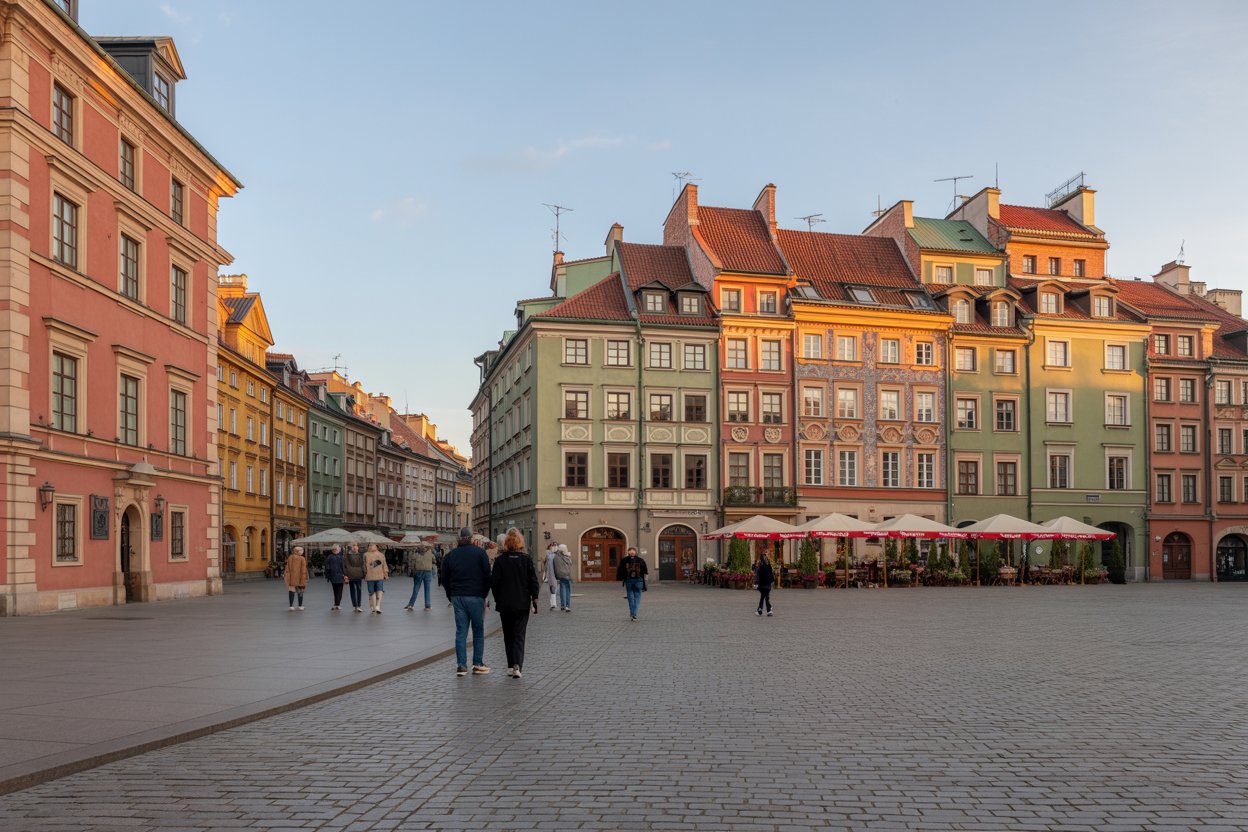
Polish Urban Destination Warsaw Beats Berlin, Madrid and Naples in New European Active City Break Tourism Rankings, securing sixth position in ZAVA’s latest study. With 14,310 estimated steps across a 10.16-kilometre sightseeing route, Warsaw highlights Poland’s growing appeal for travellers seeking cultural exploration, historic landmarks and walking-based holidays in Europe.
Poland’s Warsaw beats Berlin, Madrid and Naples in new European active city break tourism rankings, securing sixth place in a study by ZAVA. With a 10.16-kilometre sightseeing route, 14,310 estimated steps and an activeness score of 8.7, the Polish capital highlights growing opportunities for walking-focused cultural tourism across Europe.
Advertisement
Advertisement
Warsaw Secures Sixth Position Among Europe’s Most Active City Breaks
Warsaw has emerged as one of Europe’s leading destinations for travellers seeking sightseeing experiences that combine physical activity, cultural discovery and urban exploration.
According to new research by healthcare provider ZAVA, the Polish capital ranks sixth among Europe’s most active city break destinations, outperforming Berlin, Madrid and Naples.
Advertisement
Advertisement
The study examined walking distances, estimated step counts, calorie expenditure and the concentration of major attractions across European cities.
Warsaw achieved an overall activeness score of 8.7 out of 10, supported by a 10.16-kilometre sightseeing route connecting prominent landmarks.
Advertisement
Advertisement
Completing the assessed itinerary involves approximately 14,310 steps and an estimated expenditure of 525 calories.
These findings position Warsaw as an attractive destination for visitors interested in discovering European heritage on foot.
Advertisement
Advertisement
Warsaw’s Historical Landmarks Strengthen Its Walking Tourism Appeal
Warsaw offers an extensive combination of architectural heritage, royal residences, public squares, museums and green spaces.
Its historic centre provides opportunities to explore Poland’s complex history, including the city’s destruction during the Second World War and subsequent reconstruction.
The Palace of Culture and Science remains one of Warsaw’s most recognisable landmarks. Its central location and distinctive architecture make it an important reference point for visitors exploring the capital.
Another major attraction is Łazienki Palace, situated within the extensive Łazienki Royal Park.
Advertisement
Advertisement
The surrounding gardens, historic buildings and landscaped walking routes offer visitors a different perspective on Warsaw’s cultural identity.
The city’s UNESCO-listed Historic Centre, Royal Castle and Royal Route further strengthen its appeal for travellers interested in architecture, heritage and self-guided sightseeing.
Although these attractions can be incorporated into walking itineraries, the precise route assessed by ZAVA should not be confused with an officially designated Warsaw tourism trail.
Warsaw Outperforms Berlin, Madrid and Naples
Warsaw’s sixth-place ranking places it ahead of several established European tourism destinations.
Berlin secured eighth position with an activeness score of 8.2, while Madrid ranked ninth with 8.0 and Naples completed the top ten with 7.8.
The research estimated that Berlin’s principal sightseeing route covers 7.82 kilometres, requiring 11,014 steps.
Advertisement
Advertisement
Madrid’s itinerary extends across 7.29 kilometres and approximately 10,268 steps, while Naples requires 10,704 steps over 7.60 kilometres.
Warsaw’s longer assessed route and higher estimated step count contributed to its stronger overall ranking.
However, the findings measure activity associated with selected sightseeing itineraries rather than the overall quality, popularity or accessibility of each destination.
Paris Leads European Rankings as London and Prague Follow
Paris secured first position in the ZAVA study with an activeness score of 9.9 out of 10.
Its assessed sightseeing itinerary stretches across 14.08 kilometres and requires approximately 19,831 steps, with estimated calorie expenditure reaching 727.
London followed in second position, achieving 9.5 points and recording 15,000 steps across 10.65 kilometres.
Advertisement
Advertisement
Prague ranked third with 9.2 points, ahead of Rome in fourth position and Barcelona in fifth.
Warsaw and Barcelona received identical overall activeness scores of 8.7, although Barcelona occupied the higher position in the published ranking.
Budapest followed Warsaw in seventh place, with an estimated 15,521 steps across an 11.02-kilometre route.
Top 10 most active European city breaks according to ZAVA
| Rank | Destination | Steps | Activeness score |
|---|---|---|---|
| 1 | Paris, France | 19,831 | 9.9 |
| 2 | London, UK | 15,000 | 9.5 |
| 3 | Prague, Czechia | 14,056 | 9.2 |
| 4 | Rome, Italy | 11,690 | 9.1 |
| 5 | Barcelona, Spain | 12,845 | 8.7 |
| 6 | Warsaw, Poland | 14,310 | 8.7 |
| 7 | Budapest, Hungary | 15,521 | 8.6 |
| 8 | Berlin, Germany | 11,014 | 8.2 |
| 9 | Madrid, Spain | 10,268 | 8.0 |
| 10 | Naples, Italy | 10,704 | 7.8 |
Growing Interest in City Breaks Creates Opportunities for Warsaw Tourism
The research comes as European city breaks continue to attract strong interest among British holidaymakers.
According to ABTA’s Holiday Habits 2026–27 Report, 53% of British respondents had taken at least one city break during the preceding 12 months, compared with 49% who had taken a beach holiday.
Advertisement
Advertisement
This preference creates opportunities for destinations such as Warsaw to promote accessible cultural experiences, historic neighbourhoods and sightseeing routes that encourage visitors to spend time exploring the city.
For tour operators, walking-focused packages can combine guided heritage experiences, museum visits, traditional Polish cuisine and public transport connections.
Hotels and destination management companies may also benefit from developing itineraries that allow visitors to explore several attractions during shorter stays.
Autumn Tourism Offers Opportunities for Outdoor Exploration
Autumn provides an appealing seasonal setting for visitors interested in Warsaw’s outdoor attractions.
The city’s parks, historic streets and riverside areas can be explored in cooler conditions, although changing weather and shorter daylight hours require appropriate planning.
Travellers can combine walking excursions with indoor attractions, including museums, galleries and historic buildings.
Advertisement
Advertisement
Warsaw’s public transport network also allows visitors to shorten longer sightseeing journeys rather than complete every itinerary entirely on foot.
Importantly, the estimated calorie figures in the study are indicative. Actual expenditure depends on factors including individual body weight, walking speed, terrain and duration.
Warsaw’s Active Tourism Ranking Supports Its Wider Destination Appeal
The findings provide Warsaw with another opportunity to strengthen its positioning within Europe’s competitive city break market.
Beyond its walking routes, the Polish capital offers cultural institutions, historical attractions, culinary experiences and urban green spaces.
Its combination of heritage and contemporary city life provides travel businesses with several opportunities to develop experiences for different visitor interests.
The research also demonstrates how sightseeing itineraries can be evaluated through walking distances and estimated physical activity, offering travellers additional information when planning urban holidays.
Advertisement
Advertisement
Warsaw’s sixth-place position reinforces its appeal as a European destination for walking-based sightseeing and cultural discovery. By outperforming Berlin, Madrid and Naples in ZAVA’s activity rankings, Poland’s capital gains another opportunity to promote its historic attractions, green spaces and accessible urban experiences to international city break travellers.
“Warsaw’s recognition among Europe’s most active city break destinations reflects the growing importance of meaningful, experience-driven travel. Modern travellers increasingly want to discover destinations beyond conventional sightseeing, combining cultural exploration, historical understanding and outdoor experiences within a single journey.
Poland’s capital offers an impressive setting for this approach. Its architectural landmarks, beautifully restored historic districts, royal parks and vibrant public spaces provide opportunities to experience European heritage while exploring the city on foot.
The latest rankings also demonstrate how destinations can attract international attention by highlighting the practical experiences available to visitors. Walking tourism encourages deeper engagement with local communities, neighbourhood businesses, cultural institutions and traditional hospitality.
For Warsaw, this recognition presents an opportunity to strengthen its international tourism profile, develop distinctive visitor itineraries and appeal to travellers seeking authentic, rewarding and memorable European city breaks throughout the year, while supporting sustainable destination development and local economic growth.”— Anup Kumar Keshan, Founder and Editor-in-Chief, Travel And Tour World
Warsaw’s strong performance in Europe’s active city break rankings reinforces its position as an attractive destination for cultural tourism and urban exploration. Surpassing Berlin, Madrid and Naples, Poland’s capital offers visitors opportunities to discover historic architecture, royal parks and cultural landmarks while enjoying rewarding walking experiences across the city
Advertisement
