
UAE Joins Jordan, Qatar, Oman, Bahrain, Kuwait, Saudi Arabia, India, China, Singapore, Egypt and Others As Iranian Oil Tankers Resume Movement Through The Strait Of Hormuz Near Dubai, Abu Dhabi, Doha And Muscat; Could Growing Maritime Activity Strengthen New Gulf Tourism And Travel Connectivity?

Published
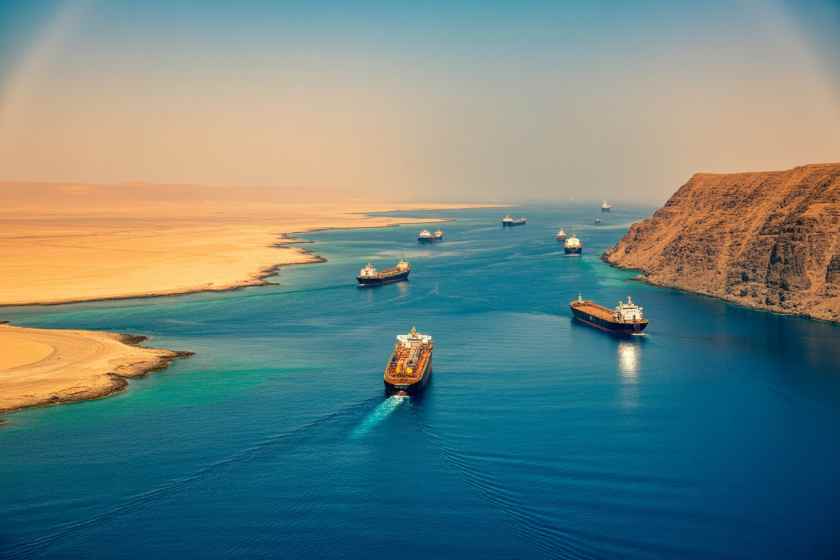
UAE Joins Jordan, Qatar, Oman, Bahrain, Kuwait, Saudi Arabia, India, China, Singapore, Egypt and Others As Iranian Oil Tankers Resume Movement Through the Strait Of Hormuz Near Dubai, Abu Dhabi, Doha And Muscat.
The United Arab Emirates, Qatar, Oman and other Gulf destinations are closely monitoring renewed maritime activity in the Strait of Hormuz after crude oil tankers departed Iran for the first time in months. The development is attracting attention across Dubai, Abu Dhabi, Doha and Muscat, where tourism, aviation and cruise sectors rely on stable regional transportation networks that support international travel and economic connectivity.
According to TankerTrackers, two crude oil tankers left Iran on Monday, marking the first such departures in approximately two months. The tracking service reported that the vessels were carrying around 3.8 billion barrels of crude oil. A third tanker, which had reportedly been waiting near Pakistan for several weeks, also began moving towards Iran and the blockade line.
Advertisement
Advertisement
The movements come as Gulf destinations continue welcoming international visitors while regional transportation operators monitor developments in one of the world’s most strategically important maritime corridors.
Strait Of Hormuz Remains A Critical Gateway For Tourism
For many travellers visiting the Gulf, the Strait of Hormuz may appear far removed from holiday plans, yet it plays a significant role in supporting the broader travel ecosystem across the region.
Advertisement
Advertisement
The waterway serves as a key maritime route connecting Gulf nations with global markets. Commercial shipping, cruise operations, logistics services and tourism-related supply chains all depend on reliable maritime access.
Destinations including Dubai, Abu Dhabi, Doha, Muscat, Manama and Kuwait City benefit from transportation networks that support hospitality operations, airport infrastructure, tourism developments and visitor services.
Advertisement
Advertisement
As maritime activity increases, tourism stakeholders continue monitoring how transportation confidence evolves throughout the region.
Dubai And Abu Dhabi Continue Strengthening Global Tourism Appeal
Dubai and Abu Dhabi remain among the Middle East’s leading tourism destinations, attracting millions of visitors through extensive airline networks, luxury hospitality offerings and international events.
Advertisement
Advertisement
The United Arab Emirates serves as a major global transit hub connecting Europe, Asia, Africa and Oceania. Stable transportation infrastructure remains important for maintaining visitor confidence and supporting tourism growth.
Dubai’s waterfront attractions, resorts, shopping districts and entertainment venues continue attracting travellers from around the world, while Abu Dhabi’s cultural attractions, museums and leisure developments remain key components of the country’s tourism strategy.
Maritime developments are closely watched because transportation reliability contributes to broader destination confidence.
Doha And Muscat Benefit From Regional Connectivity
Qatar and Oman are also paying close attention to transportation trends across the Gulf.
Advertisement
Advertisement
Doha remains one of the region’s most important aviation gateways, linking international travellers across multiple continents through its extensive airline network. Tourism authorities continue expanding visitor offerings while attracting leisure and business travellers alike.
Muscat continues positioning itself as a destination for cultural tourism, coastal experiences and nature-based travel. Oman’s tourism strategy relies heavily on regional accessibility and international connectivity.
The movement of commercial vessels through nearby waters is therefore relevant not only to shipping operators but also to wider travel and tourism stakeholders.
Cruise Tourism Watches Maritime Developments
Cruise tourism operators are among the sectors monitoring developments in Gulf waters.
Cruise itineraries frequently connect destinations such as Dubai, Abu Dhabi, Doha and Muscat, creating multi-destination experiences for international travellers.
Maritime conditions, navigational access and shipping confidence are important considerations for cruise companies planning seasonal deployments and future itineraries.
Advertisement
Advertisement
While cruise operations continue functioning separately from oil transportation activities, broader maritime stability remains an important factor influencing the attractiveness of regional cruising routes.
The Gulf cruise market has experienced significant growth in recent years, supported by modern port facilities and increasing visitor demand.
Airlines And Hospitality Providers Monitor Transportation Trends
The Gulf’s tourism economy extends well beyond maritime transport.
Airports in Dubai, Abu Dhabi, Doha and Muscat continue handling substantial international passenger volumes as travellers arrive for holidays, conferences, sporting events and business activities.
Hotels, resorts, destination management companies and tourism attractions depend on strong transportation networks that support visitor arrivals and supply chains.
Developments involving commercial shipping often receive attention because they can provide indicators regarding broader regional transportation activity.
Advertisement
Advertisement
Tourism businesses throughout the Gulf continue monitoring transportation patterns as part of routine operational planning.
Regional Tourism Continues Expanding
The Middle East remains one of the world’s fastest-growing tourism regions, supported by large-scale investments in infrastructure, hospitality and destination development.
Countries across the Gulf continue expanding airports, cruise terminals, entertainment districts, cultural attractions and tourism experiences designed to attract international visitors.
Dubai’s luxury tourism sector, Abu Dhabi’s cultural expansion projects, Qatar’s tourism diversification efforts and Oman’s growing visitor economy all depend on strong international connectivity.
As maritime traffic shows signs of renewed movement, tourism stakeholders continue evaluating developments that may influence regional travel perceptions and transportation confidence.
Travellers Continue Exploring Gulf Destinations
International travellers continue visiting destinations throughout the Gulf for leisure, business and cultural experiences.
Advertisement
Advertisement
Visitors are drawn to Dubai’s modern skyline, Abu Dhabi’s museums, Doha’s waterfront attractions and Muscat’s coastal landscapes.
The region’s tourism growth remains supported by extensive airline networks, world-class hospitality facilities and increasingly diverse visitor experiences.
Transportation developments in the Strait of Hormuz are therefore monitored not only by energy markets but also by tourism stakeholders interested in maintaining smooth connectivity across the region.
Key Statistics And Timeline
- Two crude oil tankers departed Iran on Monday, the first such departures reported in approximately two months.
- TankerTrackers reported the vessels were carrying around 3.8 billion barrels of crude oil.
- A third tanker that had been waiting near Pakistan for several weeks reportedly began moving towards Iran.
- The movements occurred through the Strait of Hormuz, one of the world’s most important maritime corridors.
Important Dates And Events
Monday – Two crude oil tankers departed Iran for the first time in approximately two months.
Tuesday – TankerTrackers reported the departures and confirmed movement of a third vessel towards Iran.
Recent Weeks – A third tanker remained near Pakistan before resuming movement towards the region.
Conclusion
UAE Joins Jordan, Qatar, Oman, Bahrain, Kuwait, Saudi Arabia, India, China, Singapore, Egypt and Others As Iranian Oil Tankers Resume Movement Through the Strait Of Hormuz Near Dubai, Abu Dhabi, Doha And Muscat.
As Dubai, Abu Dhabi, Doha and Muscat continue attracting international visitors, renewed tanker movements through the Strait of Hormuz are drawing attention from tourism, cruise and transportation stakeholders across the Gulf. While the development centres on commercial shipping activity, stable maritime connectivity remains an important component supporting the wider travel ecosystem that links some of the Middle East’s most significant tourism destinations.
Advertisement
