
Lufthansa Joins Ryanair and More Airlines across Europe and Prepares to Rapidly Expand Fleet by 2035

Published
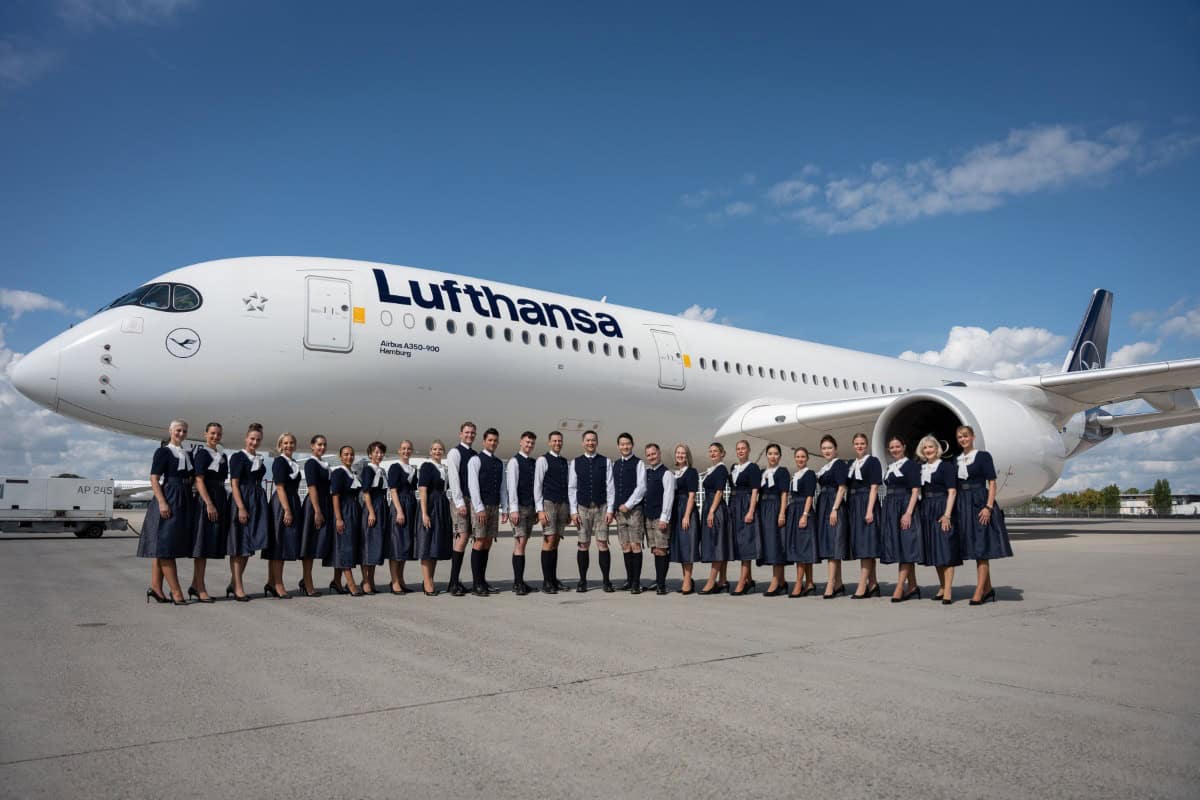
As airlines plan to increase fleet capacity by 2035 through significant aircraft investments, Lufthansa joins Ryanair and other airlines throughout Europe. In order to accommodate future expansion, European airlines are also speeding up their fleet renewal plans with cutting-edge Boeing and Airbus aircraft. Ryanair and other European airlines bolster their long-term plans, while Lufthansa joins this expanding trend with fresh Boeing agreements. By 2035, these fleet expansion plans will replace outdated airplanes, increase efficiency, and satisfy growing demand for travel. As airlines build contemporary fleets that can support competitive networks, improved passenger experiences, and sustainable operations throughout Europe, the aviation industry continues to change.
Why are European airlines investing heavily in new aircraft?
European airlines are increasingly focusing on fleet renewal as older aircraft become more expensive to operate and maintain. New-generation aircraft such as the Boeing 737 MAX and Airbus A320neo family offer improved fuel efficiency, lower operating costs and higher passenger capacity compared with previous models.
Lufthansa Group exercised options for 20 Boeing 737 MAX 10 aircraft, expanding its narrow-body modernisation programme. The aircraft are expected to enter the fleet from the early 2030s and will gradually replace older Airbus A320 family aircraft. The order is part of Lufthansa’s wider plan to receive more than 250 new aircraft by 2035.
The decision reflects a broader European aviation strategy. Airlines are balancing future growth with efficiency requirements, especially as passenger demand continues recovering and airports face capacity limitations.
Advertisement
Advertisement
Modern aircraft also allow airlines to improve customer experience through updated cabins, better connectivity systems and increased operational reliability. Manufacturers such as Airbus and Boeing continue to see strong demand from European and global carriers despite supply chain challenges.
How is Lufthansa reshaping its future fleet strategy?
Lufthansa’s additional Boeing 737 MAX 10 commitment strengthens its return to Boeing narrow-body aircraft after years of relying heavily on Airbus A320 family jets.
Advertisement
Advertisement
The German aviation group secured rights for the additional aircraft through its 2023 agreement for 40 Boeing 737 MAX 8 aircraft. The latest option exercise adds capacity flexibility and provides Lufthansa with a larger aircraft designed for high-demand short and medium-haul routes.
The Boeing 737 MAX 10 is the largest aircraft in the MAX family and can carry more passengers than earlier variants. For Lufthansa, the aircraft will support operations across European routes where demand remains strong and efficiency is increasingly important.
Beyond narrow-body aircraft, Lufthansa has also continued investing in long-haul fleet renewal through modern aircraft programmes, including Airbus A350 deliveries. The group’s strategy combines replacing older aircraft with improving network competitiveness.
The fleet transformation is also important for Lufthansa subsidiaries, which operate across multiple European markets. The group’s future aircraft deliveries are expected to reshape capacity planning across its network.
Why are easyJet and Ryanair expanding their aircraft orders?
Low-cost carriers are among the most aggressive participants in Europe’s aircraft renewal race.
easyJet has committed to a major Airbus A320neo family expansion, with a large order covering A320neo and A321neo aircraft. The airline’s strategy focuses on replacing older aircraft while increasing capacity on popular European routes.
Advertisement
Advertisement
The Airbus A321neo has become particularly attractive for airlines because it provides additional seating capacity while maintaining narrow-body operating efficiency. For easyJet, the aircraft supports growth at major airports where additional slots are limited.
Meanwhile, Ryanair continues one of Europe’s largest Boeing fleet programmes. The airline has committed to up to 300 Boeing 737 MAX 10 aircraft, including firm orders and options, with deliveries planned through the early 2030s.
Ryanair’s aircraft expansion supports its strategy of increasing passenger numbers across European markets. The airline has also announced plans to grow its Baltic presence, supported by future aircraft deliveries and network expansion.
How are IAG, SAS and Wizz Air preparing for future growth?
European aviation groups are also strengthening long-haul and regional fleets through major aircraft commitments.
International Airlines Group (IAG), which includes British Airways, Iberia, Aer Lingus and LEVEL, has continued investing in wide-body aircraft. The group’s fleet strategy includes modern aircraft such as Airbus A350s, Airbus A330neos and Boeing 787s to replace older long-haul aircraft and improve efficiency.
For Scandinavian markets, SAS has focused on Airbus wide-body renewal through its Airbus A330neo programme. The aircraft provides greater range and improved efficiency for international operations.
Advertisement
Advertisement
At the same time, Wizz Air continues expanding its Airbus A321neo-focused fleet strategy. The airline has established the A321neo as a core aircraft for its European growth model because of its capacity advantages and lower operating costs.
Wizz Air has set long-term growth targets supported by fleet expansion, although the airline has recently adjusted capacity plans due to wider industry cost pressures.
Latest European Aircraft Order Developments
| Airline / Group | Country | Aircraft Ordered | Manufacturer | Quantity |
|---|---|---|---|---|
| Lufthansa Group | Germany | Boeing 737 MAX 10 | Boeing | 20 options exercised |
| easyJet | United Kingdom | Airbus A320neo Family | Airbus | 157 firm aircraft + 100 purchase rights |
| Ryanair Group | Ireland | Boeing 737 MAX 10 | Boeing | Up to 300 aircraft (150 firm + 150 options) |
| IAG (British Airways, Iberia, Aer Lingus, LEVEL) | UK/Spain/Ireland | A330neo, A350, Boeing 787, Boeing 777X | Airbus/Boeing | Multiple wide-body orders |
| SAS Scandinavian Airlines | Denmark/Scandinavia | Airbus A330-900 | Airbus | 18 aircraft |
| Wizz Air | Hungary | Airbus A321neo Family | Airbus | 75 additional A321neo (part of wider orderbook) |
| SMBC Aviation Capital (European-based lessor) | Ireland | Airbus A320neo Family | Airbus | 100 aircraft |
What does the European aircraft order boom mean for travellers?
The wave of aircraft investment is expected to influence European travel over the next decade.
New aircraft deliveries could bring more efficient operations, improved onboard facilities and additional route opportunities. Airlines will also have greater flexibility to increase capacity on high-demand routes while retiring older aircraft.
The fleet renewal race demonstrates how European carriers are preparing for a changing aviation environment. Lufthansa, Ryanair, easyJet, IAG, SAS and Wizz Air are following different strategies, but their common focus remains modern aircraft, operational efficiency and long-term network growth.
As manufacturers continue managing strong global demand, European airlines are securing future aircraft availability to compete in an increasingly competitive travel market.
The coming years will see Europe’s airline fleets gradually transformed, with newer aircraft becoming central to the region’s aviation growth strategy.
Advertisement
