
United Airlines Flight UA884 Cancellation Strands Rome-Bound Travellers in the US After 12 Hours of Disruption

Published
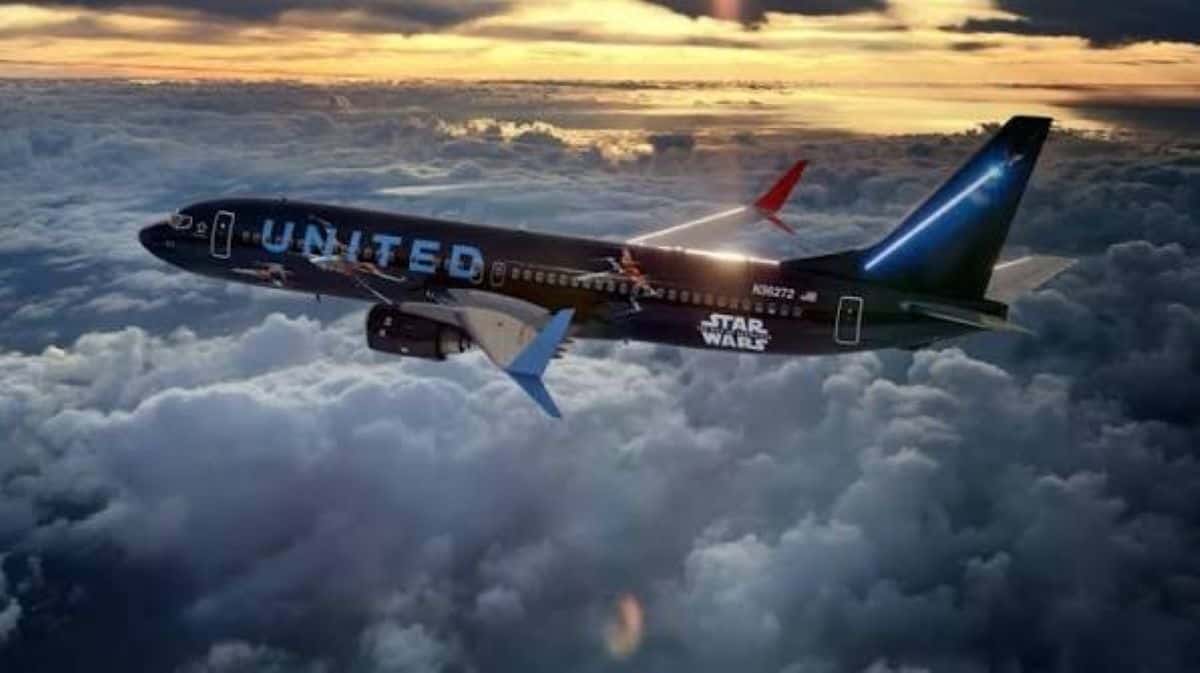
United Airlines passengers endured an extraordinary overnight ordeal at Washington Dulles International Airport after Flight UA884 failed to leave for Rome. The Boeing 777-200ER suffered a chain of setbacks involving a cockpit fault, thunderstorms, crew duty limits, a door-seal problem and a pushback tug incident. Passengers began boarding at about 4:30pm on Friday, 2 October 2026, before the scheduled 5:35pm departure. The flight was eventually cancelled at around 4:00am on Saturday. United attributed the final cancellation to crew duty-time limits, after the replacement crew also reached its legal limit.
One Delay Became A Full Overnight Disruption
What began as a technical delay gradually became a complex operational failure. Each new problem consumed valuable time and left United with fewer options to recover the scheduled Rome service.
Passengers first encountered an unspecified cockpit fault before departure. Once that issue had been addressed, thunderstorms over the Washington area prevented the Boeing 777 from leaving Dulles.
The aircraft later returned to the gate for refuelling. Passengers were allowed to leave the aircraft while ground teams worked, while United also replaced the onboard catering after the original meals had remained onboard for several hours.
Advertisement
Advertisement
The disruption then crossed an important operational threshold. Roughly six hours after boarding began, the original operating crew reached its permitted duty limit.
Passengers were consequently asked to deplane again while United arranged a replacement crew. At that stage, the flight remained potentially recoverable, despite the substantial delay.
Advertisement
Advertisement
The replacement crew eventually arrived, and passengers reboarded the aircraft. However, another technical issue emerged before the aircraft could leave the gate.
UA884 At A Glance
| Flight Detail | Information |
|---|---|
| Airline | United Airlines |
| Flight | UA884 |
| Aircraft | Boeing 777-200ER |
| Registration | N798UA |
| Route | Washington Dulles to Rome Fiumicino |
| Scheduled departure | 5:35pm, Friday 2 October |
| Boarding | About 4:30pm |
| Cancellation | About 4:00am, Saturday |
| Rebooking | UA3028 |
| Replacement departure | 6:55pm Saturday |
| Return service affected | UA885 |
Door Fault Pushes The Flight Further Behind
After passengers reboarded, the Boeing 777 remained at the gate for approximately another hour. Maintenance personnel then identified a problem with one of the aircraft’s doors.
Advertisement
Advertisement
The door reportedly failed to seal correctly and required further inspection. That created yet another delay after the airline had already replaced the aircraft’s crew and catering.
The aircraft eventually appeared ready to depart. It began pushing back from the gate, but the recovery effort suffered another setback almost immediately.
Passengers reported hearing a loud bang during the manoeuvre. The pilot subsequently explained that a band on the pushback tug had snapped and that something had struck the aircraft.
The Boeing 777 returned to the gate for another mechanical inspection. That decision was necessary from a safety perspective, but it had a major operational consequence.
Advertisement
Advertisement
The replacement crew had already spent hours dealing with the accumulated delays. The additional inspection consumed enough time for that crew to reach its own duty limit.
Crew Fatigue Rules Finally End The Journey
United said the crew duty-time limit ultimately forced the cancellation. The airline’s explanation is significant because the pushback incident itself was not presented as the direct reason for cancelling the flight.
The replacement crew had boarded before the pushback problem occurred. However, the time required to inspect the aircraft afterwards left the crew without sufficient legal operating time.
That distinction matters for travellers. An aircraft can remain technically capable of flying while an airline is legally unable to operate it because an available crew has exceeded its permitted duty period.
US aviation rules place strict limits on flightcrew duty and rest because fatigue can compromise safety. These requirements are designed to prevent crews from operating when accumulated fatigue becomes an unacceptable operational risk.
For passengers, however, the practical effect can be frustrating. A relatively small delay early in a journey can eventually trigger a cancellation several hours later.
Advertisement
Advertisement
UA884 illustrates that problem particularly clearly. The cancellation was the product of cumulative disruption rather than one decisive failure.
A Chain Of Problems Left No Recovery Margin
The sequence reveals how vulnerable long-haul operations can become once several disruptions occur together.
The initial cockpit fault consumed time. Thunderstorms then restricted the departure opportunity, while refuelling and catering changes extended the ground operation.
The first crew subsequently reached its duty limit. United then had to source another crew, only for a door problem and pushback incident to consume more time.
By the final inspection, the replacement crew had also reached its permitted limit. United therefore had no legal crew available to operate the transatlantic service.
This sequence can be viewed as an operational chain rather than a collection of unrelated incidents. Each event reduced the recovery window available for the next stage.
Advertisement
Advertisement
That is especially important on an overnight international service. A long-haul flight cannot simply be delayed indefinitely without affecting crew legality, aircraft rotations, airport operations and subsequent services.
Rome Passengers Were Not The Only Travellers Affected
The cancellation also disrupted United’s planned return operation. Because UA884 never reached Rome, the scheduled Flight UA885 from Rome Fiumicino to Washington was also cancelled.
The impact therefore extended across both sides of the Atlantic. Travellers waiting in Rome faced their own disruption, while passengers at Dulles had to find another route to Italy.
United subsequently rebooked affected UA884 passengers onto Flight UA3028, operated by another Boeing 777-200ER. That replacement service eventually departed Washington at approximately 6:55pm on Saturday.
For passengers originally booked on Friday evening, the replacement departure came more than 25 hours after the original scheduled departure time.
That delay can have consequences far beyond the flight itself. Travellers may miss hotel check-in windows, rail connections, cruise departures, tours, meetings and onward flights.
Advertisement
Advertisement
A transatlantic cancellation is therefore often a network disruption for the passenger, rather than simply an airline schedule change.
What The Incident Means For Passenger Rights
The reported $175 voucher offered to passenger Rebecca Bliden should be viewed separately from statutory passenger rights.
A goodwill payment does not automatically represent mandatory compensation under US law. The United States does not have a direct equivalent of the European Union’s standardised EU261 compensation system for ordinary flight delays and cancellations.
However, US passengers have important protections when an airline cancels or significantly changes a flight.
Under current Department of Transportation rules, travellers can generally receive a refund when an airline cancels or significantly changes their flight and they do not accept alternative transportation or travel credits.
That distinction is important. A passenger who accepts a replacement flight is in a different position from someone who rejects the alternative and requests a refund.
Advertisement
Advertisement
For international travellers, documentation is therefore essential. Passengers should retain their original ticket, boarding pass, cancellation notice, rebooking information and receipts for relevant expenses.
The DOT’s rules also provide protections relating to qualifying tarmac delays. However, those rules should not be confused with every prolonged airport disruption.
Twelve Hours At The Airport Does Not Mean Twelve Hours On The Tarmac
The UA884 experience highlights an important distinction that can easily be misunderstood.
US tarmac-delay rules generally concern passengers who remain aboard an aircraft on the tarmac without an opportunity to deplane. They do not automatically classify every lengthy airport delay as a tarmac delay.
In the UA884 case, passengers were reportedly allowed to leave the aircraft during several stages of the disruption. They deplaned when the aircraft returned to the gate and again when the operating crew reached its duty limit.
For international flights departing US airports, airlines generally must provide an opportunity for passengers to deplane before a four-hour tarmac delay, subject to safety, security and air-traffic-control exceptions.
Advertisement
Advertisement
Airlines must also provide food and water during qualifying prolonged tarmac delays after two hours, unless safety or security considerations prevent it.
For travellers, the distinction is practical. A long wait inside an airport terminal is not automatically a tarmac-delay violation.
Dulles Remains A Major International Gateway
Washington Dulles plays an important role in the US international aviation network. The airport connects the Washington region with a broad range of destinations across Europe, Asia, the Middle East and other global markets.
That network can provide passengers with alternative routing opportunities when a direct service fails. Yet the availability of alternatives depends heavily on seat capacity and the timing of the disruption.
A cancelled wide-body flight can place hundreds of passengers into a difficult rebooking market. Other flights may already be full, while connecting itineraries can introduce additional travel time and missed-connection risks.
The airport’s international role also means that disruption at Dulles can affect passengers beyond the Washington region. Travellers arriving from other US cities may have been connecting through Dulles for the Rome service.
Advertisement
Advertisement
For those passengers, the impact can begin well before they reach Washington.
The Aircraft Was Later Used On Another Route
The aircraft involved was identified as N798UA, a Boeing 777-200ER delivered to United in 1998.
Despite the disruption, the aircraft did not operate the rescheduled Rome service. After its inspection, N798UA was subsequently assigned to United Flight UA982 between Washington Dulles and Athens.
That development is important because an aircraft’s involvement in a disruption does not automatically indicate permanent withdrawal from service.
Airlines routinely inspect aircraft following incidents and operational abnormalities. Once the required checks are completed, aircraft can return to scheduled operations if cleared for service.
The later Athens assignment therefore provides additional context around the Dulles incident. The Rome cancellation was ultimately an operational chain failure involving aircraft, crew, weather and ground handling.
Advertisement
Advertisement
What Travellers Should Do During A Major Delay
Passengers caught in a similar situation should first establish whether the airline has officially cancelled the flight. Until that point, travellers should continue monitoring gate information and airline notifications.
Once cancellation becomes official, passengers should compare the available rebooking options carefully. A replacement flight several hours later may be preferable to a refund for some travellers, particularly when hotel bookings or onward travel are already fixed.
However, passengers who no longer wish to travel should understand the consequences of accepting a credit or alternative service. Do not automatically accept a voucher before checking whether a refund is more appropriate.
Travellers should also keep receipts for meals, accommodation and transportation. Whether those expenses qualify for reimbursement depends on the circumstances and the airline’s applicable policies.
International passengers should additionally check their onward reservations. A flight cancellation can invalidate the timing of separate hotel, rail, cruise or tour bookings.
Where a traveller has independently booked a connection, the airline operating the cancelled flight may not automatically be responsible for every resulting expense.
Advertisement
Advertisement
Why This Disruption Matters For Long-Haul Travel
The UA884 episode offers a revealing look at the fragile economics and logistics behind a long-haul flight.
Airlines build schedules around aircraft rotations, crew legality, maintenance availability and airport capacity. A delay in one part of that system can rapidly affect another.
In this case, the first crew could not continue. A replacement crew was found, but that crew later became unavailable because of additional delays.
The lesson for travellers is straightforward. A flight that appears merely delayed can still become a cancellation many hours later.
That reality is particularly important for passengers travelling for time-sensitive events. Weddings, cruises, business meetings and separately booked connections can all be vulnerable to long-haul operational disruption.
Travellers can reduce some of that risk by avoiding extremely tight connections and allowing additional time before important onward commitments.
Advertisement
Advertisement
One Night That Exhausted Every Recovery Option
United Airlines Flight UA884 demonstrates how quickly a routine international departure can unravel when several problems arrive in succession. The cockpit fault created the initial delay, thunderstorms removed the first recovery opportunity, and the crew limit then forced a change of personnel.
The replacement crew appeared to offer a path forward. Yet the door inspection and pushback tug incident consumed the remaining operational margin.
By the time the aircraft was ready for another inspection, the replacement crew could no longer legally operate the flight. United therefore cancelled UA884 after nearly 12 hours of disruption, while the resulting aircraft rotation also affected the Rome-to-Washington return service.
For passengers, the incident carries a wider lesson. Understanding refund rights, preserving travel records and checking rebooking terms can make a major difference when an international journey collapses overnight.
The episode also shows why airline cancellations cannot always be traced to one dramatic failure. Sometimes, it is the accumulation of smaller problems that ultimately brings an entire flight to a halt.
Advertisement
