
UAE Stands With Qatar, Saudi Arabia and More as Iran’s Retaliatory Missile Attacks on Gulf Neighbours and Strait of Hormuz Shutdown Threaten Regional Airlines, Cruise Routes, Tourism Growth and Global Connectivity

Published
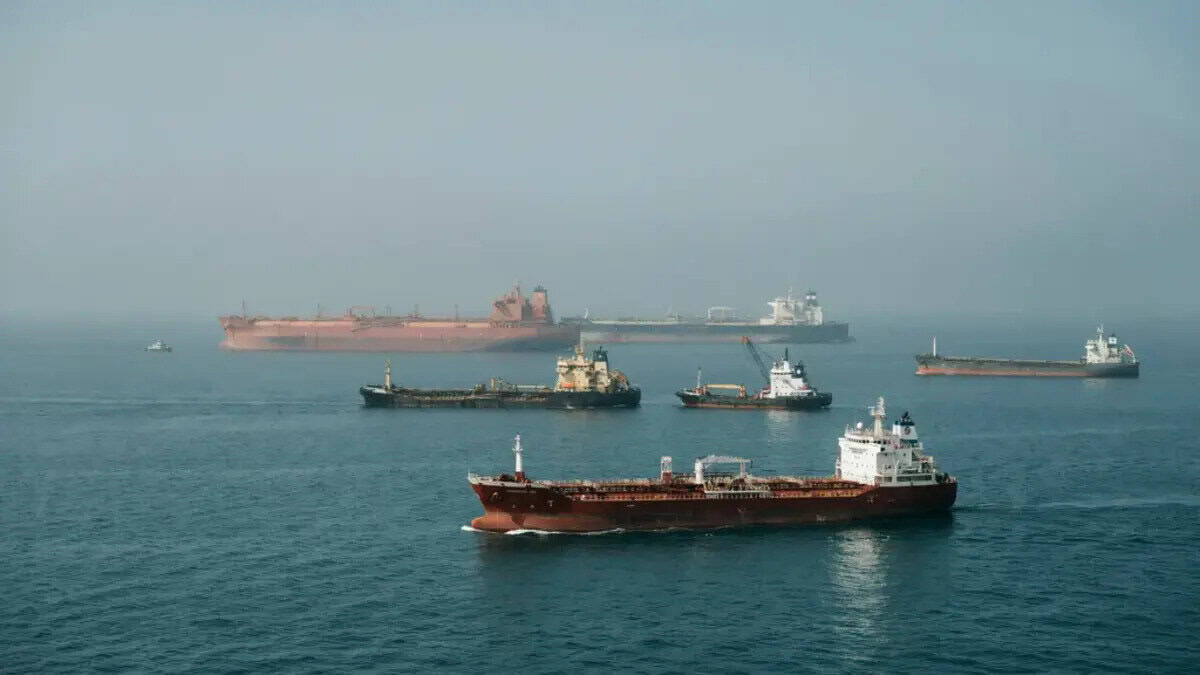
Image generated with Ai
UAE Stands With Qatar, Saudi Arabia, and More as Iran’s retaliatory missile and drone attacks on Gulf neighbours, following US strikes and the announced Strait of Hormuz shutdown, create growing risks for regional airlines, cruise routes, tourism growth and global connectivity. The escalation has placed some of the world’s most important aviation hubs, maritime gateways and tourism destinations under renewed pressure, with potential disruptions to flight operations, passenger confidence, cruise movements and international visitor demand. As the UAE, Qatar, Saudi Arabia, Bahrain, Kuwait and Oman continue strengthening their tourism economies through global connectivity and hospitality investments, the latest security crisis has created a challenging environment where maintaining traveller confidence and protecting seamless mobility have become critical priorities for the Gulf travel industry.
The Gulf travel and tourism industry has entered a period of increased uncertainty after Iran announced the closure of the Strait of Hormuz following a major military escalation involving the United States and several Gulf countries. The development came after new US strikes against Iranian targets, which followed an attack by Iranian forces on a merchant vessel travelling through one of the world’s most strategically important maritime routes.
Advertisement
Advertisement
The escalation has placed major Gulf tourism markets, including the United Arab Emirates, Qatar, Saudi Arabia, Bahrain, Kuwait and Oman, under closer observation as airlines, airports, cruise operators and hospitality businesses assess the potential impact on international travel.
The latest developments have affected one of the world’s most important transportation regions. The Gulf has become a global centre for aviation connectivity, luxury tourism, business travel, cruise operations and international events. However, the growing security concerns around the Strait of Hormuz have raised questions about flight operations, maritime movement, traveller confidence and future tourism demand.
Advertisement
Advertisement
The Strait of Hormuz is a critical international waterway connecting the Gulf with global energy markets. A significant share of global oil and liquefied natural gas shipments passes through this route. Any disruption has consequences beyond energy markets, with potential effects on shipping costs, insurance rates, airline operations and tourism-related supply chains.
Advertisement
Advertisement
Iran Announces Strait of Hormuz Closure After Military Escalation
The latest crisis began after Iran announced that the Strait of Hormuz would be closed until further notice following escalating tensions with the United States.
The announcement followed a sequence of military events involving a merchant vessel, Iranian forces and US military action. The Iranian Revolutionary Guard Corps reportedly targeted and stopped a Cyprus-registered container ship travelling through the Strait of Hormuz, claiming that the vessel was using an unauthorised shipping route and had ignored repeated instructions.
The United States described the incident as a direct attack on an international commercial vessel. According to military information provided after the incident, the ship suffered significant damage, including fire and damage to its engine room.
Advertisement
Advertisement
The crew members were forced to abandon the vessel, with reports indicating that they moved onto a lifeboat. A crew member was reported missing following the incident. The maritime incident occurred approximately 17 kilometres east of Oman, placing the situation close to a highly sensitive shipping corridor.
The vessel attack increased concerns over maritime security because the Strait of Hormuz remains one of the most important routes for international trade. Any restrictions affecting navigation can create uncertainty for commercial shipping, cruise operators and regional tourism connectivity.
Advertisement
Advertisement
UAE Faces Pressure as Gulf’s Largest Tourism and Aviation Hub
The United Arab Emirates is among the Gulf countries most exposed to the impact of regional uncertainty because tourism and aviation represent major pillars of its economy.
Dubai and Abu Dhabi have developed into some of the world’s leading travel hubs. Millions of passengers use UAE airports every year for direct travel and international connections between Asia, Europe, Africa and North America.
The possibility of regional airspace restrictions or operational adjustments creates concerns for airlines operating through the country. Even when airports remain open, security developments can lead carriers to review routes, extend flight times or increase operational planning.
For international travellers, the UAE’s appeal has always been connected to reliability, safety and seamless connectivity. Dubai’s luxury tourism sector, business events industry and cruise gateway role depend heavily on maintaining global confidence.
The crisis also creates uncertainty for cruise tourism. The UAE has become a major starting point for Gulf cruise itineraries, attracting international passengers who travel between regional ports. Maritime security concerns around the Strait of Hormuz could influence cruise schedules and route planning.
Advertisement
Advertisement
Qatar’s Aviation Network and Tourism Growth Face Regional Risks
Qatar has also been placed under increased pressure because of its role as a major aviation gateway.
Doha’s Hamad International Airport and Qatar Airways serve as key links between continents. The country’s tourism growth has been supported by international visitors, business travellers, sporting events and luxury hospitality development.
The reported missile activity affecting Qatar has created additional challenges for maintaining traveller confidence.
The country’s tourism strategy depends on attracting visitors from global markets who expect safe and reliable access. Any uncertainty around regional security can influence short-term booking behaviour, especially for leisure travellers and international event participants.
Qatar’s position as a global aviation hub means that disruptions can affect not only visitors travelling to the country but also passengers using Doha as a transit point.
Advertisement
Advertisement
Saudi Arabia’s Tourism Vision Faces Regional Uncertainty
Saudi Arabia has been expanding its tourism sector through major investments in heritage destinations, entertainment projects, luxury resorts and religious tourism.
The country is working to attract millions of international visitors as part of its tourism diversification plans. However, regional stability remains an important factor influencing international travel decisions.
While tourism destinations across Saudi Arabia may continue operating normally, wider regional tensions can influence perceptions among overseas visitors.
Air connectivity is also a key factor. Saudi airlines and airports support regional and international travel networks, meaning any increase in operational costs, route changes or security procedures could affect travel flows.
Bahrain and Kuwait Monitor Aviation and Visitor Sentiment
Bahrain and Kuwait are also facing indirect tourism challenges from the regional escalation.
Advertisement
Advertisement
Bahrain has developed a strong position in regional leisure tourism, business travel and cultural events. The country attracts visitors from neighbouring Gulf states as well as international markets.
However, security concerns can affect short-term visitor decisions. Hotels, restaurants, entertainment venues and event organisers often experience changes in demand when travellers become cautious.
Kuwait’s travel sector is similarly linked to regional aviation and business movement. The country’s tourism and hospitality industries depend heavily on connectivity, corporate travel and regional mobility.
Any disruption to flight schedules or increased uncertainty around Gulf travel routes could influence visitor flows.
Oman’s Cruise Tourism and Maritime Connectivity Under Watch
Oman has a unique position because of its coastline and proximity to the Strait of Hormuz. The country has developed a growing cruise tourism sector through destinations including Muscat, Khasab and Salalah.
Advertisement
Advertisement
The merchant vessel incident near Oman has increased attention on maritime security in the region.
Cruise companies carefully evaluate geopolitical conditions because passenger safety and route reliability are essential for maintaining confidence. Any prolonged uncertainty could influence cruise planning, port visits and future itineraries.
Oman has promoted itself as a destination focused on natural landscapes, heritage, adventure tourism and coastal experiences. Protecting its reputation as a stable destination remains important for future growth.
Gulf Airlines, Cruises and Tourism Businesses Face Rising Uncertainty
The biggest immediate impact on Gulf tourism is expected to come through uncertainty rather than a complete shutdown of travel.
Airlines may face:
Advertisement
Advertisement
- Longer flight routes
- Higher fuel consumption
- Increased operational costs
- Additional security procedures
- Possible schedule adjustments
Cruise operators may need to review:
- Maritime routes
- Port schedules
- Passenger communication
- Insurance requirements
Hotels and tourism businesses may also monitor:
- International booking patterns
- Corporate travel demand
- Event participation
- Visitor sentiment
The Gulf tourism industry has been built around confidence, connectivity and international accessibility. Any prolonged regional tension can create challenges even without a wider conflict.
Gulf Tourism Enters a New Period of Risk Management
The Iran-US escalation and Strait of Hormuz closure have highlighted the connection between regional security and global travel.
The UAE, Qatar, Saudi Arabia, Bahrain, Kuwait and Oman have transformed themselves into major tourism destinations through investment in airports, hotels, cruise facilities and visitor experiences.
Advertisement
Advertisement
The current situation presents a challenge for maintaining that growth while managing geopolitical uncertainty.
For the Gulf travel sector, the priority will remain protecting aviation connectivity, supporting tourism confidence and ensuring that international visitors continue to view the region as accessible and prepared.
UAE Stands With Qatar, Saudi Arabia, and More as Iran’s missile and drone attacks after US strikes and the Strait of Hormuz shutdown threaten Gulf travel because the region’s airlines, cruise networks and tourism hubs depend on stable air and maritime connectivity.
The crisis demonstrates that modern tourism is influenced not only by attractions and infrastructure but also by stability, confidence and the ability of destinations to operate successfully during periods of uncertainty. The future strength of Gulf tourism will depend on resilience, coordinated responses and continued efforts to maintain trust among global travellers.
Advertisement
