
Australia Is Entering a New Era of Outdoor Adventures as Travelers Tend to Explore Perth and Others

Updated
Published
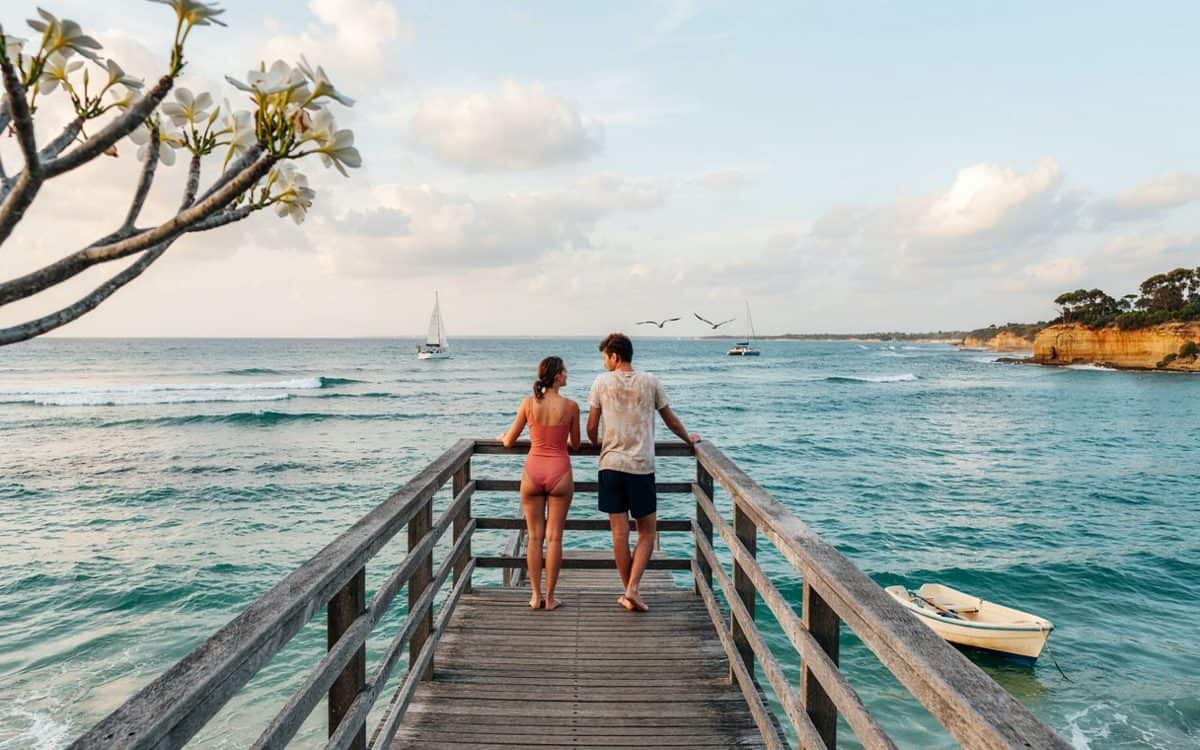
Image generated with Ai
Australia’s holiday tourism landscape in 2026 is undergoing a massive structural shift away from traditional, overcrowded hubs toward high-experience, nature-rich, and food-centric regional destinations. Driven by expanding direct international flight routes, a multi-billion dollar adventure tourism expansion, and a surge in demand for cool-climate escapes, cities like Perth, Hobart, Cairns, Brisbane, and regional hubs like Orange are recording record-breaking visitor growth. Travelers are prioritizing immersive local culture, sustainable luxury, and accessible outdoor adventures over generic city breaks. A massive structural seismic shift is shaking up the travel world right now. Millions of thrill-seekers are completely changing their itineraries. They are ditching crowded concrete jungles for wild, untouched landscapes.
Australian Holiday Destinations Are Seeing Strong Growth
| City / Destination | State / Territory | Key Drivers of Growth | Visitor Profile & Primary Attractions |
| Perth | Western Australia | Outpacing major eastern capitals with strong double-digit international visitor growth, backed by non-stop flight launches from Asia and Europe. | Profile: Nature-seekers, luxury, and food/wine travelers. Highlights: Rottnest Island (quokkas), Swan Valley wineries, Ningaloo Reef connectivity, and urban beaches. |
| Cairns | Queensland | High resurgence in international eco-conscious travel, regenerative tourism, and expanded direct direct flights from Asia. | Profile: Adventure, eco-tourists, and families. Highlights: Southern & Northern Great Barrier Reef, Daintree Rainforest, and Indigenous sea tours. |
| Hobart | Tasmania | Surging demand for “cool-climate” wellness escapes, boutique food-driven travel, and slow-paced itineraries. | Profile: Culinary enthusiasts, wellness, and art/culture travelers. Highlights: MONA, Bruny Island, farm-to-table food hubs, and wilderness trekking gateways. |
| Brisbane | Queensland | Accelerated infrastructure development and international profile ahead of the 2032 Olympics, alongside strong domestic travel demand. | Profile: Urban lifestyle, sports, and multi-gen holidaymakers. Highlights: Queen’s Wharf precinct, South Bank, cultural precincts, and proximity to Moreton Island. |
| Darwin | Northern Territory | Surging demand for authentic First Nations experiences, expedition cruising launches, and astro-tourism escapes. | Profile: Expedition cruise passengers, cultural travelers, and outdoor adventurers. Highlights: Kakadu National Park access, Mindil Beach markets, and Indigenous heritage experiences. |
| Orange | New South Wales | Leading Australia’s regional agritourism surge for domestic weekend getaways and culinary travel. | Profile: Food & wine tourists, couples, and road-trippers. Highlights: Cold-climate wineries, truffle foraging, and farm-to-table dining scenes. |
| Gold Coast | Queensland | Major post-pandemic infrastructure upgrades, luxury resort developments, and booming event-driven travel. | Profile: Leisure seekers, event attendees, and families. Highlights: Theme parks, coastal dining, Hinterland wellness retreats, and surf beaches. |
Why Is Perth Outpacing Australia’s Eastern Capitals in Visitor Growth?
Perth has officially shed its label as the world’s most isolated capital city, transforming into Australia’s primary western gateway. The driving force behind Western Australia’s travel boom is a aggressive strategy to secure non-stop direct flights connecting Perth to key markets across Europe and Asia. By shortening long-haul transit times, direct long-distance flights have opened the floodgates for international visitors who previously bypassed the west coast due to lengthy layovers on the eastern seaboard.
Advertisement
Advertisement
Beyond aviation strategy, Perth’s urban evolution is holding travelers’ attention far longer. Modern urban developments, high-end waterfront precinct investments, and a thriving small-bar movement have elevated the city’s cosmopolitan appeal. Visitors use the city as a base to experience iconic short trips, taking a ferry to see quokkas on Rottnest Island or driving south to the world-renowned Margaret River wine region. Combining high-end urban comfort with pristine, untouched nature, Perth is setting a high bar for post-pandemic growth rates.
What Is Driving the Massive Resurgence in Cairns and Tropical North Queensland?
Cairns is experiencing an incredible double-digit rebound in international and domestic holiday arrivals, anchored by a structural pivot toward high-value, eco-conscious travel. Rather than competing purely on visitor volume, local tourism operators have heavily invested in regenerative tourism. Travelers today aren’t just visiting Tropical North Queensland; they are actively participating in coral restoration projects and eco-guided educational tours, turning holidays into meaningful conservation experiences.
Advertisement
Advertisement
The city’s strategic location as the dual gateway to two UNESCO World Heritage sites—the Great Barrier Reef and the ancient Daintree Rainforest—remains unmatched. Furthermore, new partnerships with First Nations operators allow visitors to experience traditional sea-country tours led by Indigenous guides. Backed by upgraded aviation infrastructure and expanded direct international links from East Asia, Cairns has solidified its status as an absolute powerhouse for international adventure and eco-tourism.
Advertisement
Advertisement
How Did Hobart Become the Ultimate Cool-Climate Escape?
As global summer temperatures rise, holidaymakers are deliberately seeking out “cool-climate” destinations, and Hobart sits right at the top of that list. Tasmania’s compact, atmospheric capital has leveraged its unique geography and historic charm into a world-class tourism offering centered on arts, luxury, and culinary excellence. The city provides a stark contrast to high-density resort strip holidays, focusing instead on boutique, low-impact, slow-paced experiences.
Hobart’s status as a culinary destination is a primary economic driver. World-famous institutions like the Museum of Old and New Art (MONA) continue to draw art enthusiasts globally, while regional farm-to-table food trails in the surrounding Derwent and Huon Valleys attract dedicated foodies. With a booming boutique hotel sector and rising demand for winter wellness retreats, Hobart has successfully flattened the traditional travel seasonality, keeping hotel occupancy rates high year-round.
Why Is Brisbane Capitalizing on the Golden Decade Trail?
Brisbane is no longer just a stopover on the way to the Gold Coast; it is rapidly becoming a global destination in its own right. With the countdown to the 2032 Olympic and Paralympic Games well underway, massive infrastructure investments are actively reshaping the city’s skyline and urban landscape. The opening of major mega-resort developments, including the transformative Queen’s Wharf precinct, has added thousands of premium hotel rooms, luxury dining venues, and entertainment options.
This physical transformation is mirrored by a surge in sports tourism and cultural events. Brisbane’s sub-tropical lifestyle, walkable riverfront precincts, and warm climate year-round make it an ideal year-round destination for families and multi-generational groups. Additionally, the city serves as a launchpad for eco-adventures at nearby Moreton Island, offering travelers the rare combination of high-energy city life and pristine marine wildlife sanctuaries right on its doorstep.
Can Regional Food Capitals Like Orange Compete with Coastal Hotspots?
The traditional dominance of coastal beaches is facing real competition from interior regional food bowls, with Orange in New South Wales leading the charge. Located in the Central Tablelands, Orange has mastered the art of high-end agritourism, benefiting from volcanic soils that produce some of Australia’s finest cool-climate wines and fresh produce. The town has become the premier weekend destination for domestic travelers seeking authentic farm-to-table dining, truffle foraging, and boutique vineyard stays.
Advertisement
Advertisement
This explosive growth in inland regional holiday travel reflects a broader lifestyle trend: urban burn-out is driving tourists toward restorative, rural escapes. Local councils and operators in Orange have capitalized on this by establishing major annual food and wine festivals, building luxury glamping spots, and supporting local artisan makers. The result is a thriving, resilient regional economy that proves a holiday destination doesn’t need coastline to record massive growth.
What Role Does Adventure Tourism Play in Darwin’s Upward Trajectory?
Darwin is carving out a distinct, highly profitable niche by positioning itself as Australia’s capital of rugged adventure, cultural immersion, and astro-tourism. As travelers move away from passive sightseeing toward bucket-list adventure activities, the Top End’s tropical capital provides an ideal base for exploring Kakadu National Park, Litchfield, and the remote Kimberleys. The city’s strategic investments in maritime infrastructure have also sparked a major boom in expedition cruise departures.
Culture plays an equally decisive role in Darwin’s travel numbers. Tourists are increasingly seeking out authentic First Nations experiences, from traditional night-sky storytelling under the clear outback skies to Aboriginal-owned wilderness lodges and traditional art festivals. Coupled with famous cultural gathering spots like the Mindil Beach Sunset Markets, Darwin delivers a unique sensory experience that sets it completely apart from any other capital in the country.
How Are Infrastructure Upgrades Fueling the Gold Coast’s Luxury Rebrand?
The Gold Coast is successfully transitioning from its historical reputation as a budget beach town into a high-end, luxury coastal resort hub. Driven by private capital and local government investments, the region has seen a wave of new luxury multi-star hotels, fine-dining precincts, and world-class health and wellness spas. This makeover has attracted high-spending domestic travelers and returning international tourists looking for premium coastal holidays.
While the famous theme parks and surf breaks remain steady draws for families, the region’s growth is increasingly powered by event-driven travel and hinterland wellness retreats. Visitors are splitting their time between the iconic coastline and the lush, cool rainforests of the Gold Coast Hinterland. By diversifying its offerings beyond basic sun-and-surf travel, the Gold Coast has secured its place as one of the fastest-growing domestic and international holiday markets in the nation.
Advertisement
Advertisement
Traditional metropolitan hubs are suffering from extreme crowding. Meanwhile, global tourists are rapidly shifting toward high-intensity nature, wellness, and cool-climate travel. Travelers are actively choosing Perth, Hobart, Cairns, and regional gems like Orange over classic capital cities for their primary holiday destinations. Unprecedented direct long-haul flight additions have made remote regions accessible. Furthermore, massive investments in eco-tourism, authentic First Nations guided tours, and regional agritourism provide unique experiences that urban centers simply cannot match. Australia’s vibrant outdoor playground has officially become the main event for modern global holidaymakers.
Australia’s tourism economy is witnessing a strong rebound from Southeast Asia, propelled by double-digit holiday arrival growth and record-breaking international seat capacity.
Speaking at the Australia Marketplace Southeast Asia event in Malaysia, Tourism Australia Managing Director Robin Mack revealed that holiday arrivals from Malaysia surged 17% year-to-date through May 2026. This growth is mirrored across neighboring markets, with Singapore and Indonesia also recording steady increases in visitor numbers.
Overall, the Southeast Asian market generated 1.1 million visitors for the year ending March 2026, contributing approximately $3.5 billion to Australia’s visitor economy.
Aviation Capacity and Regional Dispersal Drive Growth
Mack emphasized that aviation connectivity remains the backbone of Australia’s strategy as an island nation. “We’ve actually got more seats coming into Australia from everywhere in the world than we have ever had before,” Mack said, noting that regional seat capacity has surpassed 2019 pre-pandemic levels.
Advertisement
Advertisement
A primary example of this expanding network is direct service from Malaysia Airlines to Brisbane, operating five days a week with plans to scale to daily flights ahead of the 2032 Brisbane Olympic Games.
To maximize economic impact, Tourism Australia is focusing on “high-yielding travelers”—visitors who stay longer, travel beyond major capital cities, and spend more within local communities. Key strategic pillars targeting this demographic include:
- Immersive & Cultural Tourism: Expanding First Nations heritage tours and authentic regional experiences.
- Cool-Climate Campaigns: Marketing seasonal winter getaways to appeal to travelers from tropical climates.
- Streamlined Entry Process: Transitioning from paper landing cards to a fully digitized entry system to improve transit efficiency.
- Sustainable Travel Initiatives: Rolling out the “Green is Our Gold” pledge, encouraging local operators to uphold rigorous eco-friendly standards.
With a repeat visitation rate from the region exceeding 70%, tourism officials are confident that expanding aviation routes, multi-generational offerings, and eco-conscious travel options will sustain strong growth under the country’s long-term Tourism 2035 framework.
Advertisement
