
Nagoya Proves That Skipping Massive Crowd Congestion Creates The Ultimate Relaxing Urban Travel Escape Across Japan

Published
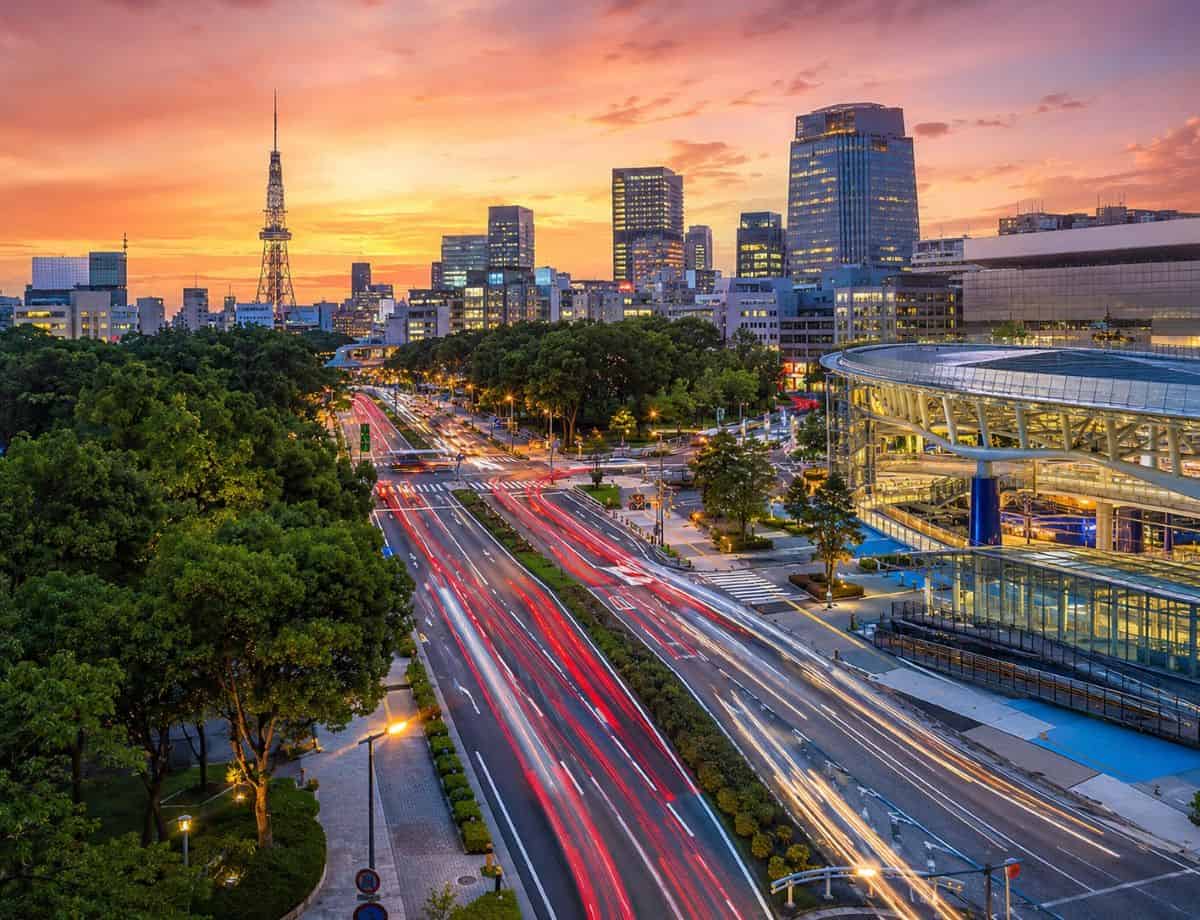
Image generated with Ai
Leaving a bullet train to feel air on your lungs for the first time in a while is incredibly relaxing. Once you get used to the speed and narrow conditions of Japan bullet trains, getting off in Nagoya makes you feel like you know a secret. There’s an utter fatigue to spending a vacation climbing the Japanese mountains and their extreme stimulation, and Nagoya has the calm side of Japan’s culture. The city has everything that other Japan cities have, but it’s not as loud, such as artificially scented alleys with restaurants that serve miso that reminds you of royalty when you get a palace tour in the morning. Nagoya shows off Japan’s culture in a much more civil way, which makes you fall in love with traveling again. Nagoya’s combination of history and modern travel stops and food are the perfect thing to slow you down and help you relax.
Discover Why Nagoya Stands Out as Japan’s Most Underrated Destination in 2026
Discover why Nagoya stands out as Japan’s most underrated destination in 2026 by exploring its vibrant cultural heritage and modern transit solutions! Vacationers often seek authentic encounters away from bustling crowds. Consequently, central Japan offers remarkable opportunities for international exploration without intense urban strain. Furthermore, regional travel planners emphasize alternative routes to maintain sustainable travel patterns. Active travelers experience rich historical traditions, magnificent architecture, and incredible local dishes. Therefore, visiting this dynamic city provides an enriching journey for every global explorer!
This dynamic industrial center serves as a vital focal point for modern travelers looking to escape overcrowded travel corridors across East Asia. By choosing this destination, international visitors discover a distinct urban character shaped by historical resilience, engineering achievements, and deep cultural pride. Moreover, global tourism analysts highlight how secondary municipal hubs actively transform the broader hospitality sector by spreading economic benefits across lesser-known regions.
Advertisement
Advertisement
Signature Culinary Traditions and the Global Impact of Regional Nagoya-Meshi Gastronomy
The distinct culinary legacy known globally as Nagoya-Meshi continues to draw passionate food enthusiasts to central Japan. A cornerstone of this unique food scene is Miso Katsu, a deep-fried pork cutlet generously covered in a rich sauce made from locally produced hatcho miso. This flavorful creation offers a deep, savory experience that sets regional cooking apart from standard meals found throughout Asia. Furthermore, local chefs take immense pride in preserving these historic preparation techniques for modern audiences.
Advertisement
Advertisement
Another exceptional highlight is Hitsumabushi, an exquisite dish featuring expertly grilled eel served over fragrant rice. Guests enjoy this meal following a precise four-step tradition: trying the eel plain, incorporating fresh seasonings, pouring warm tea or broth over the dish, and concluding with their preferred style. As global gastronomy trends grow in 2026, these authentic food traditions offer travelers unforgettable, immersive culinary journeys.
Unveiling the Key Attractions Across Central Districts and Modern Entertainment Hubs
At the historical heart of the city stands Nagoya Castle, where guests appreciate traditional craftsmanship and architectural mastery from bygone eras. Nearby, the beautifully restored Honmaru Palace presents extraordinary wooden designs, detailed artwork, and shimmering golden screens that fascinate history lovers. These well-preserved sites demonstrate how traditional cultural heritage continues to thrive inside a vibrant, modern metropolis.
Beyond historical monuments, the Toyota Commemorative Museum of Industry and Technology showcases the region’s industrial transformation from textile machinery to modern automotive engineering. In addition, the central Sakae district features Oasis 21, a futuristic facility with elevated glass walkways and panoramic skyline views. A short distance away, Ghibli Park transports animation fans through five immersive themed areas based on world-famous films.
Crucial Travel Logistics, Updated Ticket Pricing, and Infrastructure Changes for 2026
Getting around the urban transit network remains smooth, simple, and affordable for international tourists. Visitors can purchase a Subway 24-Hour Ticket for ¥760, or choose a combined Bus & Subway 1-Day Ticket priced at ¥870. Additionally, the convenient Meguru Sightseeing Bus Loop offers a daily pass for ¥500/day, connecting major points of interest like Nagoya Castle, the Toyota Commemorative Museum of Industry and Technology, and Sakae.
Advertisement
Advertisement
Important venue updates shape tourist experiences throughout 2026. The main concrete tower at Nagoya Castle remains temporarily closed for seismic safety upgrades and an ambitious wooden restoration project utilizing traditional Japanese cypress, known locally as hinoki. Meanwhile, entry to Ghibli Park now operates under a stable two-month advance booking system, where travelers frequently secure the Ghibli Park O-Sanpo Day Pass, though premium indoor venue access continues to sell out very quickly.
Why Global Tourism Trends Point Toward Nagoya as the Ultimate Alternative Destination
Global travel patterns in 2026 show a significant shift toward secondary cities as international vacationers actively seek alternatives to congested destinations like Tokyo and Kyoto. By featuring modern transportation systems, deep historical traditions, and memorable local cuisine, Nagoya represents a sustainable model for the future of urban tourism. Consequently, global travel strategists continue incorporating central Japan into broader regional travel plans to ensure balanced, long-term economic growth.
By redirecting traveler traffic toward lesser-known metropolitan areas, the international travel sector builds resilience against overtourism while preserving sensitive cultural landmarks. Tourists gain richer, more authentic experiences, while host communities enjoy sustainable economic expansion without overstretching local infrastructure. Ultimately, this balanced approach establishes a healthier, more sustainable framework for global tourism across East Asia.
Economic Decoupling: How Nagoya’s Shift to High-Yield Tourism Drives Regional GDP Growth
The national tourism landscape across Japan has experienced unprecedented monetary expansion, with overall inbound traveler spending rising past a historic threshold of JPY 9.46 trillion (~$60 billion). Within this massive macroeconomic movement, lodging costs comprise approximately 36.6% (JPY 3.5 trillion) of total expenditure, while food and beverage services draw over JPY 2.1 trillion. Rather than allowing these capital flows to remain concentrated exclusively along traditional Golden Route metropolitan centers, municipal leaders in Aichi Prefecture are actively capturing high-value international travelers who allocate over JPY 1 million per trip, excluding international airfare.
Advertisement
Advertisement
This deliberate strategic realignment directs direct foreign capital straight into the Tokai industrial belt, securing a rapidly expanding share of Japan’s JPY 34.3 trillion total domestic and inbound travel consumption. By pivoting toward affluent, culturally engaged global visitors, regional economic planners successfully cultivate high-yield tourism that boosts regional gross domestic product. Consequently, this shift transforms central urban districts into vibrant revenue drivers while establishing a highly resilient model for sustained regional prosperity.
Sustainable Urban Capacity: Analyzing Transit Efficiency and Congestion Metrics in Central Japan
Navigating major metropolitan corridors often presents severe logistical challenges; however, the public transportation infrastructure in Nagoya offers an exceptionally smooth, high-capacity model. The municipal subway system relies on the purple Meijo Line, recognized as the only circular subway loop across Japan, alongside the heavily utilized yellow Higashiyama Line. Together, these major lines efficiently disperse large visitor volumes while citywide hotel occupancy rates maintain a stable average near 74.1%.
Furthermore, urban transit efficiency is enhanced by the flat-rate ¥500/day Meguru Sightseeing Bus Loop, which operates on steady 30-to-40-minute service intervals. This dedicated circuit routes visitors effortlessly along grand urban thoroughfares, including 100-meter-wide avenues like Hisaya-odori. As a result, street-level foot traffic density within the central business district remains under 35% of the peak historical congestion observed in heavily crowded destinations like Kyoto, offering international travelers a refreshingly uncrowded urban environment.
Strategic Gateway Dynamics: Chubu Centrair International Airport as a Low-Congestion Travel Hub
Situated approximately 35 kilometers south of the city center, Chubu Centrair International Airport (NGO) serves as a vital low-congestion gateway connecting key global origin markets to central Japan. The facility consistently delivers superior operational performance, maintaining average customs and entry processing times under 25 minutes. This efficiency stands in stark contrast to peak arrival wait times at Tokyo Haneda or Tokyo Narita, which frequently exceed 60 to 90 minutes during busy travel periods.
Advertisement
Advertisement
Surface transport integration ensures swift transit directly into the city center. Passengers board the direct Meitetsu Limited Express train to arrive at Nagoya Station in just 28 minutes for ¥1,430, while cost-conscious travelers can utilize standard local services for ¥890. By diverting 15% to 20% of long-haul international arrivals through Centrair, regional aviation planners relieve mounting pressure on overextended gateways in Tokyo and Osaka while reducing onward travel times by up to 2.5 hours.
Hospitality Market Expansion: Premium Hotel Inventory, RevPAR, and ADR Projections for 2026
The nation’s luxury and premium accommodation sector continues a robust upward trajectory, heading toward an estimated market valuation of USD $10.20 billion by 2034. Within central urban markets, hotel occupancy levels hold firm at 74.1%, reflecting steady demand driven by both business travelers and international sightseers. These healthy metrics highlight the underlying strength of the regional hospitality economy amid broader structural shifts in global tourism.
For high-end accommodations in central downtown districts, Average Daily Rates (ADR) typically range between USD $180 and $350 per night. This pricing structure gives the local hotel market a distinct 25% to 40% cost advantage over comparable luxury properties in Tokyo, where average nightly rates regularly surpass $550 to $800. Additionally, the region’s hybrid business-luxury lodging sector commands a commanding 42.0% share of regional hotel capacity, perfectly serving corporate executives and leisure visitors alike.
Micro-Itinerary Geography: Evaluating Travel Time Reductions Across the Chubu-Tokai Corridor
Positioned directly along the high-speed Tokaido Shinkansen line, Nagoya Station serves as an indispensable transport junction for domestic and international transit. Utilizing high-speed Nozomi bullet trains, travelers reach Kyoto in merely 52 minutes, Shin-Osaka in 35 minutes, and Tokyo in just 90 minutes. This central geographic positioning allows vacationers to construct highly efficient, flexible travel routes across the regional landscape.
Advertisement
Advertisement
Beyond core high-speed rail links, regional transit lines provide rapid access to notable cultural and natural attractions. Journey times include 48 minutes to historic Inuyama Castle, 50 minutes to Ghibli Park via the zero-emission Linimo maglev line from Fujigaoka Station for ¥360, and 85 minutes to Takayama aboard the express JR Hida Wide View. Establishing a central base here saves visitors between 4 and 6 hours of cumulative weekly travel time compared to back-tracking from distant single-city hubs.
Preservation Economics: The High-Cost Engineering Behind the Cypress (Hinoki) Castle Reconstruction
A monumental commitment to cultural heritage preservation is showcased at Nagoya Castle, where an ambitious municipal restoration project replaces the 1959 concrete main keep with a historically accurate wooden structure. Budgeted at over JPY 50 billion (~$330 million), the project utilizes premium, traditionally harvested Kiso Japanese cypress, known locally as hinoki. This monumental effort reflects advanced seismic engineering combined with time-honored architectural methods.
Completely rebuilt to historic perfection, the adjoining Honmaru Palace encompasses 3,100 square meters spread across 13 distinct structures. The interior houses over 1,020 carefully reconstructed golden screen artworks, crafted alongside authentic Edo-period joinery techniques executed entirely without modern metal fasteners or adhesives. Overall, cultural heritage initiatives across Aichi Prefecture generate an estimated JPY 120 billion annually in direct and indirect economic returns, demonstrating the immense value of historic conservation.
Environmental & Nighttime Economies: Noctourism and Eco-Tourism Expansion in Aichi Prefecture
The urban center actively expands its evening economic footprint through dynamic nighttime tourism activations centered around striking architectural landmarks. Prominent highlights include the illuminated Oasis 21 “Spaceship EMA” glass canopy, spanning an impressive 140 meters by 70 meters, alongside spectacular lighting displays on the historic MIRAI TOWER. These evening attractions successfully extend traveler engagement past 9:00 PM, driving a recorded 18% increase in late-night retail and dining expenditures.
Advertisement
Advertisement
Simultaneously, environmental sustainability initiatives reinforce the region’s progressive green tourism framework. The zero-emission Linimo (Aichi Rapid Transit Tobu Ky丘 Line)—East Asia’s pioneering commercial magnetic levitation transit line serving Ghibli Park—transports over 30,000 passengers daily without generating direct operational carbon emissions. Furthermore, ecological excursions across surrounding natural areas, such as Korankei Gorge and Mt. Gozaisho, attract over 1.2 million seasonal visitors annually, effectively dispersing visitor footprint into pristine natural landscapes.
The Final Verdict
There is something romantic about seeing a place like Nagoya. It reminds all of us travelers that we should love each opportunity we have to travel the planet. Nagoya will not lead you to places that draw thousands of visitors to take selfies, but Nagoya can give you comfort and calmness at the serene, quiet moments of your journey. Think of the cool nights of Nagoya or standing in awe at the restored palaces. Going to noisy and crowded places has its time. Nagoya can give you warmth and closeness that other loud places cannot. You will learn to love Nagoya after you leave. Traveling Nagoya gives joy and peace that you can feel even after the trip is over. The souvenirs that you will bring with you from the trip will be more than just mementos of your Nagoya trip. You will bring Nagoya’s soul with you.
Advertisement
