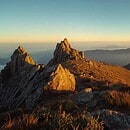

Image generated with Ai
Visitors interested in South Africa’s Kgalagadi Transfrontier Park in late August 2026 should expect to find shops closed at the Nossob, Mata Mata, and Twee Rivieren rest camps.
The South African National Parks will close the shops for their annual stock counts.
Though they will only take a few hours, the closures will impact tourist visitors who rely on goods sold at the rest camp stores.
Nossob’s shop will be the first closed on 24 August, Mata Mata’s shop will follow on 27 August and Twee Rivieren’s shop will be closed last on 31 August.
Advertisement
Advertisement
Any changes or cancellations to planned Kgalagadi trips should not be necessary since SANParks has asked that visitors consider the shop closures when they plan their purchases, especially due to the long distances in the Kgalagadi and limited shopping options.
The first temporary closure will take place at Nossob Rest Camp on Monday, 24 August.
The shop will operate from 07:00 to 09:00 before closing for stocktaking.
It will remain unavailable between 09:00 and 15:00.
The store will then reopen at 15:00 and continue operating until 18:45.
This provides visitors with two opportunities to purchase supplies on the day.
Guests planning long game drives from Nossob should therefore consider buying anything they need before leaving camp in the morning.
Alternatively, purchases can be made after the store reopens during the afternoon.
The next affected location will be Mata Mata Rest Camp on Thursday, 27 August.
Its schedule will follow the same basic pattern.
The shop will open between 07:00 and 09:00, close from 09:00 until 15:00, and then reopen between 15:00 and 18:45.
Mata Mata occupies an important position on the western side of Kgalagadi Transfrontier Park.
It is also associated with the border connection towards Namibia, making it particularly relevant for travellers combining the park with a wider Southern African self-drive itinerary.
Visitors staying at Mata Mata on the affected date should therefore plan their supplies before the six-hour closure begins.
Travellers should pay particular attention to the temporary closure at Twee Rivieren on Monday, 31 August.
The shop will remain closed from 05:00 until 15:00.
It will then open from 15:00 to 18:45.
This represents a longer closure period than those scheduled at Nossob and Mata Mata.
Twee Rivieren is particularly important because it serves as the principal gateway into Kgalagadi Transfrontier Park from the South African side.
Many visitors begin or end their Kgalagadi journey here.
Travellers arriving with plans to purchase supplies immediately after entering the park could therefore face inconvenience if they reach Twee Rivieren before the shop reopens.
Anyone entering on 31 August should consider purchasing essential items before travelling into the park.
A temporary shop closure in a city might cause little inconvenience.
Kgalagadi is different.
The park covers an enormous and remote landscape where commercial services are limited.
Visitors travel considerable distances between camps, often spending hours on wildlife drives through dry terrain.
This makes basic preparation an important part of the safari experience.
Travellers should make sure they have enough drinking water, food and other necessary supplies before setting out.
Self-catering visitors need to pay particular attention because they may depend more heavily on camp stores during longer stays.
The stocktake closures provide another reason to check supplies before travelling between camps.
The temporary retail arrangements do not affect the wider attraction of Kgalagadi Transfrontier Park.
Kgalagadi is one of Southern Africa’s most distinctive protected landscapes.
It combines the former Kalahari Gemsbok National Park in South Africa with Botswana’s Gemsbok National Park, creating a vast transfrontier conservation area.
Its landscape is dramatically different from many of Africa’s better-known safari destinations.
Red dunes, dry riverbeds and open desert environments dominate the scenery.
Wildlife has adapted to these demanding conditions.
Visitors travel to Kgalagadi for sightings of predators, antelope and other desert-adapted species, as well as the striking landscapes of the Kalahari.
The park is especially famous among wildlife photographers because open terrain can create exceptional viewing opportunities.
Nossob is one of the park’s most important rest camps.
Its location along the dry Nossob riverbed makes it a strategic base for wildlife viewing.
Visitors frequently use the camp for early-morning and late-afternoon game drives.
Because guests may stay in the area for several days, the camp shop provides a useful service for basic purchases.
The temporary six-hour closure on 24 August therefore deserves attention, particularly for visitors arriving at Nossob during the middle of the day.
Planning purchases either before 09:00 or after 15:00 should minimise disruption.
Mata Mata has another strategic role.
The camp lies close to the Namibian border and is associated with cross-border travel arrangements for qualifying visitors.
This makes it relevant to international self-drive itineraries that combine South Africa, Namibia and the Kalahari.
Travellers following these routes often carry substantial supplies because of the distances involved.
Even so, the Mata Mata store can provide a useful opportunity to purchase additional essentials.
Visitors travelling through on 27 August should therefore keep the temporary closure between 09:00 and 15:00 in mind.
Routine activities such as stocktaking may appear minor compared with wildlife conservation, but they form part of managing tourism in remote protected areas.
National parks need functioning accommodation, retail facilities, roads, gates and visitor services alongside their conservation responsibilities.
Good inventory control helps park shops understand what stock is available and what needs to be replenished.
This becomes particularly important in remote areas where deliveries are more complicated than in urban locations.
Efficient tourism operations can also support sustainable conservation.
Visitors generate revenue through accommodation, conservation fees and tourism services. That relationship makes well-managed visitor infrastructure an important component of the protected-area model.
Safari operators and travel agents with clients visiting Kgalagadi during the affected dates should include the closures in pre-departure information.
This is especially important for self-drive travellers.
Guests should know when shops will be unavailable and should carry sufficient supplies for the relevant part of their journey.
The issue is not serious enough to require major itinerary changes.
Instead, small adjustments should be sufficient.
Buying supplies earlier, carrying extra drinking water and checking stock before leaving a camp can prevent inconvenience.
The closure of August shops along the Kgalagadi Transfrontier Park is a temporary measure and does not interrupt tourism along the park.
As of the 24th, the Nossob shop will be closed from 9 am to 3 pm.
Mata Mata will also be closed from 9 am to 3 pm as of the 27th.
The closure of Twee Rivieren will be the most disruptive as of the 31st from 5 am to 3 pm.
The other stores will open as usual after the stock take.
Visitors only need to prepare accordingly since the closures are only during stock take.
Kgalagadi’s remote nature is appealing, but also means visitors cannot rely on shops during service closures.
A little more preparation is needed during the closures to minimize its effect on the larger experience of a Kalahari safari.
Advertisement
Advertisement
Advertisement













Friday, September 4, 2026

Friday, September 4, 2026
Friday, September 4, 2026

Thursday, September 3, 2026

Wednesday, September 2, 2026

Friday, September 4, 2026

Friday, September 4, 2026