
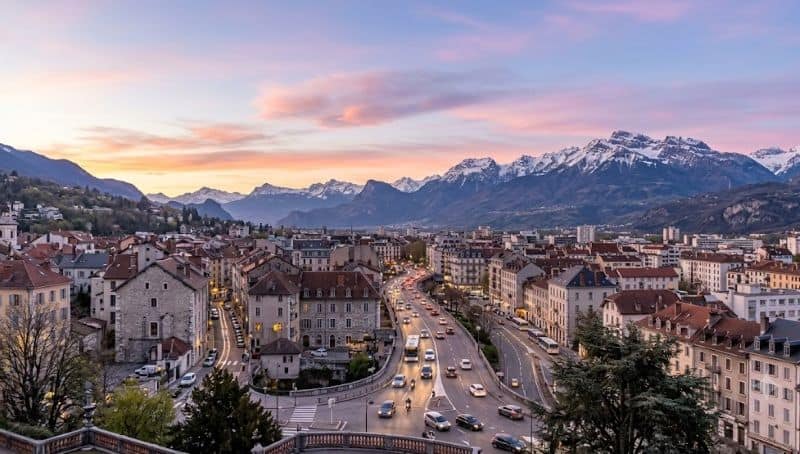
Image generated with Ai
It has been widely observed that Tourism Pressure when popular destinations start running out of capacity has emerged as a defining structural concern within the global travel ecosystem. It has been reported that numerous internationally recognised destinations are now approaching a critical threshold where visitor inflows are increasingly exceeding the operational limits of infrastructure, environmental systems, and community resources. This condition has been described as a clear manifestation of overtourism, where demand consistently surpasses supply across transport networks, accommodation systems, public utilities, and environmental support structures. It has been emphasised that this is no longer interpreted as temporary congestion but as a long-term structural imbalance that is actively reshaping global travel behaviour and destination sustainability.
It has further been explained that tourism growth, once celebrated primarily as a symbol of economic prosperity and global connectivity, is now being reassessed as a complex operational challenge that places significant strain on destinations. It has been stated that several regions are gradually running out of functional capacity, particularly in transport systems, accommodation pipelines, water distribution networks, and public space accessibility. This shift has been identified as a fundamental transformation in how destinations are designed, governed, and experienced in the modern travel era.
It has also been highlighted that the underlying issue does not stem from tourism itself but from its uneven distribution across global destinations. It has been observed that a limited number of highly popular locations continue to absorb a disproportionately large share of global travellers. This imbalance has been described as a long-term stress factor that reduces destination resilience, disrupts community stability, and ultimately diminishes overall travel experience quality.
Global Tourism Capacity Under Severe Strain Across Major Destinations
Advertisement
It has been reported that destinations across continents are experiencing intensifying pressure as tourism demand continues to grow at a pace far exceeding infrastructure expansion. It has been observed that major cities, cultural centres, and heritage sites are particularly affected, where transport systems frequently become congested, public spaces become overcrowded, and essential services struggle to meet escalating visitor needs. This situation has been described as a widening structural gap between tourism growth and urban capacity, which is becoming increasingly difficult to stabilise.
It has further been stated that accommodation systems in many popular destinations are operating at or beyond full capacity during peak travel seasons. Authorities have reportedly indicated that essential infrastructure, including water supply systems, waste management networks, and public transport services, is under continuous operational strain. It has been highlighted that in several regions, the carrying capacity has already been exceeded, raising serious concerns about long-term operational sustainability and systemic resilience.
It has also been explained that environmental pressure is becoming increasingly visible in high-density tourism corridors. It has been observed that natural ecosystems are being affected by accelerated resource consumption patterns, while surrounding environments show visible signs of degradation. It has been emphasised that without immediate corrective frameworks, the imbalance between visitor demand and environmental protection will continue to widen, placing the long-term viability of global tourism systems at risk.
Impact on Communities, Environment, and Visitor Experience Quality
Advertisement
Advertisement
It has been reported that local communities in heavily visited destinations are experiencing mounting pressure on everyday life due to increasing tourist inflows. It has been stated that residential zones are becoming progressively crowded as tourism activity expands into urban living spaces. Housing availability has been affected across multiple regions, while essential public services such as water supply, transport systems, and healthcare infrastructure are experiencing intensified demand. It has also been noted that increasing interaction between residents and visitors is contributing to growing social friction in several destinations.
It has further been observed that environmental degradation is accelerating in areas with concentrated tourism activity. It has been stated that waste accumulation, rising pollution levels, and depletion of natural resources are becoming more pronounced in high-footfall tourism zones. It has been highlighted that ecosystems surrounding major attractions are particularly vulnerable where visitor movement is either poorly regulated or exceeds sustainable thresholds.
It has also been reported that visitor experience quality is steadily declining as overcrowding becomes increasingly frequent. Travellers are being subjected to longer waiting times, reduced accessibility to major attractions, and lower overall satisfaction levels. It has been emphasised that a paradox is emerging where destinations begin to lose their attractiveness precisely because they become excessively popular, thereby creating diminishing returns in tourism value and experiential quality.
Imbalance in Global Tourism Distribution and Structural Pressure Points
It has been explained that the core issue driving tourism pressure is not merely excessive visitation but rather the uneven distribution of global travel flows. It has been observed that a relatively small number of destinations continue to dominate international tourism patterns, while many other regions remain significantly underutilised. This concentration effect has been identified as a primary structural driver of imbalance within the global tourism system.
It has further been stated that this uneven distribution intensifies seasonal overcrowding in specific hotspots. Transport systems, hospitality infrastructure, and public facilities in these destinations are frequently pushed beyond operational thresholds. It has been highlighted that sustained pressure of this nature weakens long-term destination resilience while simultaneously increasing maintenance and operational costs, thereby reducing overall service quality and efficiency.
It has also been noted that this structural imbalance significantly contributes to broader sustainability challenges within the tourism sector. It has been observed that without effective redistribution mechanisms, destinations will continue to experience cyclical overcrowding, environmental stress, and infrastructure overload, all of which collectively threaten long-term viability and stability of the global tourism ecosystem.
Travel Industry Implications and Long-Term Global Effects on Tourism Systems
It has been observed that the global travel industry is undergoing a significant transformation as overtourism emerges as a defining structural challenge. It has been stated that destination management authorities are increasingly required to reassess visitor thresholds, introduce regulatory frameworks, and redesign tourism flow mechanisms to ensure long-term sustainability. It has further been noted that traditional growth-driven tourism models are gradually being replaced by controlled, capacity-based planning approaches.
It has also been highlighted that traveller behaviour is expected to evolve in response to rising congestion and declining destination quality. It has been observed that tourists are becoming more aware of sustainability issues and are increasingly seeking destinations that offer balance, accessibility, and reduced overcrowding. It has been stated that destinations failing to manage capacity effectively may experience long-term reputational decline and reduced competitiveness within the global tourism market.
It has further been indicated that the future of global tourism will depend heavily on redistribution strategies, infrastructure modernisation, and sustainable destination planning. Without such interventions, it has been suggested that the gap between demand and capacity will continue to widen, resulting in significant structural changes in how international travel is organised, experienced, and consumed across global markets.
Popularity as an Increasing Risk Factor in Global Tourism Systems
It has ultimately been concluded that global tourism has reached a stage where popularity itself is becoming a risk factor for destinations. It has been stated that locations attracting uncontrolled visitor volumes without corresponding infrastructure expansion are likely to face long-term degradation in environmental integrity, community stability, and visitor satisfaction. It has been emphasised that sustainable tourism management will depend on achieving a precise balance between demand, infrastructure capacity, environmental preservation, and social resilience. It has further been concluded that destinations failing to maintain this equilibrium may gradually lose their competitive position within the global travel landscape, as overtourism continues to redefine the structural foundations of international tourism.
Advertisement
Tags: Tourism Trends, Travel News
Advertisement
Advertisement













Friday, September 4, 2026

Friday, September 4, 2026

Friday, September 4, 2026

Thursday, September 3, 2026

Wednesday, September 2, 2026

Friday, September 4, 2026

Friday, September 4, 2026