

Leipzig Moves Alongside Regensburg and More as Germany Plans Smart Forecasting to Ease Tourism Pressure in 2026

Published
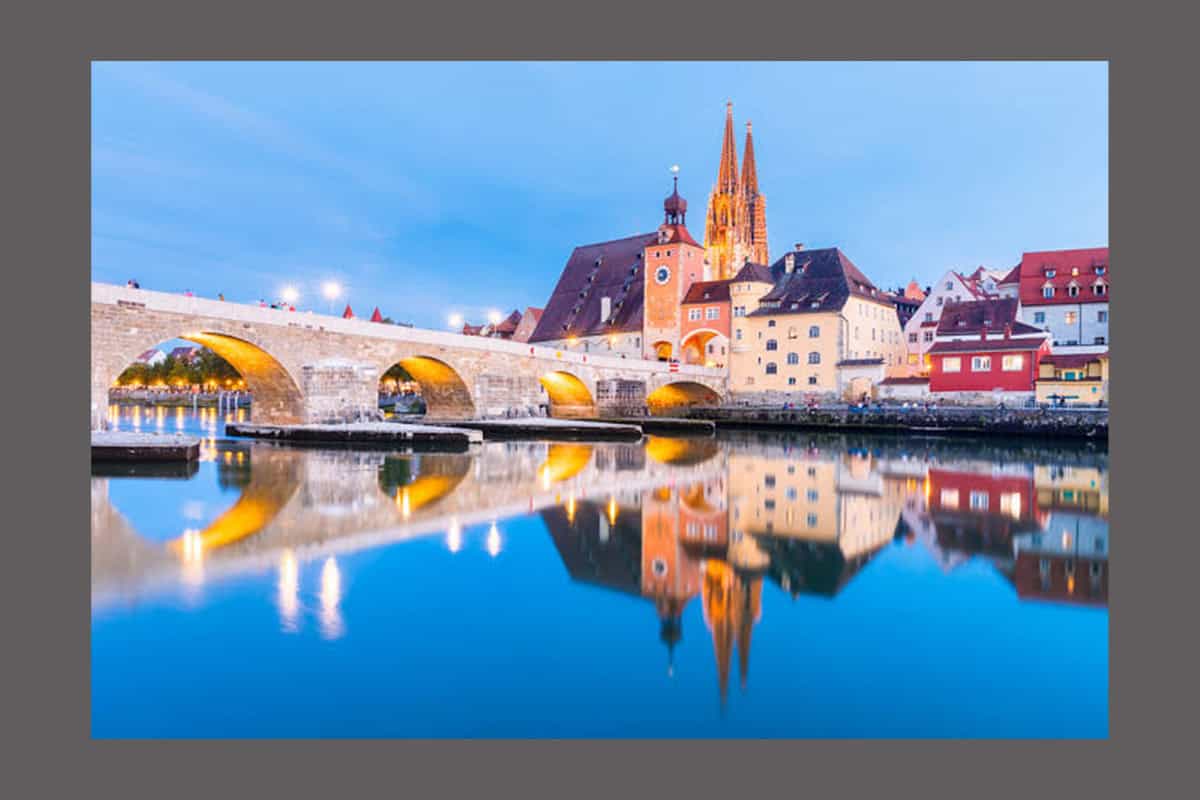
As international travel rebounds beyond pre-pandemic peaks, Germany is taking decisive action to protect its historic urban centres. By implementing smart forecasting to ease tourism pressure in 2026, cities like Leipzig and Regensburg are pioneering digital visitor management strategies. With the German National Tourist Board projecting significant growth and international travel expenditure hitting €78.5 billion, balancing economic benefits with sustainable urban living has never been more critical. Leveraging artificial intelligence, real-time data analytics, and integrated hospitality platforms, these iconic destinations are preventing overtourism. This proactive national approach ensures residents and tourists alike can continue to enjoy harmonious, culturally enriching experiences.
Background: The Impending German Tourism Boom
Germany’s tourism sector has entered a remarkable phase of accelerated recovery and unprecedented growth, solidifying its position as one of Europe’s premier travel destinations. As global travel appetite normalises following years of volatility, the German landscape is preparing for an influx of both domestic and international visitors. This resurgence is not merely a return to the status quo; it represents a structural shift in how destinations are consumed, presenting significant logistical challenges for popular urban centres. City trips rank among the top three interests of international travellers globally, placing immense pressure on historically sensitive areas.
Historic Highs and Economic Projections
The latest economic data paints a vivid picture of this impending boom. The World Travel & Tourism Council (WTTC) forecasts that by 2025 and moving into 2026, the travel and tourism sector will contribute a staggering €499 billion to the German economy, representing approximately 11.6 per cent of the national gross domestic product (GDP). International visitor spending is anticipated to reach a historic high of €57 billion, while domestic travellers are expected to inject €425 billion into their local economies. Furthermore, reports from earlier in the decade, validated by current trends, estimate that international tourists will contribute around €78.5 billion in overall travel expenditure to the German economy as part of the broader 2025–2026 horizon. For 2026 specifically, international overnight stays in Germany are expected to grow by 3.2 per cent compared to the previous year.
Analysing Destatis Data on Economic Recovery
This robust growth occurs against a backdrop of complex macroeconomic variables. According to the German Federal Statistical Office (Destatis), inflation rates and consumer price indices have fluctuated, with the inflation rate measured at +2.9% in August 2026, and expectations of +3.3% for September 2026. Concurrently, national employment figures remain incredibly strong, with roughly 45.41 million persons resident in Germany in employment as of August 2026. These strong employment figures mean that domestic disposable income remains high, further fuelling domestic tourism. With both domestic and international travel demand converging simultaneously, traditional infrastructure in highly sought-after cities is reaching its breaking point. Consequently, the reliance on reactive tourism management is no longer viable, making the adoption of sophisticated digital frameworks an absolute necessity for regional authorities.
Advertisement
Advertisement
The Core Mechanics of Smart Forecasting to Ease Tourism Pressure in 2026
To combat the very real threat of overtourism—a phenomenon where the impact of tourism exceeds the sustainability thresholds of a destination—Germany is rapidly pivoting towards predictive technologies. The implementation of smart forecasting to ease tourism pressure in 2026 is the cornerstone of this strategic evolution. Rather than waiting for public squares to become dangerously congested or local transit networks to fail under visitor weight, authorities are utilising advanced analytics to foresee and mitigate bottlenecks days or even weeks in advance.
Defining Predictive Visitor Management
Smart forecasting involves the aggressive aggregation of multi-source data to build real-time digital twins of city centres. By harvesting anonymised mobile network data, public transport ticketing information, hotel occupancy rates, weather forecasts, and even social media sentiment analysis, municipal algorithms can accurately predict when and where tourist density will peak. If a forecasting model determines that a specific plaza in Leipzig or a medieval bridge in Regensburg will exceed its carrying capacity on a given Saturday afternoon, the system triggers automated interventions. These interventions can include adjusting digital signage to redirect foot traffic, sending push notifications through official city apps suggesting alternative attractions, or dynamically altering public transport frequencies to disperse crowds more effectively.
Advertisement
Advertisement
Artificial Intelligence and Predictive Modelling in Hospitality
Artificial intelligence (AI) forms the analytical backbone of these smart forecasting ecosystems. AI algorithms process historical visitation patterns and cross-reference them with upcoming events, public holidays in neighbouring source markets, and real-time flight arrival data. The resulting predictive models are shared seamlessly via cloud-based dashboards with local stakeholders, including museum curators, restaurateurs, and hoteliers. This ensures that the entire hospitality value chain is adequately prepared for influxes. Ultimately, smart forecasting to ease tourism pressure in 2026 shifts the paradigm from crisis management to strategic, proactive visitor steering, ensuring that the economic dividends of tourism do not come at the expense of urban livability or structural integrity.
Monitoring Footfall and Directing Cultural Crowds
To protect its delicate historical sites and maintain a high quality of life for its residents, Leipzig has aggressively integrated IoT (Internet of Things) sensors across its city centre. These sensors, combined with anonymised Wi-Fi tracking algorithms, allow the municipal tourism board to monitor pedestrian flow in real-time. By applying smart forecasting to ease tourism pressure in 2026, Leipzig’s city planners can anticipate surges in footfall during major cultural festivals, trade fairs, or peak summer weekends. When the predictive models indicate that the city centre is approaching critical density, the system automatically interfaces with Leipzig’s digital infrastructure.
Digital Interventions and Smart Mobility in Leipzig
The practical application of this data is deeply integrated into Leipzig’s smart mobility framework. Digital information boards situated at primary transit hubs, such as the Leipzig Hauptbahnhof, dynamically update to highlight lesser-known attractions in the city’s outer districts, such as the Spinnerei art complex or the sprawling Leipziger Neuseenland (New Lakeland area). Furthermore, integrated city applications offer real-time incentives—such as discounted entry or free public transit routing—to tourists who choose to visit attractions during off-peak hours. This intelligent dispersal of visitors not only relieves pressure on the historical core but also stimulates economic activity in peripheral neighbourhoods, creating a more equitable distribution of tourism revenue across the municipality.
Managing River Cruise Passenger Flows
The influx of river cruise passengers often leads to severe, albeit temporary, overcrowding, fundamentally disrupting the daily routines of local residents and diminishing the quality of the visitor experience. To counter this, Regensburg has become a pioneer in utilising smart forecasting to ease tourism pressure in 2026. The city administration has developed a highly sophisticated docking and passenger dispersal management system. By requiring cruise operators to share detailed itinerary data, passenger demographics, and expected disembarkation times well in advance, Regensburg’s predictive models can accurately map out the expected strain on the city’s medieval infrastructure hour by hour.
Implementing Real-Time Flow Monitoring in Regensburg
Once the data is ingested, Regensburg utilises predictive analytics to stagger disembarkation schedules and orchestrate guided tour routes that actively avoid overlapping in highly congested zones. The city employs a network of discreet, privacy-compliant optical sensors situated at key pedestrian intersections to monitor actual crowd density against forecasted models. If a specific corridor, such as the area around the Old Town Hall, becomes too dense, guides are instantly alerted via a centralised app to reroute their groups toward alternative historical points of interest. This continuous, real-time feedback loop ensures that the fragile UNESCO-protected environment is preserved, whilst still allowing the local economy to reap the benefits of the lucrative cruise tourism sector.
Federal Government and GNTB Strategic Interventions
The successes observed in Leipzig and Regensburg are not isolated municipal experiments; they are actively supported and scaled by national frameworks. The German Federal Ministry for Economic Affairs and Climate Action (BMWK) has consistently recognised tourism as a critical cross-cutting economic driver. To secure the long-term viability of the sector, the federal government has directly embedded sustainability and digital innovation into its national tourism strategy.
Advertisement
Advertisement
The 2026 Tourism Campaign: Emphasising Secondary Cities
The German National Tourist Board (GNTB / DZT) has aligned its international marketing strategies with the imperative of smart visitor management. The 2026 city campaign, themed ‘Your Next Stop: Travel Destination Germany’, deliberately targets inbound tourism across major cities alongside smaller, historically significant towns. By promoting a wider array of destinations, the GNTB is actively attempting to dilute the concentration of tourists away from historically overburdened hubs like Berlin or Munich, redirecting them towards culturally rich but less congested cities like Leipzig, Regensburg, and Lübeck. This geographical dispersal is a fundamental pillar of smart forecasting to ease tourism pressure in 2026, as predictive models are used not just to manage crowds, but to influence travel itineraries before visitors even book their flights.
Funding Sustainable Tourism Initiatives Nationwide
To facilitate this technological transition, the Federal Ministry for Economic Affairs has actively provided funding for sustainable tourism projects. These grants enable regional tourism boards and municipal governments to invest in the requisite digital infrastructure, such as data aggregation platforms, IoT sensor networks, and AI-driven predictive software. The overarching goal is to create a unified, interoperable digital ecosystem across the DACH (Germany, Austria, Switzerland) region. By fostering a collaborative digital environment, Germany ensures that best practices developed in Regensburg can be seamlessly adopted by coastal towns in Schleswig-Holstein or alpine resorts in Bavaria, creating a resilient, nation-wide shield against overtourism.
The Intersection of Digital Infrastructure and Hospitality
The implementation of city-wide smart forecasting systems is only one half of the equation; the other half relies on the active participation and digital readiness of the private hospitality sector. As visitor numbers swell and operational complexities multiply, hotels, restaurants, and tour operators must integrate deeply with municipal data streams.
Advanced Property Management Systems (PMS)
The modern German hotelier is no longer operating in an isolated data silo. The influx of tourists expected in 2025 and 2026 has necessitated a rapid professionalisation of the sector. Hotels are increasingly reliant on cloud-based Property Management Systems (PMS) that integrate with municipal forecasting dashboards. When a city’s smart forecasting model predicts a massive surge in weekend visitors due to a convergence of cultural events, this data is piped directly into the hotel’s revenue management algorithms. This interconnectedness allows for dynamic pricing, highly optimised capacity management, and precise personnel planning. If a spontaneous increase in bookings occurs, modern systems report this early, preserving room for manoeuvre regarding supply management and resource redistribution.
Integrated Data Ecosystems in the DACH Region
The DACH region has proven highly adaptable in adopting these integrated data streams. Point-of-sale systems, accounting software, and personnel administration tools now communicate seamlessly. This digital connectivity acts as a direct response to the growing complexity of the hospitality market. By leveraging smart forecasting to ease tourism pressure in 2026, private enterprises can align their operational output with the macro-level visitor steering efforts of the municipality. For example, if the city is actively trying to push tourists to outer boroughs during a congested afternoon, local restaurants in those specific boroughs can receive automated alerts to increase their staffing levels, ensuring that the redirected tourists receive exceptional service.
Economic Implications of the New Tourism Strategy
The transition towards predictive, data-driven tourism management carries profound economic implications for the German state. Tourism is not a peripheral industry; it is a foundational pillar of the national economy. The WTTC’s projection of a €499 billion contribution by 2025/2026 underscores the immense financial stakes involved.
Advertisement
Advertisement
Domestic Spending vs. International Expenditure
A crucial aspect of this economic landscape is the balance between domestic and international spending. With domestic travellers projected to spend a record-breaking €425 billion, and international visitors contributing another €57 billion to €78.5 billion (depending on metric classifications), the sheer velocity of capital flowing through the sector is staggering. Smart forecasting systems ensure that this capital is captured efficiently and distributed equitably. By preventing severe congestion, municipalities ensure that tourists spend their time—and money—enjoying attractions, dining, and shopping, rather than standing in static queues or sitting in gridlocked transit systems.
Inflation, Pricing, and Revenue Management
Furthermore, smart forecasting provides a buffer against broader macroeconomic headwinds. With Destatis reporting ongoing inflationary pressures (such as the expected +3.3% inflation rate in September 2026), precise revenue management becomes critical for the survival of small and medium-sized enterprises (SMEs) in the tourism sector. By anticipating demand curves with high accuracy, hospitality businesses can adjust their pricing models dynamically to protect their profit margins against rising operational costs. This data-driven approach ensures that the German tourism industry remains highly competitive on the global stage, offering exceptional value to visitors while maintaining robust profitability for local operators.
Guidelines from International Bodies: UN Tourism and OECD
Germany’s innovative approach to visitor management is closely aligned with the latest strategic directives from major international organisations, including UN Tourism (formerly UNWTO) and the Organisation for Economic Co-operation and Development (OECD).
Embracing the Digital Agenda
UN Tourism has consistently highlighted the necessity of managing urban tourism growth beyond mere perceptions, advocating for the dispersal of visitors both spatially (within the city and beyond) and temporally (time-based dispersal). The integration of smart forecasting to ease tourism pressure in 2026 directly addresses these international mandates. By utilising AI and digital platforms, German cities are actively stimulating new visitor itineraries, enhancing visitor segmentation, and communicating proactively with local stakeholders. This digital agenda mirrors global trends where technology is viewed as the primary mechanism to redesign tourism for the better.
Fostering Urban Resilience and Carrying Capacity
The OECD, in its recent Tourism Trends and Policies reports, has also emphasised the importance of destination resilience and the critical need to respect the carrying capacity of local environments. Germany’s reliance on empirical data and predictive algorithms ensures that tourism development does not breach these environmental and social thresholds. By defining optimum scales for tourist flows and actively managing them—rather than attempting to blindly limit them—Germany is setting an international benchmark for sustainable urban governance in the modern era.
Public Impact and Enhancing Resident Quality of Life
At the heart of the overtourism debate is the profound impact massive tourist influxes have on local residents. When destinations become overwhelmed, the essential character of the city degrades; housing becomes unaffordable, local retail is replaced by souvenir shops, and public infrastructure collapses under the strain.
Advertisement
Advertisement
Combating “Undertourism” and Dispersing the Benefits
The implementation of smart forecasting is ultimately a social policy designed to protect the quality of life for German citizens. By efficiently managing crowds, cities like Leipzig and Regensburg ensure that their historic centres remain vibrant, liveable neighbourhoods rather than sterile tourist parks. Furthermore, the proactive routing of tourists to less-visited areas combats the phenomenon of “undertourism” in peripheral districts, ensuring that the economic benefits of the tourism boom are felt across a much wider cross-section of the local population. This creates a symbiotic relationship where residents view tourism as a beneficial economic engine rather than an intrusive nuisance.
Expert Statements and Official Policy Directions
The commitment to this digital transformation is echoed at the highest levels of German governance. The Federal Ministry for Economic Affairs and Climate Action continues to situate the tourism strategy directly within its purview, deliberately combining economic goals with rigorous sustainability claims. This policy alignment confirms that Germany is positioning itself not only as an immensely attractive travel destination but as a deeply responsible one.
Official representatives from the GNTB have reiterated that navigating the highly competitive short-haul international destination market requires curated travel experiences and flawless logistics. By providing decision-makers—from international tour operators to local travel platforms—with real-time data and actionable insights, the national strategy ensures that the entire supply chain is working in unison to manage the 2026 tourism surge effectively.
Future Outlook: A Blueprint for European Destinations
As 2026 approaches, the proactive measures taken by Germany serve as a vital blueprint for the rest of Europe. The challenges faced by Leipzig and Regensburg are not unique; cities across the continent, from Venice to Barcelona, are grappling with the existential threat of overtourism.
Scaling Smart Forecasting Beyond Germany
The success of smart forecasting to ease tourism pressure in 2026 demonstrates that the solution to overtourism does not necessarily lie in draconian bans or punitive taxation, but rather in intelligent, data-driven management. As AI continues to evolve and IoT infrastructure becomes cheaper and more ubiquitous, the fidelity of these predictive models will only increase. Moving forward, the seamless integration of municipal visitor management systems with private hospitality networks will become the gold standard for global tourism. Germany’s current initiatives ensure that its historic cities will not merely survive the impending travel boom, but will thrive, preserving their cultural legacy for generations of future travellers while securing a robust, sustainable economic future.
Advertisement
