
Spain Joins Italy, Portugal, Greece, Croatia, and More as New Border Controls, Tourism Reforms, and Record Visitor Surges Reshape Southern Europe Summer Travel

Published
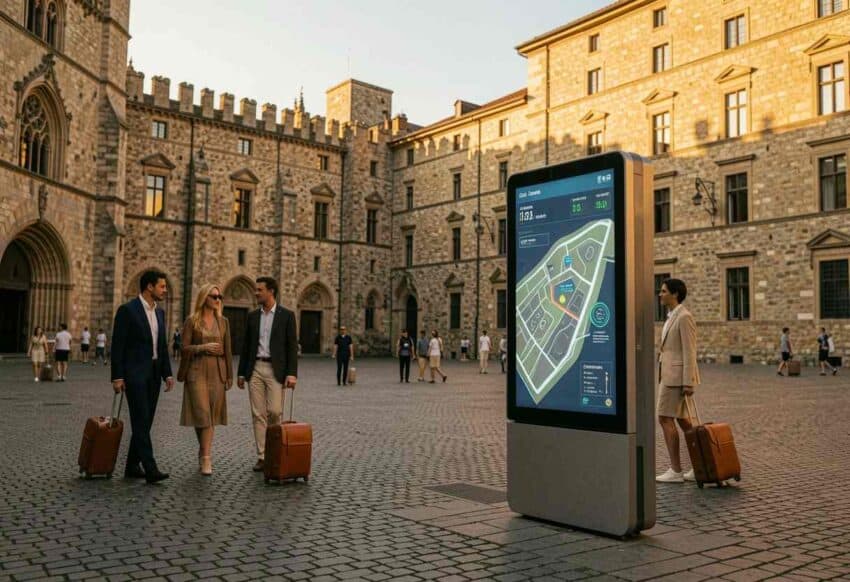
Spain joins Italy, Portugal, Greece, Croatia, and more as new border controls, tourism reforms, and record visitor surges reshape Southern Europe summer travel in an unprecedented season of transformation. As a result, governments and tourism authorities are adapting policies to balance economic growth with sustainability and security. At the same time, border management systems are evolving while destinations continue to welcome millions of travelers. Moreover, infrastructure upgrades, accommodation regulations, and crowd management measures are being introduced across major tourism hubs. Consequently, Southern Europe is experiencing a significant shift in the way summer travel is managed and promoted. Spain joins Italy, Portugal, Greece, Croatia, and neighboring countries in responding to changing travel patterns through coordinated reforms and strategic planning. Therefore, the region is entering a new era where record tourism demand is being matched with stronger regulations, smarter destination management, and long-term efforts to create a more resilient and sustainable visitor economy.
The Structural Realignment of Mediterranean Travel Dynamics
Southern European summer tourism has entered a highly transformative phase of operational and geographic expansion. This period is fundamentally characterized by a structural shift away from volume-based growth metrics toward a sophisticated model of high-yield value optimization. The broader consolidation of regional travel demand has been heavily influenced by a systemic geopolitical re-routing of global passenger flows. Travelers are actively being directed away from unstable Eastern Mediterranean and Middle Eastern corridors, resulting in the redirection of substantial premium global traffic toward safe-haven destinations located across the Iberian Peninsula, Italy, and Greece.
This massive influx of international arrivals has directly coincided with a highly disruptive regulatory transition at European frontiers. This includes the full implementation of the automated Entry/Exit System at external Schengen borders, running parallel to the widespread reintroduction of temporary internal Schengen border controls by various sovereign states. Despite these layer-upon-layer complexities of border enforcement and the associated terminal delays, key metropolitan centers across the continent have demonstrated remarkable systemic resilience. Administrative flexibility and targeted event calendars are being actively utilized to maintain functional tourist gateways and protect national economic interests.
| Destination | Annual Primary Arrivals | Total Annual Nights Spent / Overnight Stays |
|---|---|---|
| Rome (Lazio) | 22.9 Million | 52.92 Million |
| Barcelona (Catalonia) | 22.58 Million (Regional) | 23.1 Million (Hotel Only) |
| Milan (Lombardy) | 16.9 Million (Regional) | 14.0 Million |
| Athens (Attica) | 8.72 Million | 36.21 Million |
| Lisbon (Metro Area) | 8.52 Million | 1.5 Million (Peak Month) |
| Dubrovnik | 1.4 Million | 4.2 Million |
Spain
Spain continues to firmly anchor Mediterranean tourism, achieving an all-time record of 96.8 million international arrivals and securing €134.712 billion in total tourist spending. This robust economic performance reflects a deliberate, highly coordinated national strategy to prioritize long-term spending growth over raw, unmanaged arrival volumes. Through this methodology, seasonal dependency is being minimized, and travelers are being dispersed more equitably across diverse geographic territories.
Advertisement
Advertisement
Catalonia
Catalonia remains the preeminent regional gateway within Spain, closing its operational cycle with a historic record of 22,582,531 registered hotel guests. Within this productive region, the localized Barcelona tourism brand registered a substantial 23.1 million hotel overnight stays. However, the urban core of Barcelona city has experienced a clear stabilization in raw summer travel volume. International arrivals dropped by 1.36% during the late summer period.
This contraction reflects strict municipal interventions executed under the Urban Plan for Tourist Accommodation, an administrative framework that completely bans the issuance of new short-term rental licenses and restricts hotel expansion projects to mitigate local social friction. On a financial level, a mean daily spend of €238 was recorded among visitors to this sector.
Advertisement
Advertisement
Madrid
Conversely, the capital city of Madrid has rapidly expanded its global footprint, successfully attracting 25 million total visitors to its municipal boundaries. The city has simultaneously solidified its institutional role as a center of global tourism governance. This has been achieved by hosting both the formal UN Tourism headquarters and the primary global office of the World Travel & Tourism Council.
Malaga
In the southern territory of the country, the province of Malaga has demonstrated exceptional high-yield performance, closing its accounts with 1,834,637 hotel guests and 3,740,465 overnight stays. Within this coastal province, the luxury hub of Marbella reported an impressive average daily rate of €200.14 alongside an overall occupancy rate of 72.26%, an operational triumph driven by a highly affluent, international client base.
Advertisement
Advertisement
Mallorca
Mallorca remains the absolute dominant summer destination by raw volume within the Spanish state, registering a massive 51.2 million overnight stays. To combat severe environmental degradation and structural infrastructure congestion, a policy targeting zero growth in overnight stays has been instituted by the Balearic government. This strategy aims to enforce strict caps on cruise ship arrivals to better manage the estimated 1.5 million annual day-trippers who are currently excluded from standard overnight statistics.

Italy
Italy’s tourism economy has generated over 5% of the national direct gross domestic product while supporting approximately 6% of total national employment, with overall international arrivals reaching 74 million. The municipal markets of the country are currently experiencing a significant geographic and capacity realignment.
Rome
Rome remains the undisputed national leader in total volume, market capture, and economic yield, recording 22.9 million visitor arrivals and 52.92 million overnight stays within the Lazio region. This historic surge occurred during a period of severe operational disruption across wider European aviation networks and border gateways. The preeminence of Rome was made possible by a potent combination of exceptional demand drivers and tactical operational flexibility.
The primary engine of the historic performance of Rome was the celebration of the Universal Jubilee Holy Year, which ran actively through early 2026. This once-in-a-generation Catholic event acted as an incredibly resilient driver of religious and cultural travel, completely insulating the city from standard macroeconomic slowdowns or inflationary trends. Over 15 million pilgrims utilized Rome as their primary base, generating consistent, non-seasonal demand that filled hotels, religious guesthouses, and registered holiday apartments alike. This high occupancy drove price increases of 15% to 30% for accommodations located near the Vatican and the historic core.
Advertisement
Advertisement
| Metric Category | Documented Operational Volume |
|---|---|
| Total Annual Visitor Arrivals | 22.9 Million |
| Total Regional Overnight Stays | 52.92 Million |
| Direct Tourism Revenue (H1 Only) | €11.6 Billion |
| Airport Passenger Traffic | 40.5 Million (Fiumicino Hub) |
| High-Speed Rail Volume | 40.0 Million (Frecciarossa Network) |
| Core Pilgrim Base Volume | 15.0 Million (Jubilee Holy Year) |
Prolonged geopolitical conflicts in the Middle East prompted global travelers to reroute their vacations toward stable Mediterranean alternatives, with Italy and Spain serving as the primary structural beneficiaries. Rome successfully captured high-yield long-haul markets, particularly from the United States.
In terms of air terminal data, 7.1 million airport arrivals were recorded at the capital’s main gateway, of which 6.3 million were classified as international. United States tourists accounted for a major share of this traffic, with their profiles characterized by long stays averaging between 8.6 and 12 nights, and an exceptionally high spending capacity averaging €191.10 per night.
The physical capacity of Rome to absorb this volume of travelers is structurally supported by Fiumicino Airport, which handled 40.5 million passengers, and its deep integration into Italy’s high-speed rail network. The Frecciarossa system carries 40 million passengers annually and allowed Rome to serve as a central distribution node for the surrounding regions of Lazio, Umbria, and Campania. Administrative measures, such as digital queuing mechanisms at the historic Trevi Fountain, were also deployed to control crowd density.
The ultimate factor that prevented Rome from collapsing under its own logistical weight was the flexible enforcement of new European border regulations by local authorities. The newly activated Entry/Exit System, which was fully launched on April 10, 2026, created systemic queues stretching up to three to four hours at major European airports due to the temporal length of first-time biometric registration.
At Rome Fiumicino, however, the transition was managed through sovereign operational reprieves. When queues stretched excessively, Italian border control dynamically suspended biometric capture and temporarily reverted to simple face scans or traditional passport stamping. This flexible implementation successfully bypassed the technical bottlenecks that paralyzed competing hubs, allowing Rome to process its 22.9 million arrivals with minimal disruption and ensuring that the gateway remained highly functional throughout the peak travel season.
Milan
Milan has emerged as a major competitor to traditional cultural hubs, overtaking Venice for the first time in municipal overnight stays by registering approximately 14 million nights. This rapid regional expansion is supported by Lombardy’s fashion and corporate dominance, as well as significant structural preparation for the upcoming Milan-Cortina Winter Olympics. These factors drove Lombardy’s total regional arrivals to 16.9 million and pushed tourist spending to €9.2 billion.
Advertisement
Advertisement
Venice
Venice follows closely behind with 13.3 million nights spent, though its local community continues to face severe over-tourism pressures. The Venetian municipality has responded to this threat by enacting strict cruise ship bans within the historic center, alongside the pioneering implementation of a daily entry fee and a digital reservation system designed to control unmanaged day-tripper flows.
Florence
Florence continues to successfully capture high-value cultural tourists, recording 9.2 million overnight stays. This visitor base is characterized by an exceptionally high average per-capita expenditure of over €1,000 per visitor during their time in the Tuscan capital.
Naples
In southern Italy, Naples stands out as the fastest-growing urban destination on the peninsula. The city is expected to reach 18 million visitors, representing an annual increase of 4.5 million over the previous year’s metrics. This expansion is being driven by expanding low-cost airline networks and localized cultural appeal.
Portugal
Portugal’s tourism sector recorded 32.5 million guests and 82.1 million overnight stays, representing a steady growth of 2.2% in overnight stays and a 5.0% increase in direct revenues.

Lisbon
The Lisbon Metropolitan Area serves as the primary engine of Portuguese tourism, generating 20.3% of national overnight stays, which equates to 1.5 million nights in a single peak spring month. Lisbon welcomed 8.52 million visitors, of which 6.54 million were international, generating €6.67 billion in direct tourist spending. However, this rapid influx has led to severe local resistance.
Neighborhood groups have organized protests against the expansion of short-term rentals, categorized locally as Alojamento Local, arguing that tourist lets have displaced long-term residents and hollowed out historical quarters. This has prompted mandatory monthly statistical reporting and strict localized short-term rental limits.
Advertisement
Advertisement
Porto
Outside of the capital region, the northern city of Porto has maintained positive momentum. The municipality recorded 615,700 overnight stays, representing a 3.6% year-on-year increase and a 28% expansion when measured against pre-pandemic baselines.
Albufeira
Albufeira, located in the Algarve, represents the country’s primary sun-and-sea hub, recording 729,300 overnight stays. Although Albufeira remains highly popular among international holidaymakers, the wider Algarve region overall is noted as the only Portuguese territory that has struggled to consistently exceed its pre-pandemic high-water marks.
Greece
Greek tourism reached record heights, generating over €23.626 billion in total revenues. A critical structural shift has concentrated visitor traffic in the country’s two primary urban entry points, while regional and island airports have experienced more moderate growth.
Athens
Athens has successfully evolved from a transient transit gateway into a primary standalone destination. Athens International Airport handled an all-time record of 33.99 million passengers, representing a 33% increase over 2019 levels. The surrounding Attica region generated €4.32 billion in tourism receipts through September.
Crucially, off-peak winter months grew three times faster than the peak summer period, signaling a long-term reduction in seasonality. The regional performance includes a recorded 8.72 million primary arrivals and 36.21 million total nights spent, aided by dynamic airport expansion and targeted shoulder season promotions.
Crete
Crete’s Heraklion Airport crossed the 10-million passenger threshold, with international arrivals expanding by 6.5%, reinforcing the island’s role as a premier resort market.
Advertisement
Advertisement
Rhodes
Rhodes continued to showcase high volume, accounting for 11.1% of all international air arrivals to Greece.
Santorini
In contrast, the high-cost island of Santorini experienced a capacity-driven market correction, suffering an 18.3% decline in domestic air arrivals. This shift is partly the result of strict local sustainability initiatives, including a daily cap of 8,000 cruise passengers and a tiered €20 peak-season cruise tax, which successfully reduced physical congestion but impacted raw visitor volumes.
Mykonos
Similarly, Mykonos faced a capacity-driven correction, recording a 9.6% drop in air arrivals as luxury consumer demand recalibrated across the Mediterranean basin.
Croatia
Croatia generated €15.298 billion in foreign tourism revenue, registering 21.8 million tourist arrivals and 110.1 million overnights. This growth was heavily concentrated along the Adriatic coast, which accounted for 104.6 million overnight stays, led by Istria at 30.3 million and Split-Dalmatia County at 20.9 million.
The Croatian government has paired this demand growth with aggressive structural reforms, executing a capacity reform that removed approximately 10,000 short-term tourist beds to encourage property owners to transition back to long-term residential leasing.
Dubrovnik
Dubrovnik achieved 4.2 million overnight stays against an annual arrival base of 1.4 million. To preserve its UNESCO World Heritage status, the city limits cruise traffic to a maximum of two ships and 8,000 passengers per day. This measure has successfully reduced peak daily congestion and allowed mid-summer hotel rates to reach an average of €320 per night.
Advertisement
Advertisement
Split
Split-Dalmatia County has solidified its position as Croatia’s primary tourism powerhouse, with Split city alone recording 3.2 million overnights. Split Airport has expanded its connectivity to 85 destinations, including direct transatlantic flights to New York operated by United Airlines, positioning the city as a critical transit hub for long-haul North American travelers.
Logistical Dynamics and Border Regulation Infrastructure
The logistical challenge of summer travel across Southern Europe is defined by a highly fragmented and volatile border landscape. The Entry/Exit System represents a fundamental technological shift, requiring the digital collection of facial images and fingerprints for all non-EU nationals.
The mathematical reality of this system is challenging: with registration taking 60 to 90 seconds per passenger, a single arriving aircraft can quickly overwhelm available terminal kiosks, increasing passenger processing times by up to 70%.
While hubs in Italy and Portugal maintained partial compliance through local adaptations, other countries took even more drastic measures to protect their tourism revenue. Most notably, the Greek government unilaterally suspended all EES biometric data collection for UK citizens, citing unacceptable physical pressure on its small island airports and the risk of severe economic damage to local hospitality sectors. British travelers in Greece face standard manual passport control, while travelers from other non-EU markets, such as the United States and Canada, are still subjected to full biometric registration.
Overland travel has been similarly constrained by the temporary reintroduction of internal Schengen border controls. Although the Schengen Area is designed to facilitate borderless movement, multiple member states have reinstated passport checks due to continuous security threats, irregular migration along the Balkan routes, and heightened counter-terrorism mandates.

| Reintroducing State | Active Enforcement Period | Primary Geopolitical & Security Justification |
|---|---|---|
| Italy | 19/06/2026 – 18/12/2026 | Terrorist infiltration risks; human smuggling along the Balkan route |
| Slovenia | Extended through late 2026 | Migration pressures; cross-border organized crime spillovers |
| Austria | 16/06/2026 – 15/09/2026 | Irregular migration along the Balkan route; Russian war spillovers |
| France | 01/05/2026 – 31/10/2026 | Jihadist threats; antisemitic attacks; G7 summit security |
| Germany | 16/03/2026 – 15/09/2026 | Irregular migration; severe strain on asylum reception systems |
| Sweden | 12/05/2026 – 11/11/2026 | Organized cross-border crime; foreign state gang leverage |
The land borders of Italy with Slovenia are subject to active checks from June 19, 2026, through December 18, 2026, to counter human smuggling and infiltration risks. This matches extensions by Slovenia on its borders with Croatia and Hungary to combat cross-border organized crime.
Advertisement
Advertisement
Austria has established checks from June 16, 2026, through September 15, 2026, targeting irregular migration along the Balkan route and spillovers from the Russian war. France has instituted comprehensive checks across all land, air, and sea borders from May 1, 2026, through October 31, 2026, to manage jihadist threats, antisemitic attacks, and security for the G7 summit.
Similarly, Germany has enforced controls from March 16, 2026, through September 15, 2026, across land borders with nine adjacent states due to severe strain on its asylum reception systems. Sweden has closed the loop by maintaining internal controls across all borders from May 12, 2026, through November 11, 2026, citing organized cross-border crime and foreign state gang leverage.
Strategic Industry Outlook
The structural evolution of Southern European summer tourism highlights several critical trends for professional operators and policymakers. First, the industry is witnessing a definitive decoupling of visitor volume and economic yield. As illustrated by the interventions in Barcelona and Santorini, destinations are actively using local taxes, cruise limits, and platform regulations to suppress mass arrivals while simultaneously increasing total revenue through higher-spending, high-value travelers.
Second, the expansion of off-season and city-break travel has begun to structurally flatten the traditional summer peak. Cities like Athens and Rome are successfully leveraging cultural, religious, and sporting events to capture year-round travel, successfully reducing the physical burden on municipal infrastructure during July and August.
Finally, the operational friction introduced by the EES and the upcoming ETIAS system has permanently shifted travel logistics. To navigate this new landscape, professional travelers must plan for extended connection windows and factor administrative delays directly into travel times, as sovereign nations continue to prioritize security and local capacity limits over frictionless transit.
Advertisement
