
Kenya and More Simplify Safari Travel as Ghana Expands Africa’s Festive Tourism Appeal

Published
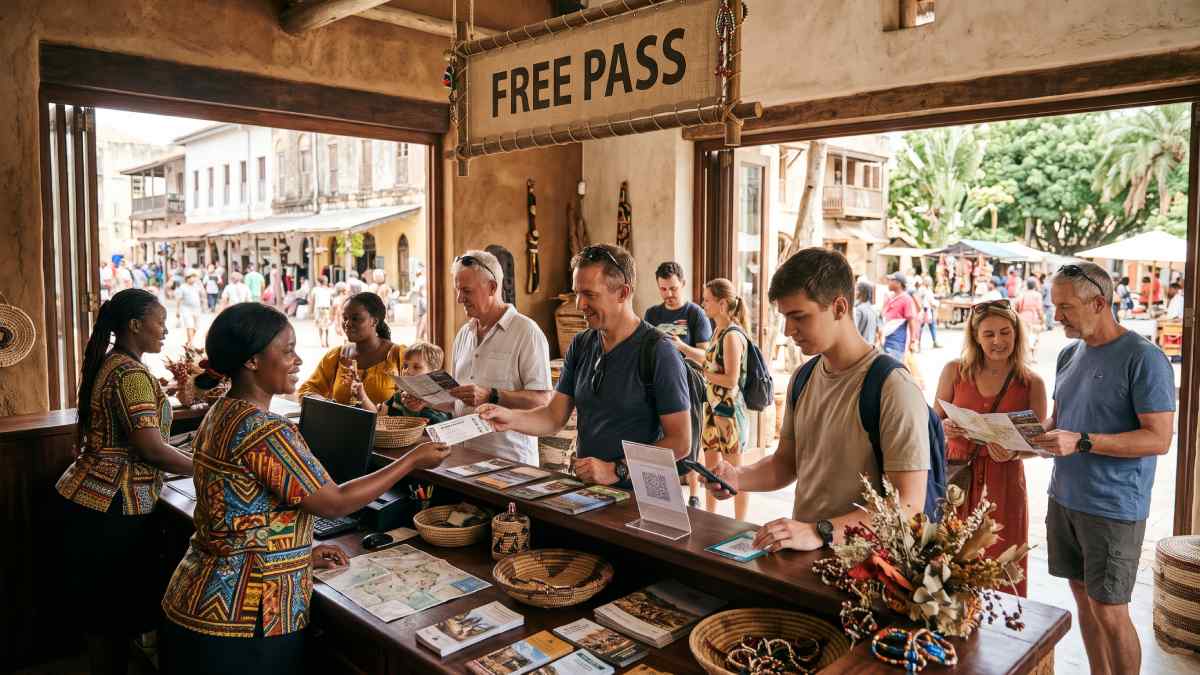
An important structural revolution is taking place on the continent in relation to the festive travel itinerary, breaking free completely from traditional, inward-looking safari tours. Through strategic cooperation between regions in Eastern, Western, and Southern Africa, harmonized multi-visas, discounted city heritage routes, carbon-free mobility zones, and streamlined diaspora access mechanisms are being put in place. By eliminating red tape around borders and democratizing key cultural and natural resources, authorities are able to channel the spending of foreign tourists into city small and medium businesses, scattering tourist locations, and creating a cost-effective festival tourism model that will stand the test of time.
Background: The Structural Shift in African Holiday Travel
For decades, international holiday travel to the African continent during the peak December and January festive corridor was constrained to a rigid, highly sequestered pattern. Inbound travellers arriving from major source markets were predominantly funnelled into self-contained safari lodges or insular beach enclaves. Concentrated financial returns were generated for a limited number of international luxury concessions by this legacy model, while minimal economic spillovers were created for urban small-to-medium enterprises (SMEs), leaving national tourism authorities exposed to external economic volatility. By contrast, robust winter yields have long been captured by European destinations through interconnected border regimes, seamless regional rail systems, and municipality-sponsored pedestrian cultural circuits that circulate consumer capital throughout urban economies.
Advertisement
Advertisement
Entering the holiday season, an aggressive, multi-tiered structural counter-strategy has been initiated by sovereign African authorities and regional economic commissions. Guided by findings published by international monitoring agencies, a larger share of global leisure expenditure is being captured by tourism ministries through enhanced physical connectivity, the removal of bureaucratic bottlenecks, and the diversification of destination offerings. The continent was shown by international monitoring reports to have expanded tourist arrivals significantly, outpacing broader global averages despite prevailing macroeconomic pressures and elevated aviation fuel costs.
Integrated regional policies have been introduced by national destination managers rather than relying on isolated single-country campaigns. Through the integration of cross-border mobility treaties, municipality-funded urban pedestrian routes, fee-free conservation access windows, and institutional diaspora repatriation packages, the competitive stance of the continent is being redefined across the global travel landscape. Festive tourism in Africa is positioned by this collaborative policy framework not as a luxury indulgence, but as an accessible, multi-layered cultural and ecological journey through which substantial international and domestic expenditure is captured.
Advertisement
Advertisement
Transfrontier Tourism Partnerships: The East Africa Festive Eco-Pass Architecture
Cumbersome administrative hurdles were historically encountered during cross-border transit across East Africa. Separate visa fees, uncoordinated national park entry tariffs, and fragmented regional air connections were routinely faced by international tourists seeking to combine primate trekking in the Albertine Rift with coastal leisure along the Indian Ocean. These structural obstacles have been dismantled through the introduction of coordinated transfrontier frameworks, allowing the regional holiday economy to be transformed into a unified leisure corridor.
The Regulatory and Operational Mechanics of the Tri-Nation Pass
The operational foundation of East Africa’s regional travel strategy is anchored by the Single East Africa Tourist Visa (Category V11), a joint regulatory instrument administered across Kenya, Rwanda, and Uganda. Multi-destination access across the three participating sovereign states is granted to international leisure travellers under a harmonised, non-refundable statutory fee, provided that initial entry is completed through the issuing country and the holder remains strictly within the tri-country border perimeter.
Advertisement
Advertisement
For the festive window, partner governments have advanced beyond passive immigration harmonisation through the launching of the integrated East Africa Festive Eco-Pass. The issuance of the multi-country visa is synchronised with holiday conservation clearances and multi-destination transport corridors under this operational mechanism. Urban transit can be conducted, immigration checkpoints cleared, mountain gorilla tracking allocations secured across Volcanoes National Park or Bwindi Impenetrable National Park, and transfers onto scheduled regional coastal flights immediately completed by arriving visitors without duplicate visa applications or secondary administrative processing fees being incurred.
| Dimension | Established Single East Africa Tourist Visa | Integrated Festive Eco-Pass Mechanism |
| Participating Sovereign States | Kenya, Rwanda, Uganda | Kenya, Rwanda, Uganda (Harmonised Circuit) |
| Statutory Cost & Validity | Fixed statutory flat fee; multi-entry validity | Harmonised flat fee; multi-entry validity integrated with conservation clearances |
| Digital Issuance Infrastructure | eCitizen (Kenya), Irembo (Rwanda), DCIC Portal (Uganda) | Interlinked cross-border portal issuing digital QR travel vouchers |
| Park Tariff Processing | Independent national park authority collections | Synchronised conservation booking and single verification processing |
| Aviation Capacity Support | Standard scheduled commercial rotations | Frequency expansions on regional bush-and-beach flight corridors |
Duplicate administrative charges have been eliminated by participating states through the coordination of the Single East Africa Tourist Visa regulatory framework with regional conservation processing. It is ensured by operational protocols that shared clearance data is accessed across park reservation desks in Kigali, Kampala, and Nairobi, preventing the administrative double-taxation by which multi-country holiday itineraries were historically disincentivised.
Advertisement
Advertisement
Air Corridors, Bush-and-Beach Synthesis, and Length-of-Stay Expansion
Direct flight linkages have been upgraded by regional transport ministries and civil aviation authorities to support the physical mobility implied by the Eco-Pass. Flight frequencies connecting Entebbe International Airport, Kigali International Airport, and Moi International Airport Mombasa have been expanded throughout the peak December-to-January period. Traditional intermediate flight transfers are bypassed through direct rotations operated by regional carriers, allowing interior rainforest reserves to be linked directly to coastal beach ecosystems.
Clear economic dividends have been generated by this aviation coordination, with substantial inbound earnings, expanded visitor arrivals, and heightened receipts recorded across national tourism performance reports in Kenya and Rwanda.
Tourist dwell patterns have been reshaped by destination managers through the integration of highland gorilla trekking and coastal resort stays into unified itineraries. International dwell periods have been substantially lengthened beyond historical baselines through regional multi-destination bundles. Foreign capital is dispersed by this prolonged stay beyond primary gateways into secondary lodging providers, independent transport operators, and local supply chains, strengthening macro-level economic resilience.
Zero-Cost Urban Heritage: Re-Engineering Civic Mobility for SME Growth
While long-haul regional mobility is addressed by transfrontier eco-passes, pedestrian-centric, zero-tariff cultural programmes are being deployed by municipal authorities in West and East Africa to retain holiday expenditure within metropolitan centres. Rather than urban cores being permitted to function merely as logistical transit points between international airports and safari concessions, footfall is being channelled directly to local commercial hubs through structured walking circuits.
Advertisement
Advertisement
Accra’s Heritage Festive Trail and the Digital QR Pass System
In Ghana, the Heritage Festive Trail has been established by the Ministry of Tourism, Arts, and Culture through the Ghana Tourism Authority and the Accra Metropolitan Assembly. Free daily, certified, multilingual guided walking routes departing from the Kwame Nkrumah Memorial Park are provided to international and domestic visitors under full municipal and national tourism underwriting.
The pedestrian route is directed through the coastal alleys of James Town, across the mercantile district of Makola Market, and into the retail and dining corridors of Osu and Cantonments. Rather than participants being charged for curated civic interpretation, an Accra Festive Pass is delivered as a dynamic QR code to the mobile devices of every walker by municipal docents.
A municipal commercial incentive is provided by this digital pass. Complimentary admission to municipal museum exhibitions is unlocked upon scanning at turnstiles, while structured discounts are made available across a certified network of independent craft markets, local textile designers, street-food stalls, and heritage culinary establishments. Consumer capital is redirected by the removal of access fees away from administrative overheads directly into the revenue streams of urban micro-enterprises, raising retail turnover during the competitive holiday trading window.
Stone Town’s Spice and Architecture Marathon in Zanzibar
A parallel operational mechanism has been deployed in East Africa by the Zanzibar Commission for Tourism in collaboration with the Stone Town Conservation and Development Authority. Walking routes traversing the labyrinthine coral-stone corridors of Stone Town’s historic quarters—including Shangani and Darajani—were introduced through the non-competitive Spice and Architecture Marathon, as it was recognised that urban historic centres were frequently bypassed by holiday resort travellers.
The operational structure is supported by several distinct components:
- Pedestrian groups are led at staggered intervals throughout the day by certified, state-sponsored Swahili-speaking heritage docents.
- Walkers are introduced to traditional spice processing through free, municipality-funded spice-tasting stations embedded within working bazaars.
- Complimentary admission to key civic cultural institutions, including the Old Fort and designated galleries within the House of Wonders cultural precinct, is provided upon presentation of a valid foreign passport.
- A coordinated route finish is synchronised with evening trading hours at the Forodhani Waterfront Park night food market.
Pedestrian footfall is converted into retail consumption through this municipal strategy. High-volume holiday spending is directly captured by independent street chefs, fruit vendors, and local artisan guilds as a result of guided, zero-cost access being provided through the architectural quarter and concluded at the waterfront night market.
Advertisement
Advertisement
Conservation Incentive Strategies and Green Urban Mobility in Southern Africa
Municipal congestion, infrastructure strain, and holiday accommodation surcharges that risk deterring regional and international visitors are confronted by Southern African destinations during the peak festive season. Targeted access waivers and decarbonised public transport networks have been rolled out by South African conservation agencies and municipal transport boards to balance resource protection with economic vitality.
SANParks Festive Conservation Free-Pass System
While free day visits to the conservation estate were traditionally granted to citizens during National Parks Week, this mechanism was adapted into a commercial incentive known as the Festive Conservation Free-Pass by South African National Parks (SANParks) alongside provincial tourism boards.
Complimentary single-day visitor entry permits to premier national parks are granted to international visitors who register confirmed multi-night reservations in accredited regional eco-lodges or municipal guesthouses. Two strategic nodes are prioritised under this initiative:
- Table Mountain National Park (Western Cape): Day-visitor conservation entry fees to access points including the Cape of Good Hope and the penguin sanctuary at Boulders Beach are eliminated for visitors residing in certified municipal lodging.
- Addo Elephant National Park (Eastern Cape): Regional safari dispersal is promoted near Gqeberha to relieve holiday overcrowding at northern reserves while hospitality providers across the Eastern Cape are supported.
Booking patterns across the region are altered by this incentive. Off-peak shoulder occupancy rates have been lifted and extended stays in boutique accommodation encouraged by SANParks and regional hotel associations through the application of free conservation access as an offset against accommodation investments.
Decarbonising the Cape Town Festive Corridor with Municipal Electric Fleets
A dedicated, complimentary electric holiday shuttle network was introduced by Cape Town Tourism and the City of Cape Town to address the heavy vehicular congestion that regularly impacts routes around Table Mountain, Kirstenbosch, and the Atlantic Seaboard during the December holidays.
Major hospitality districts—including the Victoria & Alfred Waterfront, Sea Point, and Camps Bay—are directly linked by the zero-emission fleet across continuous urban loops to designated entry stations at the Table Mountain Aerial Cableway, Signal Hill, and the Kirstenbosch National Botanical Garden.
Advertisement
Advertisement
Municipal infrastructure gridlock is prevented by the electric shuttle network, while arriving international visitors are channelled directly into restaurants, artisan markets, and cultural sites located along the transit corridors, fulfilling environmental and retail priorities simultaneously.
The Global African Diaspora: West Africa’s Transatlantic Reconnection Economy
The festive tourism landscape across Africa is being heavily reshaped by the structured institutionalisation of diaspora travel. Historical and emotional ties have been transformed into systematic, high-yield holiday itineraries by national authorities in West Africa. Simplified immigration regimes have been combined with fee-free access to major transatlantic heritage landmarks under initiatives spearheaded by Ghana and Senegal.
Ghana’s December in GH Visa-on-Arrival Protocol and Transatlantic Castles
Building on the foundation established by the Year of Return, the annual December in GH framework is implemented by Ghana’s Ministry of Tourism, Arts, and Culture together with the Ghana Tourism Authority and the Beyond the Return Secretariat. The institutional centerpiece of the campaign is established through an official non-pre-approval visa-on-arrival regulatory window spanning the festive period.
Cumbersome consular visa applications in home countries are avoided by international visitors of African descent arriving from North America, Europe, and the Caribbean under this statutory policy. Transport ministry directives are issued instructing airlines serving Kotoka International Airport to board eligible passengers without requiring prior visa approval documentation. It was emphasized by the Chief Executive Officer of the Ghana Tourism Authority that broader diaspora engagement is unlocked by removing entry friction during this seasonal window, allowing holiday travellers to be converted into lasting trade partners and investors.
Zero-fee entry to key UNESCO World Heritage transatlantic slave fortifications, including Cape Coast Castle and Elmina Castle, is coordinated by the Beyond the Return Secretariat alongside the Ghana Museums and Monuments Board. Visits are reframed around historical reconciliation and reflection through the waiver of entry tariffs at these historic sites, encouraging consumer expenditure to be directed into regional transport, independent hospitality, and local enterprise across the Central Region.
Dakar’s Teranga Holiday Pass and Maritime Heritage Access
A complementary framework has been enacted in Senegal through the Ministry of Tourism and Crafts in Dakar, establishing the Teranga Holiday Pass for the year-end season. Several transit and cultural benefits are received by international and regional travellers booking flights aboard West African regional air carriers:
Advertisement
Advertisement
- Subsidised round-trip maritime passage is provided on the Liaison Maritime Dakar-Gorée ferry to Gorée Island, the historic site of the Maison des Esclaves (House of Slaves).
- Free admission passes are granted for exhibitions at the Musée des Civilisations Noires (Museum of Black Civilisations) in central Dakar throughout the festive period.
- Discounted transit is made available along the Train Express Régional, linking Blaise Diagne International Airport directly to central cultural precincts in the Dakar Plateau.
Diasporic leisure expenditure is effectively captured by lowering maritime and cultural transit costs, allowing resources to be channelled directly toward local guides, culinary purveyors, and independent maritime operators.
Transatlantic Capacity Expansion and Aviation Infrastructure
Substantial air capacity expansions have been driven by the surge in holiday arrivals generated by West Africa’s diaspora policies. Scheduled direct seat capacity into Kotoka International Airport in Accra and Blaise Diagne International Airport in Dakar has been expanded by transatlantic and continental carriers. Peak holiday demand is accommodated, seasonal airfare spikes are dampened, and the logistical volume required to support secondary tourism sectors—including hospitality, domestic transport, and cultural festivals across West Africa—is provided through the deployment of wide-body aircraft.
Policy Implications, Structural Bottlenecks, and Future Outlook
An intentional restructuring of African tourism economics is reflected in the convergence of multi-destination visas, zero-cost urban walking circuits, subsidised conservation access, and diaspora waivers. Seasonal tourist inflows are being converted by national governments into diversified engines for structural economic development, moving beyond the treatment of leisure travel as an extractive, high-end wildlife activity.
Transit costs for consumers are lowered by cross-border mobility programs under the Single East Africa Tourist Visa model, allowing overall expenditure within destination communities to be raised. Macroeconomic balances and foreign exchange stability in countries such as Kenya and Rwanda are supported as visitor dwell times are extended.
Similarly, the holiday footprint is democratised by zero-cost civic walking trails in Accra and Stone Town. Consumer capital is channelled away from exclusive international hotel chains and into local gastronomic vendors, artisanal workshops, and urban transport cooperatives through digital instruments such as the QR-coded Accra Festive Pass. In Southern Africa, the coordination between SANParks day-pass waivers and municipal electric shuttles demonstrates how regional boutique hospitality can be directly supported through environmental sustainability and traffic management.
Nevertheless, concrete operational bottlenecks must be addressed if strategic growth is to be sustained:
Advertisement
Advertisement
- Ecosystem Carrying Capacities: Environmental pressure placed on delicate ecosystems—such as mountain gorilla reserves in Bwindi and Volcanoes National Park—must be actively managed so that rigorous conservation protocols are not compromised and ecological degradation is prevented amid rising visitor numbers.
- Digital Border Harmonisation: Processing backlogs at busy terrestrial checkpoints and regional international airports during peak travel periods must be prevented through complete interoperability across national customs and immigration agencies.
- Civil Aviation Liberalisation: Remaining bilateral air-service restrictions must be dismantled, elevated intra-continental airfares curbed, and seamless transit across non-contiguous economic zones unlocked through the accelerated implementation of the Single African Air Transport Market (SAATM).
Exceptional global competitiveness is retained by African tourism as cross-continental coordination matures and physical infrastructure, immigration policy, and civic heritage programs are harmonised. An enduring global benchmark for contemporary festive travel is being established by leading with high-value accessibility, regional policy harmony, and inclusive community impact.
Conclusion
The successful transcendence of traditional holiday paradigms has been achieved through the means of multilateral visa harmonization, tariff-free urban trekking routes, conservation exemptions, and structured repatriation of the diaspora. Through reducing border impediments and investing directly in local businesses, sustainable economic stability has been attained, creating a solid foundation for future continental success in lucrative festive tourism.
Advertisement
