
Vietnam Joins Japan, South Korea, China, Thailand, Cambodia, Laos, Indonesia, Malaysia, Singapore, And The Philippines In Elevating Travel Through Mo Muong Heritage As UNESCO Recognition Creates New Opportunities For Cultural Tourism Across Hanoi Hoa Binh Thanh Hoa Ninh Binh Phu Tho Son La And Dak Lak

Published
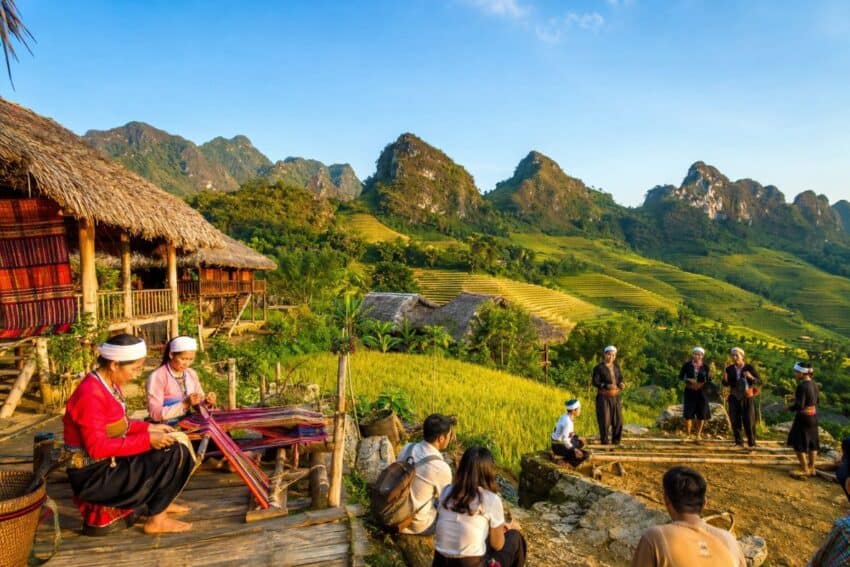
Vietnam is strengthening its global tourism profile by placing one of its oldest living cultural traditions on the international stage. The country’s effort to secure UNESCO recognition for Mo Muong, the sacred ritual heritage of the Muong ethnic community, is expected to reshape cultural tourism by drawing visitors to destinations rich in indigenous traditions, oral history, and authentic community experiences. Covering Hanoi, Hoa Binh, Thanh Hoa, Ninh Binh, Phu Tho, Son La, and Dak Lak, the nomination extends far beyond heritage preservation. It represents a strategic tourism initiative designed to introduce international travelers to lesser-explored regions while supporting sustainable development in local communities. As travelers increasingly choose meaningful experiences over conventional sightseeing, Vietnam is positioning Mo Muong as a signature attraction that combines history, spirituality, folklore, traditional lifestyles, and responsible tourism. The initiative also reflects the country’s long-term commitment to protecting intangible heritage through community participation, digital preservation, and international cooperation. If internationally recognized, Mo Muong could become one of Vietnam’s strongest tourism assets, encouraging visitors to move beyond famous beaches and urban destinations to experience the country’s remarkable cultural diversity.
Travel Update At A Glance
| Category | Information |
|---|---|
| Country | Vietnam |
| Heritage Nomination | Mo Muong |
| International Organization | UNESCO |
| Tourism Focus | Cultural Tourism |
| Featured Destinations | Hanoi, Hoa Binh, Thanh Hoa, Ninh Binh, Phu Tho, Son La, Dak Lak |
| Visitor Experience | Indigenous Heritage, Community Tourism, Traditional Culture |
Mo Muong Heritage Becomes Vietnam’s New Tourism Story
Vietnam has steadily expanded its tourism offerings beyond beaches, islands, and major cities by highlighting indigenous cultures that remain deeply connected to everyday life. Among these traditions, Mo Muong stands out as one of the country’s most remarkable living cultural treasures. The heritage preserves thousands of sacred oral verses, spiritual rituals, customs, mythology, and historical knowledge that have been transmitted across generations without written documentation. Rather than existing only inside museums, the tradition continues to be practiced within Muong communities, giving travelers the rare opportunity to witness authentic ceremonies rooted in centuries of history. This living connection between culture and community has become an increasingly valuable attraction for international visitors seeking immersive travel experiences.
UNESCO Recognition Strengthens Vietnam’s Cultural Travel Appeal
Vietnam’s nomination demonstrates a national commitment to preserving intangible heritage while creating sustainable tourism opportunities. Government agencies, cultural researchers, heritage specialists, and local communities have collaborated to document rituals, digitize oral traditions, prepare heritage inventories, and record cultural performances. The nomination covers multiple provinces where Muong traditions continue to flourish, ensuring that preservation efforts extend across an entire cultural landscape rather than a single destination. UNESCO recognition would significantly raise international awareness of Vietnam’s indigenous heritage while encouraging travelers to include cultural destinations in their itineraries alongside the country’s better-known attractions.

Mo Muong Heritage Tourism At A Glance
| Category | Details |
|---|---|
| Country | Vietnam |
| Heritage | Mo Muong Ritual Tradition |
| Recognition Status | Nominated for UNESCO Intangible Cultural Heritage in Need of Urgent Safeguarding |
| Travel Focus | Cultural Tourism, Heritage Tourism, Community-Based Tourism |
| Key Destinations | Hanoi, Hoa Binh, Thanh Hoa, Ninh Binh, Phu Tho, Son La, Dak Lak |
| Main Attraction | Sacred rituals, oral traditions, indigenous customs, traditional villages |
| Best Travel Experience | Authentic Muong cultural immersion and local heritage exploration |
| Target Travelers | Heritage travelers, cultural explorers, photographers, researchers, experiential tourists |
| Tourism Benefits | Sustainable tourism, regional development, community income, cultural preservation |
| Government Priority | Heritage conservation, digital preservation, community participation |
| UNESCO Significance | Protects endangered living traditions while increasing international visibility |
| Economic Impact | Encourages local employment, supports artisans, promotes rural tourism |
| Travel Trend | Rising demand for authentic cultural and indigenous travel experiences |
| Visitor Highlights | Traditional stilt houses, local festivals, mountain landscapes, folklore, handicrafts, regional cuisine |
| Why It Matters | Positions Vietnam as a leading destination for heritage and experiential travel in Southeast Asia |
Authentic Travel Experiences Await Visitors Across Northern Vietnam
The regions connected to Mo Muong offer travelers a unique combination of traditional villages, elevated wooden homes, scenic mountain landscapes, local cuisine, handicrafts, seasonal festivals, and community customs. Instead of observing heritage from a distance, visitors have the opportunity to engage with communities that continue preserving their traditions through daily life and ceremonial practices. This form of experiential tourism reflects changing global travel preferences where authenticity, cultural learning, and meaningful interaction have become major reasons for choosing a destination. By encouraging exploration beyond established tourism hubs, Vietnam is opening new opportunities for regional destinations while enriching the visitor experience.
Advertisement
Advertisement
Digital Preservation Protects A Living Cultural Tradition
Preserving an oral heritage presents unique challenges as many experienced ritual practitioners grow older. To address this, Vietnam has expanded digital documentation projects that include recording ceremonies, archiving chants, preserving oral narratives, and creating educational resources for future generations. Digital preservation not only safeguards cultural knowledge but also helps promote Vietnam’s heritage internationally through online access, academic research, and educational outreach. These initiatives strengthen tourism by increasing awareness of Muong culture before travelers even arrive in the country, creating greater appreciation for the experiences awaiting them.
Community Participation Drives Sustainable Tourism Growth
One of the strongest elements of Vietnam’s preservation strategy is the active involvement of local communities. Village elders, ritual practitioners, artisans, researchers, and community organizations continue teaching younger generations while participating in conservation activities and cultural events. Their leadership ensures that Mo Muong remains a vibrant living tradition rather than becoming a commercial performance created solely for visitors. This community-centered approach also supports responsible tourism by protecting cultural authenticity while generating economic opportunities through accommodation, guiding services, handicrafts, transportation, and locally owned tourism businesses.
Advertisement
Advertisement
Cultural Landscapes Offer Travelers A Deeper Connection With Vietnam
Beyond the ceremonies themselves, the landscapes where Mo Muong continues to flourish have become an important attraction for cultural travelers. The surrounding mountain communities preserve traditional architecture, agricultural practices, local crafts, and family customs that have remained closely connected to nature for generations. These destinations allow visitors to slow down, interact with local residents, and gain a deeper appreciation of Vietnam’s cultural diversity. As international tourism increasingly shifts toward meaningful experiences, these heritage-rich regions are becoming attractive alternatives to conventional holiday destinations.
- Traditional Muong villages offer authentic cultural encounters.
- Mountain landscapes create immersive nature and heritage experiences.
- Historic stilt houses reflect centuries of indigenous architecture.
- Local handicrafts and cuisine introduce travelers to regional traditions.
- Community interaction provides meaningful cultural exchanges.
- Responsible tourism helps preserve local identity and customs.
Heritage Tourism Creates Long-Term Economic Opportunities
As international tourism increasingly focuses on authentic experiences, Mo Muong offers Vietnam an opportunity to diversify its tourism economy. Heritage interpretation centers, educational tourism programs, cultural festivals, museums, and community-led visitor experiences can encourage longer stays and increased visitor spending across multiple provinces. Sustainable tourism initiatives linked to indigenous heritage also support regional development while preserving traditional knowledge, architecture, crafts, and customs. Rather than replacing local identity, tourism becomes a tool for strengthening cultural preservation and creating lasting benefits for residents.
Advertisement
Advertisement
Government Preservation Efforts Strengthen Heritage Tourism Development
Vietnamese authorities have expanded efforts to protect Mo Muong through documentation, conservation programs, and community engagement while encouraging sustainable tourism development. Preservation initiatives include collecting oral traditions, creating cultural archives, supporting research, and promoting educational activities that introduce younger generations to the heritage. These long-term measures not only safeguard an important cultural tradition but also establish a stronger foundation for tourism products that celebrate authenticity instead of commercialization. By integrating conservation with tourism planning, Vietnam is creating opportunities for visitors to experience living heritage in its original cultural setting.
Key Preservation Measures
- Documentation of oral traditions safeguards centuries-old knowledge.
- Digital cultural archives protect valuable heritage resources.
- Community participation ensures traditions remain active.
- Educational initiatives inspire younger generations to preserve local culture.
- Research projects strengthen heritage conservation efforts.
- Tourism planning balances visitor growth with cultural protection.
Experiential Travel Continues To Drive Demand For Indigenous Tourism
The global travel industry has experienced a noticeable shift toward experiential tourism, where visitors seek personal connections with local culture rather than traditional sightseeing alone. Mo Muong aligns closely with this trend by offering opportunities to understand indigenous traditions through storytelling, ceremonies, community interaction, regional cuisine, and cultural celebrations. Travelers are increasingly choosing destinations that provide educational and immersive experiences, and Vietnam’s investment in preserving Muong heritage strengthens its ability to meet this growing demand while promoting responsible tourism across lesser-known regions.
Visitor Experiences
Advertisement
Advertisement
- Traditional storytelling introduces travelers to indigenous history.
- Sacred ceremonies showcase living cultural traditions.
- Regional cuisine reflects authentic Muong culinary heritage.
- Community tourism creates genuine local interactions.
- Cultural festivals celebrate centuries-old customs.
- Immersive travel encourages deeper cultural understanding.
Traditional Knowledge Becomes A Valuable Tourism Resource
The cultural significance of Mo Muong extends beyond ritual practices because it preserves generations of traditional knowledge about community history, moral values, folklore, language, and relationships between people and nature. Scholars have long recognized the heritage as an important source of historical and cultural information, making it valuable not only for preservation but also for educational tourism. Museums, interpretation centers, cultural exhibitions, and guided heritage experiences built around this knowledge can provide travelers with a richer understanding of Vietnam’s indigenous communities while encouraging longer stays and greater visitor engagement.
Tourism Value
- Ancient folklore enriches cultural tourism experiences.
- Historical narratives preserve indigenous identity.
- Educational tourism supports learning through travel.
- Museums and interpretation centers enhance visitor understanding.
- Guided heritage tours offer deeper cultural insights.
- Traditional knowledge strengthens destination storytelling.

Regional Destinations Prepare For Growing International Interest
The UNESCO nomination is expected to increase international attention toward provinces where Mo Muong continues to be practiced. Destinations including Hoa Binh, Thanh Hoa, Ninh Binh, Phu Tho, Son La, Hanoi, and Dak Lak may benefit from increased visitor numbers as cultural travelers expand their itineraries beyond Vietnam’s established tourism hubs. Local tourism businesses, accommodation providers, guides, transportation services, restaurants, and craft producers could all benefit from growing demand while maintaining a strong focus on community participation and cultural authenticity. This balanced approach supports both economic development and long-term heritage conservation.
Expected Tourism Benefits
- Higher international visitor interest in northern Vietnam.
- Growth for local businesses through heritage tourism.
- Increased employment in hospitality and guiding services.
- Greater demand for traditional crafts and local products.
- Longer visitor stays across multiple destinations.
- Balanced regional development through sustainable tourism.
A New Era Begins For Vietnam’s Heritage Travel Industry
Vietnam’s efforts to secure international recognition for Mo Muong demonstrate a broader vision for the future of tourism. Rather than relying solely on natural attractions or urban destinations, the country is increasingly investing in cultural experiences that celebrate indigenous identity, protect traditional knowledge, and encourage sustainable travel. As visitors continue searching for destinations that offer authenticity, education, and meaningful connections with local communities, Mo Muong has the potential to become one of Vietnam’s defining heritage attractions. Its preservation represents not only the protection of an ancient tradition but also the beginning of a new chapter in Vietnam’s cultural tourism story, where heritage becomes a bridge connecting local communities with travelers from around the world.
Looking Ahead
Advertisement
Advertisement
- UNESCO recognition could elevate Vietnam’s global tourism profile.
- Heritage tourism will diversify the country’s visitor offerings.
- Community-based experiences will continue attracting cultural travelers.
- Sustainable development will support long-term destination growth.
- Digital preservation will protect traditions for future generations.
- Authentic cultural experiences will strengthen Vietnam’s position in global travel.
Vietnam Positions Itself Among Asia’s Leading Heritage Travel Destinations
The UNESCO nomination represents far more than international recognition. It reflects Vietnam’s broader ambition to become a leading destination for travelers seeking authentic cultural experiences. By combining heritage conservation, digital innovation, community participation, and sustainable tourism development, the country is creating a model where cultural preservation directly supports economic growth. For travelers searching for destinations that offer meaningful connections with history, indigenous traditions, and local communities, Mo Muong has the potential to become one of Vietnam’s most distinctive tourism experiences and a defining attraction within Southeast Asia’s cultural travel landscape.
Frequently Asked Questions
1. What is Mo Muong?
Mo Muong is a sacred oral ritual tradition preserved by Vietnam’s Muong ethnic community and recognized as an important form of intangible cultural heritage.
2. Why is Vietnam seeking UNESCO recognition?
The nomination aims to safeguard the heritage while promoting cultural preservation and sustainable tourism.
3. Which destinations are connected to Mo Muong?
Hanoi, Hoa Binh, Thanh Hoa, Ninh Binh, Phu Tho, Son La, and Dak Lak are included in the nomination.
4. Why is this important for travelers?
The initiative introduces visitors to authentic indigenous traditions beyond Vietnam’s mainstream tourist destinations.
5. Can tourists experience Muong culture?
Yes. Visitors can explore traditional villages, festivals, local customs, cuisine, and community-based tourism experiences.
Advertisement
Advertisement
6. How is Vietnam preserving Mo Muong?
Through documentation, digital archives, research, recordings, education, and community participation.
7. What makes Mo Muong unique?
It has survived for centuries through oral transmission rather than written records.
8. How can UNESCO recognition benefit tourism?
It can increase international awareness, attract heritage travelers, and support regional economic development.
9. Who is responsible for preserving the tradition?
Local communities, cultural practitioners, researchers, and Vietnamese authorities work together to safeguard the heritage.
10. Why should travelers include these destinations in their itinerary?
They offer authentic cultural experiences, indigenous traditions, sustainable tourism opportunities, and deeper insight into Vietnam’s rich heritage.
Advertisement
