
Kenya Stands Alongside South Africa And More In Lifting Ethiopia Tourism Beyond 1 Million Visitors As Addis Ababa Rises

Published
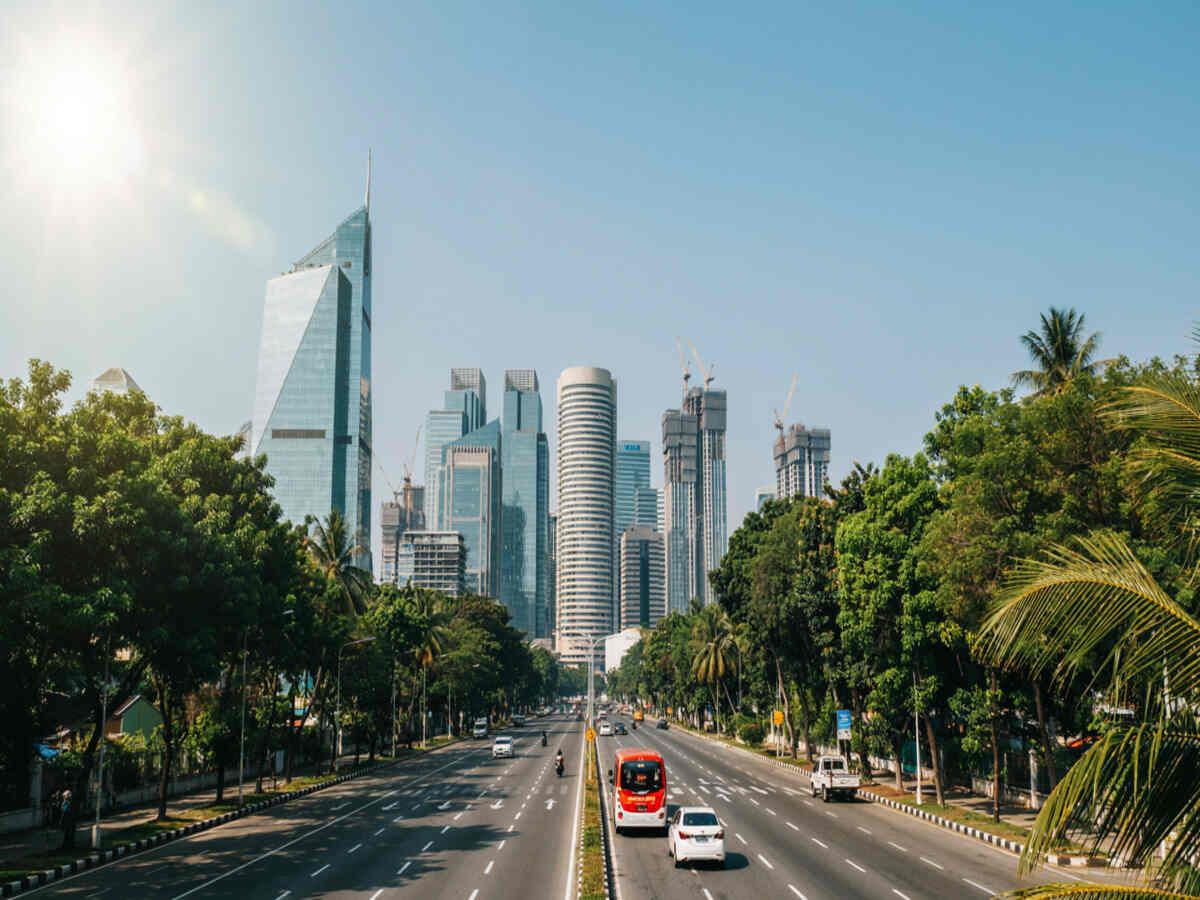
Tourism in Ethiopia surpasses one million visitors as Addis Ababa makes its presence felt in the important markets of Africa. Tourism in Ethiopia is gaining strength in 2026 because of the improved regional transport links with Kenya, South Africa, Uganda and others while Addis Ababa is playing an increased role as a gateway into Ethiopia. More than 1.6 million international tourists have been registered in Ethiopia’s last financial year, while the revenue generated from tourism was more than US$5 billion. Growth in tourism will be driven by new tourist spots, connectivity, business tourism, technology, eco resorts, heritage and better connections with African nations. Addis Ababa is becoming much more than a transit hub for travelers.
Ethiopia Pushes Tourism Beyond Traditional Heritage Travel
Ethiopia has long been known for historic churches, ancient civilisations, religious festivals, dramatic highlands and distinctive cultural traditions. In 2026, however, its tourism strategy is becoming significantly broader.
The country is developing a tourism economy that connects heritage with new resorts, conservation, aviation, technology, conferences, city redevelopment and regional travel.
The latest reported tourism performance provides important context. Ethiopia welcomed more than 1.6 million international tourists during the latest completed Ethiopian fiscal year announced in September 2026. Tourism generated more than US$5 billion, while international arrivals increased by more than 300,000 compared with the previous fiscal period.
Advertisement
Advertisement
Earlier in April 2026, authorities had reported more than 1.2 million international visitors during a preceding nine-month period, generating more than US$2 billion.
These figures show why tourism is increasingly being treated as an economic development sector rather than simply a leisure industry.
Advertisement
Advertisement
Kenya Becomes A Critical Regional Tourism Link
Kenya represents one of the clearest African markets supporting Ethiopia’s regional tourism ambitions.
Available figures associated with Ethiopia’s diplomatic representation in Nairobi showed Kenyan visitor numbers increasing substantially over recent years. Kenyan arrivals were estimated at roughly 30,000 to 35,000 in 2022/23 before climbing to around 55,000 to 65,000 during 2024/25.
Advertisement
Advertisement
Demand from the Kenyan market was also estimated to have increased by around 6% over the preceding year during 2026.
Geography plays an important role. Kenya and Ethiopia share strong economic, transport and cultural connections. Direct air services make Addis Ababa easily accessible from Nairobi, while qualifying Kenyan travellers benefit from visa-free access to Ethiopia for stays of up to 90 days.
Ethiopia also chose Nairobi as the first destination for a wider African tourism promotion campaign during 2026.
The programme brought together tourism officials, travel businesses, tour operators, media representatives and other industry participants. Familiarisation travel was included as Ethiopia sought to present its heritage, landscapes and emerging tourism products to regional audiences.
Advertisement
Advertisement
Kenya therefore offers Ethiopia something particularly valuable: a nearby source market with improving visitor numbers, established aviation access and the potential to generate repeat regional travel.
South Africa Strengthens Ethiopia’s Southern African Reach
South Africa plays a different but equally important role in Ethiopia’s tourism strategy.
Ethiopian Airlines already connects Addis Ababa with Johannesburg and Cape Town, giving Ethiopia direct access to one of Africa’s largest outbound travel and business markets.
Connectivity is expected to expand further when Ethiopian Airlines restores daily services between Addis Ababa and Durban from 11 December 2026.
Durban will become the airline’s third South African destination alongside Johannesburg and Cape Town.
Because the Durban route is scheduled to begin late in the year, it should be viewed as a future tourism catalyst rather than a source of existing visitor growth during the first nine months of 2026.
Advertisement
Advertisement
Nevertheless, stronger South African connectivity can support multiple tourism segments.
Leisure travellers gain another direct gateway into Ethiopia. Business passengers receive greater access to Addis Ababa. Conference delegates can connect more easily with international events in the capital. Ethiopian Airlines can also integrate South African passengers into wider itineraries across Ethiopia and the rest of its network.
South Africa consequently strengthens Ethiopia’s position within southern African travel flows while supporting Addis Ababa’s importance as a continental aviation hub.
Uganda Builds Tourism Through Cooperation And Exchange
Uganda is strengthening Ethiopia tourism through tourism diplomacy, industry cooperation and destination exchanges.
Unlike Kenya, no comprehensive official 2026 figure has been established showing the total number of Ugandan tourists entering Ethiopia. Uganda’s contribution is therefore better understood through partnerships rather than quantified arrivals.
During 2026, tourism familiarisation initiatives brought Ethiopian tour operators, travel professionals, media participants and potential investors into closer engagement with Uganda’s tourism industry.
Advertisement
Advertisement
These programmes were designed to encourage tourism cooperation, hospitality investment, aviation connections and joint destination promotion.
Uganda also participated in Oromia Tourism Week in Addis Ababa in September 2026.
Tourism businesses and institutional representatives used the event to develop cross-border partnerships and strengthen regional travel cooperation.
This relationship has broader significance for Ethiopia.
African tourism growth increasingly depends on travellers moving between neighbouring and regional destinations rather than relying exclusively on long-haul markets.
Closer cooperation with Uganda can therefore support multi-country itineraries, business tourism, cultural exchanges and stronger East African travel circuits.
Advertisement
Advertisement
Ghana Opens A Stronger West African Tourism Connection
Ghana is also becoming part of Ethiopia’s wider African tourism outreach.
Tourism and cultural promotion activities in Addis Ababa during 2026 brought Ghanaian tourism representatives, Ethiopian officials, hospitality stakeholders and investors together.
Discussions explored destination marketing, aviation, tourism investment, festivals and cultural exchanges.
The relationship offers Ethiopia an opportunity to deepen tourism links with West Africa.
Accra and Addis Ababa are important commercial and aviation centres within their respective regions. Stronger tourism cooperation could encourage travellers to combine business trips with cultural and leisure experiences.
Ghana’s role should not yet be described as a quantified leading source market because detailed 2026 arrival numbers have not been established.
Advertisement
Advertisement
Its importance instead lies in the development of a wider African tourism network around Ethiopia.
That network can gradually diversify Ethiopia’s visitor base beyond traditional long-haul markets and neighbouring East African countries.
Mauritius Adds New Leisure Connectivity
Mauritius entered Ethiopia’s regional tourism picture more strongly in July 2026 when Ethiopian Airlines launched direct services between Addis Ababa and Port Louis.
The route operates three times weekly.
Mauritius is one of Africa’s established island leisure destinations, while Ethiopia offers a completely different tourism proposition built around heritage, landscapes, culture, adventure and history.
Direct air access makes two-way tourism significantly easier.
Advertisement
Advertisement
Mauritian travellers gain a more convenient connection to Ethiopia, while Ethiopian and connecting passengers receive easier access to Mauritius.
The service also demonstrates how Ethiopian Airlines is being used as part of the country’s wider tourism-development strategy.
Rather than separating aviation and tourism, Ethiopia is increasingly linking the two.
Every new route creates another opportunity to position Addis Ababa as a stopover destination and Ethiopia as part of a wider African holiday itinerary.
Addis Ababa Rises From Transit Hub To Tourism Destination
Addis Ababa sits at the centre of Ethiopia’s tourism transformation.
The capital has traditionally benefited from enormous transit traffic because of Ethiopian Airlines and the country’s geographic position. The challenge has been converting passengers who change aircraft in Addis Ababa into visitors who stay longer and spend within the city.
Advertisement
Advertisement
New urban tourism developments are helping address that issue.
Arada Park, a 40-hectare development opened in 2026, includes approximately 15 hectares of green space, six kilometres of pedestrian routes and five kilometres of cycling and running tracks.
Restaurants, retail outlets, cultural spaces and family-oriented attractions further broaden the visitor experience.
The Entoto–Kechene Medhanealem Riverside Development Project adds another dimension. The 22.25-kilometre corridor combines restored landscapes with walking routes, cycling trails and hiking infrastructure.
Such projects are giving Addis Ababa additional attractions beyond its diplomatic, political and aviation functions.
Visitor numbers underline the opportunity.
Advertisement
Advertisement
During a six-month reporting period announced in early 2026, Addis Ababa received 699,761 international tourists. Tourism activity was estimated to generate approximately 155 billion birr for the city.
The capital also recorded roughly 4.9 million domestic tourists during the same period.
Conference Tourism Gives Addis Ababa Another Advantage
Ethiopia is also using Addis Ababa’s institutional importance to expand meetings, incentives, conferences and exhibitions tourism.
The capital is home to major organisations and conference facilities, including the African Union and the United Nations Economic Commission for Africa.
Tourism authorities provide support for conference bidding, event planning, venue selection, site inspections and pre- and post-conference travel programmes.
Addis Ababa reportedly hosted more than 221 international conferences during the latest concluded reporting year, compared with more than 150 during the previous period.
Advertisement
Advertisement
Conference travel can generate greater economic value than conventional short leisure visits because delegates spend on hotels, transport, restaurants, meeting facilities and organised excursions.
Ethiopia is also taking conference tourism beyond Addis Ababa.
The Arba Minch Conference Resort, inaugurated in July 2026, includes a conference hall capable of accommodating more than 1,300 participants.
This creates opportunities to combine business events with travel to southern Ethiopia.
New Eco Resorts Expand Ethiopia’s Tourism Map
One of Ethiopia’s most visible tourism-development strategies involves creating new destinations under the Dine for Generations initiative.
Projects include Denbi Eco Lodge, Shabeely Resort, Logo Hayk Resort, Niin Lee Palm Lodge and Haroo Dendi Lodge.
Advertisement
Advertisement
These developments are designed to spread tourism beyond established historic destinations and encourage visitors to explore previously underdeveloped regions.
Shabeely Resort covers approximately 385 hectares and includes accommodation, restaurants, parks, cultural facilities, meeting spaces and recreation areas.
Niin Lee Palm Lodge combines accommodation with conference facilities, natural attractions, lakes, hot-spring experiences and a walking trail extending approximately 3.2 kilometres.
Haroo Dendi Lodge, overlooking Dendi Crater Lake in Oromia, represents Ethiopia’s growing interest in nature-based and eco-tourism.
The lodge connects accommodation with landscape conservation and regional economic activity.
These projects support an important transformation. Ethiopia is no longer relying exclusively on heritage sites that have attracted travellers for decades. It is actively creating new tourism products.
Advertisement
Advertisement
Eight Hundred Attractions Could Reshape Destination Discovery
Tourism authorities have also been identifying and registering attractions around the country.
Approximately 800 tourism attractions have been recorded as part of this programme.
A pilot tourism-mapping initiative was completed in the Sidama Region, with wider national expansion planned.
Mapping is important because many tourism assets remain outside established travel circuits.
Improved identification can help tourism authorities understand what destinations exist, what infrastructure they require and how they can be connected to accommodation, roads, tour operators and digital platforms.
This creates opportunities for smaller communities to participate in tourism and reduces pressure on a limited number of internationally famous sites.
Advertisement
Advertisement
Digital Technology Becomes A New Tourism Tool
Technology represents another major change in Ethiopia’s 2026 strategy.
The country’s tourism policy places stronger emphasis on digital technology, artificial intelligence, data and smart visitor services.
A Smart Tourism Information Center has been established at the Ministry of Tourism headquarters.
Digital tools can support destination discovery, travel planning, visitor information, tourism marketing and management.
For Ethiopia, this matters because the country has hundreds of attractions spread across a vast and geographically diverse territory.
Technology can help travellers understand destinations before they arrive and make less familiar locations easier to discover.
Advertisement
Advertisement
Digitalisation can also support smaller tourism businesses by improving their visibility and linking them with domestic and international travellers.
Heritage Conservation Remains Central To Ethiopia’s Global Appeal
Modern tourism development is being expanded without abandoning the heritage that gives Ethiopia much of its international identity.
The country has 12 UNESCO World Heritage properties.
They include the Rock-Hewn Churches of Lalibela, Aksum, Simien National Park, Bale Mountains National Park, Harar Jugol and the Gedeo Cultural Landscape.
During 2026, Lalibela remained an important focus of heritage conservation and international cooperation.
An international visit involving more than 70 representatives from over 40 embassies, United Nations organisations and development partners connected cultural diplomacy with preservation of the site.
Advertisement
Advertisement
Heritage remains fundamental because Ethiopia possesses a tourism identity that cannot easily be replicated elsewhere.
The strategy increasingly involves protecting these assets while surrounding them with better connectivity, accommodation and visitor services.
Festivals Extend Ethiopia’s Tourism Season
Religious and cultural celebrations are also being integrated into longer tourism itineraries.
During Genna and Timket in 2026, tourism authorities worked with hotels, travel businesses and other stakeholders to develop visitor packages.
The aim was to connect major celebrations with surrounding destinations and emerging attractions.
This strategy can encourage international travellers to stay longer rather than visiting a festival and leaving immediately afterwards.
Advertisement
Advertisement
Longer stays increase demand for hotels, restaurants, guides, transport services and local experiences.
Festivals therefore become an entry point into the wider tourism economy.
Aviation Could Define Ethiopia’s Next Tourism Chapter
Ethiopian Airlines remains one of Ethiopia’s strongest tourism assets.
The airline’s extensive African and international network makes Addis Ababa accessible from dozens of major cities.
Its stopover programme allows qualifying passengers with connections between eight and 24 hours to receive accommodation and transfers, while tourism products can be added through Ethiopian Holidays.
Ethiopia has also planned far greater aviation capacity for the future.
Advertisement
Advertisement
Bole International Airport is approaching an expanded annual capacity of around 25 million passengers.
The proposed Bishoftu International Airport is planned to handle 60 million passengers annually during its initial phase, with a longer-term master-plan capacity reaching 110 million.
Although this is a long-term infrastructure project rather than an immediate 2026 tourism product, it illustrates the scale of Ethiopia’s ambition.
Ethiopia Builds A Broader African Tourism Future
Ethiopia’s 2026 tourism growth is ultimately being driven by multiple forces working together.
Kenya provides some of the clearest evidence of rising regional visitor demand. South Africa expands southern African aviation access. Uganda strengthens cross-border tourism cooperation. Ghana opens wider West African tourism relationships. Mauritius brings new direct leisure connectivity.
At the same time, Addis Ababa is adding parks, riverside developments, conference facilities and tourism services that encourage travellers to see the capital as a destination rather than simply an airport connection.
Advertisement
Advertisement
New eco-resorts are opening. Hundreds of attractions are being mapped. Heritage conservation remains active. Digital technology is entering tourism management. Ethiopian Airlines continues expanding access.
With international tourist arrivals moving beyond 1.6 million during the latest reported fiscal year and tourism revenue exceeding US$5 billion, Ethiopia is seeking to translate its extraordinary cultural and natural assets into a broader and more competitive tourism economy.
Tourism in Ethiopia surpasses one million travelers as Addis Ababa becomes more prominent with better travel connections to Africa in 2026.
It is not being developed in reliance on any one particular attraction or market for tourists. It is developing through better travel connections to Africa, new destinations, improved visitor facilities, investments in hospitality, and the rising prominence of Addis Ababa.
Advertisement
