
Slovakia Prepares New Winter-Style Experiences as Bratislava and Regional Cities Attract Fashion-Loving Travellers

Published
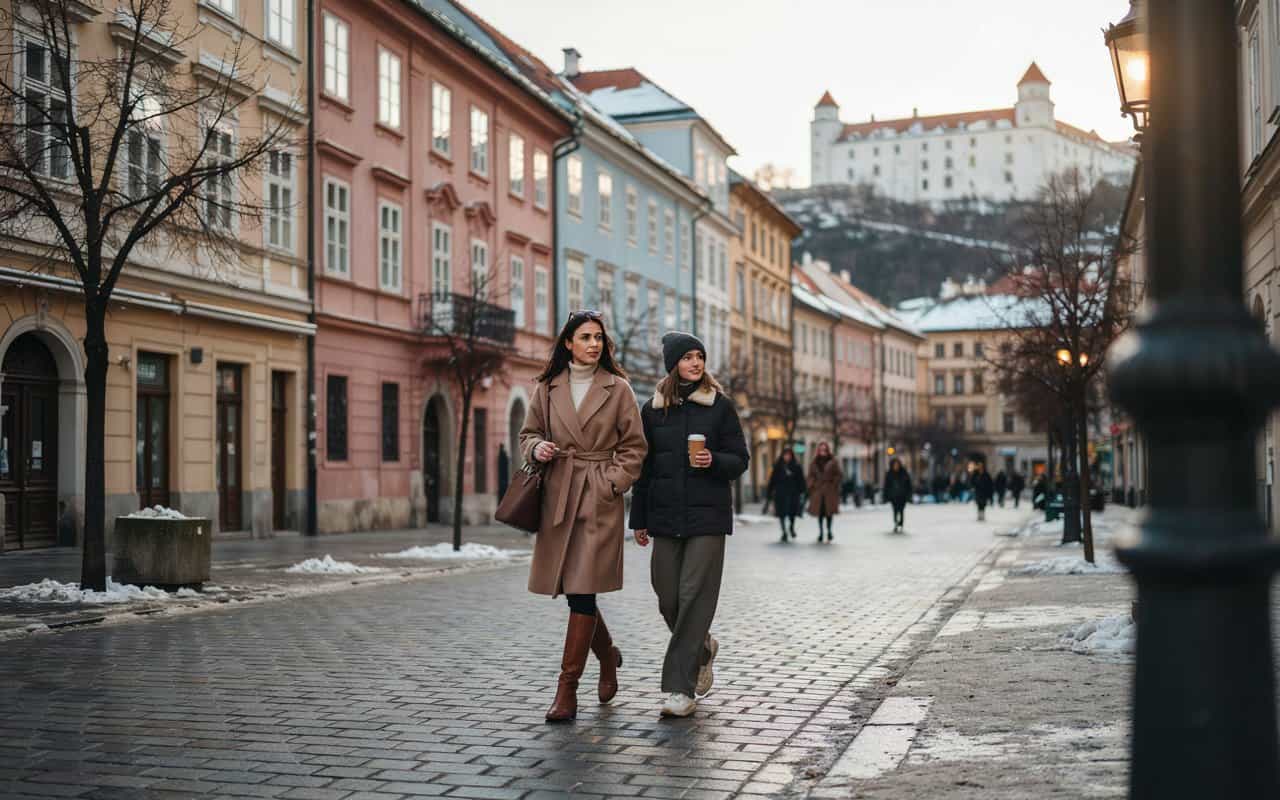
Slovakia is preparing for a new winter travel season where fashion is becoming a stronger part of the visitor experience. From the historic streets of Bratislava to the mountain landscapes surrounding Poprad and Liptovský Mikuláš, destinations are blending seasonal tourism with style, design and local identity. Instead of following traditional fashion capitals, Slovak cities are creating a unique winter tourism model built around handmade products, winter clothing, artisan traditions, boutique shopping and lifestyle experiences. As travellers increasingly search for meaningful journeys, Slovakia’s combination of culture, nature and seasonal fashion experiences is creating new opportunities for winter tourism growth in 2026.
Slovakian Cities Preparing for Winter Special Fashion Tourism 2026
| Slovakian City | Winter Fashion Tourism Potential 2026 | Key Winter Fashion Experiences | Main Attractions for International Visitors | Target Tourist Segment | Tourism Advantage |
|---|---|---|---|---|---|
| Bratislava | Slovakia’s strongest urban destination for winter fashion tourism | Christmas markets, designer boutiques, luxury shopping centres, Slovak handicrafts, winter street style experiences | Old Town winter atmosphere, Bratislava Castle, festive markets, cafés, galleries and shopping districts | Fashion travellers, city-break visitors, luxury travellers, cultural tourists | Combines European city fashion with historic winter charm |
| Košice | Emerging cultural fashion destination with creative industries | Local designer showcases, independent boutiques, craft products, winter cultural events | Historic centre, St Elizabeth Cathedral, galleries, cultural venues and festive programmes | Creative travellers, millennials, culture-focused visitors | Strong arts identity supports fashion and lifestyle tourism |
| Žilina | Winter lifestyle destination linked with mountain fashion trends | Outdoor fashion, winter clothing brands, artisan products, regional design | Gateway to Malá Fatra mountains, winter activities, traditional markets | Adventure travellers, outdoor fashion tourists | Connects winter sports style with nature tourism |
| Poprad | High potential for winter fashion linked with mountain tourism | Ski fashion, thermal resort lifestyle, winter accessories, outdoor apparel shopping | Tatra Mountains access, wellness resorts, winter sports experiences | Ski tourists, wellness travellers, premium winter visitors | Links fashion with luxury mountain experiences |
| Banská Bystrica | Heritage-based winter fashion destination | Traditional Slovak textiles, handmade products, Christmas markets, folk-inspired fashion | Historic squares, museums, regional crafts and winter events | Cultural tourists, heritage travellers | Offers authentic Slovak fashion identity |
| Trnava | Boutique city-break destination for winter lifestyle tourism | Small boutiques, local products, festive shopping experiences | Historic old town, churches, cafés and seasonal markets | Short-break travellers, couples, European visitors | Combines shopping with heritage tourism |
| Nitra | Traditional culture-driven fashion tourism opportunity | Folk costume heritage, regional crafts, winter cultural events | Nitra Castle, museums, traditional Slovak culture | Heritage tourists, slow travellers | Promotes authentic national design elements |
| Liptovský Mikuláš | Mountain winter fashion hub | Ski wear, outdoor lifestyle clothing, winter accessories | Jasná ski region access, caves, wellness centres and mountain activities | Ski tourists, adventure travellers | Strong connection between winter sports and fashion |
| Prešov | Growing creative and cultural tourism destination | Local crafts, independent designers, seasonal markets | Historic streets, cultural events and regional traditions | Cultural explorers and younger travellers | Supports regional creative economy |
Why Is Slovakia Emerging as a New Winter Fashion Tourism Destination in 2026?
Slovakia is gaining attention as a winter fashion tourism destination because it offers a different approach compared with established European fashion hubs. The country’s appeal comes from combining fashion with authentic travel experiences rather than focusing only on luxury shopping or designer events.
Advertisement
Advertisement
Winter visitors are increasingly interested in destinations where clothing, culture and lifestyle connect. Slovakia’s historic cities, traditional crafts and mountain regions provide this combination. Travellers can explore Christmas markets, discover handmade accessories, experience regional textiles and purchase locally produced winter products while enjoying cultural attractions.
The growth of experience-based travel is supporting this trend. Many international visitors now seek destinations where they can understand local identity through food, architecture, crafts and fashion. Slovak cities are benefiting from this shift because traditional clothing, regional designs and winter lifestyles remain closely linked with local communities.
Advertisement
Advertisement
In 2026, winter fashion tourism is expected to develop around several key themes. These include sustainable fashion, outdoor clothing, artisan production, festive shopping and heritage-inspired designs. Slovakia’s smaller cities are also gaining importance because they provide more personal and authentic experiences compared with crowded European capitals.
The country’s winter tourism strength comes from diversity. Visitors can experience urban fashion scenes in Bratislava, creative communities in Košice, mountain-inspired styles in northern regions and traditional craftsmanship in heritage cities.
Advertisement
Advertisement
How Is Bratislava Leading Slovakia’s Winter Fashion Tourism Growth?
Bratislava is expected to remain the central gateway for Slovakia’s winter fashion tourism in 2026 due to its international connectivity, historic atmosphere and growing lifestyle appeal. The capital city offers the strongest combination of shopping, culture, seasonal events and modern urban experiences.
During winter, Bratislava transforms into a festive destination with Christmas markets, illuminated streets and historic squares attracting visitors from across Europe and beyond. These seasonal events create opportunities for local producers, designers and craft businesses to showcase handmade products, winter accessories and traditional Slovak items.
Advertisement
Advertisement
The city’s fashion tourism appeal is also supported by its boutique shopping environment. Visitors can combine sightseeing with fashion discovery by exploring local stores, independent designers and shopping districts. This creates a city-break experience where visitors do not simply purchase products but connect them with Slovak culture.
Bratislava’s historic Old Town adds another dimension to winter fashion travel. Traditional architecture, cafés, galleries and cultural venues provide a backdrop for seasonal tourism experiences. The combination of heritage and modern lifestyle makes the city attractive for travellers searching for European winter charm.
In 2026, Bratislava is expected to strengthen its position as the first stop for international visitors seeking a combination of festive atmosphere, shopping and cultural exploration.
Can Košice Become Slovakia’s Creative Winter Fashion Hub?
Košice is developing a strong position as a creative destination where fashion, art and culture meet. The eastern Slovak city offers a different winter tourism experience based on creativity, independent businesses and local identity.
Advertisement
Advertisement
The city’s historic centre provides an attractive environment for winter visitors. Streets, cultural venues and traditional buildings create a setting where visitors can explore local products and creative industries. Unlike large commercial shopping destinations, Košice offers a more personalised experience focused on independent creators.
Winter fashion tourism in Košice is expected to benefit from growing interest in sustainable and locally produced goods. Modern travellers are increasingly looking for products with stories behind them, including handmade items, regional designs and environmentally responsible fashion.
The city’s cultural reputation also supports this development. Museums, galleries and cultural events provide additional reasons for visitors to stay longer and explore beyond traditional sightseeing.
Košice represents the future direction of fashion tourism in smaller European cities. Its appeal is based not on competing with global fashion capitals but on offering authenticity, creativity and cultural depth. For winter 2026, the city has strong potential to attract visitors interested in discovering Slovakia’s emerging design scene.
Why Are Poprad and the High Tatras Becoming Winter Lifestyle Fashion Destinations?
Poprad and the surrounding High Tatras region are expected to attract winter fashion tourists through the growing connection between outdoor activities, wellness and premium lifestyle experiences.
Modern winter travellers are increasingly interested in functional fashion. Ski clothing, outdoor equipment and mountain-inspired styles have become part of the overall travel experience. Visitors want clothing that represents adventure, comfort and quality while also reflecting personal style.
Advertisement
Advertisement
Poprad benefits from its location as a gateway to the High Tatras, one of Slovakia’s most important mountain regions. Ski resorts, wellness facilities and nature experiences create a strong environment for winter lifestyle tourism.
The region’s fashion appeal is connected with luxury mountain travel. Visitors can combine skiing or hiking with wellness stays, stylish accommodation and shopping for winter products. This creates a broader experience where fashion becomes part of the holiday identity.
In 2026, mountain fashion tourism is expected to continue growing as travellers search for destinations offering active experiences. Poprad’s combination of nature, wellness and winter culture positions it as one of Slovakia’s strongest destinations for outdoor lifestyle fashion.
How Are Žilina and Liptovský Mikuláš Supporting Outdoor Winter Fashion Trends?
Northern Slovak cities such as Žilina and Liptovský Mikuláš are benefiting from the increasing popularity of outdoor tourism and adventure-based travel. These destinations represent a new form of winter fashion tourism focused on performance clothing, mountain lifestyles and active experiences.
The popularity of skiing, hiking and winter sports has changed how travellers view fashion. Outdoor clothing is no longer only practical equipment. It has become part of lifestyle expression, with visitors choosing brands and designs that reflect adventure and personal identity.
Žilina provides access to mountain areas and offers visitors opportunities to experience regional culture alongside outdoor activities. Liptovský Mikuláš benefits from its connection with major winter tourism areas, including ski destinations and wellness attractions.
Advertisement
Advertisement
The cities can attract visitors through winter sports clothing, local products and mountain-inspired experiences. This approach connects tourism spending with regional businesses, accommodation providers and local retailers.
For 2026, these northern destinations are expected to strengthen their role in Slovakia’s winter tourism economy by combining adventure travel with fashion trends.
Can Traditional Slovak Craftsmanship Drive Winter Fashion Tourism Growth?
Traditional craftsmanship is expected to play an important role in Slovakia’s winter fashion tourism development. Cities such as Banská Bystrica and Nitra offer opportunities for visitors to experience Slovakia’s cultural identity through handmade products and traditional designs.
Many travellers now prefer authentic souvenirs and locally created items instead of standard commercial products. Slovak crafts, including textiles, embroidery and handmade accessories, provide a connection between tourism and cultural preservation.
Banská Bystrica offers a strong heritage environment where visitors can explore traditional products alongside historic attractions. Nitra also has potential through its cultural traditions and connection with Slovak history.
These destinations demonstrate how fashion tourism can support local communities. Traditional skills can become part of modern tourism experiences by combining heritage designs with contemporary styles.
Advertisement
Advertisement
In 2026, heritage-based fashion tourism may become an important attraction for travellers seeking meaningful experiences. Slovakia’s traditional craftsmanship provides a unique identity that separates the country from larger European fashion destinations.
What Future Does Slovakia’s Winter Fashion Tourism Have Beyond 2026?
Slovakia’s winter fashion tourism sector is expected to grow by connecting several travel trends, including sustainability, cultural tourism, outdoor experiences and local design. The country’s cities are creating a diverse tourism network where every destination offers a different style experience.
Bratislava provides urban fashion and festive shopping. Košice represents creativity and independent design. Poprad delivers mountain lifestyle experiences. Northern regions highlight outdoor fashion, while heritage cities preserve traditional craftsmanship.
This combination creates a distinctive winter tourism model based on authenticity rather than competition with global fashion capitals. International travellers are increasingly searching for destinations that offer stories, culture and personal experiences.
As Slovakia prepares for winter 2026, fashion is becoming an important element of its tourism identity. By combining local traditions with modern travel expectations, Slovak cities are creating new opportunities for visitors and regional businesses.
The future of Slovakia’s winter fashion tourism will depend on how effectively cities promote their unique identities while protecting the cultural and natural resources that make them attractive.
Advertisement
