
Rome Strengthens Tourism Management Efforts as Trevi Fountain and Colosseum See Record Visitor Numbers, Protecting Cultural Heritage Amid Growing Global Interest – Everything You Need to Know

Published
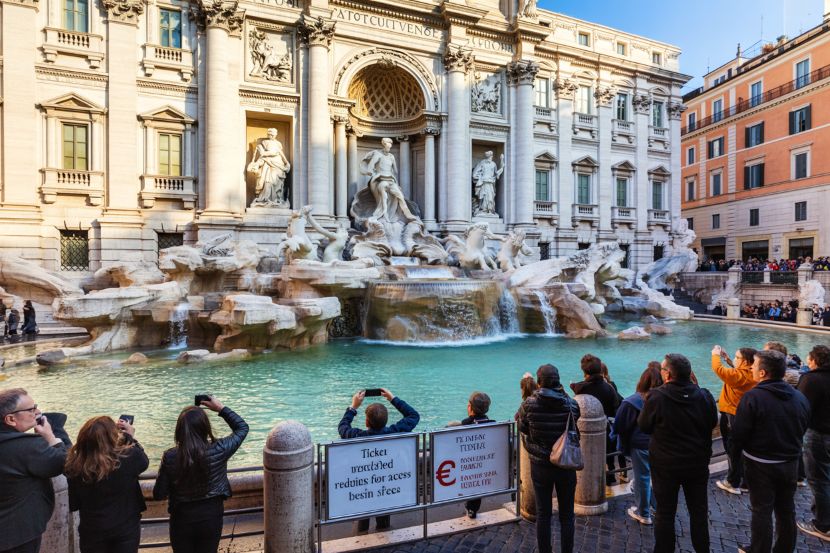 Image generated with Ai
Rome, the heart of Italy’s tourism industry and the epitome of ancient cultural grandeur, continues to see an unprecedented surge in visitors. In 2025, the Eternal City welcomed an all-time high of 22.9 million tourists, setting a new record for international travelers seeking to explore its world-renowned historical and architectural wonders. However, as Rome’s popularity skyrockets, so too does the challenge of preserving its priceless landmarks and managing the overwhelming crowds.
To address these growing concerns, Rome’s authorities have ramped up their efforts to protect its historical treasures, including the iconic Trevi Fountain and the Colosseum, while still ensuring that they remain accessible to the public.
Historic Sites Draw Millions of Tourists: The Surge in Visitors
Rome’s landmarks, like the Trevi Fountain and the Colosseum, are magnets for tourists from across the globe. These ancient sites symbolize the city’s rich cultural heritage and its reputation as a must-see destination for travelers. Last year alone, the Trevi Fountain drew millions of visitors, making it one of the most visited sites in Italy.
While this influx of visitors fuels the local economy, it has also created challenges for city authorities who must balance maintaining the city’s appeal with the need for cultural preservation.
Advertisement
Advertisement
Introducing a Ticketing System for the Trevi Fountain: A Step Toward Sustainable Tourism
In an effort to protect the 264-year-old Trevi Fountain, Rome has introduced a 2-euro ticket system for tourists hoping to access the fountain’s lower basin. The ticket requirement, which began in early 2026, aims to manage visitor flow and reduce overcrowding at one of the city’s most beloved landmarks. The ticket revenue will go toward the upkeep, security, and maintenance of the fountain, ensuring that it remains a symbol of Rome’s legacy for future generations.
This system is already proving effective. In just one month, 230,000 tickets were sold, highlighting the overwhelming popularity of the landmark despite the small cost. Tourists, while initially skeptical, have expressed that the fee is modest and reasonable, especially when compared to the cultural value of experiencing such a renowned site.
Advertisement
Advertisement
The Colosseum: Preservation Efforts Amid Growing Numbers
In addition to the Trevi Fountain, Rome’s Colosseum also attracts millions of tourists each year. This ancient amphitheater, with its grand history and architectural beauty, serves as a reminder of Rome’s glorious past. As more visitors flock to see the Colosseum, city authorities have expanded efforts to preserve the site.
One innovative solution has been the introduction of the Colosseum Metro Station, which is now home to a museum-style exhibit showcasing ancient artifacts uncovered during subway construction. Not only does this contribute to the preservation of Rome’s history, but it also provides a unique cultural experience for those traveling by metro. The museum station received over 1 million visitors within the first month of its opening, proving that modern transportation infrastructure can be integrated with cultural heritage in a way that benefits both tourists and the city’s economy.
Advertisement
Advertisement
Rome’s Tourism Management: Balancing Preservation and Accessibility
Managing the delicate balance between cultural preservation and tourism accessibility is no easy feat, but Rome is taking crucial steps to ensure the continued success of both. With millions of visitors flocking to the city each year, city authorities are introducing measures that cater to tourists while maintaining the integrity of historical sites.
At the newly revamped Colosseum Metro Station, visitors can enjoy free access to the museum-style exhibit, providing an engaging glimpse into ancient Roman culture while avoiding overcrowding in more traditional tourist attractions. It’s a prime example of how modern infrastructure can enrich the travel experience while promoting sustainable tourism in a historic city.
Tourism Management Tips for Visitors to Rome
For those planning a trip to Rome in the coming years, there are several tips to make the most of their experience while helping to preserve the city’s heritage:
- Plan Ahead: With increasing numbers of tourists visiting Rome, it’s crucial to book tickets for major attractions like the Trevi Fountain or Colosseum in advance. This will not only save time but also contribute to managing crowds effectively.
- Respect the Landmarks: Visitors are encouraged to treat Rome’s historical sites with respect. Sitting or eating near the Trevi Fountain, for example, is now prohibited. Taking part in these activities can damage the sites and is detrimental to the overall visitor experience.
- Explore Lesser-Known Attractions: While iconic landmarks are a must-see, consider visiting hidden gems such as the Vatican Museums, Piazza Navona, or the Basilica di San Clemente to avoid crowded areas and enjoy a more intimate travel experience.
Rome’s Vision for the Future: Sustainable Tourism Practices
Rome is not alone in grappling with the pressures of mass tourism. Across Europe, cities like Venice, Paris, and Barcelona are also implementing measures to manage their historic sites amid rising tourism. However, Rome’s approach focuses on both visitor experience and site preservation, ensuring that its historical legacy is respected and maintained for generations to come.
Advertisement
Advertisement
The introduction of ticketing for popular sites and the development of new tourist-friendly infrastructure reflect Rome’s commitment to sustainable tourism practices that benefit both tourists and locals. With continuous monitoring and cooperation between city management, heritage authorities, and the tourism industry, Rome is setting an example for how cities can preserve their cultural heritage without compromising the needs of travelers.
Looking Forward: The Future of Rome’s Tourism Industry
As the number of visitors continues to rise, Rome’s efforts to regulate tourism will likely expand to other historic sites across the city. While no additional fees are planned for now, it remains to be seen whether similar systems will be implemented at places like the Pantheon or Roman Forum.
One thing is certain: Rome’s commitment to preserving its history while providing accessible tourism experiences will continue to shape the city’s future in a way that benefits both residents and visitors alike.
Advertisement
