

Southwest Airlines Eyes Boeing 787 Jets for US Long-Haul Flights as Global Travel Ambitions Gather Pace

Published
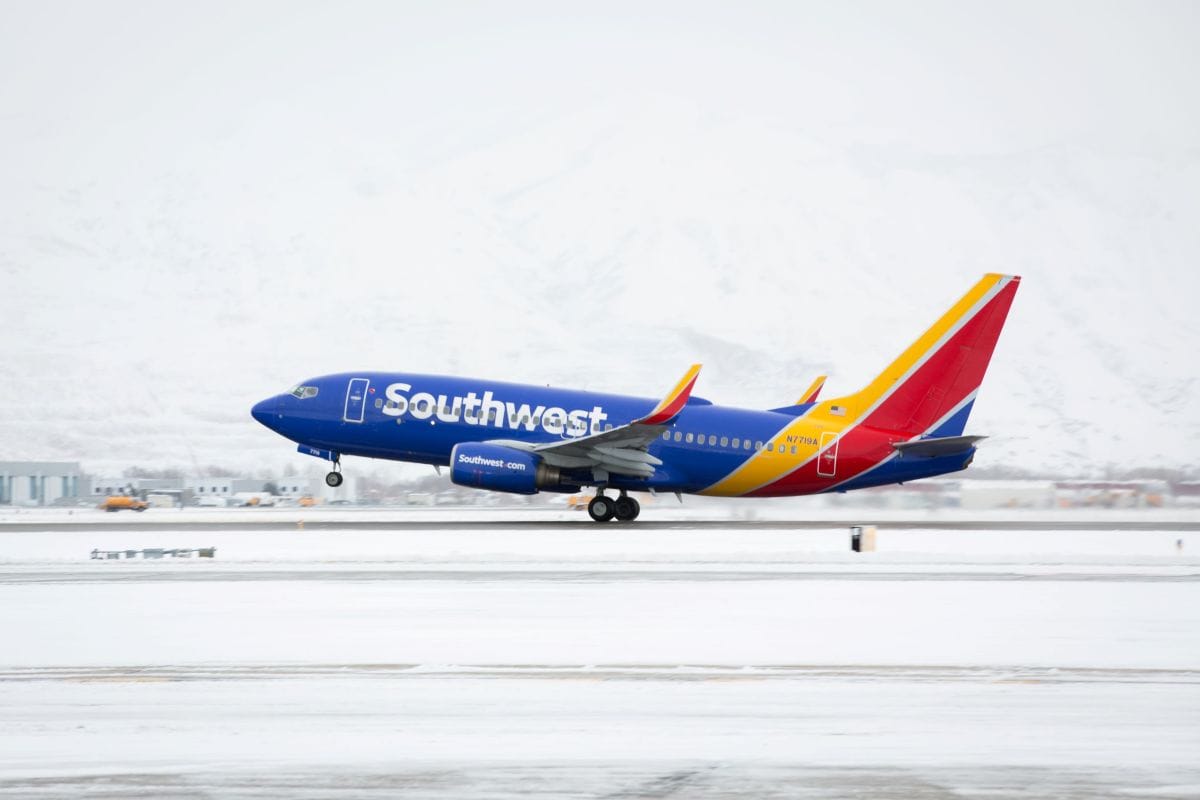
Southwest Airlines is considering Boeing 787 Dreamliners for a potential long-haul international expansion, signalling a significant shift in its traditionally domestic-focused business model. The airline has reportedly discussed launching services within roughly three years, although its board has yet to approve an aircraft choice or final network strategy. The move could open new travel options between the United States and overseas destinations while intensifying competition with established transatlantic and transpacific operators. Southwest has also explored aircraft availability through leasing companies and the secondary market, potentially accelerating its entry into long-distance flying. However, aircraft procurement, regulatory approvals, pilot training and labour negotiations could determine when passengers actually see these services.
A Fleet Decision That Could Redraw International Travel
Southwest’s potential move into widebody operations represents more than an aircraft purchase. It would mark a strategic departure from a fleet model built around the Boeing 737 and relatively short-haul operations.
Advertisement
Advertisement
The reported discussions include the possibility of acquiring dozens of 787s. However, the aircraft variant, final fleet size and acquisition arrangements remain unconfirmed. Southwest has not announced new long-haul routes or opened bookings for these services.
The timing also presents a challenge. Boeing’s 787 production capacity is reportedly committed through the end of the decade. Consequently, leasing or acquiring previously operated aircraft could prove important if Southwest wants to introduce international services within approximately three years.
Advertisement
Advertisement
The airline’s board would ultimately decide whether to proceed. Its Fleet Oversight Committee, established in 2025, provides additional oversight of aircraft acquisition strategy.
Why the Boeing 787 Could Fit Southwest’s Plans
The 787 Dreamliner offers capabilities that differ substantially from those of Southwest’s existing narrowbody fleet. Its widebody design accommodates long-distance journeys and larger international passenger operations.
Advertisement
Advertisement
The aircraft family includes the 787-8, 787-9 and 787-10. Each variant offers different combinations of passenger capacity, range and operating economics. However, the reported discussions have not identified which version Southwest might select.
The 787-9 could be a candidate for a network requiring a balance between long-distance capability and passenger capacity. Nevertheless, this remains an analytical possibility rather than a confirmed selection.
Advertisement
Advertisement
A widebody aircraft could allow Southwest to serve destinations beyond the practical reach of its current fleet. It could also support routes where passenger demand justifies larger aircraft and direct connections.
The airline would need to assess more than range alone. Route profitability would depend on passenger demand, aircraft utilisation, fuel consumption, airport charges and competition. Seasonal demand would also influence whether particular international services could operate throughout the year.
Chief Executive Bob Jordan indicated in May 2026 that eight to 12 long-haul destinations could cover much of the international travel demand among Southwest customers. This suggests a focused network rather than an attempt to replicate the global reach of larger US competitors.
However, the airline has not confirmed which countries or cities could feature in such a network.
Advertisement
Advertisement
Boeing and Airbus Face a Strategic Contest
Southwest’s potential fleet decision also places Boeing and Airbus in competition for a significant new customer relationship. The airline currently operates an all-Boeing 737 fleet, giving Boeing an established position in its operations.
Airbus has reportedly presented alternatives, including the A321XLR and A330neo for international flying. The smaller A220 has also featured in discussions about other parts of Southwest’s network.
These aircraft serve different purposes. The A321XLR is a long-range narrowbody, while the A330neo is a widebody aircraft. The A220, meanwhile, targets smaller passenger markets and shorter or medium-length routes.
| Aircraft | Manufacturer | Category | Potential network role |
|---|---|---|---|
| 787 Dreamliner | Boeing | Widebody | Long-haul international services |
| A321XLR | Airbus | Long-range narrowbody | Long-distance routes with lower capacity requirements |
| A330neo | Airbus | Widebody | International routes requiring larger capacity |
| A220 | Airbus | Small narrowbody | Lower-capacity domestic or regional routes |
These are general aircraft capabilities, not confirmed Southwest procurement selections.
Choosing Boeing could preserve the airline’s relationship with its existing manufacturer. Nevertheless, introducing the 787 would still require a separate aircraft family, with new training, maintenance procedures and operational capabilities.
Selecting Airbus would add further complexity because Southwest would introduce a different manufacturer’s aircraft into its fleet. That could create additional requirements for spare parts, engineering support and crew training.
Advertisement
Advertisement
Fleet commonality alone cannot determine the outcome. Southwest would need to compare acquisition costs, delivery schedules, operating economics, aircraft availability and the commercial suitability of each model.
Aircraft Availability Could Determine Launch Timing
Aircraft supply represents one of the most important uncertainties surrounding Southwest’s proposed expansion. The airline reportedly wants to begin long-haul operations within roughly three years, but new-build aircraft may not arrive quickly enough.
Boeing’s reported production backlog makes the secondary market particularly relevant. Southwest has explored whether lessors or other aircraft owners could provide Dreamliners before new production slots become available.
Leasing could reduce the wait for aircraft and spread some acquisition costs across the operating period. However, suitable aircraft would still need to be available, technically appropriate and commercially viable.
Previously operated aircraft could offer a faster entry route. Yet their age, cabin configuration, maintenance history and remaining economic life would influence their suitability.
| Acquisition route | Potential advantage | Principal consideration |
|---|---|---|
| New Boeing 787 deliveries | Aircraft configured for the airline’s requirements | Delivery slots and production constraints |
| Aircraft leasing | Potentially faster access without outright purchase | Lease costs, availability and contractual conditions |
| Secondary-market acquisition | Possible access to aircraft before new deliveries | Maintenance condition, refurbishment and remaining service life |
Southwest has not disclosed a final acquisition strategy or identified any aircraft secured for the proposed network. These options remain under consideration rather than confirmed arrangements.
Advertisement
Advertisement
Aircraft availability would also influence route planning. The airline would need enough aircraft to operate scheduled services while allowing for maintenance, operational disruptions and seasonal demand.
Furthermore, securing aircraft would not automatically establish a launch date. Southwest would still need to complete the necessary operational preparations and demonstrate that the network could generate sustainable returns.
What the Expansion Means for Travellers
For passengers, the most significant potential benefit would be more direct international travel options within Southwest’s network. Depending on the routes selected, customers could gain alternatives to services operated by larger US and international airlines.
A direct flight can reduce the inconvenience of connecting through a major hub. It may also make certain journeys more attractive to leisure travellers visiting family, exploring overseas destinations or planning longer holidays.
However, Southwest has not announced any destinations, ticket prices or schedules. Travellers should therefore treat the expansion as a developing fleet strategy, not an imminent booking opportunity.
The carrier could initially prioritise markets with strong demand from its existing customer base. Its extensive domestic network could potentially feed passengers into selected long-haul departures, although the precise connection model remains unknown.
Advertisement
Advertisement
For tourism businesses, the development could eventually create opportunities in destination marketing, accommodation distribution and holiday packaging. Airports seeking additional US connections could also monitor Southwest’s fleet decision closely.
The benefits would depend on the final route map. A new service only improves connectivity when its schedule, fares and onward transport options suit travellers’ needs.
How Southwest’s Business Model Is Changing
The potential international expansion follows a wider transformation of Southwest’s customer proposition. The airline has introduced significant changes to seating, fare products and loyalty benefits as it seeks to attract customers with different travel preferences.
On 27 January 2026, Southwest introduced assigned seating and extra-legroom seating for operating flights. Its revised seating model includes Standard, Preferred and Extra Legroom options, replacing the carrier’s historic open-seating approach.
The airline has also expanded fare choices and developed additional benefits for selected loyalty customers. These changes provide useful context for its consideration of longer international journeys, where passenger expectations around seating choice and cabin comfort can be particularly important.
The following table summarises the broader strategic shift.
Advertisement
Advertisement
| Business area | Previous position | Direction of development |
|---|---|---|
| Fleet | Boeing 737-only operations | Potential introduction of Boeing 787 widebodies |
| Seating | Open seating | Assigned seats and differentiated seating options |
| Customer proposition | Strong emphasis on domestic value and simplicity | Broader choice of fares and seating experiences |
| International reach | Domestic and near-international markets | Potential expansion into long-haul markets |
| Loyalty | Rapid Rewards programme | Continued development of loyalty and co-branded card benefits |
Southwest’s 2025 annual report recorded 803 Boeing 737 aircraft and service to 117 destinations at 31 December 2025. Its network covered 42 US states, the District of Columbia, Puerto Rico and ten near-international countries.
Those figures demonstrate the scale of the existing operation. They also highlight how significantly a widebody introduction could change the airline’s fleet requirements and operating model.
Nevertheless, long-haul expansion would not automatically mean Southwest intends to abandon its established domestic strategy. Instead, it could complement the existing network with a carefully selected group of overseas destinations.
Regulatory and Operational Hurdles Remain
Introducing a new aircraft type involves considerably more than acquiring jets. Southwest would need to establish appropriate operating procedures, maintenance arrangements and crew training programmes for its proposed widebody operations.
The airline has acknowledged that adding a new aircraft type could require regulatory approvals and negotiations with labour representatives. Its pilots’ union has also indicated that discussions have included both larger aircraft and long-range narrowbody options.
The Federal Aviation Administration oversees relevant aircraft certification and operational safety requirements. Southwest would need to satisfy the requirements applicable to its intended operations and aircraft configuration.
Advertisement
Advertisement
Practical preparations could include developing widebody pilot training, establishing maintenance capabilities and arranging access to spare parts. The airline would also need to review airport facilities, ground handling and international operating procedures.
Labour agreements would form another important part of the process. Pilot qualifications, pay structures, work rules and staffing arrangements may require negotiation before the airline introduces a new aircraft family.
Consequently, the reported three-year horizon should not be interpreted as a guaranteed launch date. Fleet availability and operational readiness will both influence the timetable.
What Travellers Should Watch Next
The next meaningful milestone would be a formal announcement from Southwest identifying its aircraft choice or confirming a procurement agreement. Such an announcement would clarify whether the airline intends to acquire new aircraft, lease existing jets or combine both approaches.
Travellers should also watch for the announcement of specific destinations. Until Southwest confirms routes, there is no reliable basis for estimating journey times, fares or departure frequencies.
| Potential milestone | Why it matters |
|---|---|
| Formal aircraft selection | Confirms the aircraft family underpinning the expansion |
| Lease or purchase announcement | Indicates how quickly aircraft might become available |
| Regulatory and operational preparations | Signals progress towards launch |
| Route announcements | Identifies destinations and potential travel opportunities |
| Booking availability | Confirms when passengers can make reservations |
Southwest could eventually use its domestic network to connect travellers with a focused long-haul operation. However, commercial success would depend on route selection, aircraft economics and competitive pricing.
Advertisement
Advertisement
For tourism operators, the opportunity lies in preparing for potential new connectivity without assuming that unannounced routes will materialise. Airlines, airports and destination marketing organisations will need to assess demand once Southwest provides firmer details.
A New Chapter for US International Travel
Southwest’s consideration of the Boeing 787 could mark a pivotal moment in its evolution from a predominantly domestic airline into a more internationally connected carrier. The reported plan combines potential fleet expansion with broader changes to seating, fares and customer loyalty.
Nevertheless, the airline has not confirmed an aircraft order, specific destinations or a launch date. Aircraft availability, regulatory preparation and labour agreements will shape the next phase. For travellers, the immediate development is strategic rather than practical, with no new long-haul services available to book on the strength of these discussions alone.
The next announcements will determine whether this ambition becomes a meaningful new option for international travel.
Advertisement
