
Ryanair Forces One Hundred Seventy Flights Cancellations in France as Air Traffic Controllers’ Strike Threatens to Disrupt European Travel, Stranding Thousands of Passengers

Published
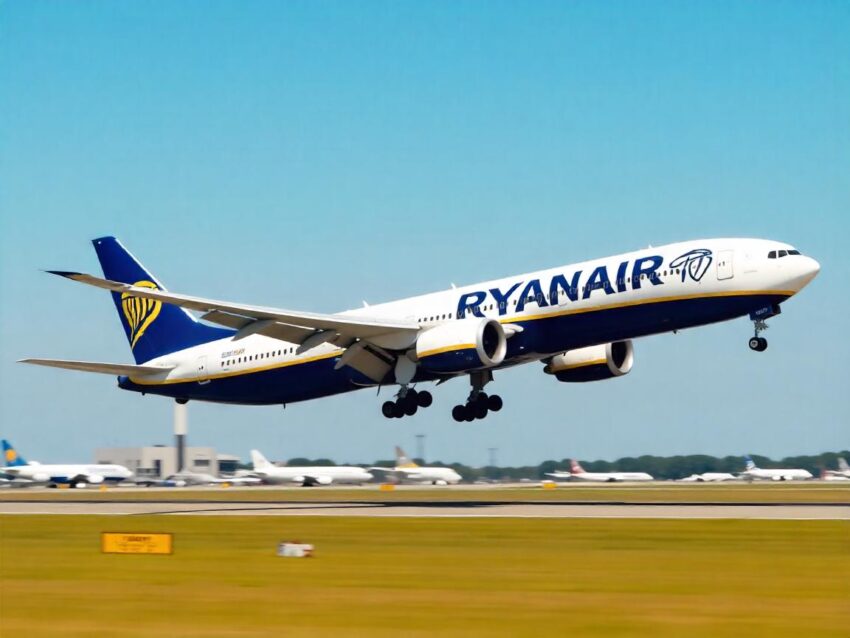 Image generated with Ai
France is bracing for significant travel disruptions as Ryanair cancels 170 flights, affecting the travel plans of over thirty thousand passengers. The cancellations come ahead of a looming strike by French air traffic controllers, set to begin later this week, which will severely impact flights passing through French airspace. French authorities have already requested airlines to reduce their flight schedules by 40% at Paris airports, leading to these flight cancellations. With this industrial action expected to cause widespread delays and cancellations, travelers are facing an uncertain journey across Europe. Ryanair, in response, has called for urgent reforms to air traffic control services to avoid such disruptions in the future.
Ryanair Cancels 170 Flights as French Air Traffic Controllers Prepare to Strike, Affecting Over 30,000 Passengers
Ryanair, Europe’s largest airline by passenger numbers, has been forced to cancel 170 flights ahead of a French air traffic controllers’ strike, affecting over 30,000 passengers. The industrial action, scheduled to begin later this week, is expected to cause widespread disruption, with flights passing through French airspace set to experience significant delays and cancellations. This latest disruption highlights ongoing issues with air traffic control services in Europe, with Ryanair calling for urgent reforms to ensure the resilience of the aviation industry.
French Air Traffic Controllers’ Strike
The looming strike is set to begin late Thursday, with French air traffic controllers walking off the job in protest. In response, French authorities have requested that airlines reduce their flight schedules by 40% at Paris airports on Friday, contributing to the decision by Ryanair to cancel its flights. The action is expected to cause serious disruption across European airspace, with French air traffic controllers overseeing critical routes connecting to and from the country. Ryanair’s cancellations are just one of the many impacts airlines and passengers can expect as the strike unfolds.
Advertisement
Advertisement
While strikes in France have become a familiar occurrence in recent years, the scale and frequency of such disruptions continue to raise concerns. The strike’s impact will be felt beyond French borders, as flights passing through French airspace, even without originating in France, are subject to delays and cancellations due to airspace closures and rerouting.
Ryanair’s Response to the Crisis
Ryanair has proactively taken steps to mitigate the effects of the strike by canceling 170 flights, a decision that will disrupt the travel plans of thousands of passengers. While the airline has worked to minimize the impact by communicating the cancellations in advance, the sheer number of affected flights reflects the scale of the disruption.
Advertisement
Advertisement
The airline’s group chief executive, Michael O’Leary, has been vocal in calling for a European Union-led overhaul of the air traffic control system. O’Leary’s repeated criticism of the ongoing issues with air traffic strikes comes as no surprise, given the frequency with which such disruptions have impacted both airlines and travelers in recent years. His calls for reform are centered around ensuring that air traffic control services are sufficiently staffed to cope with the demands of air traffic, particularly during peak travel times or in the case of national strikes like the one set to impact French airspace.
O’Leary and Ryanair are pushing for the European Union to ensure that air traffic services are adequately staffed for the first wave of daily departures, as well as during periods of national strikes. In their view, this is essential to prevent further disruptions and provide travelers with a reliable and predictable service. Moreover, Ryanair is also advocating for the protection of overflights during these periods, ensuring that aircraft passing through French airspace are not unduly affected by local industrial actions.
Advertisement
Advertisement
The Bigger Picture: EU Reform and Air Traffic Control Challenges
The ongoing disruptions caused by strikes in the French air traffic control sector have fueled a broader debate about air traffic control services across Europe. Strikes have become increasingly common in recent years, with several European countries experiencing disruptions in air travel due to industrial actions by air traffic controllers.
Ryanair’s CEO, Michael O’Leary, has long been a vocal critic of the current system and its impact on the aviation industry. He believes that the European Union should take a more active role in reforming air traffic control services to ensure that these disruptions do not continue to affect millions of passengers each year. O’Leary’s proposed solution involves a more standardized, centralized approach to air traffic control in Europe, which would make it easier to prevent such strikes from causing widespread disruption.
The issue has grown in significance as the aviation industry continues to recover from the impacts of the COVID-19 pandemic. As travel demand rebounds, the burden on air traffic control services has increased. This has highlighted the need for a more efficient and resilient system to accommodate the growing number of flights in Europe. Strikes, such as the one scheduled to take place in France, are a reminder of the fragility of the current system and the urgent need for long-term solutions to address these ongoing challenges.
Impacts on Passengers and Travel Plans
The 170 flight cancellations by Ryanair represent a small fraction of the broader disruptions that are likely to occur across European airspace. Thousands of passengers are expected to be affected by the strike, with many facing delays or having their travel plans significantly altered. Passengers who are scheduled to travel on affected flights are being advised to check their flight status regularly and to prepare for potential delays. Ryanair has also encouraged travelers to rebook their flights or seek alternative transportation if necessary.
Advertisement
Advertisement
In addition to the immediate flight cancellations, the broader impacts of the strike are expected to ripple through European airspace, affecting travelers and airlines alike. Airlines operating in and out of France are likely to face delays and cancellations, even if they are not directly involved in the strike. For those with connections to French airports, the disruption could be even more pronounced, as they may find themselves stranded or facing significant delays as air traffic is rerouted.
Ryanair has canceled 170 flights affecting over thirty thousand passengers as a French air traffic controllers’ strike threatens widespread travel disruption. The strike, set to begin later this week, will cause major delays and cancellations, leading to significant uncertainty for travelers across Europe.
Looking Ahead: The Need for Change
Ryanair’s decision to cancel flights in response to the French air traffic controllers’ strike is a reminder of the ongoing challenges faced by the aviation industry. The strike highlights the vulnerability of air traffic control systems and the need for reforms that can ensure a more resilient and efficient air travel experience for passengers across Europe.
As Ryanair and other airlines continue to call for reform, the European Union will need to address the structural challenges within the air traffic control system. With air travel demand on the rise, it is more important than ever to ensure that air traffic control services are properly equipped to handle the increasing volume of flights while minimizing the impact of strikes and other disruptions. Until these reforms are put into place, passengers can expect to continue experiencing the unpredictable effects of air traffic control strikes, as seen with the looming disruption in France.
Advertisement
