

Romania Unites With Bulgaria and Neighbouring Nations to Fuel Tourism Surge Across Central and Eastern Europe

Published
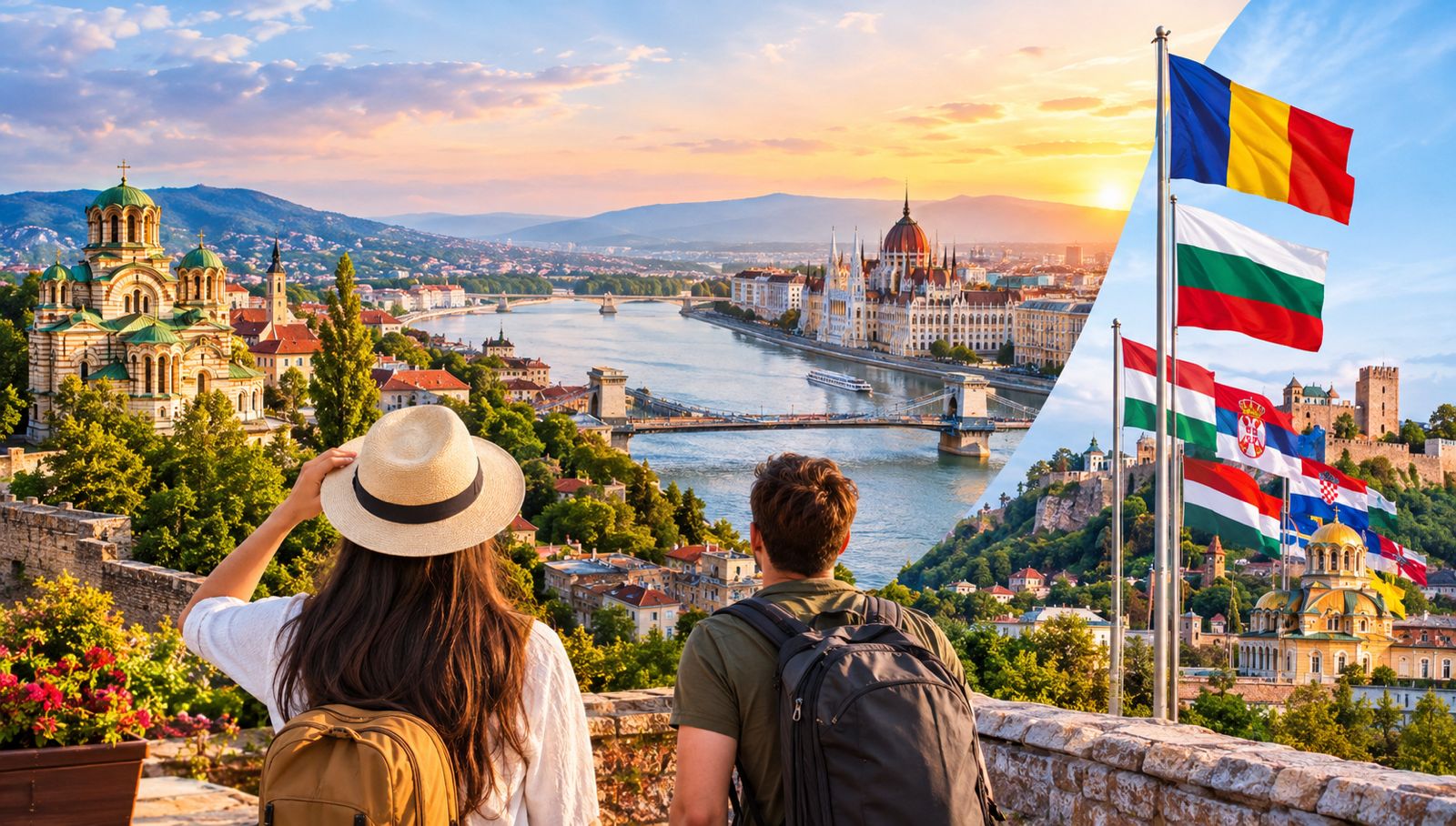
Romania Unites With Bulgaria and its neighboring countries to trigger an unprecedented tourism boom in Central and Eastern Europe, completely changing the way modern travelers choose their destinations. Moreover, the countries are joining forces to create an incredible regional explosion of hospitality.
Romania Unites With Bulgaria and its neighboring countries to trigger an unprecedented tourism boom in Central and Eastern Europe, totally changing the dynamics of modern travel trends. Regional countries are already joining forces to spark this incredible explosion of hospitality. Millions of eager travelers flock to the region’s breathtaking Carpathian landscapes, fascinating castles, and thriving capitals. Smart travelers continue to choose this affordable getaways over expensive Western destinations. Local governments boldly cooperate to upgrade transport infrastructure and provide seamless cross-border traffic routes, fueling the overall economic growth of the countries.
Romania securely leads regional tourism metrics by welcoming over 14 million annual visitors through its breathtaking Carpathian landscapes, vibrant cultural hubs, and legendary medieval heritage sites.
Why Is Romania Emerging As Europe’s Premier Cultural Tourism Powerhouse?
Romania has firmly established itself as a major European tourism heavyweight by successfully drawing more than 14 million international and domestic visitors into its historic borders every single year. This remarkable surge is largely driven by global fascination with Transylvanian folklore, pristine natural ecosystems like the Danube Delta, and increasingly sophisticated urban infrastructure across bustling cities like Bucharest and Brașov. Modern travellers are increasingly seeking authentic, less commercialised alternatives to traditional Western European hotspots, finding incredible value and deep historical resonance within the Carpathian region. The nation’s strategic integration into broader European transit networks has further simplified cross-border mobility for holidaymakers eager to explore its architectural marvels. Strategic promotional campaigns by local authorities continue to highlight sustainable rural tourism, encouraging longer stays and deeper economic engagement from international guests.
Advertisement
Advertisement
How Do Bulgaria And Hungary Compare In Regional Visitor Volume?
Bulgaria and Hungary maintain formidable tourism sectors that successfully rival Romania by catering to distinct segments of the European leisure and wellness markets. Bulgaria consistently attracts roughly 9 to 10 million international arrivals annually, drawing holidaymakers primarily through its affordable Black Sea coastal resorts and budget-friendly alpine ski slopes. Meanwhile, Hungary surpasses regional averages with over 14 million annual visitors, capitalising heavily on Budapest’s iconic thermal bath culture, vibrant ruin bar nightlife scene, and world-class culinary traditions. Both nations demonstrate how targeted infrastructure investments and diverse geographical assets can sustain robust hospitality economies year-round. Regional tourism boards frequently collaborate on cross-border itineraries to encourage multi-destination travel among long-haul visitors coming from North America and Asia.
What Drives The Massive Tourism Success Seen In Czechia And Poland?
Czechia and Poland stand out as Central European tourism giants by welcoming between 19 and 22 million international visitors each year through rich historical narratives and immaculate urban preservation. Czechia thrives on the unmatched global appeal of Prague’s Gothic architecture alongside the restorative thermal springs found across historic spa towns like Karlovy Vary. In contrast, Poland leverages a powerful combination of deeply educational dark tourism sites, vibrant cultural metropolitan centers like Kraków, and diverse natural landscapes ranging from Baltic beaches to the Tatra Mountains. These high visitor volumes reflect meticulous heritage conservation efforts and robust transport connectivity that make multi-city European exploration seamless. Both countries continue to innovate digitally, offering streamlined booking systems and immersive cultural guides that elevate the modern traveller experience.
Advertisement
Advertisement
Central and Eastern European destinations—led by Romania, Hungary, Czechia, Poland, and Bulgaria—are experiencing unprecedented tourism surges due to a powerful convergence of economic value, infrastructural modernization, and a growing global desire for authentic, less-crowded cultural experiences.
Comparative Summary Table
| Country | Approximate Annual Arrivals | Core Strategic Advantage | Leading Visitor Demographics |
| Romania | 10–14M | Untouched wilderness, Carpathian nature, Transylvanian heritage | Western EU expats/neighbors, diaspora, German & Italian tourists |
| Bulgaria | 9–10M | Budget-friendly Black Sea coastlines & affordable Alpine skiing | Regional neighbors, German and UK package holidaymakers |
| Hungary | 14–16M | Thermal bath capital, Budapest nightlife, Danubian wine culture | Central/Western Europeans, UK weekend city-breakers |
| Czechia | 19–22M | High-density medieval architecture, spa towns, cultural preservation | German, Slovak, and American travelers |
| Poland | 20–22M | Deep cultural roots, urban revitalization, cost-effective heritage travel | European neighbors, corporate business travelers, UK tourists |
Economic Value and Affordability
Modern travellers facing high inflation across Western Europe increasingly look to Central and Eastern Europe for high-value alternatives that stretch travel budgets further. Destinations like Bulgaria and Romania offer exceptionally competitive pricing for accommodation, dining, and leisure activities compared to traditional Western hotspots. This superior cost-to-quality ratio attracts budget-conscious younger demographics and families seeking premium European experiences without the exorbitant price tags.
Advertisement
Advertisement
To explore official regulatory frameworks and tourism statistics, visit the Romanian Ministry of Economy, Entrepreneurship and Tourism.
Untouched Natural Landscapes and Ecotourism
Discerning tourists are pivoting away from over-commercialised mass-tourism hubs toward destinations that preserve raw, organic environments and biodiversity. Romania’s Carpathian Mountains and the pristine Danube Delta, alongside Poland’s Tatra ranges and Czechia’s protected reserves, serve as magnets for eco-tourists and outdoor adventurers. These regions successfully market sustainable, nature-led travel that promotes deep mental wellbeing and physical disconnection from urban life.
Infrastructure Modernisation and Connectivity
Expanded budget airline routes, improved regional rail networks, and substantial European Union infrastructure funding have dramatically transformed regional accessibility. Major transport hubs like Budapest Ferenc Liszt International Airport continue to shatter passenger records by connecting secondary European markets seamlessly to global transit grids. Enhanced cross-border mobility allows multi-destination holidaymakers to explore contiguous nations with minimal logistical friction.
“This incredible regional partnership fundamentally redefines European travel, proving that strategic cross-border cooperation is the ultimate key to sustainable economic growth. By combining forces, Romania, Bulgaria, and their neighbours have successfully captured the imagination of modern explorers seeking authentic, high-value adventures away from overcrowded traditional hotspots. As infrastructure continues to modernise and digital accessibility improves, this unified tourism boom will undoubtedly accelerate, setting a powerful benchmark for collaborative destination marketing worldwide for many years to come.”
Advertisement
Advertisement
— Anup Kumar Keshan, Founder and Editor-in-Chief, Travel And Tour World
Cultural Authenticity and Heritage Preservation
Travellers are increasingly prioritizing deep cultural immersion, seeking out medieval architecture, living folklore, and distinct regional traditions that remain intact. Cities like Prague, Kraków, and Budapest expertly blend centuries of complex history with vibrant contemporary scenes, such as Budapest’s famous ruin bars and world-class thermal bath culture. This rich tapestry allows visitors to experience genuine local heritage rather than sterile, manufactured tourist zones.
Romania Unites With Bulgaria and neighboring nations to create a significant tourism boom in Central and Eastern Europe which then goes on to become an era for all who visit the region. Partnerships and promotional campaigns generate a surge of inquisitive international visitors making it a period to remember for everyone who visits Romania. Authorities work together to optimize online booking systems, ease border crossings and promote ecotourism as a way to boost the economy in the long run and benefit all visitors at the same time.
Romania Unites With Bulgaria and neighboring nations to create a significant tourism boom in Central and Eastern Europe because international visitors seek value when traveling and the area is perfectly positioned to satisfy their yearning. They are interested in medieval history and ecotourism and prefer destinations that provide this type of experience at a low cost. Regional partnerships enable the removal of barriers to entry for visitors from all countries and intensive infrastructural development makes the region more accessible than ever before. Thus it attracts a staggering number of tourists who then change the perception of the area for the better.
Advertisement
