

Britain Connects with Spain and More to Unveil a Historic Forty-Night European Cruise Odyssey Across the Continent

Published
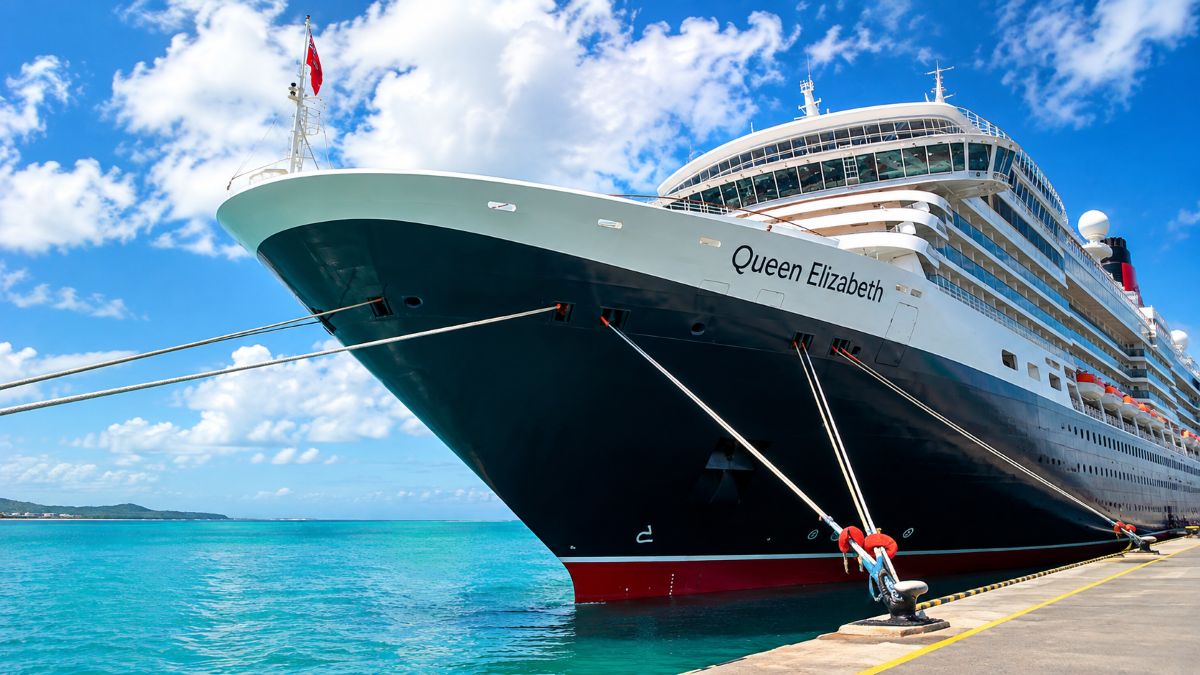
The luxury ocean travel landscape is witnessing an extraordinary expansion as maritime operators curate longer, culturally immersive journeys designed for discerning travellers seeking profound regional depth. Departing from the historic maritime gates of Southampton on 2 May 2027, an ambitious forty-night European voyage aboard Cunard Line’s famed Queen Elizabeth represents a benchmark in slow travel, seamlessly linking northern waters with the storied coasts of the Mediterranean and Adriatic seas. Travellers are increasingly seeking comprehensive journeys that transcend conventional seven-night itineraries, choosing instead extended voyages that allow authentic cultural immersion across diverse seafaring realms.
This comprehensive trans-continental voyage navigates through eight distinct nations, charting a grand arc through the Iberian Peninsula, the Strait of Gibraltar, North Africa, the Greek Isles, the Bosphorus, and the dramatic Dalmatian Coast before concluding in Barcelona. By weaving iconic destinations like Istanbul, Rome, and Dubrovnik with picturesque ports such as Kotor, Zadar, and Alicante, the passage offers an unparalleled exploration of Europe’s classical heritage and coastal grandeur. With seasoned maritime operations and curated shore excursions to renowned UNESCO World Heritage monuments, this voyage sets a new standard for modern long-haul luxury ocean cruising across Europe.
Advertisement
Advertisement
The Evolution of Extended Ocean Travel Across European Waters
Modern ocean voyages are undergoing a fundamental transformation as seasoned explorers prioritise regional immersion over rapid city hopping. The Queen Elizabeth grand voyage exemplifies this shift, dedicating forty nights to navigating Europe’s most revered historical passages and coastal territories. Setting sail from the storied docks of Southampton, the vessel charts a southerly course along the Atlantic seaboard, visiting the rugged Galician port of La Coruña before tracing the dramatic coastlines of Portugal into Leixões for Porto. This deliberate pacing affords passengers valuable sea days, allowing travellers to adapt to ocean life while observing the gradual transition from the cool Atlantic maritime climate to the sun-drenched climes of the Mediterranean basin.
Navigating through the Strait of Gibraltar, the voyage introduces an evocative cultural counterpoint with a dedicated call at Tangier, Morocco. This northern African stopover highlights the historic trading networks that have linked the Maghreb with the European continent for centuries. Beyond North Africa, the itinerary unfolds along the eastern coastline of Spain, calling at Cartagena and Alicante before calling in the Balearic jewel of Palma de Mallorca and the vibrant Catalan capital of Barcelona. This introductory phase of the journey bridges diverse maritime spheres, providing travellers with a profound understanding of how classical seafaring societies shaped early trade, architecture, and cuisine throughout the western basin.
Advertisement
Advertisement
A Classical Passage Through the Eastern Mediterranean and Bosphorus
Following a scenic transit through the legendary Strait of Messina separating Sicily from mainland Italy, Queen Elizabeth proceeds eastward towards the cradle of classical antiquity. The Greek port of Piraeus provides a gateway to Athens, where travellers explore the ancient Parthenon and Acropolis before the vessel charts a north-easterly course through the Dardanelles Strait. This legendary waterway serves as the symbolic maritime gateway between Europe and Asia, leading the vessel into the Sea of Marmara and onwards to the historic minarets and waterfront palaces of Istanbul. An extended overnight stay in this storied transcontinental metropolis allows guests to wander through the Grand Bazaar, marvel at the Hagia Sophia, and witness centuries of Byzantine and Ottoman history first-hand.
The Eastern Mediterranean leg continues southward along the Turkish Aegean coast with an arrival at Kuşadası, the primary maritime conduit for accessing the classical Roman ruins of Ephesus. From here, the ship meanders through the sapphire waters of the Aegean archipelago, dropping anchor at the Cycladic haven of Mykonos with its iconic whitewashed architecture and windward mills. After calling at Katakolon, which serves as the portal to the original sanctuary of ancient Olympia, the liner re-enters Italian waters. Navigating northwards toward Sorrento, passengers gain direct access to the ruins of Pompeii, the dramatic cliffs of Capri, and the Eternal City of Rome via Civitavecchia, creating an unbroken tapestry of classical antiquity.
Advertisement
Advertisement
Coastal Splendour Across the Adriatic and Dalmatian Shores
Leaving the Tyrrhenian Sea behind, the liner sails south toward the fortress capital of Valletta, Malta, a UNESCO-listed bastion reflecting rich chivalric heritage and maritime prowess. The vessel then enters the Adriatic Sea, revealing dramatic fjords, walled cities, and limestone coastlines. A call at Kotor, Montenegro, delivers one of the most visually stunning arrivals in world cruising, navigating sheer fjord-like cliffs that plunge directly into deep cobalt waters. Continuing along the Croatian coastline, Queen Elizabeth docks in Split to showcase the grand Diocletian Palace, followed by the historic stone promenades and sea organs of Zadar.
A northerly call at the Italian port of Trieste precedes one of the journey’s most picturesque maritime highlights: scenic cruising along the renowned Dalmatian Coast. Gliding past scattered archipelagos and dramatic headlands, the vessel reaches the fortified jewel of Dubrovnik, allowing guests to stroll atop medieval defensive battlements and take in sweeping vistas of the shimmering Adriatic Sea. Returning westwards via another breathtaking transit through the Strait of Messina, the ship calls at Palermo on the island of Sicily, introducing passengers to exquisite Norman-Arab mosaics and vibrant culinary markets before heading through the Balearic Sea to the idyllic white beaches of Ibiza and concluding in Barcelona.
Advertisement
Advertisement
| Port and Region | Nation | Notable Travel Significance |
|---|---|---|
| Southampton | United Kingdom | Storied embarkation port and historic centre of British ocean liner voyages |
| Leixões for Porto | Portugal | Gateway to the Douro wine valley, historic port wine lodges, and riverside Ribeira |
| Tangier | Morocco | Historic African port uniting Atlantic and Mediterranean cultural trading routes |
| Piraeus for Athens | Greece | Classical epicentre featuring the Acropolis, Parthenon, and classical monuments |
| Istanbul | Turkiye | Overnight transcontinental hub connecting Europe and Asia across the Bosphorus |
| Kuşadası for Ephesus | Turkiye | Access point to ancient Roman civilisations, the Library of Celsus, and ruins |
| Sorrento | Italy | Scenic coastal enclave offering access to Capri, Pompeii, and Amalfi cliffs |
| Civitavecchia for Rome | Italy | Gateway to the Colosseum, Vatican museums, and the historic Roman Forum |
| Valletta | Malta | Fortress city founded by the Knights Hospitaller with magnificent Grand Harbour |
| Kotor | Montenegro | Dramatic secluded bay surrounded by limestone cliffs and medieval ramparts |
| Split | Croatia | Living historical enclave built directly inside the Roman Diocletian Palace |
| Dubrovnik | Croatia | The Pearl of the Adriatic, renowned for towering 16th-century sea battlements |
| Palermo, Sicily | Italy | Melting pot of Norman, Byzantine, and Arab architecture and bustling markets |
| Barcelona | Spain | Final debarkation destination celebrated for Catalan modernism and Gothic avenues |
Elevated Onboard Living and Nautical Excellence
Sailing an extended forty-night itinerary requires a vessel that seamlessly combines comfort, refined dining, and maritime craftsmanship. As an esteemed ocean vessel of the Cunard fleet, Queen Elizabeth offers spacious oceanview staterooms, elevated balcony suites, and classic Queens and Princess Grill accommodations. Throughout this multi-week passage, the ship serves as an elegant home at sea, featuring traditional white-glove afternoon tea service, ballroom dancing in the Queens Room, West End-calibre theatrical performances, and an extensive ocean-view library housing thousands of volumes for quiet contemplation during leisurely days at sea.
Complementing the refined onboard amenities, expert guest lecturers, maritime historians, and regional specialists provide deep contextual insights into each visited region prior to port arrivals. From navigating the navigational complexities of the Dardanelles and Messina straits to understanding the architectural heritage of Venetian outposts in the Adriatic, passengers gain a deep appreciation of European history. Attentive crew services and thoughtfully crafted shore itineraries ensure this forty-night odyssey represents an unforgettable journey through European coastal culture.
Frequently Asked Questions
What is the full duration and route of this European grand voyage?
The voyage spans forty nights, departing from Southampton on 2 May 2027 and concluding in Barcelona on 11 June 2027, covering western Europe, North Africa, the Aegean, the Bosphorus, and the Adriatic.
Advertisement
Advertisement
Which nations are included on the sailing itinerary?
The ship visits eight distinct territories including the United Kingdom, Spain, Portugal, Gibraltar, Morocco, Italy, Greece, Turkiye, Malta, and Montenegro.
Does this voyage require long stretches of consecutive days at sea?
The schedule is carefully balanced with nine individual sea days spaced throughout the voyage, providing rest and relaxation between busy port explorations.
Are overnight port stays featured during this extended journey?
Yes, Queen Elizabeth features a prominent overnight stay in Istanbul, allowing passengers extended time to explore the city by day and night.
Advertisement
Advertisement
What scenic transits are included without docking?
The itinerary includes scenic daylight cruising through the Dardanelles Strait in Turkiye, multiple transits of the Strait of Messina in Italy, and scenic cruising along the Dalmatian Coast in Croatia.
Which historical excursions are accessible from the key ports of call?
Guests can join guided tours to the Acropolis from Piraeus, the Roman ruins of Ephesus from Kuşadası, ancient Olympia from Katakolon, Pompeii from Sorrento, and Rome from Civitavecchia.
Is airfare typically included in the base cruise fares?
Base ocean fares generally cover onboard accommodations, dining, and entertainment, with international flights and transfers available as optional travel add-ons.
Advertisement
Advertisement
What accommodation options are available on Queen Elizabeth for extended sailings?
Accommodations range from comfortable interior and oceanview staterooms to premium balcony staterooms and signature Princess and Queens Grill luxury suites with dedicated lounges and restaurants.
What currency and travel documents are necessary for this multi-country cruise?
Passengers require a valid passport with at least six months validity, appropriate Schengen visas or travel authorisations, and access to local currencies or credit cards for onshore spending.
What makes a forty-night cruise preferable to standard one-week sailings?
An extended voyage eliminates the logistical stress of multiple flights and hotel transfers, allowing travellers to experience the geographical and cultural connections of Europe in continuous comfort.
Advertisement
