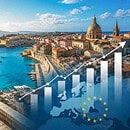
Image generated with Ai
Slovenia is bringing Štajerska Tourism into the European travel spotlight after the eastern region secured third place among twenty destinations in a major ranking for 2026, finishing behind Madrid and Nicosia. The recognition places greater international attention on Štajerska’s vineyard landscapes, historic towns, thermal spas, cultural events, countryside experiences and regional heritage. It also strengthens the region’s position as an alternative to established Slovenian destinations such as Ljubljana, Lake Bled, the Alpine region and the Adriatic coast.
However, the ranking represents a destination-marketing achievement rather than a new travel policy or infrastructure development. It creates no additional flights, railway services, hotels or visitor facilities and introduces no special visa or passport arrangements. Slovenia’s existing Schengen entry requirements remain unchanged. The immediate impact therefore concerns stronger destination awareness, while future official figures will show whether the recognition increases bookings, overnight stays and visitor spending.
The ranking followed an international selection involving twenty European destinations. Štajerska finished behind Madrid and Nicosia, placing eastern Slovenia alongside several established holiday locations. Slovenia’s official tourism authority confirmed the result in February 2026 and associated the region with wine, cultural heritage, food, natural scenery and thermal experiences. The recognition did not follow a government investment announcement. Instead, it reflected traveller interest in an existing regional tourism offer that had previously received less international exposure than Slovenia’s major tourism centres.
The region’s profile was later strengthened by a July 2026 travel feature examining five reasons for visiting. These included the vineyard hills around Jeruzalem, Maribor’s ancient grapevine, Ptuj’s Roman history, thermal resorts and traditional cuisine. The feature also highlighted Štajerska’s proximity to Austria, which already supports weekend breaks, road holidays and cross-border touring. This geographical advantage may improve the region’s appeal among nearby travellers, although no new road, railway or aviation connection formed part of the recognition.
Advertisement
Wine remains one of Štajerska’s most recognisable tourism resources. Official Slovenian destination information identifies eastern Slovenia as an important white-wine-producing area. Jeruzalem, near Ormož, features vineyard-covered hills, rural roads and terraced landscapes. Visitors can combine cellar experiences with countryside accommodation, regional food, walking and cycling. The area therefore serves travellers seeking rural holidays rather than conventional city breaks. However, opening hours, tasting programmes and reservation requirements remain controlled by individual providers and may vary throughout the year.
Maribor provides the region’s most distinctive wine attraction. A grapevine aged above 450 years continues producing fruit in the Lent district beside the River Drava. Official tourism information recognises it as the oldest fruit-producing grapevine in the world. A dedicated visitor centre explains its history and presents the surrounding wine culture. Seasonal activities include a ceremonial harvest, an autumn festival and St Martin’s celebrations. Maribor also offers museums, riverside heritage and access to Pohorje, where hiking, cycling and other outdoor activities expand the city’s appeal.
Ptuj strengthens the destination through its historical identity. Official tourism information describes Ptuj as Slovenia’s oldest town. This wording provides a more complete description than calling it only the oldest Styrian town. The settlement developed around ancient Poetovio, an important Roman centre. Modern historical events interpret this past through reconstructed military displays, traditional clothing and public performances. Ptuj Castle, the medieval centre and museum collections provide additional reasons for cultural and educational visits.
Wine also forms part of Ptuj’s heritage. Official information states that the town’s oldest wine cellar has operated for approximately 700 years. Its archive contains Slovenia’s oldest preserved vintage, dating from 1917. The town also presents carnival customs, poetry, music, food and seasonal cultural events. Nearby thermal facilities allow visitors to combine heritage touring with wellness experiences. This range helps Štajerska appeal to travellers who may not want an itinerary focused entirely on wine.
Advertisement
Advertisement
The regional recognition comes during a period of wider growth for Slovenian tourism. Official statistics recorded nearly seven million tourist arrivals during 2025. Those visitors generated almost 17.8 million overnight stays, six per cent more than during 2024. Foreign travellers produced nearly 13.4 million nights, representing annual growth of eight per cent. Domestic visitors accounted for almost 4.5 million nights, remaining broadly level with the previous year. The figures demonstrate expanding national demand, but they do not measure Štajerska’s individual performance.
International visitors generated 74.9 per cent of Slovenia’s overnight stays during 2025, while domestic visitors contributed 25.1 per cent. Therefore, almost three of every four registered nights came from overseas markets. Germany produced more than two million overnight stays, while Italy generated around 1.1 million. Austria contributed approximately one million. These figures underline the importance of nearby European source markets and explain why greater recognition in Austria and surrounding countries could carry particular significance for eastern Slovenia.Tourism category Verified official information Relevance to travellers and tourism European destination position Third among twenty selected destinations Raises Štajerska’s international visibility Slovenia tourist arrivals in 2025 Nearly seven million Shows strong national travel demand Total overnight stays Almost 17.8 million Six per cent above 2024 Foreign overnight stays Nearly 13.4 million Eight per cent annual increase International visitor share 74.9 per cent Nearly three-quarters of all nights Domestic visitor share 25.1 per cent Around one-quarter of all nights German overnight stays More than two million Largest foreign source market Italian overnight stays Around 1.1 million Major nearby visitor market Austrian overnight stays Approximately one million Supports cross-border short-break potential
The table shows that foreign travel plays a central role in Slovenia’s tourism economy. It also demonstrates why a higher European profile could matter for Štajerska. However, national statistics cannot prove that the region has already attracted additional visitors because of the ranking. No official source currently provides a booking ratio, occupancy increase or spending figure directly connected with the recognition.
Thermal tourism extends Štajerska’s visitor offer beyond wine and heritage. The wider Thermal Pannonian region contains established natural health resorts, hotels, pools, wellness facilities, campsites and mobile-home accommodation. Some locations serve families through indoor and outdoor swimming areas, while others focus on spa and health experiences. This diversity allows the region to address several travel segments, including families, couples, campers, wellness travellers and guests seeking longer resort stays.
Regional cuisine supplies another important tourism layer. Traditional food includes layered gibanica and dishes using pumpkin-seed oil, connecting culinary experiences with local agriculture. Restaurants, farms and rural accommodation can form part of vineyard or cultural itineraries. However, the European ranking provides no evidence about food prices, restaurant capacity or service availability. Travellers must check individual providers before visiting, especially during festivals, harvest periods and other high-demand dates.
The combination of wine, heritage, wellness, food and outdoor activity creates possibilities across several seasons. Spring can support cycling, walking and rural touring. Summer accommodates cultural events, family stays and outdoor holidays. Autumn brings grape harvests, wine festivals and St Martin’s celebrations. Winter can support thermal breaks and selected outdoor activities around Pohorje. These products may help spread demand, although national overnight stays still reach their highest levels during July and August.
Slovenia’s national tourism strategy for 2022–2028 supports more balanced visitation across seasons and destinations. Its priorities include sustainable mobility, destination management, cultural heritage, accessibility, tourism products and environmental responsibility. Štajerska’s varied tourism offer fits this national direction. Nevertheless, no regional data currently confirm that the recognition has reduced seasonality, increased average stays or redirected substantial visitor numbers away from Slovenia’s busiest destinations.
The European ranking does not change Slovenia’s visa or passport rules. Slovenia remains part of the Schengen Area and applies common entry conditions. Eligible EU, EEA and Swiss travellers can use valid passports or recognised national identity cards. Routine checks normally remain absent at internal Schengen borders, but travellers should carry valid identification. Authorities retain the right to conduct lawful identity and security checks during cross-border or domestic journeys.
Non-EU travellers require valid passports and may need Schengen visas, depending on nationality. Short stays generally cannot exceed 90 days within any 180-day period. Passports must normally remain valid for at least three months after the planned departure from the European Union. They must also have been issued within the previous ten years. Ordinary Indian passport holders need visas before travelling to Slovenia, while specific exemptions apply to qualifying diplomatic passport holders.
Important points for travellers include:
Slovenia ended temporarily restored internal-border checks with Croatia and Hungary in June 2026. Authorities replaced routine controls with risk-based policing and other security measures. The change may support smoother regional road movement, but it does not remove identification requirements. Travellers must continue meeting Schengen rules and carrying appropriate documents while visiting Maribor, Ptuj, Jeruzalem or other parts of Štajerska.
The most important next step will involve official regional performance data. Arrival, overnight-stay and occupancy figures will show whether the European recognition converts into measurable demand. Visitor spending data could reveal whether hotels, restaurants, cultural attractions and wellness facilities receive commercial benefits. Until those figures become available, the ranking should be described as a significant visibility gain. It should not be presented as confirmed tourism growth or an established visitor surge.
Travellers should also watch official event calendars for Maribor and Ptuj. Harvest celebrations, Roman-themed programmes, cultural festivals and thermal resort schedules may influence travel planning. No new airport route, rail service, road upgrade or large accommodation project has been announced through this development. Any future transport or hospitality announcement will need separate verification and should not be treated as part of the destination ranking.
The region’s future direction will remain connected with Slovenia’s national goals for sustainable and year-round tourism. Štajerska already combines vineyards, historical towns, thermal facilities, food and outdoor recreation within one regional identity. Greater international awareness could help these experiences reach new markets. However, successful regional development will depend on accessibility, responsible destination management, visitor capacity and the availability of reliable tourism services.
For now, the verified development remains clear. Štajerska has received important European recognition and stronger exposure among potential international visitors. Maribor, Ptuj, Jeruzalem and the thermal region stand to receive greater attention. However, the ranking has changed no visa, passport or border requirement. Future official data will determine whether wider awareness becomes lasting growth in arrivals, overnight stays and tourism spending.
Advertisement
Tags: European holiday destinations, European Travel Destinations, Jeruzalem vineyards, Maribor wine tourism, Ptuj cultural heritage
Advertisement
Advertisement











Wednesday, September 2, 2026
Tuesday, September 1, 2026

Wednesday, September 2, 2026
Wednesday, September 2, 2026
Tuesday, September 1, 2026
Tuesday, September 1, 2026
Tuesday, September 1, 2026

Tuesday, September 1, 2026