
Salalah Breaks New Tourism Records in 2024: Over 1 Million Visitors Flock to Oman’s Dhofar Region

Published
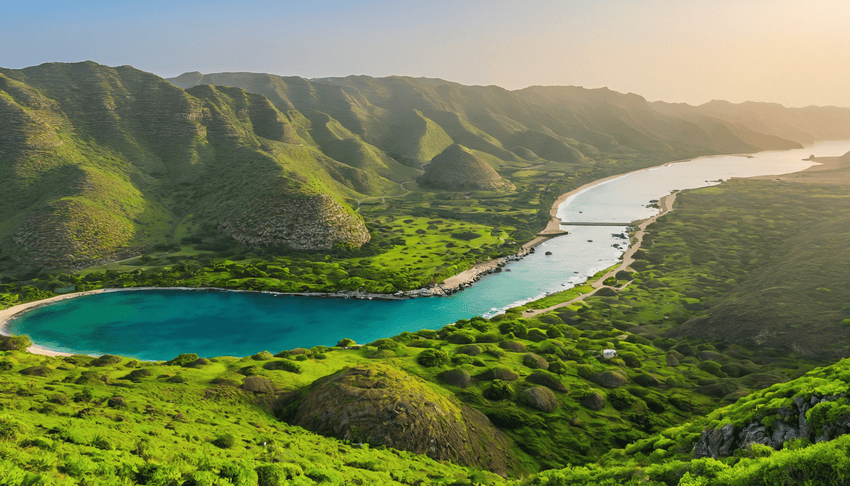 Image generated with Ai
The Ministry of Heritage and Tourism in Oman has announced that Salalah, the capital of the Dhofar region, welcomed a record-breaking number of visitors in 2024, with over 1 million tourists visiting the area between June and August. This marks an impressive 8.7% increase compared to the same period in 2023. Salalah, known for its lush landscapes and cool climate during the Khareef season, has once again proven to be a top destination for both local and international travelers.
This surge in visitors not only highlights the growing popularity of Oman as a tourism destination but also points to the rising appeal of Salalah’s unique offerings, making it a significant contributor to Oman’s travel industry.
A Breakdown of Visitors to Salalah
From June 1 to August 31, 1,006,635 visitors arrived in Dhofar, with 753,105 Omanis, 176,162 GCC nationals, and 121,767 international tourists from other countries. The majority of visitors arrived in August, totaling 593,513 travelers, followed by 393,829 in July and 19,293 in the first nine days of June. This influx of tourists during the summer months highlights the allure of Salalah’s cool and misty weather, which provides a refreshing escape from the extreme heat experienced in many neighboring Gulf countries.
The increase in visitors by air also played a significant role in this tourism boom. The number of tourists arriving by flight rose 5.2% from 209,528 in 2023 to 220,528 in 2024. Meanwhile, 776,107 travelers made their way to Salalah by road, further underlining the destination’s accessibility.
Advertisement
Advertisement
Tourism’s Impact on Salalah and Oman
The rise in tourism in Salalah is a positive development for Oman’s economy and its travel sector. With over 1 million visitors in just three months, local businesses, hotels, restaurants, and transportation services in Dhofar have seen significant boosts in revenue. Hotels have been fully booked during peak months, and the demand for car rentals, guided tours, and cultural experiences has increased, all of which contribute to the thriving tourism economy.
This increase also reflects the success of the Ministry of Heritage and Tourism’s efforts to promote Salalah as a must-visit destination during the Khareef season. The cool, green landscapes and natural beauty of the region draw visitors from across the GCC, including Saudi Arabia, the UAE, and Qatar, as well as international tourists from Europe and beyond.
Advertisement
Advertisement
Salalah’s tourism growth has also led to an expansion of air routes and services, with airlines increasing their flights to meet demand. Additionally, Oman’s efforts to improve infrastructure and services in the Dhofar region, including the expansion of Salalah Airport, have made it easier for tourists to travel comfortably and explore the region.
- Peak season success: Salalah saw a record number of visitors in August, reinforcing its status as a top summer destination.
- Tourism boost: Local businesses, hotels, and transport services experienced significant economic growth.
Global Implications for Travelers
Salalah’s growing popularity has important implications for global travelers. With over 1 million visitors in 2024, the region’s allure as a unique travel destination is gaining international recognition. This surge in tourism highlights the increasing demand for off-the-beaten-path destinations, particularly those that offer natural beauty, cultural heritage, and a climate that differs from the usual summer heat experienced across the Gulf region.
Advertisement
Advertisement
For international tourists, the rise of Salalah as a travel hotspot offers an alternative to traditional summer vacation spots. The Khareef season, which turns the arid desert into lush greenery, provides a unique experience for visitors looking to explore Oman’s landscapes and culture.
The increase in international visitors also suggests a growing awareness of Oman’s tourism potential on a global scale. As more travelers from Europe, Asia, and the Americas discover Salalah’s appeal, the destination is likely to continue to grow in prominence, attracting an even wider range of global tourists in the years to come.
Salalah’s Role in Shaping Oman’s Tourism Future
The success of Salalah’s tourism this year points to a broader trend in Oman’s efforts to diversify its economy through tourism. With its natural beauty, cultural heritage, and unique seasonal offerings, Salalah is poised to play a critical role in Oman’s long-term tourism strategy. The Ministry of Heritage and Tourism has placed a strong focus on promoting the region, capitalizing on its strengths as a cool-weather destination during the hottest months of the year.
This strategy aligns with the global shift towards sustainable and eco-friendly tourism. Salalah’s natural landscapes, including its mountains, waterfalls, and coastal views, provide the perfect backdrop for nature-focused tourism. As a result, the region is attracting travelers who are interested in sustainable travel, outdoor activities, and cultural immersion.
Advertisement
Advertisement
In the coming years, Salalah is expected to continue breaking tourism records, as Oman builds on this success with further investment in infrastructure, marketing, and international partnerships. For the global travel industry, Salalah represents a growing trend toward destinations that offer both natural beauty and cultural richness, positioning Oman as a leading travel destination in the Middle East.
A Record-Breaking Year for Salalah
With over 1 million visitors in just three months, Salalah has cemented its status as one of Oman’s top tourist destinations. The growth in both domestic and international visitors highlights the region’s unique appeal and its rising prominence on the global travel map. As Salalah continues to grow, the impact on Oman’s travel industry will be significant, attracting more travelers, boosting local economies, and positioning the country as a must-visit destination in the Gulf.
Advertisement
