Saudi Arabia Surpasses Vision 2030 Tourism Goal of 100 Million International Visitors Annually with Red Sea Global and Saudi Arabia Project

Published
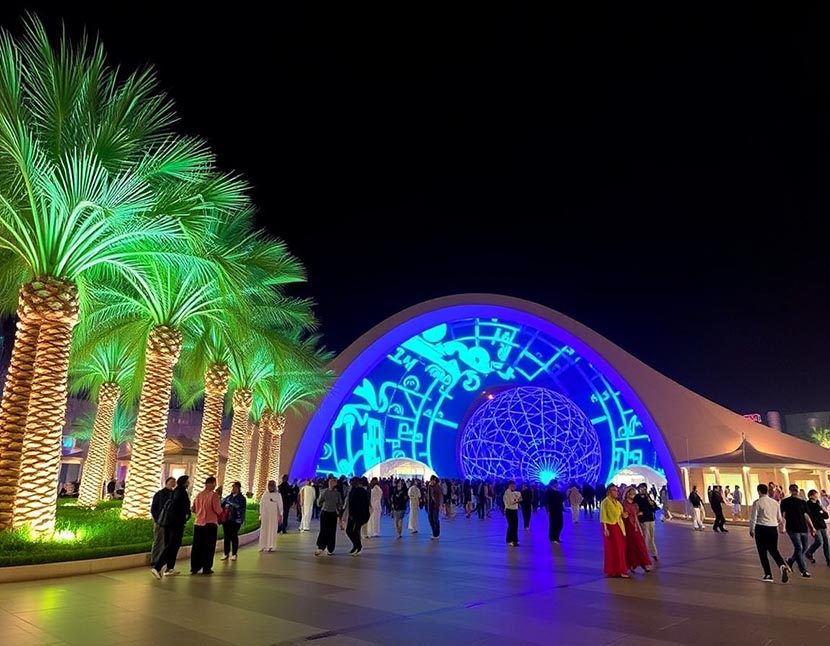 Image generated with Ai
In a remarkable achievement, Saudi Arabia has surpassed its ambitious Vision 2030 tourism goal of attracting 100 million visitors annually by 2023, seven years ahead of schedule. According to the International Monetary Fund (IMF) in its 2024 Article IV Consultation report, the Kingdom’s tourism sector has witnessed unprecedented growth, contributing significantly to its economy and reinforcing its position as a global tourism destination.
Saudi Arabia’s tourism revenues hit a record $36 billion in 2023, with net tourism income increasing by 38 percent. The sector’s direct and indirect contribution to the Kingdom’s Gross Domestic Product (GDP) rose to 11.5 percent, with projections to grow further to 16 percent by 2034. This rapid expansion underscores the Kingdom’s success in diversifying its economy away from oil dependency, with tourism playing a central role in this transformation.
Advertisement
Advertisement
Key Drivers Behind Saudi Arabia’s Tourism Boom
The IMF’s report attributes Saudi Arabia’s tourism surge to a combination of strong domestic demand and rising international arrivals. The Kingdom has increasingly drawn visitors for non-religious tourism, with a focus on leisure travel, cultural attractions, and major international events. This shift is a key component of Saudi Arabia’s broader Vision 2030 strategy, which aims to diversify the economy by promoting sectors such as tourism, entertainment, and culture.
A series of high-profile events has been central to driving tourism growth. These include international sporting competitions such as Formula One, the 2027 Asian Cup, and the upcoming 2030 World Expo. These events have not only boosted international visitor numbers but also enhanced the Kingdom’s image as a dynamic and exciting tourist destination.
Advertisement
Advertisement
The report further notes that Saudi Arabia’s service balance has shifted to a surplus, meaning the country is now earning more from international tourists than it is spending on outbound tourism. As outbound tourism declines, the report highlights that expatriates residing in the Kingdom have increased their leisure spending, particularly after the COVID-19 pandemic, contributing further to the domestic tourism boom.
Infrastructure and Mega Projects Fueling Growth
Saudi Arabia’s tourism expansion has been supported by a range of large-scale infrastructure projects and strategic investments in hospitality, travel, and cultural industries. Two of the most prominent developments driving tourism are the Red Sea Global project and Diriyah Gate.
Advertisement
Advertisement
The Red Sea Global project, set to become a world-class luxury tourism destination, is located along Saudi Arabia’s western coastline. It promises to deliver stunning beach resorts, sustainable tourism, and exclusive island experiences, all designed to attract high-end travelers from around the globe. This project, along with Diriyah Gate, a cultural and historical tourism destination near Riyadh, reflects Saudi Arabia’s commitment to creating unique, top-tier tourist experiences.
Diriyah Gate is designed to celebrate Saudi Arabia’s rich cultural heritage, offering tourists immersive experiences in Saudi history, architecture, and tradition. By combining culture with luxury, the Kingdom aims to appeal to a broad spectrum of visitors, from history enthusiasts to luxury travelers.
Advertisement
Advertisement
The Role of Government Initiatives and Marketing Campaigns
Central to Saudi Arabia’s success in exceeding its Vision 2030 tourism targets is the government’s proactive approach to international marketing and strategic partnerships with global tourism platforms. The Kingdom has implemented aggressive marketing campaigns designed to promote Saudi Arabia as a must-visit destination, leveraging social media, digital advertising, and partnerships with travel influencers to boost its global profile.
One of the key facilitators of tourism growth has been the introduction of e-visa programs, which have made the process of visiting Saudi Arabia significantly easier for international tourists. Currently, 66 countries can access the e-visa system, enabling travelers to explore Saudi Arabia with minimal bureaucratic obstacles. This enhanced accessibility has been a game-changer for the tourism industry, opening the doors to millions of potential visitors from Europe, Asia, and the Americas.
Investments in Infrastructure and Connectivity
In tandem with these marketing efforts, Saudi Arabia has invested heavily in infrastructure development, including new international airports, expanded road networks, and enhanced rail connectivity. These infrastructure improvements are designed to accommodate the growing number of tourists expected to visit the Kingdom in the coming years, ensuring that visitors have easy access to the country’s most popular attractions.
One of the highlights of this investment is the development of world-class international airports, which have been strategically placed in key tourism hubs across the Kingdom. These modern airports provide efficient and comfortable entry points for international travelers, ensuring that their first experience in Saudi Arabia is a positive one.
Advertisement
Advertisement
The expansion of road and rail networks has also improved connectivity between major cities and tourist destinations, making it easier for tourists to explore the diverse landscapes of Saudi Arabia. From the bustling metropolis of Riyadh to the stunning beaches of the Red Sea, the Kingdom’s transportation infrastructure ensures that tourists can easily travel across the country and enjoy its wide range of attractions.
Surpassing Vision 2030 Targets: A New Goal for 2030
Initially, Saudi Arabia’s Vision 2030 strategy set the ambitious target of attracting 100 million visitors annually by 2030. However, with the IMF report confirming that the Kingdom has already achieved this target in 2023, the government has now raised its sights even higher. The new goal is to attract 150 million visitors per year by 2030, further cementing Saudi Arabia’s status as a top global tourism destination.
This revised target reflects the Kingdom’s confidence in its ability to continue growing the tourism sector, supported by ongoing investments, international partnerships, and a steady stream of major events that will keep visitors flocking to Saudi Arabia.
According to the IMF report, Saudi Arabia’s focus on sustainable tourism growth will be key to achieving these targets. The Kingdom is committed to ensuring that its tourism industry benefits not only from increased visitor numbers but also from practices that protect the environment and promote cultural heritage. This includes investments in sustainable infrastructure, green technologies, and the preservation of natural and cultural landmarks.
Conclusion: A Bright Future for Saudi Arabia’s Tourism Sector
Saudi Arabia’s success in surpassing its Vision 2030 tourism goals seven years ahead of schedule is a testament to the Kingdom’s strategic approach to tourism development, investment in infrastructure, and effective international marketing. With tourism revenues reaching $36 billion in 2023 and the sector’s contribution to GDP growing steadily, the Kingdom has positioned itself as a leader in global tourism.
Looking forward, Saudi Arabia’s revised target of 150 million visitors annually by 2030 highlights its ambition to continue expanding its tourism offerings and maintaining its status as a top destination for travelers from around the world. Supported by large-scale projects like Red Sea Global, Diriyah Gate, and ongoing infrastructure development, Saudi Arabia’s tourism industry is set to thrive in the coming decade.
As international travelers increasingly seek unique experiences, Saudi Arabia is poised to offer a mix of luxury, culture, and adventure that will keep it at the forefront of the global tourism market.
Advertisement
